
Key Takeaways
1. New perovskite solar cells developed by UCL capture energy from indoor lighting with 37.6% efficiency, outperforming current indoor solar panels by nearly six times.
2. These advancements could lead to battery-free devices powered by ambient light, reducing the need for battery replacements and electronic waste.
3. The breakthrough uses a unique chemical treatment with rubidium chloride to stabilize the crystal structure of perovskite, addressing issues with energy loss and longevity.
4. The new solar cells show impressive durability, maintaining 92% efficiency after 100 days of office lighting and only a 24% performance drop after 300 hours at 55°C.
5. This technology could significantly enhance convenience in daily life and promote sustainable electronics by eliminating the need for batteries in small devices.
ZME Science has recently shared news about a global group of researchers, spearheaded by University College London (UCL), who have crafted a new kind of perovskite solar cells. These innovative cells are specifically designed to capture energy from indoor lighting. They have reached an impressive efficiency of 37.6% when tested at 1000 lux, a brightness level similar to a well-lit office. This makes them nearly six times more effective than the best solar panels currently available for indoor use.
Advancements in Battery-Free Devices
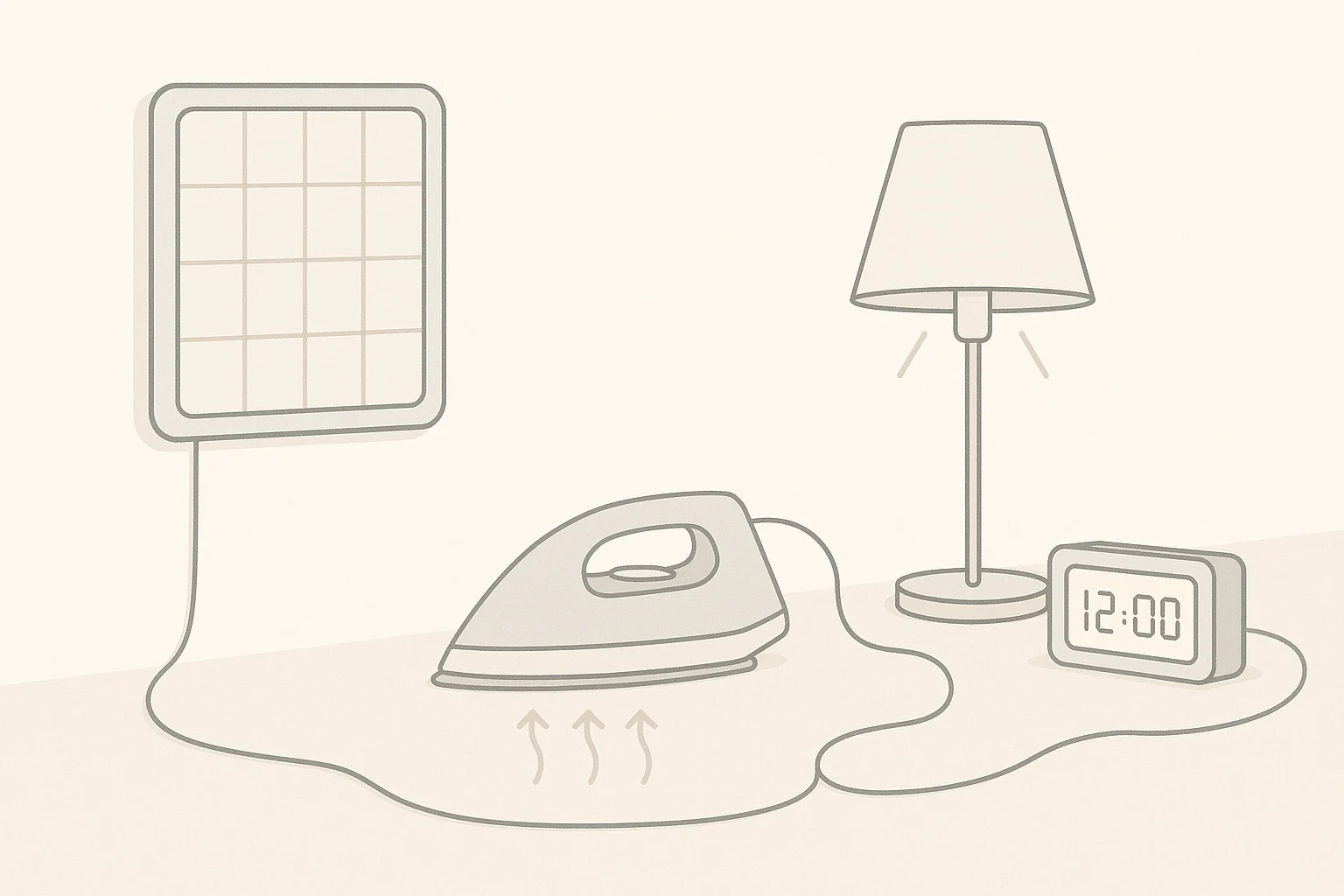
UCL emphasizes that these developments could lead to the creation of devices that do not require batteries. In the coming years, items like remote controls, wireless keyboards, sensors, and alarms could be powered solely by ambient light. This would eliminate the need for battery replacements, helping to lessen electronic waste.
Breakthrough in Perovskite Use
The breakthrough, according to UCL, is attributed to the use of perovskite as a semiconductor. Perovskite solar cells are known for their excellent light absorption and simple manufacturing process. However, issues with their crystal structure—referred to as “traps”—have historically led to energy loss and reduced longevity. The UCL researchers tackled this issue by utilizing a unique chemical treatment with rubidium chloride, which helps stabilize the crystal structure and minimize defects.
Durability and Longevity
In addition to their high efficiency, these new perovskite solar cells have shown impressive durability, as reported by SpaceDaily. In one study, the cells maintained 92% of their initial efficiency after being exposed to office lighting for 100 days, indicating a potential lifespan of at least five years. Another test revealed that when exposed to a high temperature of 55°C (131°F) for 300 hours, the cells only experienced a 24% drop in performance.
The introduction of perovskite solar cells could ultimately do away with the necessity for batteries in small electronic devices. This shift would not only enhance convenience in daily life, but also greatly reduce the volume of e-waste produced. If this technology is successfully brought to market, it could signify a significant move towards sustainable electronics that do not rely on batteries.
Source:
Link
Leave a Reply