
Key Takeaways
1. Researchers at Ohio State University converted shiitake mushrooms into memory cells using an Arduino microcontroller.
2. The mushrooms were cultivated, dehydrated, and their mycelium networks were utilized to store electrical charges as memristors.
3. Testing showed the mushrooms’ memory performance varied, achieving accuracy rates of 46 to 95 percent depending on conditions.
4. Fungal memristors produce less waste than traditional silicon memory and are safer for disposal.
5. DIY enthusiasts can create their own mushroom storage devices using an Arduino UNO R4 and dried shiitake mushrooms.
Researchers from Ohio State University have managed to convert shiitake mushrooms into memory cells, all controlled by an Arduino microcontroller board. This innovative study received partial funding from the Honda Research Institute.
Growing the Mushrooms
Initially, the researchers cultivated four large shiitake mushrooms from spores using a culture designed for fast growth. After a week of exposure to direct sunlight, they then dehydrated the mushrooms into round discs.
Creating the Memory Circuit
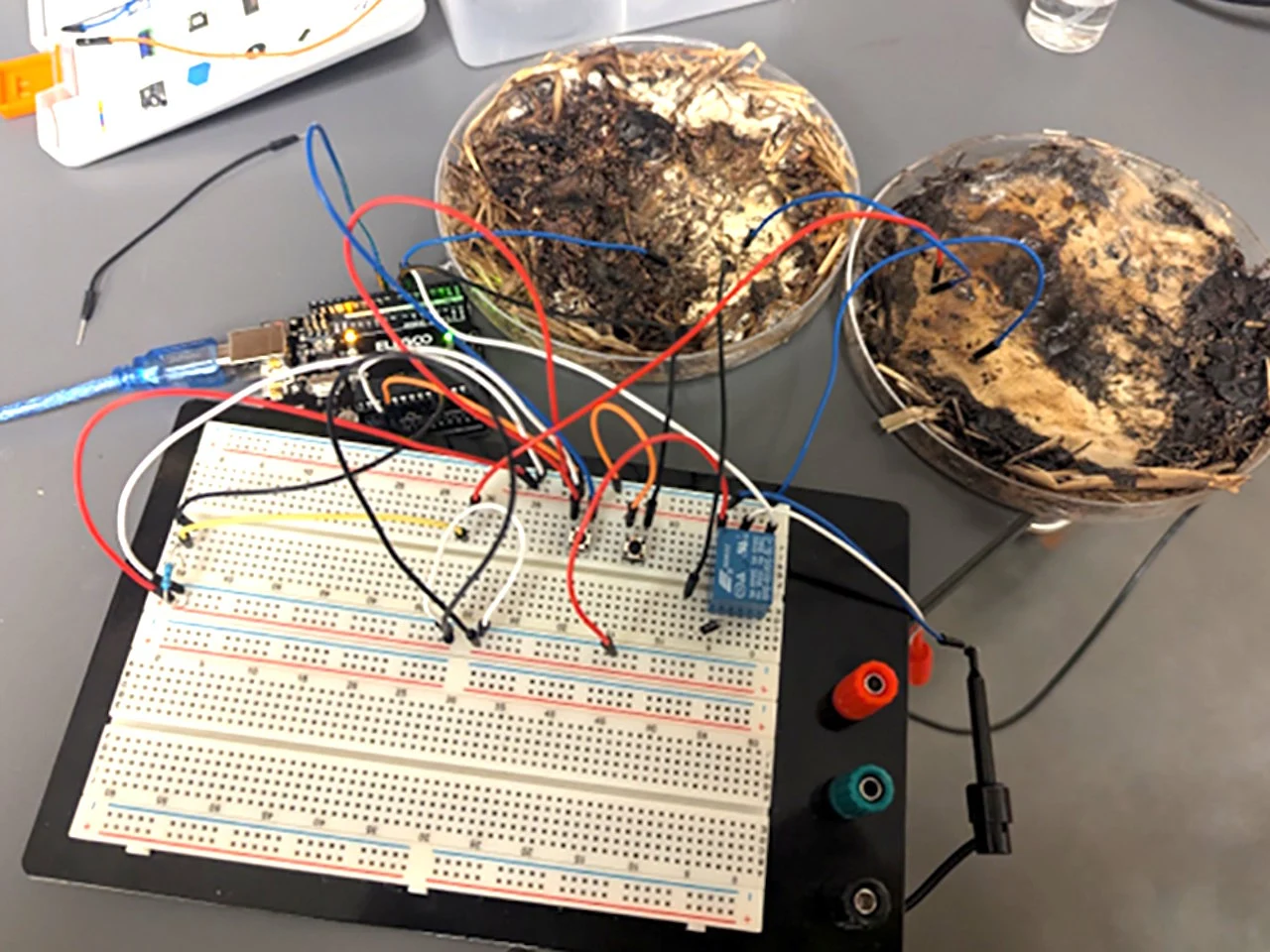
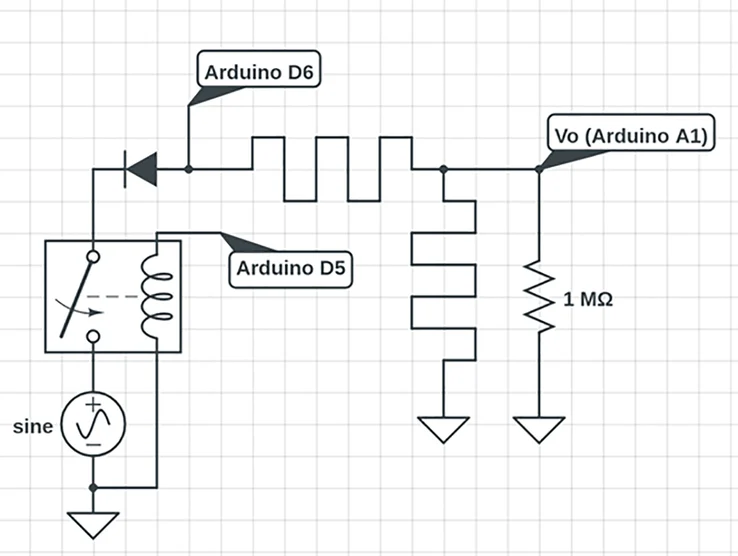
To make a basic voltage test memory circuit, an Arduino UNO microcontroller board was utilized along with some simple wires, resistors, and additional components. The team took advantage of the conductive mycelium networks found within the porous structure of the fungi, allowing them to conduct and store electrical charges, which enabled the mushrooms to function as memristors or non-volatile memory cells. Once two mushrooms were linked together and rehydrated with a light mist of aerosolized deionized water, testing commenced to activate their memristor abilities.
Testing the Performance
During the tests, the Arduino board generated square or sine wave voltages to be applied to the mushrooms, while their state was monitored at a baud rate of 56k. The accuracy of the readouts varied between 46 to 95 percent, depending on the waveform type, voltage, frequency, and other factors, with the best results coming from a 10Hz 5V sine wave. The researchers also examined single read/write operations, yielding results between 88 and 96 percent.
The fungal memristors generated significantly less waste compared to conventional silicon-based memory and can be disposed of safely without contributing toxic waste to landfills. However, since the system was observed for less than two months, the durability of the data stored in the mushrooms remains uncertain.
DIY Opportunities
For those curious about creating their own shiitake mushroom storage device at home, an Arduino UNO R4 and a pack of dried shiitake mushrooms are available for purchase on Amazon. Additionally, fans of Star Trek can explore another application of mycelium networks by watching Star Trek: Discovery, where the Spore Drive is featured.
Sustainable memristors from shiitake mycelium for high-frequency bioelectronics are now a reality!
Source:
Link

Leave a Reply