
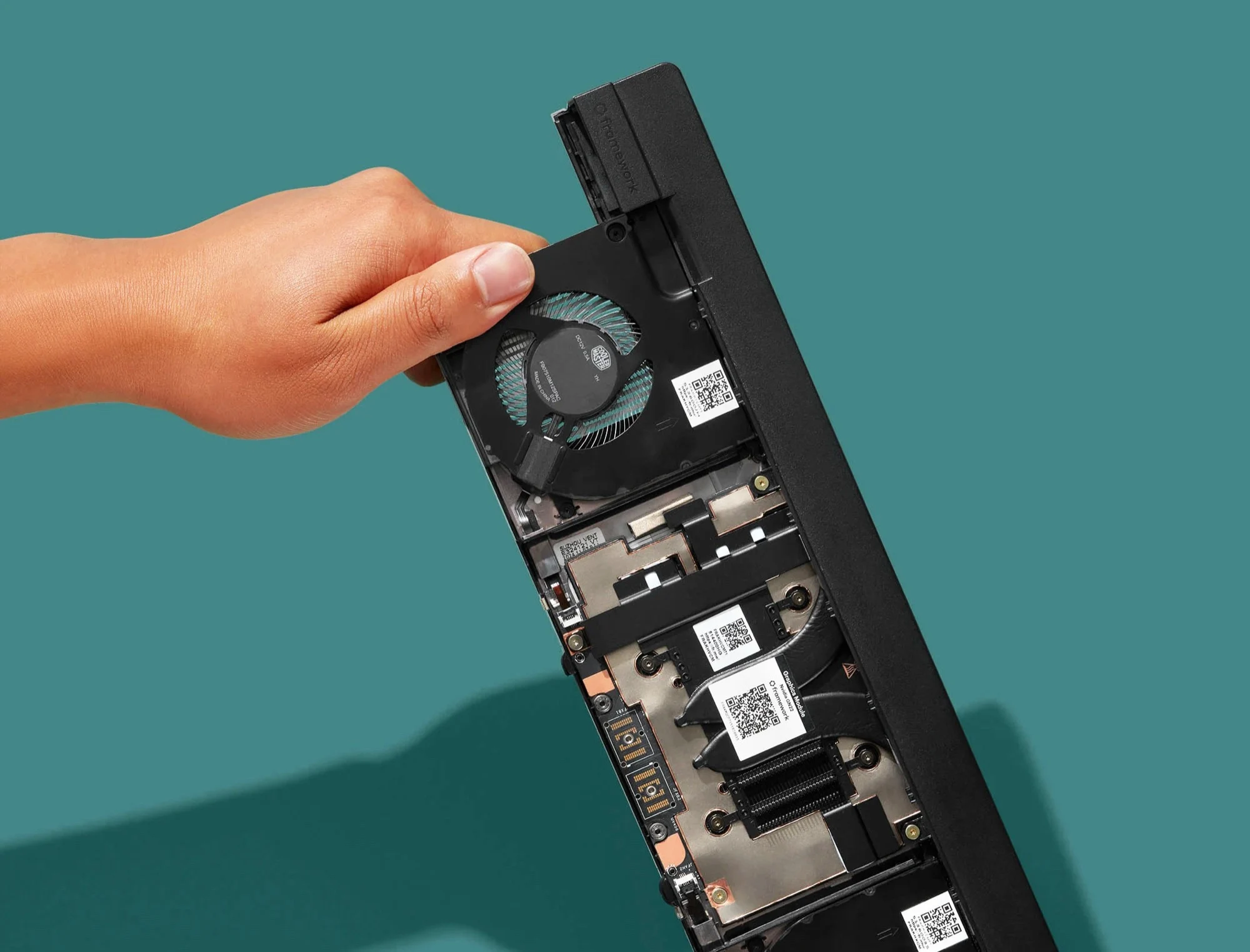
1. Nvidia’s GeForce RTX 5070 laptop GPU now features 12 GB GDDR7 memory, up from 8 GB, but the core GPU remains unchanged.
2. The 12 GB variant is priced at $1,199, significantly higher than the 8 GB version, with a $500 (71.5%) premium for the additional VRAM.
3. Both versions share the same core specs, including CUDA cores and boost clocks, with no change in memory bandwidth or TGP.
4. The high price suggests minimal cost difference in other manufacturers’ laptops, making the 12 GB version only slightly more expensive than higher-end alternatives like the RTX 5070 Ti.
Unexpected Release of Nvidia GeForce RTX 5070 Laptop GPU
Nvidia did this kind of a surprise move, launching a new GeForce RTX 5070 for laptops with an interesting twist. Instead of sticking with the usual 8 GB GDDR7 memory, the new model sports a hefty 12 GB, pushing it closer to the desktop variant which costs around $635. The key change here was just swapping 2 GB memory modules for 3 GB chips, with no other tweaks made to the GPU itself.
Availability in Upcoming Gaming Laptops
So, the first gaming laptops featuring this upgraded RTX 5070 will be hitting shelves very soon, but Nvidia haven’t yet announced the official pricing. Meanwhile, Framework has opened pre-orders for a special upgrade module that allows adding the 12 GB version into their Framework Laptop 16, expected to arrive in June. The cost, however, is quite shocking – at $1,199 for the 12 GB model, it’s a big jump from the $699 version with only 8 GB VRAM. Customers are paying an extra $500, or about 71.5 percent, for the additional 4 GB of VRAM.
Performance Specs and Price Comparison
The core specifications of both versions are practically identical, with 4,608 CUDA cores and boost clocks reaching up to 2.4 GHz. The memory bandwidth sticks at 384 GB/s, and the maximum total graphics power (TGP) remains at 100 watts. Should other laptop brands follow suit with hefty price hikes, notebooks equipped with RTX 5070 12 GB might only slightly be more affordable than those with the RTX 5070 Ti, which packs 5,888 CUDA cores and a much higher bandwidth of 672 GB/s along with the same 12 GB VRAM.
Leave a Reply