
Key Takeaways
1. Unregulated AI content in the legal field poses significant risks, highlighting the need for reliable detection tools.
2. Current AI detectors struggle with new image generation models, creating blind spots that allow AI-generated images to evade detection.
3. Basic modifications, like removing watermarks, can fool many detection tools, demonstrating their limitations.
4. Advanced photo editing techniques can significantly reduce the detection probability of AI-generated images, making them appear as real photographs.
5. The findings indicate that existing AI detection technologies are in their early stages and may provide a false sense of security in critical settings like courts and newsrooms.
The case involving Melissa Sims has shown the significant risks posed by unregulated AI content within the legal field. There’s a promise in the form of “AI detectors,” which are software programs designed to cleverly determine if an image is created by a human or a machine. Still, doubts linger about how reliable these digital tools are, especially when they encounter intentional misleading. A test involving six of the most popular detection services aimed to evaluate their effectiveness.
Experiment Setup
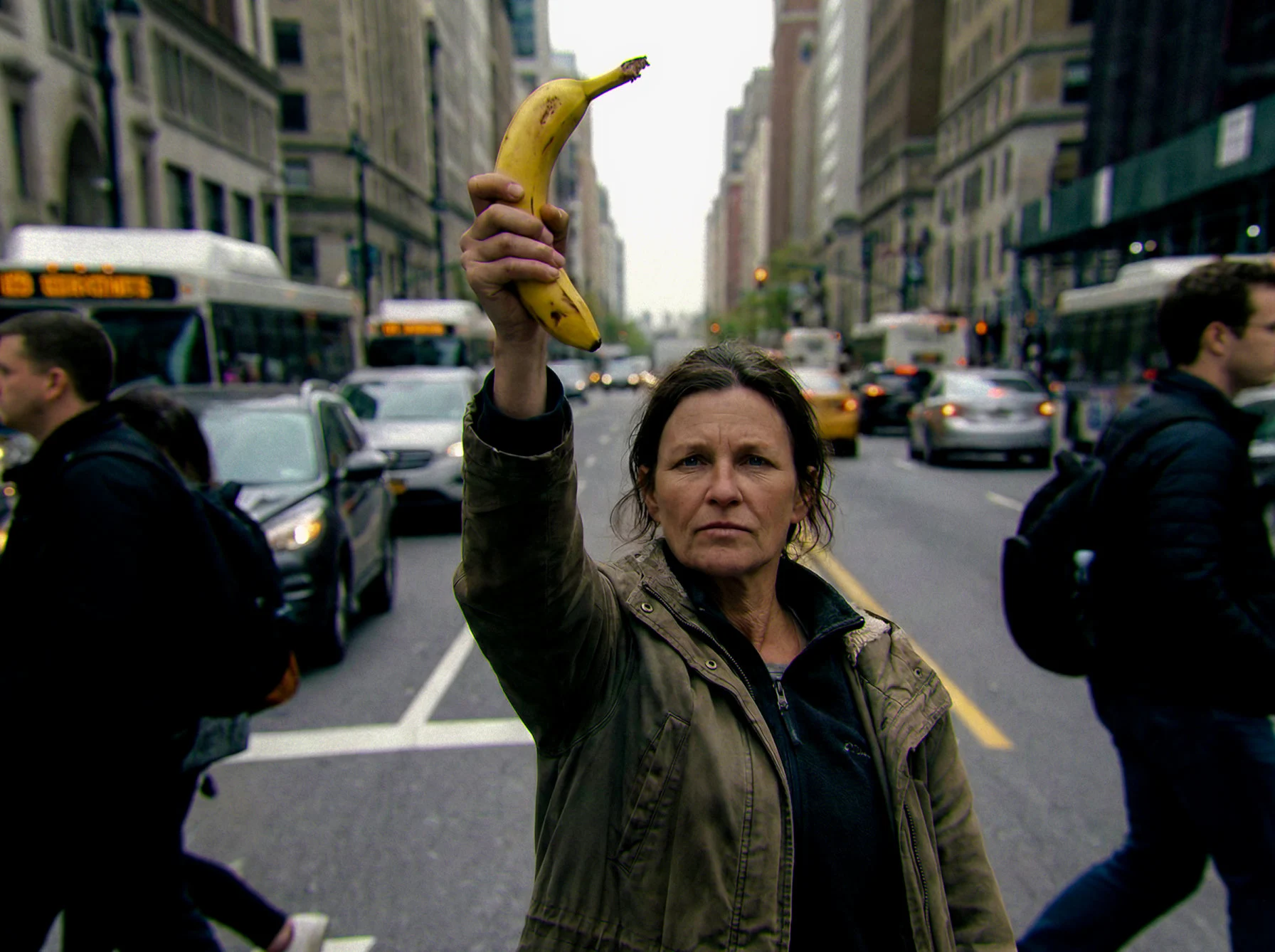
To assess the performance of these detection tools, we employed the image generator known as “Nano Banana Pro,” based on Google Gemini. The prompt we chose was intentionally straightforward yet a bit playful: “A woman striking a fighting pose holding a banana against the sky. Background typical cityscape with uninterested people.”
Challenges Faced by Detectors
The first significant challenge for the detection software arose from the particular model in use. As Nano Banana Pro is relatively new, many detectors are not equipped to recognize it, presenting a blind spot.
These detection services often depend on machine learning techniques and are trained to spot the specific “fingerprints” of established models like Midjourney, DALL-E 3, Stable Diffusion, or Flux. Thus, a novel model like Nano Banana Pro has a distinct edge since its specific generation patterns are not yet included in the detectors’ training datasets, making it easier to evade detection.
Initial Testing Results
Initially, the detectors had a straightforward job. The original PNG file was converted into a JPG, and its metadata got wiped. Notably, though, the image still displayed a clear Gemini watermark.
One might think that a visible AI watermark would be easy for detection software to catch. However, the outcome was surprising: even in this basic form, two out of the six tools failed to identify the image as AI-generated, despite the clear watermark.
Realistic Forgery Scenario
Next, we moved toward a more realistic forgery scenario by removing the identifying watermark. Using the AI eraser in the default Windows Photos app, this change was made seamlessly in just a few seconds.
After this simple edit, the results shifted. One more tool was fooled, now indicating a low probability of AI generation. Interestingly, Illuminarty actually raised its probability rating for the image being AI-generated post-edit. Nevertheless, three of the six tools still estimated less than 30% likelihood that the banana-holding woman was an AI creation.
Final Testing Phase
The final test was crucial. AI-generated images often appear “too smooth” and perfect, lacking typical noise. To effectively mislead the detection tools, the image needed to incorporate artificial “realism,” simulating common errors found in digital photography. Using Cyberlink PhotoDirector, adjustments were made. Lens correction was applied, artificial chromatic aberration created color fringes, contrast was boosted, and realistic image noise was added. The goal was to make the image resemble a photo taken by an imperfect camera—all accomplished in just a few minutes.
The outcome of this last phase was a complete triumph over the detection technology. After undergoing standard post-processing, all six detection services failed to assert that the image was AI-generated, with none indicating a probability greater than 5 percent. For the software, the image of the woman with the banana was now unmistakably a real photograph.
Conclusion
Our experiment clearly illustrates that current AI detection technologies are still very much in their early stages. If it only takes a few minutes with standard photo editing tools to reduce detection rates from “very likely” to “under 5 percent,” these tools are not just ineffective for courts, newsrooms, or law enforcement—they pose a risk. They foster a false sense of security that simply is not warranted. The idea of “trust, but verify” only holds if the verifiers aren’t blind.
Source:
Link
Leave a Reply