
Key Takeaways
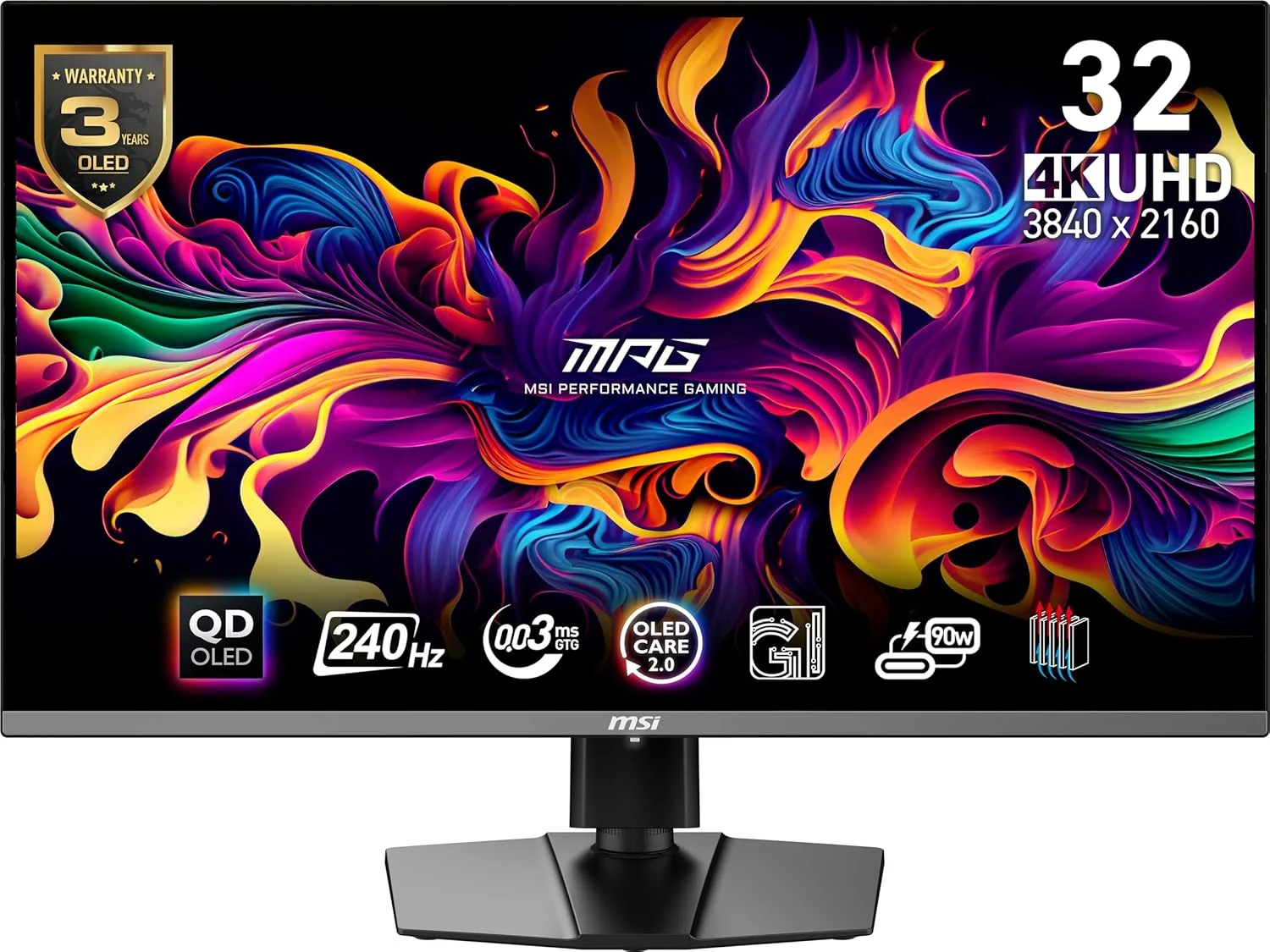
1. Long-Term Burn-In Test: Monitors Unboxed conducted a detailed 1.5-year burn-in test on the MSI MPG 321URX QD-OLED monitor, using it for 60 hours a week under static conditions.
2. Deterioration Observed: The monitor showed burn-in primarily from static elements like the Windows Taskbar and lines between applications, with no new signs of image degradation over time.
3. Color Temperature Shift: Burn-in affected the Green sub-pixels more than Red, resulting in a noticeable shift toward Red tones without a decrease in overall brightness.
4. Impact of Usage: OLED monitors deteriorate with use; extensive usage without burn-in prevention features accelerated burn-in effects, highlighting the importance of enabling these features.
5. Investment Opportunity: Despite initial concerns about image retention, MU’s testing suggests that with proper care, OLED monitors can remain burn-in free for years, making now a good time to consider purchasing one.
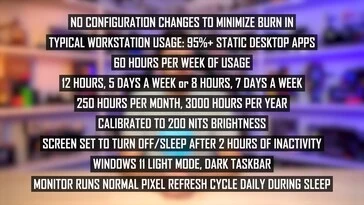
Over the past year and a half, Monitors Unboxed (MU) has been conducting a long-term burn-in test on their MSI MPG 321URX QD-OLED gaming monitor. This test involves using the monitor under productivity conditions with “95%+ static desktop apps” at a brightness of 200 nits for a minimum of 8 hours a day, totaling 60 hours a week. Throughout the testing period, most of the burn-in prevention features were disabled, with the exception of a daily Pixel Refresh Cycle.
Burn-In Observations
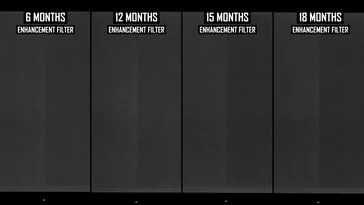
In their recent update after three months, MU revealed that areas of the monitor that had already experienced burn-in showed further deterioration. The primary culprits for this include the static, dark Windows Taskbar, a noticeable line separating side-by-side applications, and the space next to that line where the most frequently used static app was located. Interestingly, aside from these three prominent problems, the monitor has not shown any new signs of image degradation.
Color Temperature Changes
Additionally, MU noted that burn-in has affected the Green sub-pixels of the RGB matrix more severely than the Red sub-pixels. This has led to a shift in color temperature, leaning more towards Red tones.
Other than the image degradation and slight color temperature alteration, the MSI MPG 321URX QD-OLED doesn’t show any further problems. Notably, there seems to be no decrease in brightness of the panel, which is typically a result of OLED burn-in.
Overall Impressions
On first glance, MU’s evaluation of the MSI MPG 321URX QD-OLED yields less than favorable outcomes, considering the monitor’s high price (though it is currently available at a lower price on Amazon). However, the broader picture becomes clearer when examining the results and the extreme testing conditions the monitor faced.
OLED screens, whether in televisions, computer monitors, or mobile phones, deteriorate over time. The extent of degradation correlates directly with usage; therefore, the more an OLED gaming monitor is used, the more pronounced the burn-in and the faster the panel ages. In this instance, MU utilized the monitor for between 4,000 to 4,500 hours without activating any burn-in reduction features, save for the daily Pixel Refresh Cycle.
If the burn-in compensation features are enabled, and a more frequent Pixel Refresh Cycle is employed as suggested by the manufacturer, along with using the monitor for gaming and multimedia rather than just static applications, the OLED monitor should remain free from visible burn-in for several years.
In essence, if you’ve been considering an OLED gaming monitor but have held back due to concerns about image retention, MU’s testing should alleviate those worries. Additionally, it’s a great time to invest in an OLED monitor, as there are numerous options available at competitive prices.
Source:
Link


Leave a Reply