
Key Takeaways
1. Engineers at EPFL are transforming lobster shells into robotic components, focusing on langoustine tails for their unique structure.
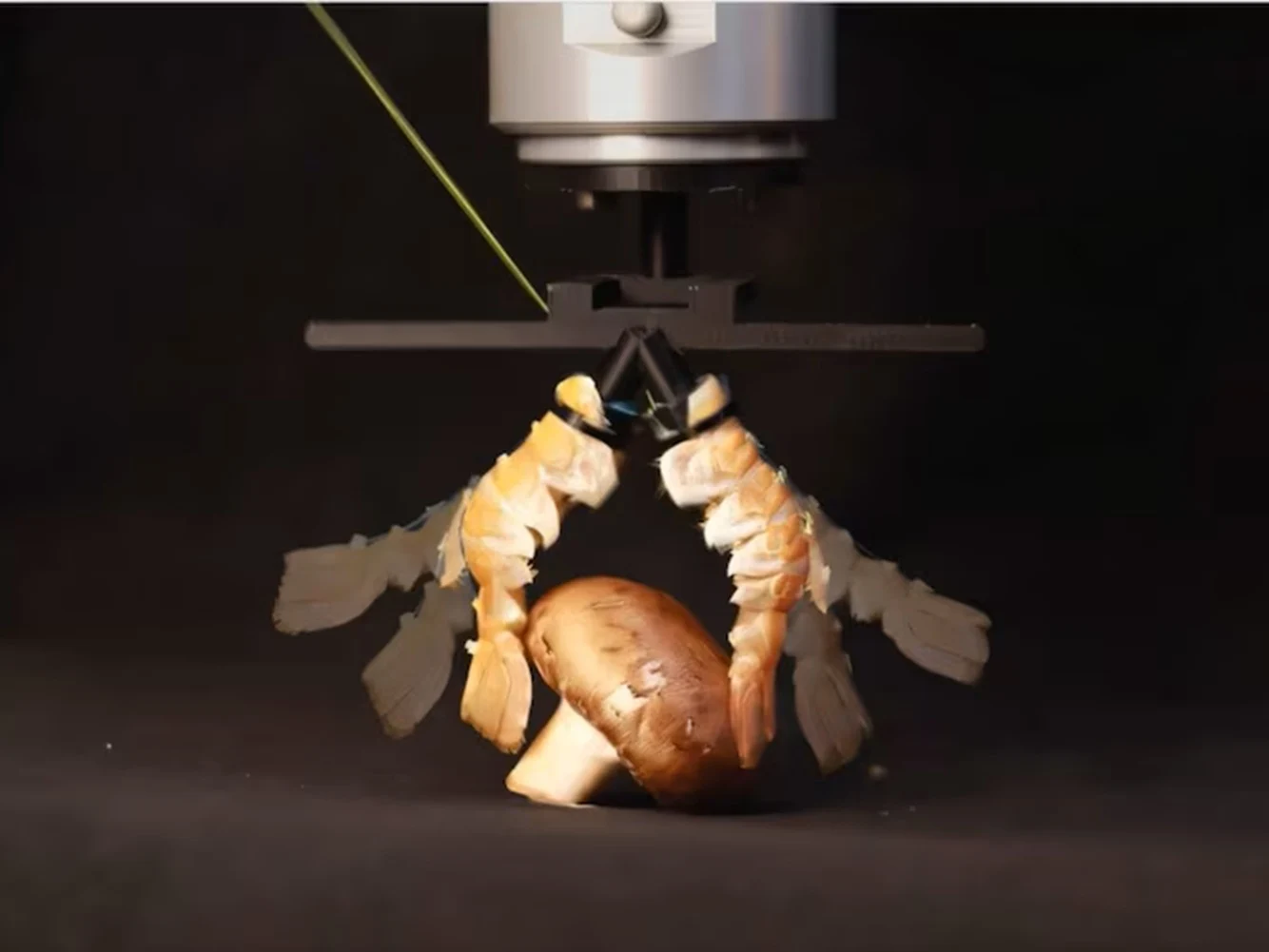
2. The modified shells can lift around 500 g and serve as grippers for items, as well as flapping fins for underwater robots.
3. The biohybrid technology promotes sustainability, utilizing recyclable synthetic materials and biodegradable shells.
4. The project faces challenges, such as the varying characteristics of individual shells affecting gripper control.
5. There is growing interest in robotics, highlighting the potential for innovative uses of organic materials like lobster shells in technology.
When diners wrap up their meals featuring lobsters, they often overlook the shells left behind. In contrast, engineers at École Polytechnique Fédérale de Lausanne (EPFL) have been working hard to extract additional value from this seafood delicacy. They have successfully developed a proof-of-concept that transforms lobster shells into components for robots.
Focus on Langoustine Tails
The EPFL team specifically focused on the tail sections of langoustines, also recognized as Norway lobsters. These tails possess a mix of rigid plates and flexible membranes, which is essential for creating robotic joints that need to move freely. To enhance the flexibility of the shells, the engineers injected a soft elastomer, integrated compact motors, and applied a silicone coating for added durability.
Testing Outcomes
The biohybrid creation yielded encouraging results during its trials. The modified shell was capable of lifting around 500 g, and when combined, it created a gripper that could manage items such as pens and tomatoes. Additionally, the team utilized the shells as flapping fins for a small underwater robot, which achieved a speed of approximately 11 cm/s (0.396 km/hr).
Sustainability Aspects
Lobster shell biohybrids could promote an eco-friendlier approach. The engineers highlighted that the synthetic materials used in this proof-of-concept are recyclable and can be repurposed. Moreover, the leftover shells are biodegradable, adding to their sustainability benefits.
In the technology field, robots have gained significant attention, with various companies demonstrating the skills of their humanoid robots. Nevertheless, for lobster shells to transition from the dinner plate to the realm of robotics, engineers must address some practical challenges. For instance, each gripper finger behaves differently due to the unique characteristics of each shell, complicating the gripper’s control.
EPFL
Source:
Link
Leave a Reply