
1. High-end smartphones with advanced features are increasingly expensive and may not match the image quality of dedicated cameras.
2. Most compact cameras either have fixed lenses or small sensors, limiting their effectiveness compared to smartphones.
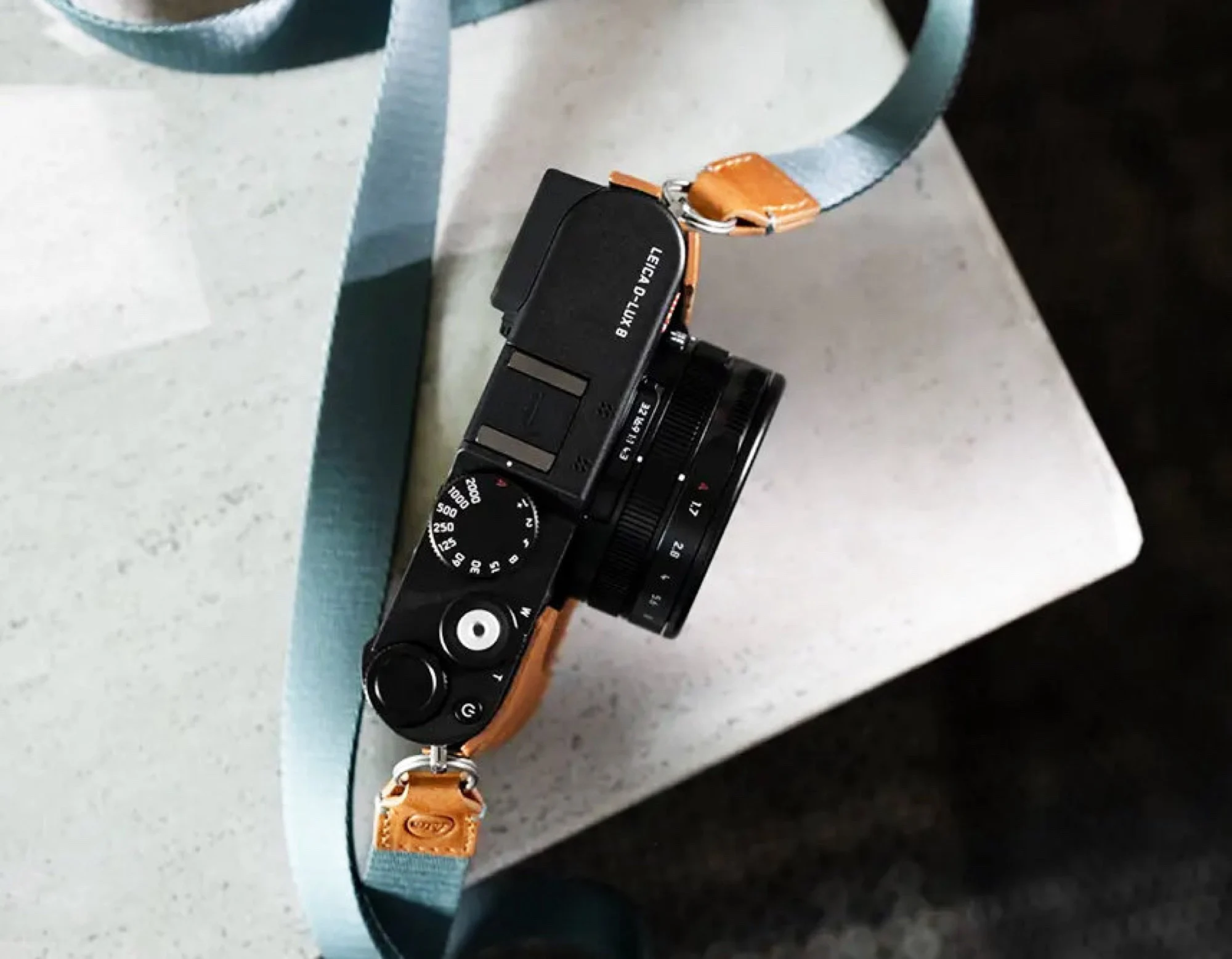
3. The Leica D-Lux 8 offers versatile features like a zoom lens and external flash support, making it a notable high-end compact camera despite outdated hardware.
High-End Smartphones and Their Impact on Photography
Smartphones are getting better and better at taking photos, especially in the high-end segment. But, with these advancements, their prices are also soaring. For instance, the Vivo X300 Ultra has a price tag of nearly €2,000 ($2,300) in some parts of the world. Despite packing two 200-megapixel cameras and advanced features, many full-frame cameras still cost less and often deliver superior image quality.
Choosing Compact Cameras in the Market
The market for compact cameras is shrinking because many people rely on their smartphones for everyday photography. If you prefer a device that’s small, versatile, and simple to operate, your options are limited. Most premium models like the Fujifilm X100 VI or Ricoh GR IV only have fixed lenses, making them less adaptable than a smartphone with multiple cameras. Cameras with zoom lenses tend to be less appealing because of tiny sensors that don’t compare well to modern smartphones.
Leica D-Lux 8 Features and Capabilities
One notable exception for high-end compact cameras is the Leica D-Lux 8. It pairs a micro FourThirds sensor with a zoom lens covering a 24-75mm equivalent focal length, with an aperture range of f/1.7 to f/2.8. This provides a 3.1x optical zoom. It also includes features like an electronic OLED viewfinder and compatibility with external flashes, which smartphones cannot match.
Ease of Use and Price Point
This camera supports automatic shooting modes, but experienced users can manually adjust aperture and shutter speed using dedicated dials, bypassing complicated menus. The Leica Photos app makes wireless photo transfer to smartphones straightforward. Priced at $1,915, the D-Lux 8 is actually more affordable than some flagship smartphones, making it an attractive option.
Limitations Due to Outdated Hardware
However, the D-Lux 8 isn’t without flaws. Its primary challenge lies in its aging hardware. Both the sensor and lens are from the Panasonic Lumix LX100 II, released back in 2018. Consequently, its resolution, dynamic range, and handling of image noise lag behind newer models. Additionally, the Wi-Fi connection uses outdated Wi-Fi 4, resulting in slower photo transfers to smartphones.
Performance and Video Capabilities
The autofocus system is sluggish, and the display doesn’t flip out for flexible shooting angles. Video recording is limited to 4K at 30 frames per second, and it lacks RAW video support, which many photographers desire. If Leica updates the D-Lux 9 with modern hardware and features without significantly increasing the price, it could become a compelling alternative to high-end smartphones. Such a modernization would enhance its appeal significantly, especially for those seeking a premium compact camera experience.
Leave a Reply