
Key Takeaways
1. Concerns about in-app purchases in free games targeting kids and teens, leading to high bills.
2. Legal guidelines in Germany state that kids under seven cannot legally make purchases, and those aged 7-18 need parental permission.
3. The EU’s Consumer Protection Cooperation Network requires clear price indications for in-game purchases to protect consumers, especially children.
4. Recommended preventive measures for parents include disabling in-app purchases, avoiding carrier billing, and using prepaid credits.
5. Awareness and education about in-app purchases are crucial, especially during major gaming events, rather than solely relying on legal actions against developers.
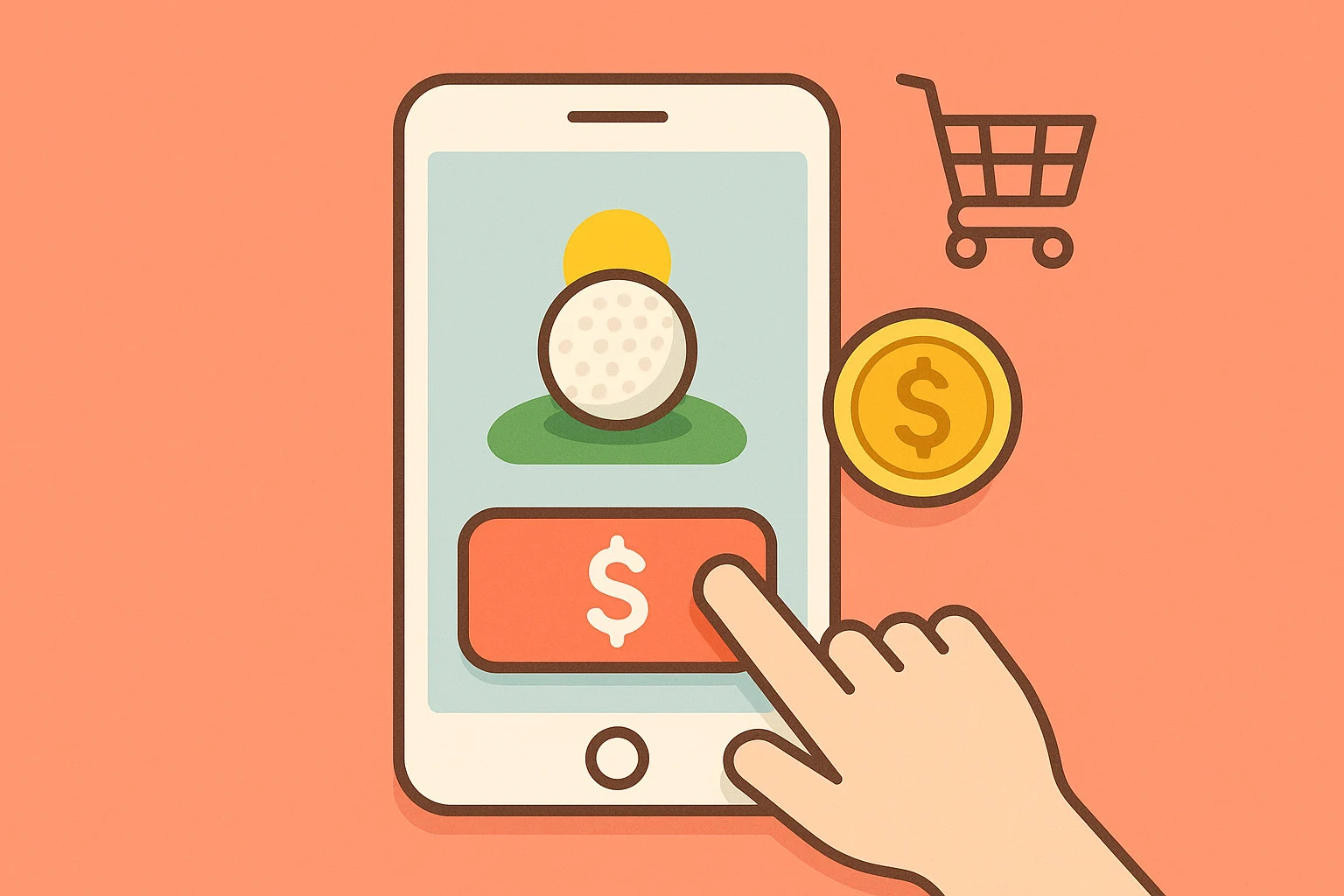
On the subject of in-app purchases, the European Consumer Centre Germany (EVZ) has raised concerns that many free games lure kids and teenagers into spending money via microtransactions and time-waiting mechanics. The centre has recorded instances where bills range from several hundred euros to even more than €1,200.
Expert Insight
Alexander Wahl from the EVZ legal team remarked on how these games persuade individuals to part with their money.
In Germany, kids younger than seven are deemed not legally capable, and those aged 7–18 need parental permission. The “pocket money clause” (§ 110 BGB) does not apply here. This clause states that a contract made by a minor can be valid if they use money given by their parents for personal use, but it doesn’t hold if the amount is excessively high or if a subscription is involved. The EVZ recommends that parents quickly object if unauthorized charges occur.
Regulatory Measures
At the regulatory side, the EU’s Consumer Protection Cooperation Network (CPC) has already put out guidelines requiring, among other things, that prices are clearly and transparently shown in real currency amounts: “Price indication should be clear and transparent.” These suggestions are designed to highlight the economic impacts of in-game currencies and to better safeguard vulnerable groups like children.
The practical steps mentioned by the EVZ involve technical and administrative actions, such as turning on password protection or entirely disabling in-app purchases, avoiding carrier billing (billing through mobile phone bills), and setting up a third-party block with the mobile provider. Additionally, using prepaid credits from app stores can help to manage spending. Another straightforward tip is to not save payment information on children’s devices.
Awareness and Education
The EVZ notes that this issue becomes particularly important during major gaming events like Gamescom, where free games with new monetization strategies are heavily advertised, leading to a spike in young subscribers. Nevertheless, the EVZ emphasizes that raising awareness and educating is more effective than engaging in legal battles with game developers.
Source:
Link
Leave a Reply