
Key Takeaways
1. Tungsten carbide-cobalt (WC-Co) is extremely hard, comparable to sapphire and diamond, but is costly and difficult to shape using traditional methods.
2. Researchers at Hiroshima University have developed a 3D-printing technique using hot-wire laser irradiation, which softens rather than melts the material.
3. Additive manufacturing allows for precise application of materials, reducing waste and improving efficiency in producing cemented carbides.
4. The team successfully addressed initial fabrication challenges by incorporating a nickel alloy layer and managing temperatures to prevent defects.
5. Future research aims to enhance the process to prevent cracking and enable the production of complex shapes for cutting tools.
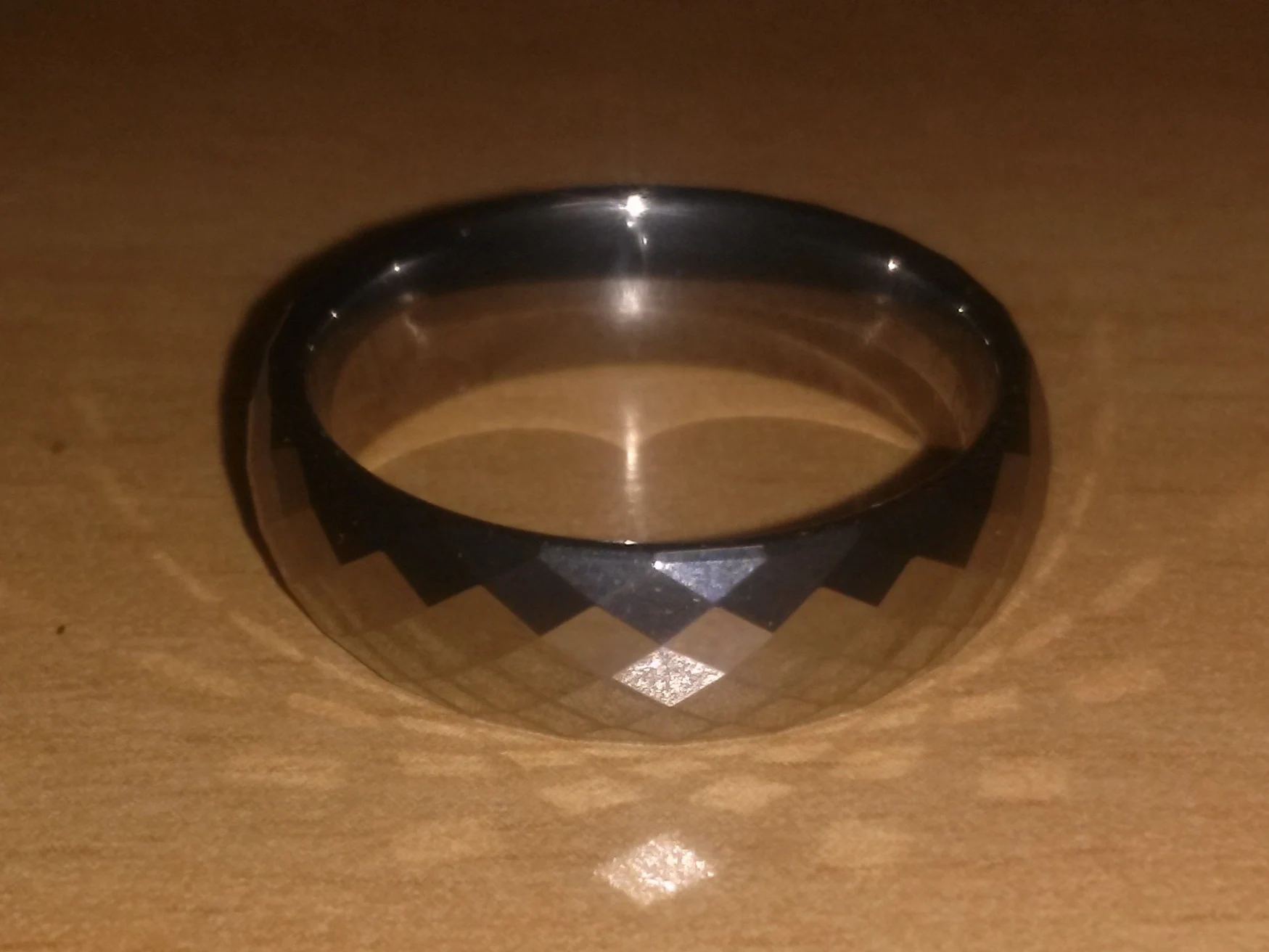
Tungsten carbide-cobalt (WC-Co) is a key player in the manufacturing world, known for its hardness that can compete with sapphire and diamond. Nonetheless, its remarkable strength also makes it quite costly and inefficient to shape through traditional powder metallurgy methods. Recently, a group of researchers at Hiroshima University has found a way to 3D-print this tough material while maintaining its renowned durability.
Innovative Technique
This research, featured in the International Journal of Refractory Metals and Hard Materials, employs a method known as hot-wire laser irradiation. Unlike conventional additive manufacturing, which may completely melt the feedstock, this technique merges a laser beam with a preheated filler wire, allowing the metals to be softened instead of melted.
Material Efficiency
Cemented carbides, although incredibly hard, are produced from costly raw materials like tungsten and cobalt, making it crucial to minimize material usage. By adopting additive manufacturing, cemented carbide can be applied precisely where needed, leading to a reduction in material waste. — Assistant Professor Keita Marumoto, who is the corresponding author of the study.
The team explored two fabrication orientations: rod-leading and laser-leading, but they initially encountered problems with defects and material breakdown. They overcame these challenges by adding a nickel alloy-based middle layer and carefully managing temperatures to remain above cobalt’s melting point while avoiding excessive grain growth. The outcome was a flawless material with a hardness exceeding 1,400 HV, which equals that of traditionally produced carbides.
Future Prospects
The researchers are currently focused on further improving the process to avoid cracking and enable the creation of intricate shapes, which could transform the manufacturing of cutting tools.
ScienceDirect
Source:
Link
Leave a Reply