
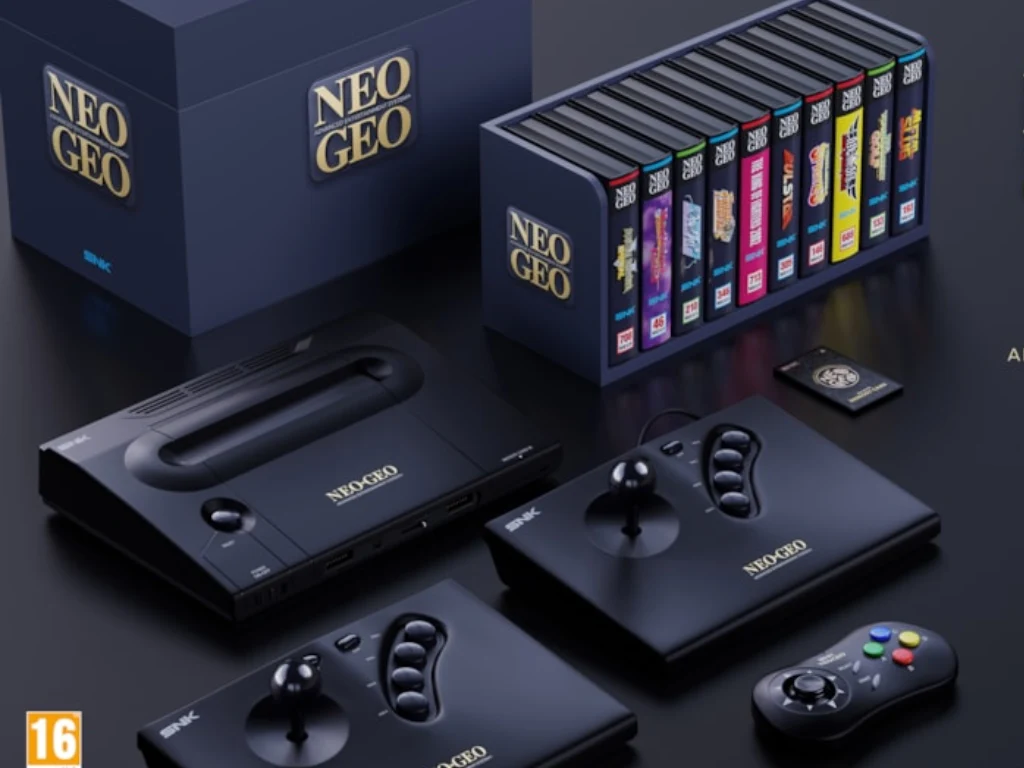
1. The Neo Geo AES+ is a modern, hardware-accurate reproduction of the original 1990s console, using custom ASIC chips instead of emulation or FPGA-based solutions.
2. Support from notable FPGA developers suggests the project aims to surpass emulation quality, but there are debates about whether ASIC-based hardware is truly superior.
3. Concerns have been raised that the use of ASIC chips may limit updateability, leading to skepticism about the long-term flexibility and authenticity of the console.
Neo Geo AES+ Rebirth Set for 2026
Mark the calendar for November 13, 2026, because the Neo Geo AES+ is plan to make its comeback with a modern twist, kinda like the original 1990s home console but with updated features. You can pre-order now, with the classic black edition costing around $250, and if you like that white anniversary look, that’s priced a bit higher. Honestly, it looks just like the old one from the outside, but underneath, things are quite different, even with some hints that it might use FPGA cores instead of the typical ASIC chips.
Specification and Hardware Details
Most importantly, Plaion clearly said that the Neo Geo AES+ isn’t just an emulation or a simplified FPGA version. They’ve gone as far as developing special new ASIC chips that are meant to perfectly imitate the hardware and software of the original console. This isn’t a cheap clone, but a serious effort to recreate every detail from scratch, or so they say.
Although Plaion did not originally reveal their team working on the project, well-known FPGA experts like Jotego and Furrtek have been involved, making sure things are on the right track with the custom ASICs. This is pretty significant because these names have a solid reputation in the retro gaming chip scene, giving some confidence that this recreated console might really come close to the real deal.
Expert Opinions and Industry Insights
Furrtek, who’s been recognized for creating tools like the Neo CD SD Loader and the Fusion Converter, expressed his excitement about the Neo Geo AES+. His post, which has now been deleted, stated, “The Neo Geo AES+ has every chance of being the best since SNK stopped making hardware. It might not be perfect, but it aims to outperform simple emulation, uphold the brand, and respect us fans.”
What he meant by “better,” is that this new hardware could do a lot more than just run software via emulation. However, some critics remain skeptical about whether this hardware approach actually surpasses emulation, and whether it justifies the hype, especially considering the price and effort involved.
Controversy Over FPGA vs ASIC Approaches
An FPGA developer, Pramod Somashekar, voiced concerns about what he calls a “bait and switch.” He explained on social media that what’s happening might be a simple MiSTer core, but split across multiple ASICs instead of running on a single FPGA. His main worry is about upgradability — since ASICs are hard-wired and immutable once made, unlike FPGAs, which can be reprogrammed to fix errors or improve features later down the line. So, if this hardware has a flaw, there isn’t much you can do about it, he argued.
Despite the controversy, the Neo Geo AES+ will be able to run both original cartridges and recent re-releases. It includes HDMI support for the latest TVs, and also supports retro displays via RGB, composite video, stereo sound, and region switches. Still, whether it can meet the high standards of the now very competitive retro gaming scene remains to be seen, especially in light of such questions from the community.
On the bright side, Furrtek is no stranger to the scene, and Jotego has earned respect for contributions to the FPGA community, giving fans some hope that this project might deliver on its promises despite the debates around hardware design choices.
Leave a Reply