
Key Takeaways
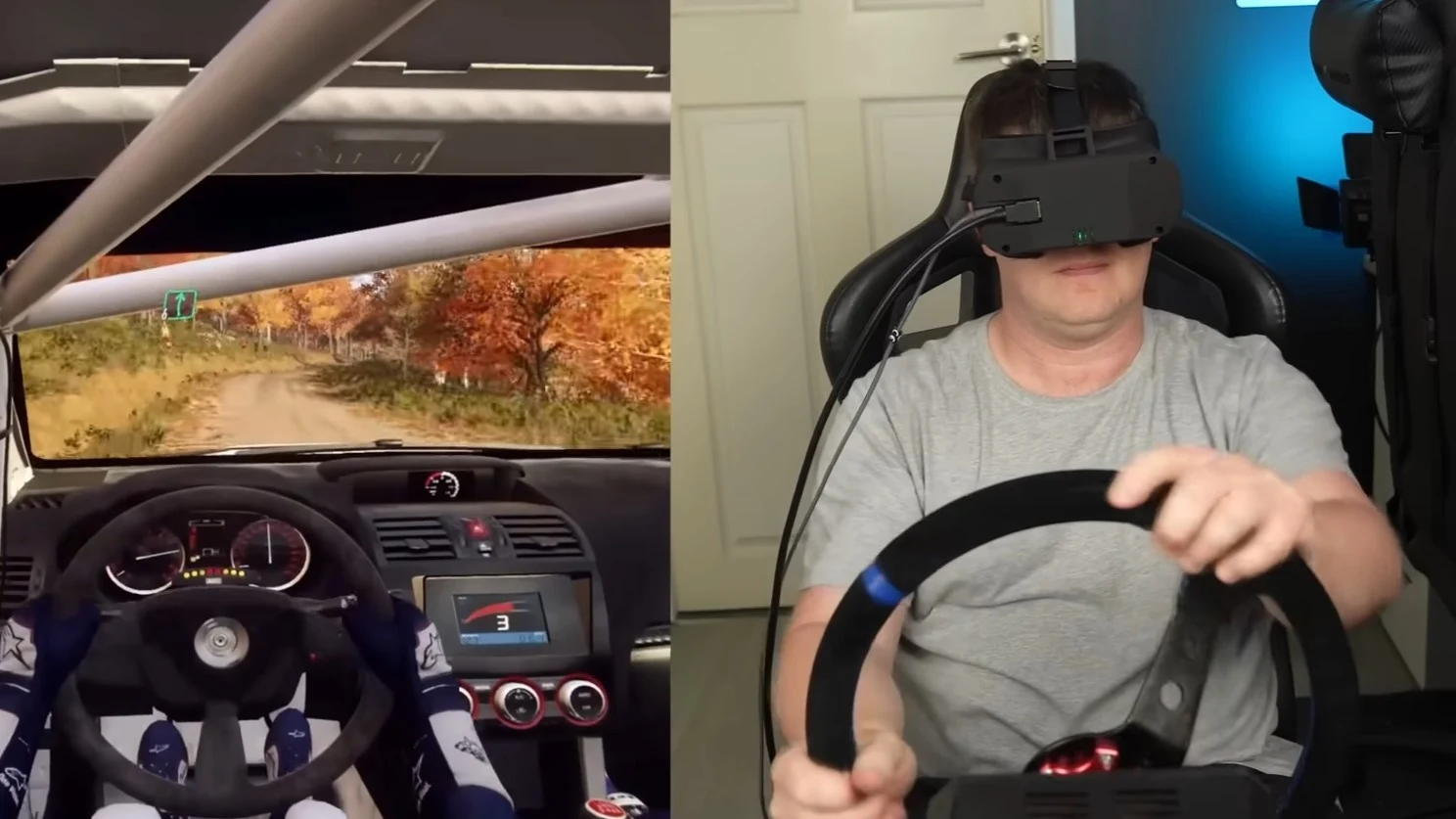
1. CNCDan created an affordable VR headset for about $150 using components from AliExpress and a 3D-printed casing, making the project open source.
2. The headset features two screens with a maximum resolution of 2880×1440p and a refresh rate of 90 Hz, along with adjustable IPD and head tracking capabilities.
3. The design focuses on essential features for sim racing, avoiding unnecessary options found in commercial VR headsets.
4. The headset operates at a maximum resolution of 60 Hz and supports only three degrees of freedom (3DoF) for tracking movements.
5. CNCDan used the open-source platform Relativty VR for software, with all resources available on his GitHub page.
YouTuber CNCDan recently crafted a VR headset using affordable components sourced from AliExpress and a 3D-printed casing. The entire project cost him around $150, and he has made it open source. Additionally, the video he posted on his channel serves as a comprehensive tutorial, illustrating every phase of the construction.
Components Used
Among the components he ordered online are two screens that reach a maximum resolution of 2880×1440p and a refresh rate of 90 Hz, along with two lenses, an IMU (Inertial Measurement Unit) sensor, and an Arduino microcontroller board. The remainder of the headset was created using 3D printing technology.
Features and Limitations
Regarding the features, CNCDan mentioned that he included only the essential options for sim racing. This decision was made because the commercial VR headsets offered many unnecessary features, which he would still have to pay for if he purchased them.
The headset comes with adjustable IPD, swappable faceplates, and head tracking capabilities. However, it does have some limitations — at its maximum resolution, it operates at just 60 Hz. Additionally, it supports only three degrees of freedom (3DoF), which allows for tracking of vertical and horizontal movements, as well as head tilting. He clarified that he didn’t see the need for 6DoF since 3DoF sufficed for his sim racing needs.
Software Used
For the software aspect, he opted for Relativty VR — an open-source VR platform he discovered online. All the necessary resources can be found on his GitHub page.
Source:
Link

Leave a Reply