
Key Takeaways
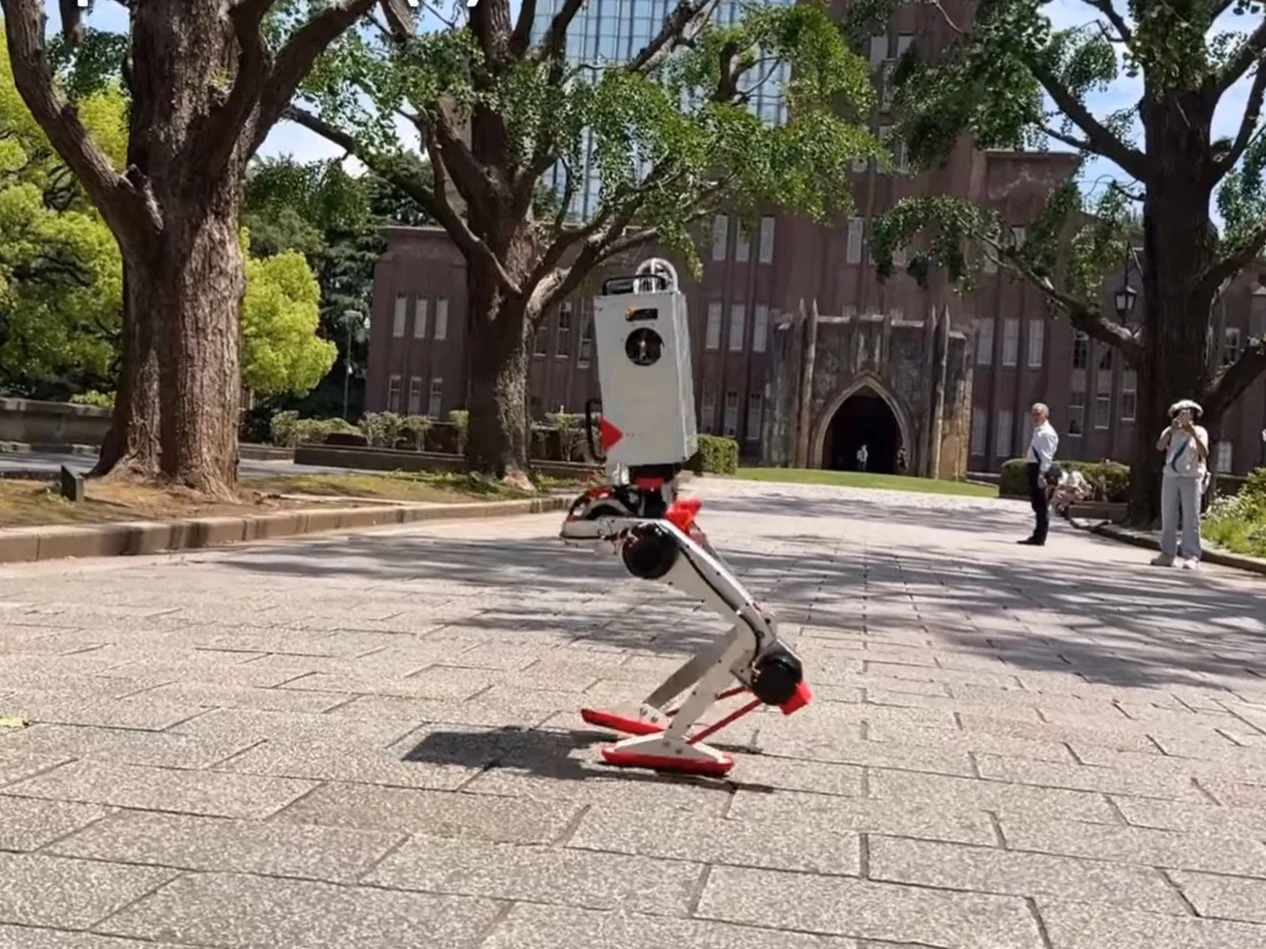
1. The JSK Robotics Laboratory has developed an open-source two-legged robot to make advanced robotics more accessible for DIY enthusiasts.
2. The robot’s design uses sheet metal welding techniques, reducing the number of parts to only 18 distinct metal components.
3. Mevita is designed for ease of use, with all parts easily obtainable online and modifiable.
4. The robot features advanced functionality, including an AI control system for navigating uneven surfaces and LiDAR technology for improved navigation.
5. The project is entirely open-source, with all related software, training environments, and CAD models available on GitHub.
Engineers at the JSK Robotics Laboratory, part of the University of Tokyo, have created an innovative open-source two-legged robot aimed at making advanced robotics more accessible. This initiative seeks to address a common issue in the DIY robotics world — the choice between delicate 3D-printed components and sturdy metal kits that are often too intricate to put together.
Innovative Solutions with Metal
To tackle this challenge, the team employed sheet metal welding techniques to fuse complex shapes into cohesive parts. This approach successfully minimized the total number of pieces needed for the robot. Aside from the mirrored components, there are only 18 distinct metal parts in the robot’s design.
Designed for Ease of Use
The robot’s design is focused on simplicity and user-friendliness. The researchers constructed Mevita so that every part — including its servo motors and specially designed structural links — can be easily obtained from online shopping sites and modified with little effort. They specifically relied on Misumi and its manufacturing platform, meviy, to source the components for the robot.
Advanced Functionality
Despite its straightforward design, this robot is very capable. It utilizes an AI control system that was trained using reinforcement learning in a simulated environment, enabling it to walk over uneven surfaces and grassy areas. Additionally, it features LiDAR technology and an IMU (Inertial Measurement Unit) for enhanced navigation.
This project is entirely open-source, making it a fantastic opportunity for DIY enthusiasts. All software, training environments, and CAD models related to the robot can be found on GitHub.
Source:
Link

Leave a Reply