
Key Takeaways
1. New missions, like the Starship to Mars, mark rapid advancements in space exploration, but interstellar travel remains largely unexplored.
2. Alpha Centauri, home to the potentially habitable exoplanet Proxima Centauri B, is the primary target for future interstellar missions.
3. The Chrysalis spacecraft, designed to accommodate up to 2,400 people, is being developed for long-duration space travel to Alpha Centauri.
4. Chrysalis features sustainable living elements, including farms and artificial gravity, to support passengers during the 400-year journey.
5. Building advanced spacecraft like Chrysalis presents significant technological challenges, while more immediate missions, such as Artemis, focus on lunar exploration.
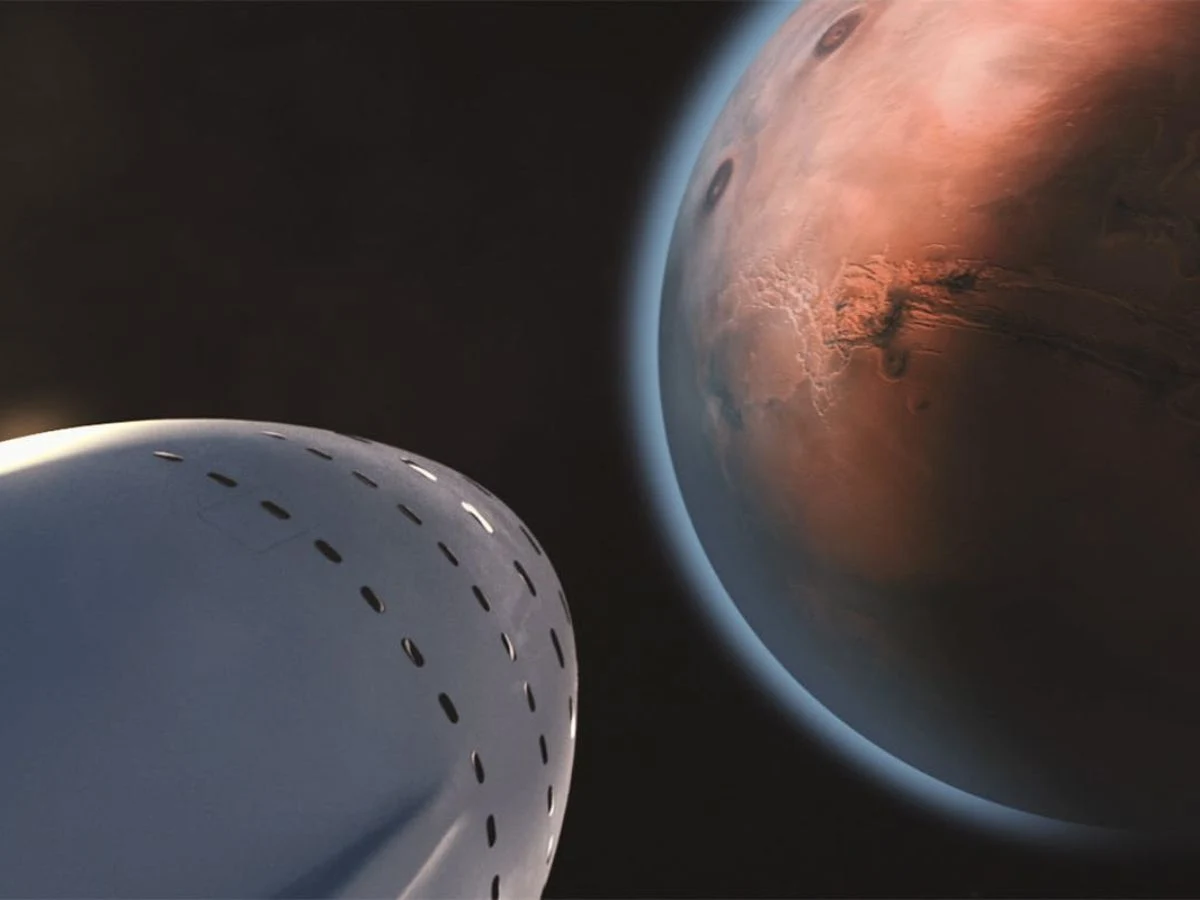
The exploration of space has been rapidly changing in the past few years, with new missions on the horizon, including the Starship that is set to launch to Mars in the upcoming years. Yet, despite the advancements in solar system travel, interstellar journeys remain largely uncharted territory. To address the numerous hurdles, a group of researchers has conceptualized a spacecraft tailored for these ambitious missions.
Targeting Alpha Centauri
When discussing interstellar expeditions, Alpha Centauri naturally comes to mind as the primary target. This stellar system stands as the nearest to Earth, hosting Proxima Centauri B, an exoplanet nestled within the habitable zone of its star, which raises the intriguing possibility of life existing there.
The Journey Ahead
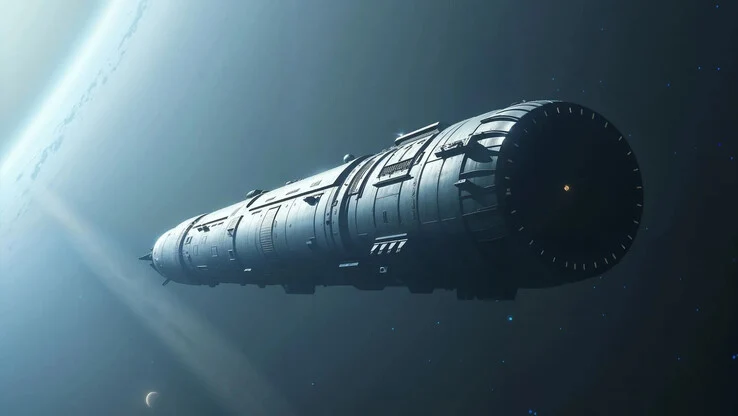
The trek to this distant planet is formidable, estimated to take nearly 400 years, requiring a spacecraft that meets various needs. The Chrysalis has emerged as a fitting option for this adventurous mission. Developed by a team that clinched the top prize in the Hyperion competition, this spacecraft boasts a design reminiscent of Russian nesting dolls and has the capacity to accommodate up to 2,400 individuals.
Sustainable Living in Space
Chrysalis is engineered to thrive sustainably, featuring farms to fulfill the essential needs of its passengers. Additionally, it replicates Earth-like environments, such as forests. The management of food, energy, and human resources would be overseen by artificial intelligence, ensuring equilibrium throughout the lengthy voyage.
When venturing into space, the absence of gravity is a significant consideration, as it plays a crucial role in human health. To combat this issue, the spacecraft has the capability to produce artificial gravity through rotation, thereby mitigating various health complications.
Challenges Ahead
While these concepts may spark excitement, it’s essential to bear in mind that building such a vessel poses an immense technological challenge. Currently, more pressing missions are in the pipeline, including Artemis, which aims to facilitate humanity’s return to the Moon and establish a base there.
Source:
Link
Leave a Reply