
Key Takeaways
1. NUDT has developed a tiny drone measuring 0.51 inches, suitable for military reconnaissance and special operations.
2. The micro drone features two wings for flight and three legs for landing, distinguishing it from larger drones like the Norwegian Black Hornet.
3. Potential civilian uses include air and water quality checks, industrial site inspections, and search and rescue operations.
4. The drone faces challenges such as limited battery life and the need for advancements in sensors and data transmission.
5. Effective deployment, especially in swarms, requires significant technological improvements.
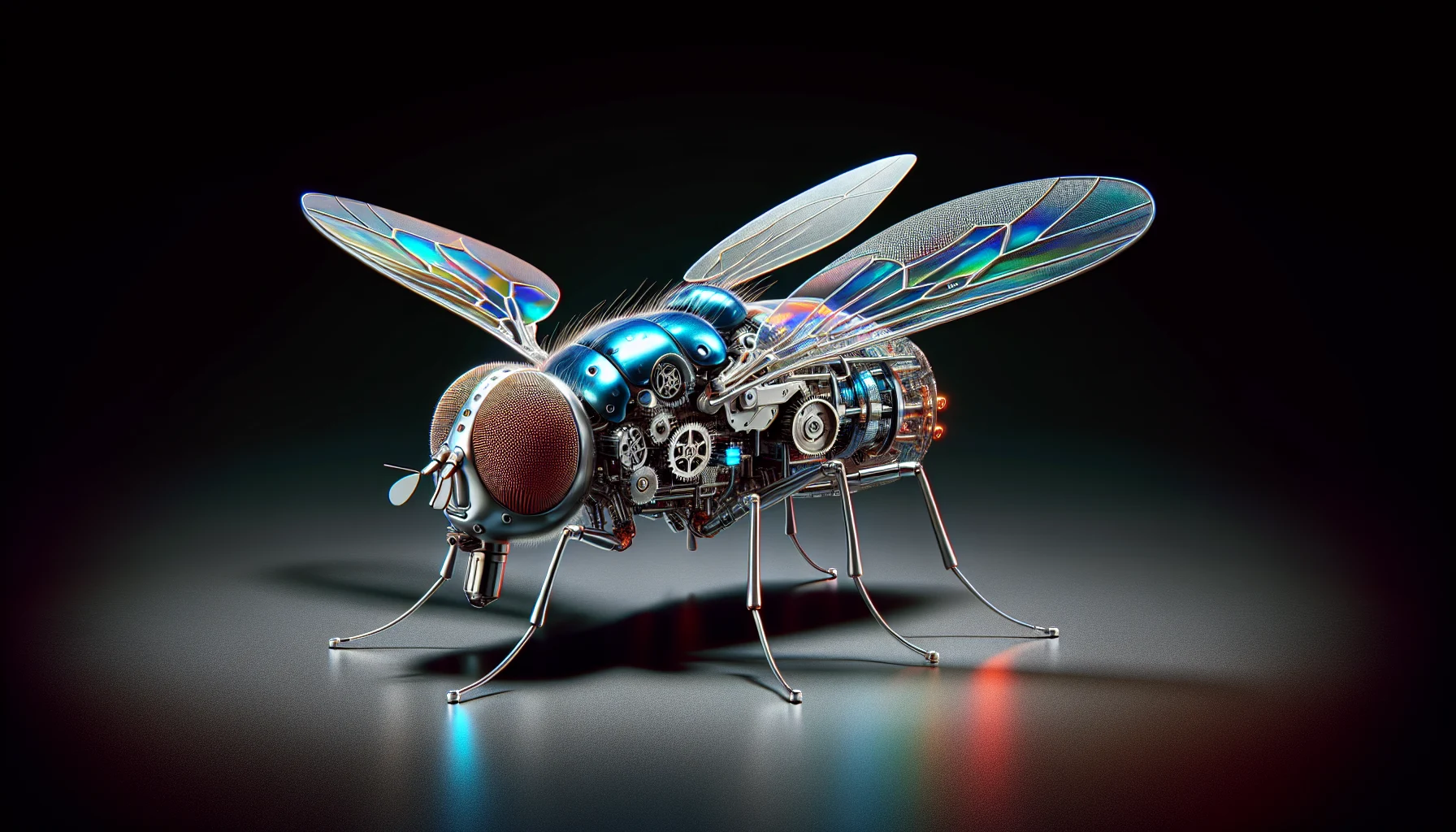
China’s National University of Defense Technology (NUDT) located in Changsha, Hunan Province, has recently introduced a minuscule drone that is just a bit bigger than a fly. The drone was first showcased in a report on the military channel CCTV 7, where a doctoral student from NUDT held it carefully between their fingers. They noted that this drone is “particularly well-suited for reconnaissance and special operations in the battlefield.”
Specifications and Comparisons
The micro drone is said to measure only 0.51 inches long and has two blade-like wings that help it fly. Additionally, it has three super thin legs that act like tiny landing gear. According to the South China Morning Post, it can be compared to the Norwegian Black Hornet, which is a reconnaissance drone utilized by British, U.S. and German military forces. Yet, the Black Hornet is much bigger, measuring around 10 centimeters long.
Potential Uses Beyond Military
This little flying robot is expected to be useful for secret military tasks—like scouting behind enemy lines, watching sensitive areas, or marking targets. However, the creators also highlight its possibilities for civilian applications, such as checking air and water quality, inspecting hard-to-reach industrial sites, or finding people trapped under debris.
Challenges Ahead
Even with these exciting possibilities, the real-world usefulness of the tiny drone is still unclear, mainly because its power source is a significant challenge. Insect-sized lithium polymer batteries only give enough energy for a few seconds to a couple of minutes of flying time at most. There are also hurdles like shrinking sensors, data transmission systems, and control electronics. Major advancements are needed before these types of drones can be used effectively—especially when deployed in swarms.
Source:
Link
Leave a Reply