
Key Takeaways
1. China successfully launched its reusable experimental spacecraft for the fourth time, showcasing advancements in its space program.
2. The spacecraft, named “Shenlong” by fans, parallels the US Space Force’s X-37B and emphasizes China’s commitment to orbital control technology.
3. The launch was conducted from the Jiuquan Satellite Launch Center using a Long March-2F rocket, although specific mission details were not disclosed.
4. The operational duration of the spacecraft has significantly increased, with recent missions lasting 276 and 268 days compared to just two days for the first mission in 2020.
5. China and the United States are currently the only countries with reusable spaceplanes, following the retirement of the US Space Shuttle in 2011.
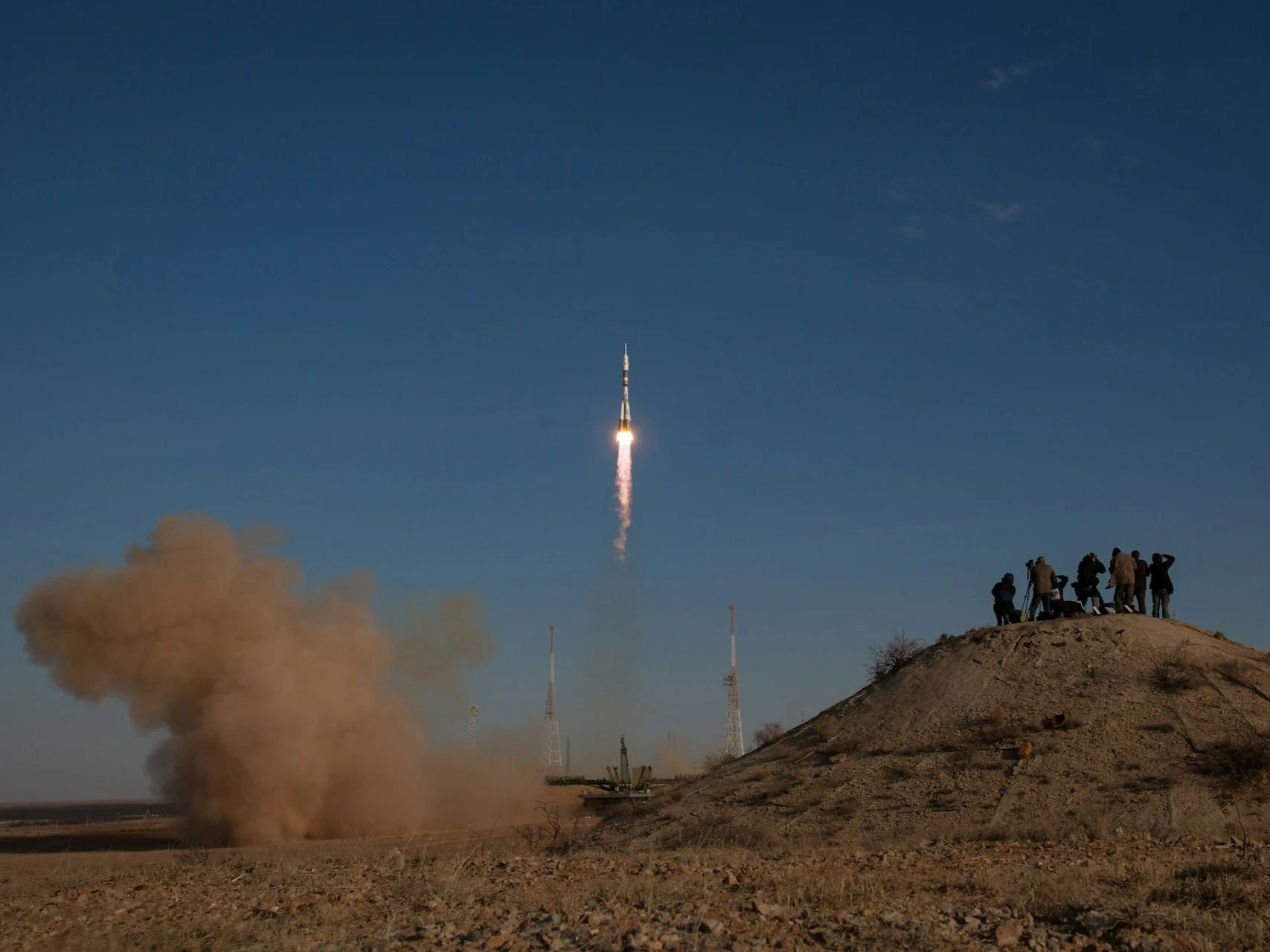
China has successfully launched its reusable experimental spacecraft for the fourth time, making strides in a program that mirrors the United States’ abilities in orbital control. The secretive craft lifted off on Saturday from the Jiuquan Satellite Launch Center located in Northwest China, riding on a Long March-2F rocket.
Launch Details
While state media announced that the launch aimed for “technology verification” and the “peaceful use of outer space,” there was no information shared on photos, specific launch timings, or mission details. In spite of this lack of transparency, Chinese space fans have affectionately named the spacecraft “Shenlong,” meaning “Divine Dragon,” seeing it as a rival to the US Space Force’s X-37B.
Mission Progression
This latest launch shows a trend of enhanced operational duration. The program originally started in September 2020, with its first mission lasting merely two days. In comparison, the second and third missions, which took place in 2022 and 2023, remained in orbit for 276 and 268 days, respectively.
Current Landscape
As of now, China and the United States are the only nations operating reusable spaceplanes, especially after the US Space Shuttle was retired in 2011. The US X-37B is currently ahead in this domain, having initiated its eighth mission last August to examine quantum inertial sensors and high-bandwidth laser connections.
Source:
Link
Leave a Reply