
Key Takeaways
1. Jiangnan Shipyard plans to build the first nuclear-powered container ship, designed to carry 25,000 containers, with construction potentially starting by 2035.
2. The ship will utilize a thorium-based molten salt reactor, a fourth-generation nuclear system that offers long-term power and eliminates carbon emissions.
3. This initiative supports the strategic goals of Jiangnan’s parent organization, China State Shipbuilding Corp (CSSC), to enhance its market position amid declining new orders.
4. The development aims to revolutionize the shipping industry by enabling faster speeds and longer journeys without refueling.
5. Significant challenges remain, including the lack of established regulations for commercial nuclear shipping and uncertainties regarding governmental oversight.
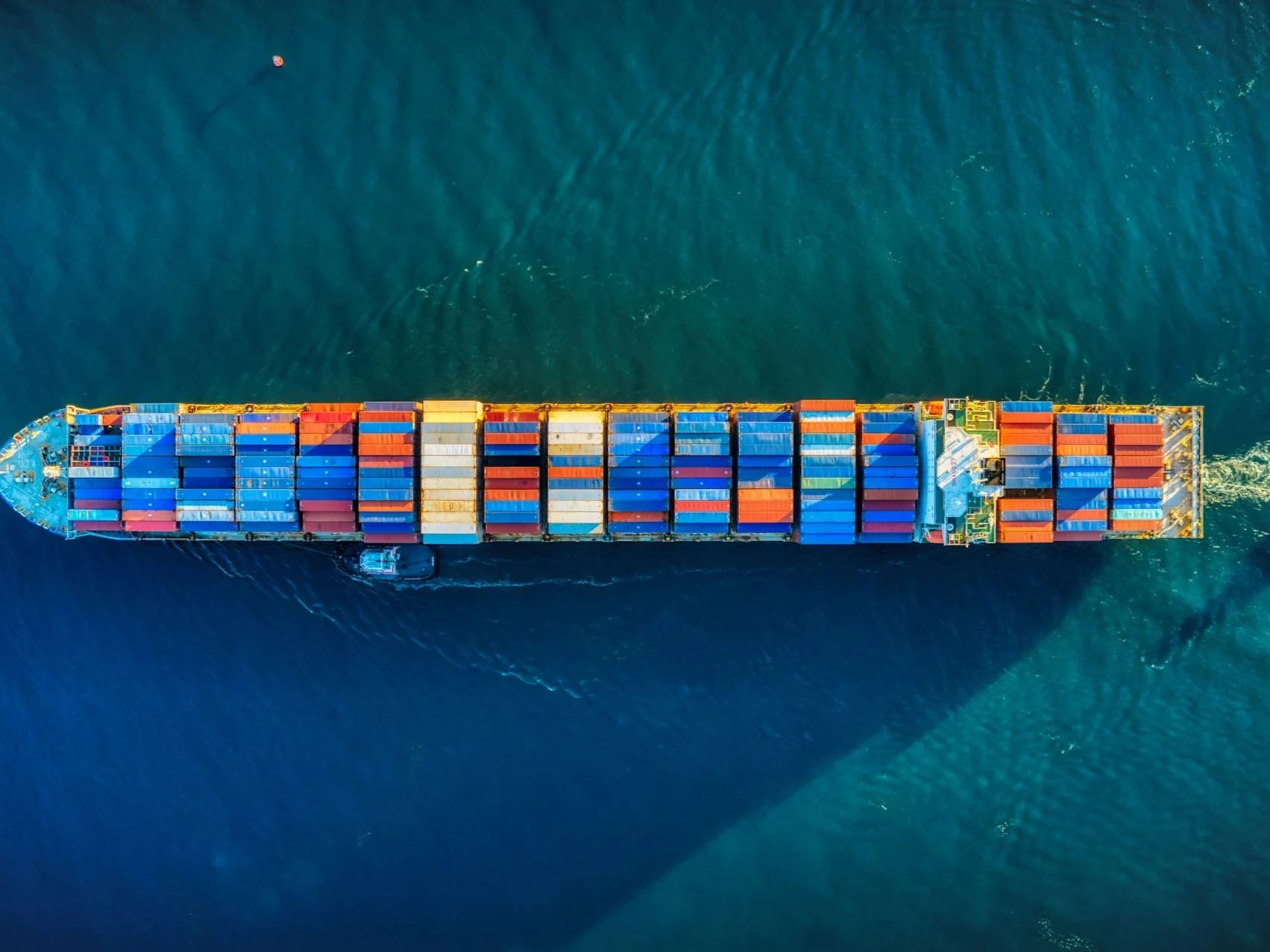
China’s Jiangnan Shipyard is setting sail on an innovative journey in the maritime sector by planning to build the first-ever nuclear-powered container ship. Lin Qingshan, the vice president of the Shanghai-based shipyard, stated that they are in the design phase of a massive vessel capable of carrying 25,000 containers. Construction could potentially commence by the year 2035.
Revolutionary Technology
The envisioned ship will feature a thorium-based molten salt reactor, a cutting-edge fourth-generation nuclear system that generates 200 megawatts and is designed to last 40 years. While nuclear power is already used in military submarines and aircraft carriers, its application in commercial shipping would be unprecedented. This technology has the potential to transform the shipping industry by enabling faster speeds, longer distances without the need for refueling, and completely eliminating carbon emissions.
Strategic Shift
This move towards advanced technology aligns with the goals of Jiangnan’s parent organization, China State Shipbuilding Corp (CSSC), as it aims to enhance its position within the industrial value chain. The initiative for modern technologies, which also encompasses new deep-sea drilling vessels and luxury cruise ships, comes as the market faces increased pressure. Recent reports show that new orders for Chinese shipyards fell by 61% in the third quarter of 2025.
Challenges Ahead
Despite these ambitions, Lin pointed out that there are significant hurdles to overcome. The regulations governing commercial nuclear shipping are still not established, and it is uncertain which governmental agencies would have the power to sanction the use of this technology in civilian shipping operations.
Source:
Link
Leave a Reply