Category: Video / Photo

  • Fujifilm X-E5 Leak: Tips for Ergonomics in Compact APS-C Camera

    Fujifilm X-E5 Leak: Tips for Ergonomics in Compact APS-C Camera

    Key Takeaways

    1. The Fujifilm X-E5 features improved design with a more pronounced grip for better handling, addressing feedback from the X-E4’s minimalistic design.
    2. Enhanced control options include an MCS switch for quick focus mode changes, a viewfinder selector similar to the X100VI, and a diopter adjustment dial.
    3. The camera retains a customizable dial above the grip for personalized settings, similar to previous models.
    4. A new film simulation dial is expected, adding to the versatility of the camera alongside existing exposure compensation and shutter speed dials.
    5. The X-E5 aims to be a strong APS-C alternative to the X100VI, with a focus on user-friendly features and functionality.


    As the June 12 release date for the Fujifilm X-E5 gets closer, new information about the upcoming compact APS-C camera is becoming more frequent. The latest details, shared by Fuji Rumors, include what appear to be promotional images of the X-E5, showcasing some useful new design and control options for this compact mirrorless camera.

    Design and Ergonomics Improvements

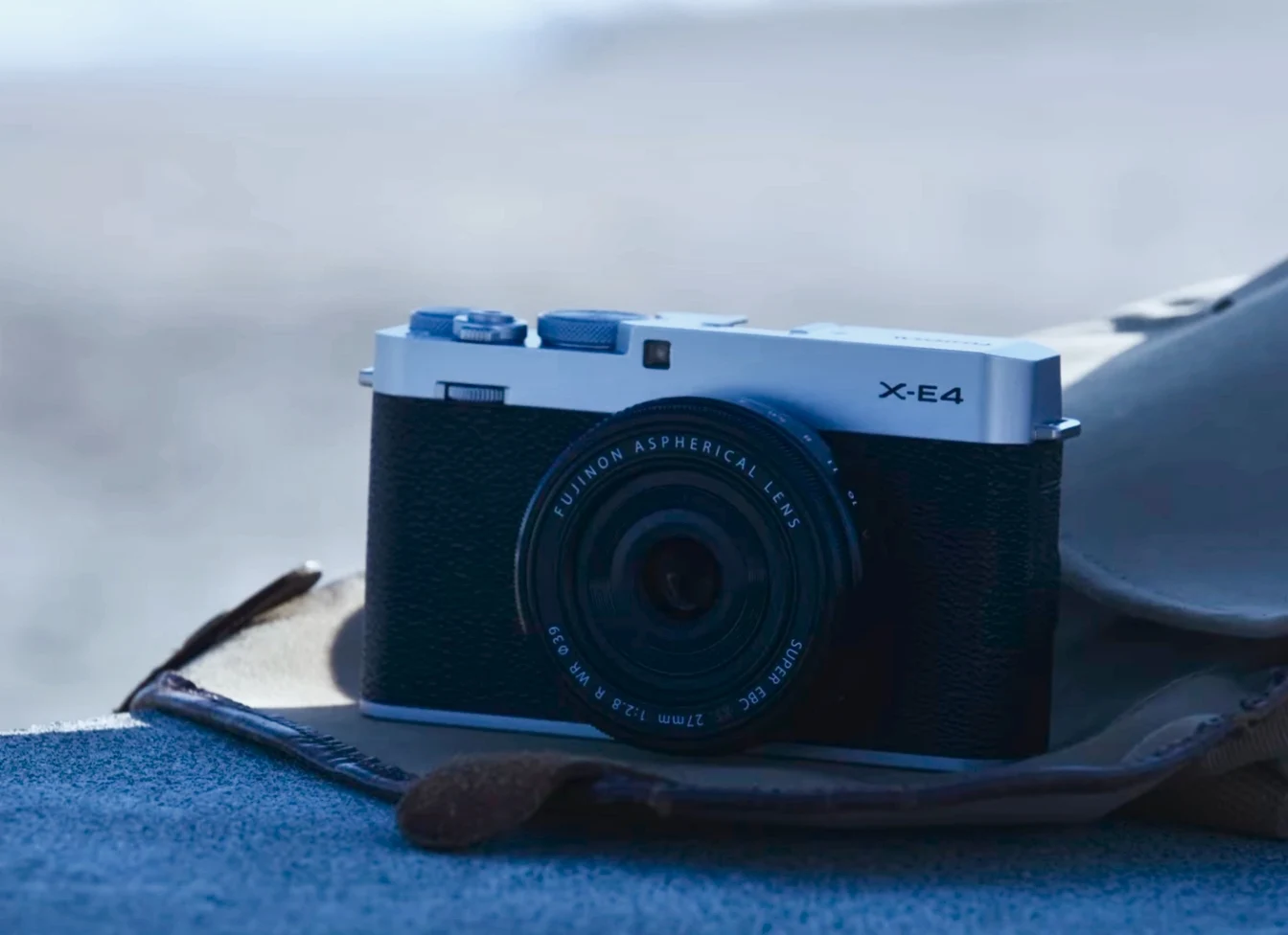
    Fujifilm’s X-E4 faced a lot of backlash from fans who thought it leaned too heavily into minimalism, providing very few tactile controls compared to other Fujifilm models. However, the newly leaked images of the X-E5 indicate that the brand has listened to this feedback regarding design and user experience. One significant change noted in the leaks is the more pronounced grip on the camera’s front. This alteration stands in stark contrast to the flat design of the X-E4, promising a less slippery hold that should benefit users with heavier, longer lenses—something that photographers who favor vintage lenses will likely appreciate.

    Enhanced Control Features

    In addition to the grip improvement, there are other noticeable updates to the hardware controls. The new features include an MCS switch for swiftly changing focus modes, a viewfinder selector that looks just like the one on the X100VI (currently priced at $2,399.95 on Amazon with a bundle), and what seems to be a diopter adjustment dial for the viewfinder located on the left side of the camera. Like the X-E4, there is also a customizable dial situated on the front of the camera, right above the grip.

    Versatility in Functionality

    Moreover, with the previously leaked film simulation dial that will likely complement the existing exposure compensation and shutter speed dials, these recent image leaks suggest that the Fujifilm X-E5 is shaping up to be a rather adaptable APS-C alternative to the X100VI. The combination of these features indicates that this camera could be a strong contender in its category.

    Source:
    Link

  • Vidda C3 Pro: Order 4K Laser Projector with 2,800 Lumens Now

    Vidda C3 Pro: Order 4K Laser Projector with 2,800 Lumens Now

    Key Takeaways

    1. The Vidda C3 Pro is priced at $1,975 and available through import channels, with free shipping to many areas, including Europe.
    2. Warranty services may be challenging to claim, which is a significant drawback given the product’s high cost.
    3. The projector features three lasers for 110% BT.2020 color spectrum coverage and has a brightness rating of 2,800 CIVA lumens.
    4. It offers a 3840 x 2160 resolution, likely using pixel shifting, but maintains good picture quality with a Delta E of under 0.9.
    5. Additional features include a zoom lens, automatic focus, keystone correction, wall color adjustment, and smart TV capabilities, supporting projection sizes from 80 to 300 inches.


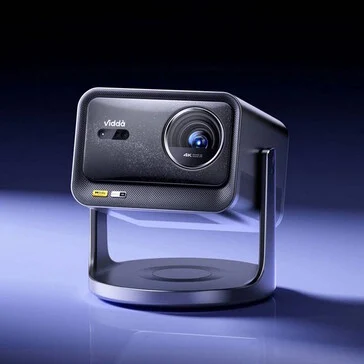
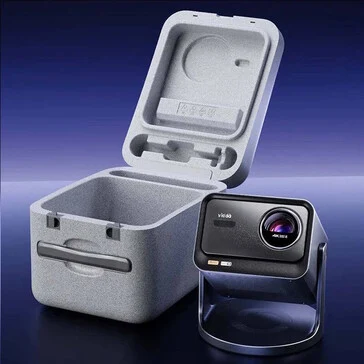
    The Vidda C3 Pro can now be ordered through import channels. You can find the device priced at $1,975 on Banggood, which offers free shipping to many areas, including Europe. However, it’s important for consumers to note that claiming warranty services might be challenging, which is a significant drawback, especially considering the high cost of the product.

    Features and Performance

    Moving on, the C3 Pro boasts three separate lasers that enable it to display a wide array of colors. It achieves 110% coverage of the BT.2020 color spectrum, and its brightness is officially rated at 2,800 CIVA lumens. Users can expect great color precision, with a Delta E of under 0.9, which is impressive for this type of device.

    Resolution and Quality

    The projector has a resolution of 3840 x 2160 pixels, but it likely employs pixel shifting to reach this 4K output, a technique common in this price bracket. Thankfully, this typically doesn’t lead to a noticeable drop in picture quality, which is a relief for potential buyers.

    Additional Features

    Included is a zoom lens that lets users adjust the projection ratio from 0.9:1 to 1.5:1, simplifying the setup process. It also offers automatic focus and keystone correction, along with the ability to identify and avoid obstacles. A unique feature is its capacity to adjust for wall colors, making it ideal for makeshift projection surfaces. Vidda claims that it supports projection sizes spanning from 80 to 300 inches. Moreover, it incorporates various smart TV capabilities, meaning this 4K laser projector can function without needing an outside media player or additional devices.

    Source:
    Link


  • Fujifilm Teases X-E5 Launch Amid X100VI Dial Redesign Leaks

    Fujifilm Teases X-E5 Launch Amid X100VI Dial Redesign Leaks

    Key Takeaways

    1. Fujifilm’s X-E5 is expected to be announced on June 12, with specifications similar to the X100VI.
    2. The film simulation dial on the X-E5 will not replace existing exposure compensation and shutter speed dials from the X-E4.
    3. The new film simulation dial will be redesigned and different from those on the X-M5 and X-T50.
    4. User feedback has highlighted dissatisfaction with the current film simulation dial’s limited customization options.
    5. The redesigned dial for the X-E5 is anticipated to evolve based on user input while maintaining the overall concept.


    Fujifilm’s X-E5 has been the subject of several leaks as it approaches its launch, with the latest information hinting at an announcement on June 12. These leaks indicate that the camera’s specifications will be similar to those of the X100VI. Fujifilm has hinted at this announcement date and shared a teaser on social media showcasing its current retro rangefinder-style cameras like the X100VI and X-Pro series. This has led many to speculate that the anticipated X-E5 will indeed be revealed during the X Summit on June 12.

    Film Simulation Dial Insights

    Numerous leaks have emerged regarding the film simulation dial on the Fujifilm X-E5. Recent reports from Fuji Rumors state that the new dial will not replace the existing exposure compensation and shutter speed dials that are present on the X-E4, suggesting these features will return in the new model. Furthermore, it has been claimed that the X-E5 will have a newly designed film simulation dial, which will be different from what is found on the X-M5 and X-T50 (currently priced at $1,399 on Amazon).

    User Feedback and Customization

    Since the introduction of the film simulation dial on the X-T50, there has been considerable chatter about it, with many users expressing dissatisfaction regarding its limited customization options. Some users even questioned Fujifilm’s understanding of why their customers appreciate film simulations if they weren’t going to allow the addition of custom film recipes to the dial. Although the exact details of the redesigned dial remain uncertain, Fuji Rumors suggests it will represent an “evolution” of the current design, indicating that Fujifilm might consider user feedback and make slight adjustments while retaining the overall concept.

    Source:
    Link

  • Affordable LSRC S-X1 GPS Drone Priced at Only $128

    Affordable LSRC S-X1 GPS Drone Priced at Only $128

    Key Takeaways

    1. The LSRC S-X1 is a budget-friendly drone priced at $128, plus $4 shipping to the US.
    2. It has a flight time of about 23 minutes and a battery charging time of 120 minutes.
    3. The controller features a 5.9-inch display for viewing images captured by the drone.
    4. The drone includes a GPS module for one-button return to the takeoff point.
    5. The camera offers Full-HD resolution and is mounted on a gimbal for better flexibility.


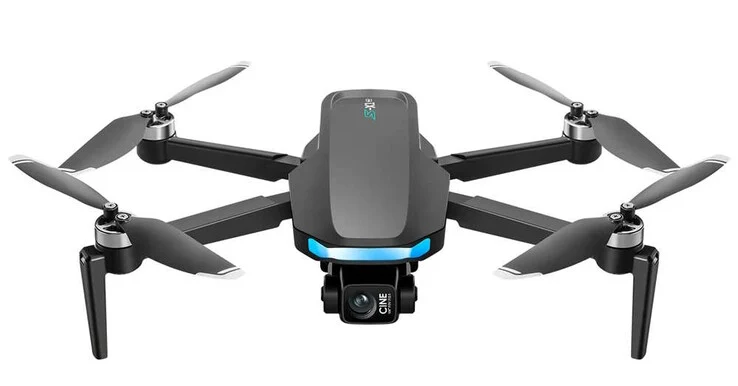
    We’ve shared information about several budget-friendly drones that can be good substitutes for pricier DJI models, which start at $199 on Amazon. The LSRC S-X1 is one of those options and is currently available for import on Banggood priced at $128, plus an additional $4 for shipping to the US. As with many imports, buyers might face longer delivery times and should be cautious about the limited customer service and possible import fees.

    Features of the LSRC S-X1

    This economical drone weighs 237 grams and provides a flight time of around 23 minutes. The battery requires about 120 minutes for a complete charge. The controller features a 5.9-inch display, allowing users to view the images captured by the drone. It can send pictures over a distance of up to 3,280 feet.

    GPS and Camera Quality

    According to LSRC, the S-X1 is equipped with a GPS module, enabling the drone to return to its takeoff point with just one button press. However, the camera only supports Full-HD resolution, which is significantly less than the 4K camera sensors found in higher-end drones. Still, the camera can move since it is mounted on a gimbal, providing some flexibility.

    Source:
    Link


  • Microsoft Launches Bing Video Creator in Bing Mobile App

    Microsoft Launches Bing Video Creator in Bing Mobile App

    Key Takeaways

    1. Microsoft has launched Bing Video Creator in its mobile app, allowing users to create videos from text prompts using OpenAI’s Sora AI for free.
    2. The service offers two speed settings for video generation: standard (unlimited) and fast (limited to 10 credits, with more available through Microsoft Rewards).
    3. Videos have a 9:16 aspect ratio, a maximum duration of 5 seconds, and are watermarked to indicate AI generation, with a 90-day download period before deletion.
    4. While AI technology for video creation is advancing, some outputs may appear strange or nonsensical, highlighting the need for further refinement.
    5. Users can expect better results with image generation, as that technology has been more thoroughly developed compared to video generation.


    Microsoft has introduced Bing Video Creator in its Bing mobile app, enabling users to create videos from text prompts at no cost, leveraging a modified version of OpenAI’s Sora AI. This video creation feature will soon be available on the Bing website and other platforms.

    Speed Options and Credits

    The service comes with two generation speed settings: standard and fast. Users are granted 10 fast credits for video creation. While an unlimited number of videos can be made on the standard speed setting, using the fast option beyond the initial credits relies on users earning more Microsoft Rewards points. For every hundred points earned, users can create one additional video.

    Video Specifications

    All videos produced through Bing Video Creator are restricted to a 9:16 aspect ratio and have a maximum duration of five seconds. Users can download their videos for a period of 90 days before they are automatically deleted, and each video is watermarked in accordance with C2PA standards to signify that they are AI-generated. This also means that videos, including those promoting LGBT content, can be traced back to their original creators.

    AI Advancements

    The technology behind AI text-to-video generation has progressed quickly, allowing current AI to transform written scenarios into realistic videos. However, as these models are still being refined, some outputs may display oddities. The Sora AI utilized in BVC has implemented restrictions to avoid the creation of harmful or unsafe content, but this seems to hinder its capacity to depict common actions accurately.

    In trials to produce videos of a dog drinking from a bowl, a cat grooming itself, and an anime girl savoring ice cream, the results were often nonsensical or failed to capture the intended activity. In contrast, a rival service, SuperMaker.AI, successfully generated videos that accurately portrayed the intended actions without bizarre visuals.

    Image Generation Expectations

    Users can anticipate more satisfactory results when generating images, as that AI technology has had more time for refinement. A book available on Amazon showcases numerous instances of the realistic art that AI can produce today.

    Source:
    Link


  • World’s Most Powerful Handheld Laser Can Melt Titanium

    World’s Most Powerful Handheld Laser Can Melt Titanium

    Key Takeaways

    1. StyroPyro created a handheld laser, called Laser 2025, that is 50,000 times more powerful than legal 5 mW pointers in the U.S.
    2. The laser’s design includes parts from a modified radar gun and uses advanced electronics, including a customized CPU water-cooling system.
    3. The 250-watt output of the laser allows it to easily melt materials like wood, plastic, and even titanium.
    4. The laser can produce rubies from aluminum oxide and chromium oxide and can melt pennies, showcasing its incredible power.
    5. StyroPyro emphasizes responsible usage and safety precautions, highlighting the risks of cheap online lasers that may seem legal but are dangerous.


    YouTuber and chemist Drake Anthony, known as StyroPyro, has taken on a daring challenge: to create a handheld laser that is 50,000 times as powerful as the 5 mW pointers allowed in the United States. His creation, called Laser 2025, merges do-it-yourself parts with advanced electronics, and he revealed it in a video on May 31. This video quickly gained popularity, racking up over 2.8 million views and sparking a mix of “mad scientist” jokes and genuine amazement in the comments.

    Innovative Design

    The casing for the device is made from a modified radar gun, while the heart of the laser includes a number of strong blue laser diodes, which some say were obtained from the Chinese black market. To manage the heat, a customized CPU water-cooling system is used. The laser is powered by specially designed circuits with overclocked parts, producing a shocking 250 watts of output—sufficient to melt almost anything that comes in its way.

    Power in Action

    StyroPyro showcases the explosive power of his 250-watt handheld laser in various thrilling demonstrations. Materials like wood, paper, and plastic catch fire instantly, while metals such as copper, aluminum, and even titanium melt with surprising ease. Among the standout moments are the successful creation of rubies from aluminum oxide and chromium oxide, along with the melting of pennies—a task that previous lasers have struggled with.

    Remarkable Effects

    Even synthetic diamonds break apart under the laser’s intense beam, and razor blades can be welded together with impressive accuracy. Interestingly, certain materials, like mirrors, CD cases, and snow, manage to withstand the fierce light by reflecting it or scattering it through smoke and surface interactions.

    In the United States, it is permissible to construct a laser of this kind under specific regulations—provided it isn’t sold or utilized in public areas. Throughout his video, StyroPyro stresses the significance of responsible usage, highlighting the necessity of wearing appropriate safety goggles and issuing stern cautions regarding inexpensive online lasers that might appear legal but can be very dangerous.

    Source:
    Link

  • Ricoh Launches Ricoh360 Theta A1 360-Degree Camera

    Ricoh Launches Ricoh360 Theta A1 360-Degree Camera

    Key Takeaways

    1. Ricoh has shifted its focus from consumer to business users with the launch of the Theta A1, a 360-degree camera.
    2. The Theta A1 features a user-friendly design that allows for one-button photo capture and instant uploads to the Ricoh360 Cloud.
    3. The camera includes automatic image noise reduction and is built for low-light conditions, with a metal tripod socket.
    4. The Theta A1 is durable, capable of withstanding temperatures up to 40 °C and has an IP64 rating for dust and splash resistance.
    5. Sales for the Theta A1 will begin in August 2025, with other Theta models available for purchase in the meantime.


    Ricoh has unveiled the Ricoh360 Theta A1, a 360-degree camera tailored for business users.

    The brand has been in the 360-degree camera market since the introduction of the Theta M15 back in 2013. Initially aimed at consumers, these cameras allowed users to take photos capturing the entire surroundings in a single shot. However, due to lukewarm consumer enthusiasm for 360-degree photography and videography, Ricoh has decided to pivot its focus toward business clientele.

    Features and Design

    The Theta A1 comes as a complete package for businesses, bundling the camera, software, and support. This sleek metallic gray camera is user-friendly; a single button press captures an image and instantly uploads it to the Ricoh360 Cloud for sharing with specific users. Notably, the upload process continues even when the camera is in sleep mode, resolving any potential hiccups in the transfer.

    Performance and Durability

    Equipped with automatic image noise reduction, the A1 also includes a metal tripod socket making it suitable for low-light conditions, whether indoors or during nighttime. The camera is built to withstand high temperatures of up to 40 °C and has an IP64 rating, meaning it is resistant to dust and splashes. However, additional specifications have yet to be disclosed.

    Availability

    Sales for the Theta A1 are anticipated to kick off in August 2025. For those who can’t wait, alternative Theta models are available for purchase on Ricoh’s website or through their Amazon store.

    Source:
    Link

  • Tips to Combat Your Fear of Fake Videos Created by VEO

    Tips to Combat Your Fear of Fake Videos Created by VEO

    Key Takeaways

    1. AI-generated videos, like those created with VEO 3, are becoming increasingly realistic and accessible.
    2. Distinguishing between authentic and AI-generated videos is challenging for many people, leading to potential misinformation.
    3. Google is responding by implementing a watermark on AI-generated videos to help users identify their source.
    4. Existing watermarks are often small and can be easily removed, making them less effective for casual viewers.
    5. Professionals are more aware of digital watermarks, but everyday users should verify suspicious content through reputable sources.


    In the last few years, and especially in recent months, AI has seen a rapid rise, bringing forth new features and opportunities in many industries. This is especially evident in the realm of videos; with the launch of VEO 3, users can create incredibly realistic videos just by inputting a few text lines. However, considering the threats posed by this significant advancement, Google has chosen to devise a solution to assist users in distinguishing genuine content from fabricated ones.

    The Challenge of Distinguishing Videos

    For many people, it’s often tricky to spot the difference between authentic videos and those produced by AI. Consequently, numerous individuals make errors and share AI-generated content on social media, which can lead to misunderstandings or even widespread panic.

    Google’s Response to the Issue

    Recognizing the potential extent of this issue, Google is taking measures to mitigate its effects. The American tech company has opted to implement a watermark that will automatically appear in the bottom-right corner of every AI-generated video. This will indicate the source of the media, helping to prevent any confusion before it can occur.

    This feature is not new and is already found in similar tools like Grok. Nonetheless, the watermark is typically quite small, and few people notice it. Even worse, there are online tools available that allow users to remove such watermarks, including some powered by AI.

    Professionals Are More Aware

    On the other hand, professionals seem to have a better understanding of this topic. Google has already included digital watermarks known as SynthID in videos made with VEO 3. These watermarks are straightforward for image and video experts, as well as relevant authorities, to recognize.

    However, for those browsing social networks or consuming online media, it’s crucial to exercise caution. If anything appears suspicious, it’s wise to conduct research and verify with traditional, reputable media sources. By doing so, you can avoid falling into misleading traps and also inform others to help ensure their safety.

    Source:
    Link

  • MicroCam X1: 4K Compact Camera with 400x Microscope Available Now

    MicroCam X1: 4K Compact Camera with 400x Microscope Available Now

    Key Takeaways

    1. The MicroCam X1 is a compact 4K camera currently crowdfunding on Kickstarter, with a price of about $80 including a 64GB microSD card.
    2. It features a 12-megapixel sensor and offers compatibility with multiple lenses, including a macro lens for close-up shots.
    3. The camera can function as a digital microscope with magnification up to 400x.
    4. Dimensions are 3.1 x 3.66 x 0.65 inches, and it has a 3.5-inch display with a resolution of 480 x 800 pixels.
    5. Shipping is expected to start in August, and supporters should be aware of shipping policies and risks associated with crowdfunding.


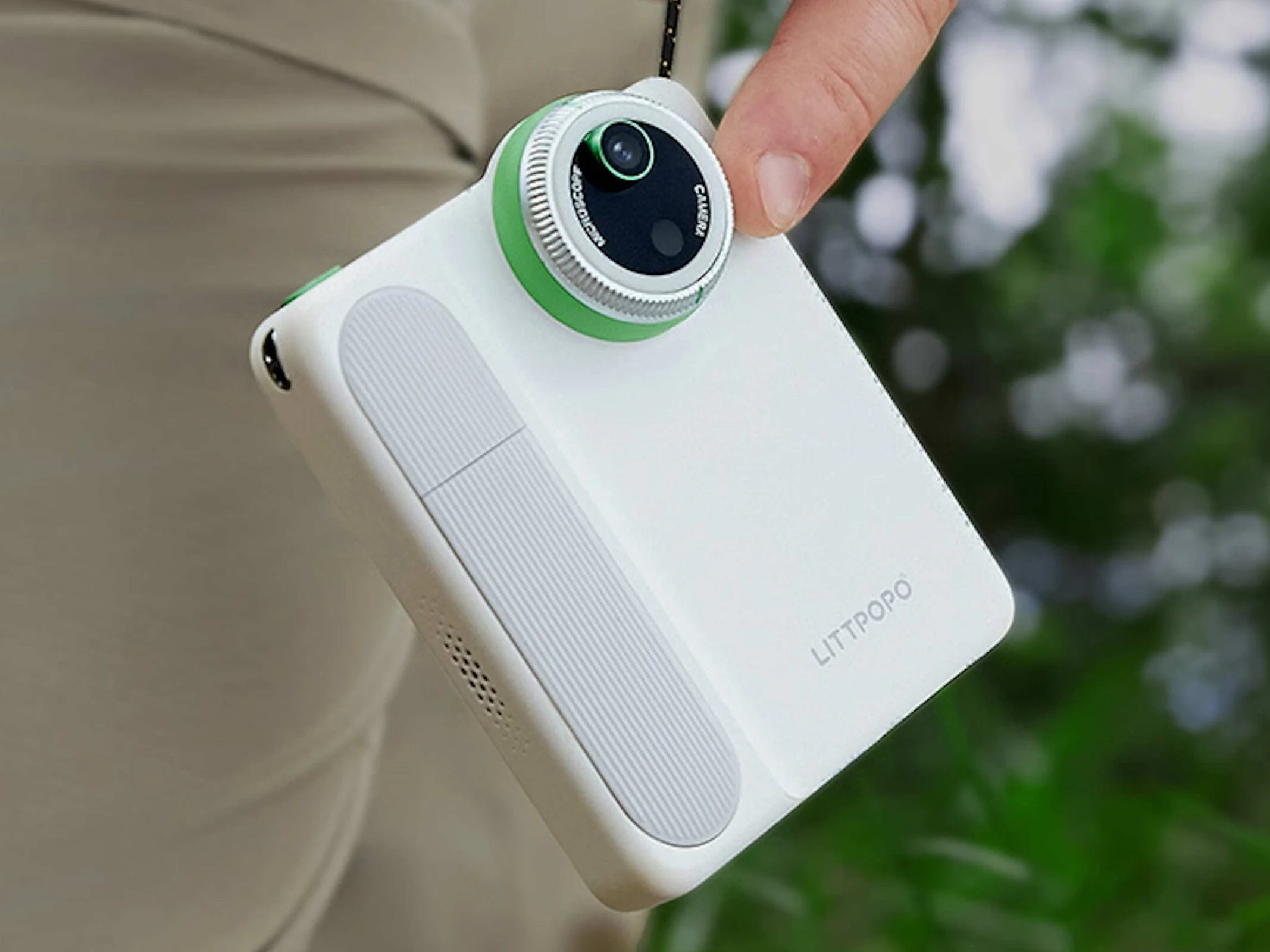
    The MicroCam X1 is a compact and lightweight camera that is currently raising funds on Kickstarter. People interested in this product can secure a unit along with a 64GB microSD card by contributing about $80. The company behind it projects that shipments will start in August. It’s important for potential supporters to understand the shipping policies and recognize the financial risks involved in crowdfunding initiatives.

    Features Overview

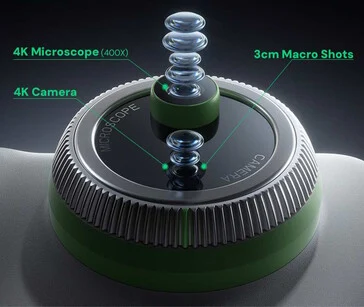
    When it comes to its capabilities, the MicroCam X1 features one camera sensor compatible with several lenses. It’s promoted as a 4K camera, boasting a resolution of 12 megapixels. Users can choose from a standard lens for general photos and a macro lens designed for capturing images of objects as close as 1.2 inches. Additionally, the X1 functions like a digital microscope, offering magnification of up to 400x. For context, even top-tier light microscopes generally reach around 1000x, as going beyond that isn’t feasible due to physical constraints, no matter the microscope’s quality.

    Camera Specifications

    The dimensions of the camera are 3.1 x 3.66 x 0.65 inches, and it features a 3.5-inch display with a resolution of 480 x 800 pixels, enabling users to view their captures. Littpopo mentions that the device can also be linked to an external monitor, and photos are saved on a microSD card that supports storage of up to 512GB. The battery can be recharged using USB Type-C and has a maximum usage time of four hours. Alternatively, there are microscope lenses available on Amazon that fit smartphones and are typically offered at affordable prices.

    Source:
    Link


  • DJI Osmo Action 6: Early Look at New Action Camera Images

    Key Takeaways

    1. DJI is expected to introduce the Osmo Action 6, a competitor to the GoPro Max and Insta360 X5, this summer.
    2. Initial information about the Osmo Action 6 was revealed by the FCC in December 2024, with expectations for a launch by early 2025.
    3. The design seen in leaked photos may not be the final version, but the Osmo Action 5 Pro had minimal changes from FCC approval to market launch.
    4. The Osmo Action 6 will feature Bluetooth 5.1 Low Energy and Wi-Fi 6 compatibility, similar to the Osmo Action 5 Pro.
    5. The Osmo Action 6 will have a dual display configuration, but details on the pill-shaped component and pricing/availability are still unknown.


    Over the weekend, fresh images of the DJI Osmo 360 appeared online from various sources. After months of speculation, many expect that DJI will introduce a competitor to the GoPro Max and Insta360 X5 this summer. There’s also a chance that another action camera from DJI could follow closely behind.

    Initial Information

    The first inklings about the Osmo Action 6 emerged in December 2024, thanks to the Federal Communications Commission (FCC). Back then, it seemed likely that DJI would reveal its next action camera by early 2025. Although that hasn’t happened yet, the FCC has now shared numerous photos of the Osmo Action 6 online.

    Design Insights

    As pointed out by Hakasushi and others, the photos may not represent the final version of DJI’s design. However, it’s worth noting that the design of the Osmo Action 5 Pro (current price $349 on Amazon) did not see significant changes from its FCC approval to its actual market launch. Moreover, the FCC has provided the user manual for the Action 6, highlighting features like Bluetooth 5.1 Low Energy and Wi-Fi 6 compatibility, aligning with the Osmo Action 5 Pro.

    Visual Appearance

    From the images we’ve seen, the Osmo Action 6 seems to feature a well-known dual display configuration and a single large camera casing. Unfortunately, the function of the pill-shaped component located beneath the front display remains uncertain at this stage. Similarly, details regarding its price and when it will be available are still unknown at the time of writing.

    Source:
    Link