Category: Software

  • Starting December 2023, Google will delete Gmail accounts that remain inactive.

    Starting December 2023, Google will delete Gmail accounts that remain inactive.

    Google to Delete Inactive Gmail Accounts from December 2023

    Google has announced its plans to delete inactive Gmail accounts starting from December 1, 2023. This move aims to address the increased vulnerability of older accounts to cyberattacks. Inactive accounts, defined as those that have not been used in the past two years, will be subject to deletion, along with all associated data such as emails, Drive files, Photos, and Contacts.

    The Importance of Security Measures

    According to internal data from Google, inactive accounts are ten times less likely to have two-factor authentication enabled compared to active accounts. This lack of security measures makes older accounts more susceptible to hacking attempts. By deleting inactive accounts, Google aims to protect user data and reduce the risk of compromise.

    Phased Approach to Account Deletion

    Not all inactive accounts will be deleted immediately. Google plans to remove accounts gradually, starting in December 2023, in small batches. This approach allows users time to reactivate their accounts if they still wish to use them. However, once an account is deleted, all associated data will be permanently removed, and users will not be able to recover their data.

    Tips to Keep Your Account Active

    To prevent their accounts from being deleted, users should ensure they sign in to their Gmail accounts at least once every two years. This minimal activity will keep their accounts active and protect them from being removed. In addition to regular sign-ins, users can engage in various activities to maintain account activity, such as using Google Drive, watching YouTube videos, downloading apps from the Google Play Store, performing Google searches, and utilizing Sign-in with Google for third-party apps or services.

    Exemption for YouTube Videos

    It is important to note that Google currently has no plans to delete inactive accounts that have YouTube videos. If an old unused account is linked to YouTube and has a public video on it, Google will not delete that account despite its inactivity. However, it is possible that the company may update this policy in the future.

    To ensure the security of user accounts and data, Google's decision to delete inactive Gmail accounts is a proactive measure. Users are advised to take the necessary steps to keep their accounts active and protect their valuable information.
  • Google Pay Introduces Convenience Fee on Mobile Recharge Transactions in India

    Google Pay Introduces Convenience Fee on Mobile Recharge Transactions in India

    Google Pay Begins Charging Convenience Fee on Mobile Recharge Transactions

    Google Pay, one of the most widely used online payment apps in India, has started imposing an additional fee on consumers for prepaid recharge purchases. This move follows in the footsteps of other popular payment apps in the country, such as PhonePe and Paytm. With over 60 million active users, Google Pay is the second-most popular payment app in India, known for its P2M and P2P UPI transactions.

    The Shift Towards Convenience Costs

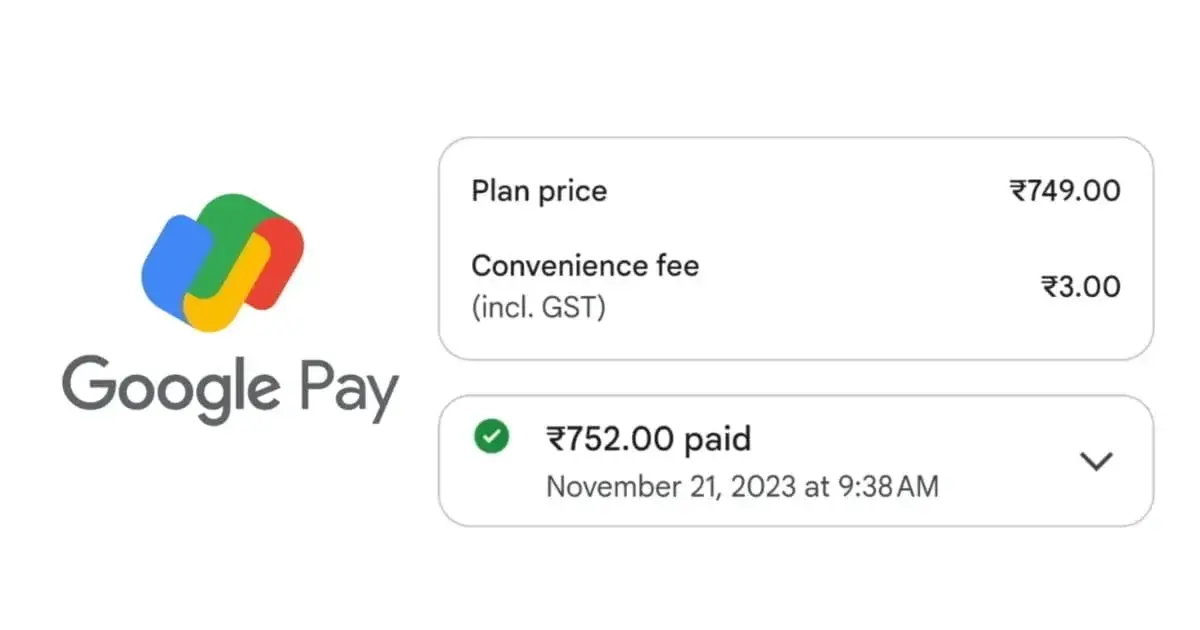
    Previously, users were only required to pay the amount charged by the telecom operator for the service, making it a completely free service. However, it seems that Google is now exploring ways to generate revenue from India’s multibillion-dollar digital payments industry. As a result, users who recharge their mobile prepaid plans through Google Pay may soon be subject to convenience costs of up to 3 rupees. This means that the only way to avoid these charges is to purchase recharge plans directly from the operator’s website.

    Limited Impact on Other Transactions

    Currently, Google Pay only applies convenience costs to mobile recharges. Other transactions, such as paying utility bills, remain free of any additional fees. UPI transactions, both for personal and commercial use, also do not incur any charges on Google Pay.

    Changes in Terms of Service

    Although Google has not yet made an official announcement regarding the new convenience charge adjustment, it secretly updated its Terms of Service for India on November 10, 2023. This suggests that the introduction of convenience fees on mobile recharge transactions is a deliberate move by Google to explore monetization opportunities in the Indian digital payments industry.

    As Google Pay follows in the footsteps of other payment apps, it remains to be seen how Indian users will respond to this new development. With the convenience costs in place, users may consider alternative platforms or opt to purchase recharge plans directly from the telecom operator’s website to avoid additional fees.

  • Functionality disrupted across devices due to glitch in Google’s ‘At a Glance’ Widget

    Functionality disrupted across devices due to glitch in Google’s ‘At a Glance’ Widget

    Android users are currently experiencing difficulties with Google's At a Glance widget. This popular tool, which provides quick access to information on Android home screens, is malfunctioning on a wide range of devices. The issue presents itself in different ways, with some users seeing the widget briefly before it disappears, others encountering crashes, and a few not seeing it at all.

    Problem affecting multiple devices and Android versions

    The problem is not limited to a specific model or brand. It affects various Android devices, including the latest Google Pixels, Samsung's Galaxy series, and OnePlus phones. Furthermore, it is not restricted to a particular Android version, impacting devices running on Android 12 up to Android 14. This widespread occurrence suggests a systemic issue rather than isolated incidents.

    Google Pixel users facing additional challenges

    Google Pixel users face an additional hurdle as they are unable to remove the malfunctioning widget from their home screen. This leaves them stuck with a faulty feature that they cannot easily get rid of.

    Technical error messages add to user frustration

    Users are further frustrated by the technical language used in the error messages accompanying these glitches. These messages are not user-friendly and are more geared towards developers, making troubleshooting more complicated for the average user.

    Search for solutions and lack of official recognition

    While some users have reported temporary fixes, such as updating the Google app, these solutions are not consistently effective. As a result, many users are still searching for a resolution to the widget issue.

    Google has yet to officially acknowledge or address this problem, leaving a gap in communication and a lack of a clear solution. This ongoing situation highlights the challenges that can arise in the tech world, where even widely-used and seemingly stable features can encounter unexpected issues. It serves as a reminder of the need for adaptability and patience in the digital age.

  • Increase in Job Demand for Huawei’s HarmonyOS Native Support App Developers in China

    Increase in Job Demand for Huawei’s HarmonyOS Native Support App Developers in China

    Surge in Job Demand for HarmonyOS App Developers in China

    As news of Huawei reportedly dropping Android app support on its HarmonyOS devices starting next year has spread to the general public in China, job demand for software developers who can develop apps that can run natively on HarmonyOS has surged in the country.

    Job Listings for HarmonyOS App Developers on the Rise

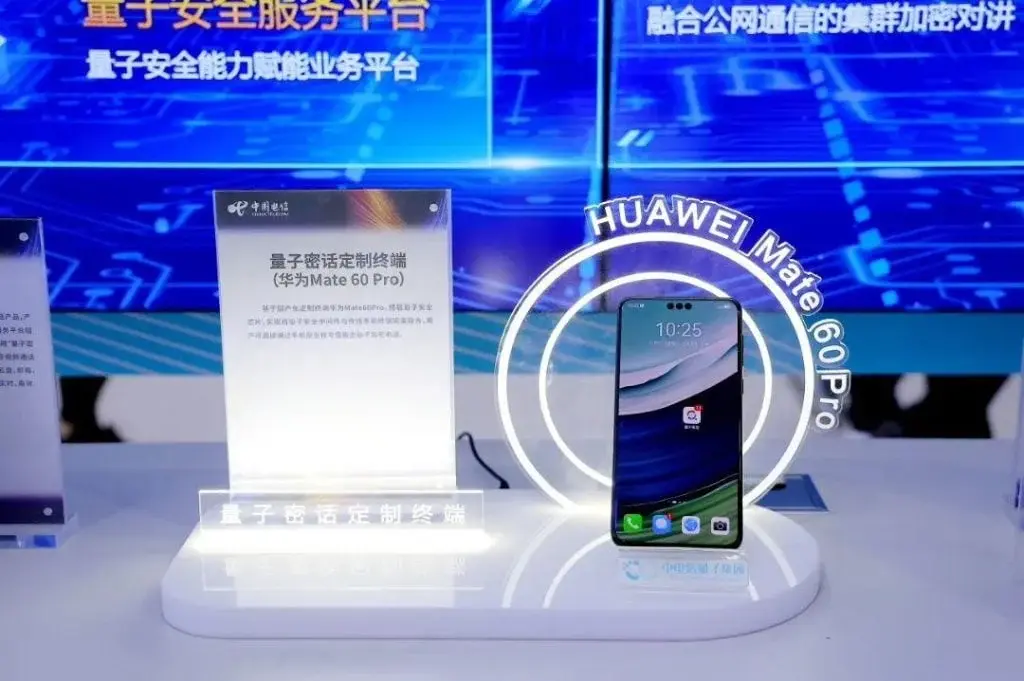
    According to a report by ITHome, a prominent Chinese tech publication, there has been a noticeable increase in job listings for app developers with expertise in developing mobile applications that have native support for HarmonyOS devices, specifically the Huawei Mate 60 Pro.

    Transition to HarmonyOS Prompts Demand

    Huawei's decision to drop Android app support on its HarmonyOS devices has sparked a need for skilled software developers who can adapt to the new operating system. With HarmonyOS set to replace Android as the primary operating system on Huawei devices, the demand for app developers capable of creating native HarmonyOS apps has skyrocketed.

    The Rise of HarmonyOS

    HarmonyOS, Huawei's proprietary operating system, was introduced as an alternative to Android after the company faced restrictions from using Google services due to the US trade ban. By transitioning to HarmonyOS, Huawei aims to provide a seamless and unified user experience across its range of devices, including smartphones, tablets, smartwatches, and more.

    Huawei Mate 60 Pro: A Prominent HarmonyOS Device

    Among the HarmonyOS devices gaining attention is the Huawei Mate 60 Pro. This flagship smartphone showcases the capabilities of HarmonyOS and has become a popular choice among consumers. As a result, companies are actively seeking app developers who can harness the potential of HarmonyOS and create innovative applications for the Huawei Mate 60 Pro.

    Future Prospects for HarmonyOS App Developers

    With the increasing demand for HarmonyOS app developers, job prospects in this field are expected to remain highly promising. As Huawei continues to expand its range of HarmonyOS devices, the need for skilled developers who can create high-quality native apps will only grow. This presents a significant opportunity for software developers to enhance their skills and contribute to the thriving HarmonyOS ecosystem.

    In conclusion, the news of Huawei dropping Android app support on its HarmonyOS devices has led to a surge in job demand for app developers who can develop native applications for HarmonyOS. As the transition to HarmonyOS gains momentum, companies are actively seeking developers with expertise in creating apps for devices like the Huawei Mate 60 Pro. The rise of HarmonyOS presents exciting prospects for software developers looking to contribute to Huawei's innovative ecosystem.

  • Probable security concern prompts Google Calendar to discontinue support for Android 7.1 or prior versions

    Probable security concern prompts Google Calendar to discontinue support for Android 7.1 or prior versions

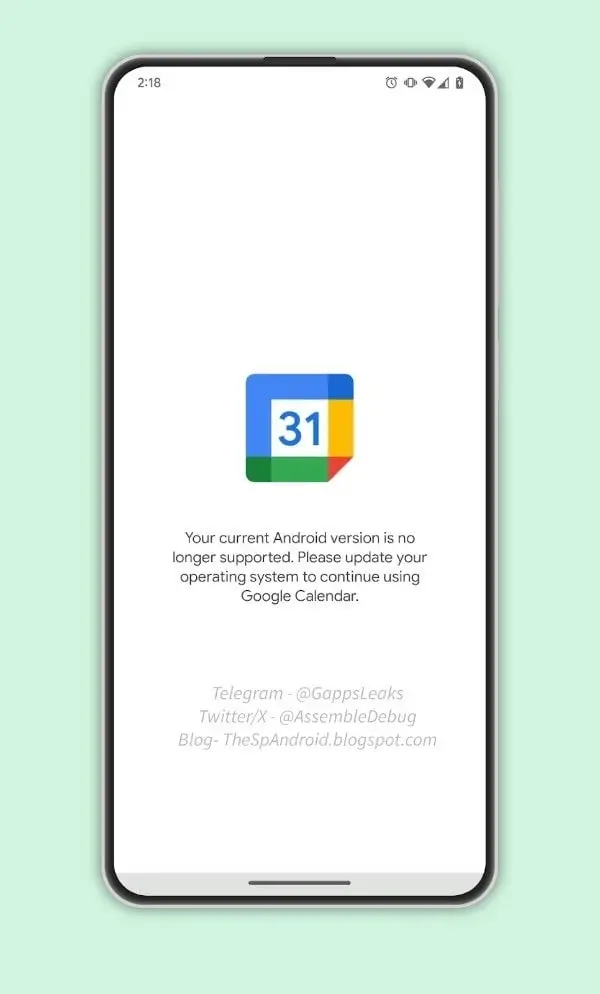
    Earlier this month, Google made an announcement regarding the discontinuation of support for older versions of Android on its Chrome browser. Now, the company has decided to extend this decision to Google Calendar as well. Google Calendar, a popular software used by millions of people to organize their daily lives, will no longer be supported on Android 7.1 or below. This move is likely due to security concerns, as older versions of Android are more vulnerable to hacking and data theft.

    Google Calendar Drops Support for Older Android Versions

    The latest version of the Google Calendar app, v2023.46.0-581792699-release, includes a new flag called “UnsupportedOperatingSystem__enabled.” This flag is used to display a message to users who are running an unsupported operating system. The message informs them that in order to continue using Google Calendar, their device must be updated to Android 8 (Oreo) or above.

    By discontinuing support for older Android versions, Google aims to ensure the safety and security of its users. Older versions of Android lack the latest security features and updates, making them more susceptible to potential security breaches. By urging users to update to the most recent version of Android, Google is encouraging them to take advantage of the enhanced security and new features offered by newer iterations of the software.

    The Importance of Updating to the Latest Android Version

    Updating to the latest version of Android is crucial to ensure the best user experience, as well as to protect against potential security threats. With each new version of Android, Google introduces various improvements, including enhanced security measures, bug fixes, and new features. By keeping their devices up to date, users can benefit from these advancements and enjoy a smoother and more secure experience when using Google Calendar and other apps.

    Conclusion

    In line with its decision for Chrome, Google has now extended its discontinuation of support for older Android versions to Google Calendar. By dropping support for Android 7.1 or below, Google aims to prioritize the security and safety of its users. It is recommended that users update their Android devices to the latest version to continue using Google Calendar and take advantage of the new features and enhanced security offered by newer versions of the software.

  • Xiaomi Unveils December 2023 Rollout of HyperOS Developer Version for Xiaomi 12S and Redmi K50

    Xiaomi Unveils December 2023 Rollout of HyperOS Developer Version for Xiaomi 12S and Redmi K50

    Xiaomi Announces Second Batch of Devices to Receive HyperOS Developer Version

    Xiaomi, the popular smartphone manufacturer, launched its in-house operating system, HyperOS, in late October. With the aim of providing an enhanced user experience, the company has been steadily rolling out updates to its existing devices. After successfully updating the Xiaomi 13 series and Redmi K60 series, Xiaomi has now revealed the second batch of devices that will receive the HyperOS developer version in China next month, December 2023.

    List of Devices Receiving HyperOS CN ROM Developer Version

    The following eleven devices are set to receive the HyperOS CN ROM Developer Version:

    • Xiaomi 12S Ultra
    • Xiaomi 12S Pro
    • Xiaomi 12S
    • Xiaomi 12 Pro
    • Xiaomi 12
    • Xiaomi 12 Pro Dimensity Edition
    • Redmi K50 Ultra
    • Redmi K50 Gaming Edition
    • Redmi K50 Pro
    • Redmi K50X
    • Xiaomi Pad 5 Pro 12.4

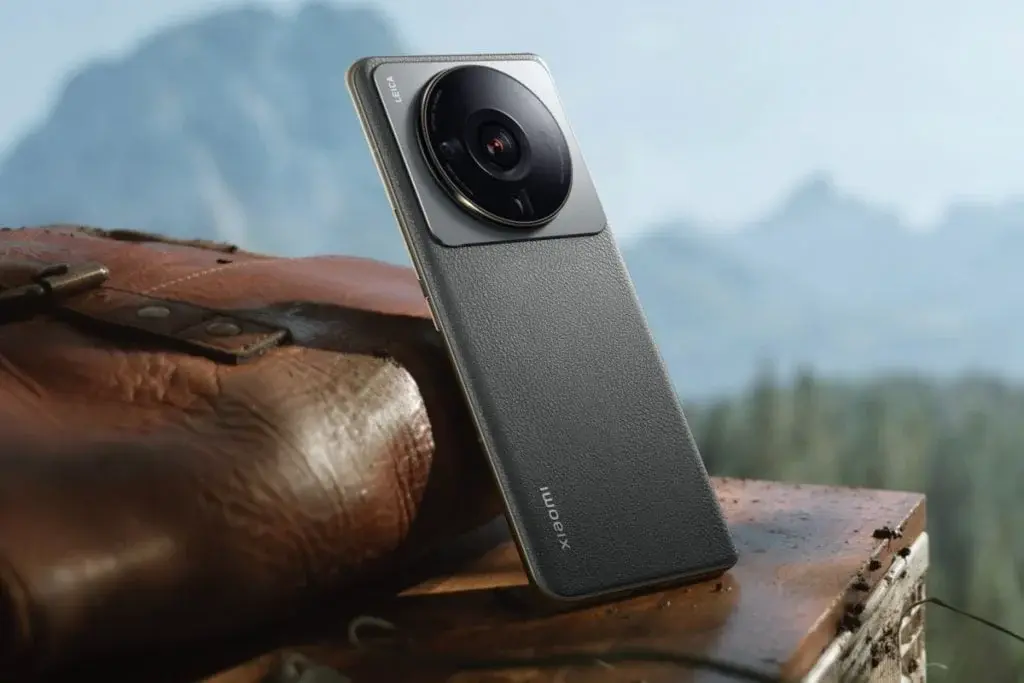
    Initially, there was some discussion among members of the Xiaomi China community forum regarding the absence of the Xiaomi 12S series from the list. However, Xiaomi spokesperson Zhang GuoQuan promptly addressed the issue on Chinese social media platform Weibo. He clarified that there had been a miscommunication in the announcement post and assured users that the Xiaomi 12S series is indeed a top priority for receiving the HyperOS upgrade. This decision is due to the fact that the Xiaomi 12S devices are the company's first smartphones with Leica branding.

    Updated Announcement to Include Xiaomi 12S Series

    Following the clarification by Zhang GuoQuan, the Xiaomi China community announcement post has been updated to include the Xiaomi 12S devices. As of the publishing of this news on Sunday, November 26, users can now rest assured that the Xiaomi 12S series will be among the devices receiving the HyperOS developer version next month.

    Xiaomi continues to prioritize the user experience by introducing its proprietary operating system, HyperOS. By extending the compatibility of this system to a wider range of devices, Xiaomi aims to offer its customers a seamless and optimized mobile experience. With the second batch of devices set to receive the HyperOS developer version, Xiaomi users can look forward to enhanced performance and features in the near future.

  • November security patch and multiple bug fixes included in Lava Yuva 2 update

    November security patch and multiple bug fixes included in Lava Yuva 2 update

    Lava Yuva 2 Receives Latest Security Update

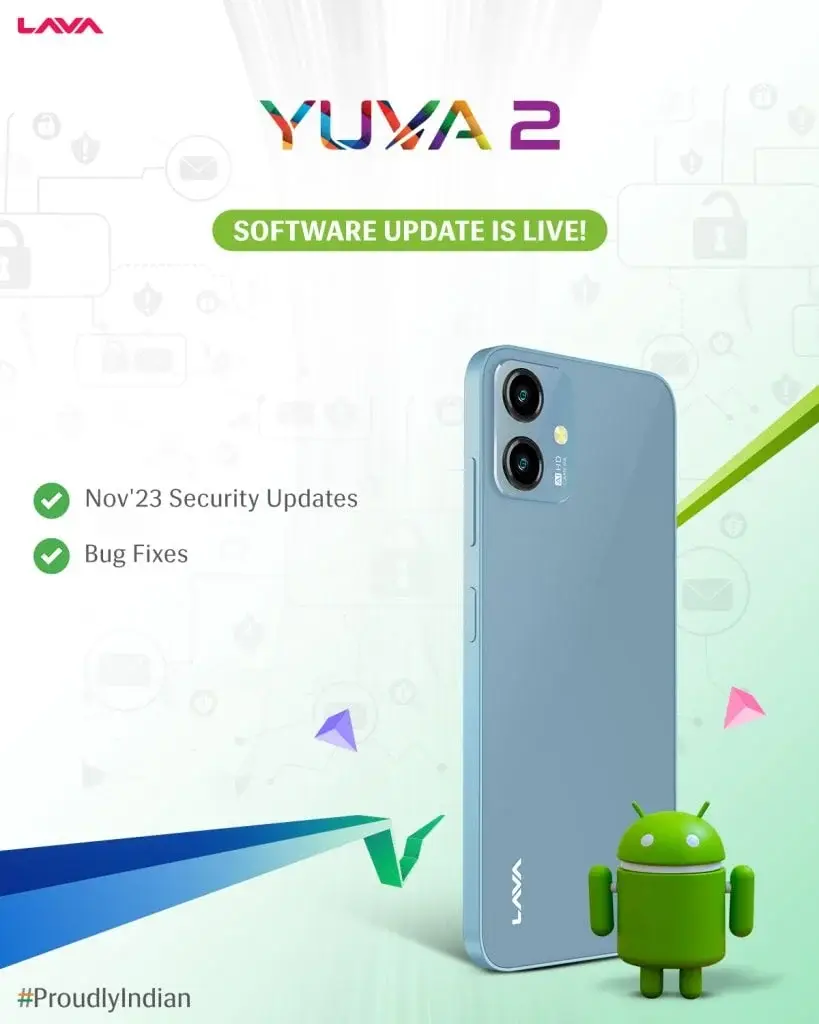
    Indian smartphone manufacturer Lava recently launched its most affordable smartphone, the Lava Yuva 2. Packed with a 5,000mAh battery and powered by a T606 processor, the device has garnered attention in the market. In a recent post on X (formerly known as Twitter), Lava confirmed that the Yuva 2 will receive the latest security update.

    The update, according to Lava’s post, includes the November 2023 patch along with various bug fixes. However, the brand has not provided specific details about the bugs that have been addressed. The primary goal of this patch is to improve the overall stability of the device and address any security vulnerabilities identified in the previous update. The November security patch specifically targets vulnerabilities affecting the Framework, Media Framework, System, as well as components like the kernel and processor-based components.

    For Yuva 2 owners looking to update their devices, the process is simple. Just navigate to Settings > System > Advance > System Update to install the latest version.

    Lava Yuva 2 Specifications

    For those interested in the specifications of the Lava Yuva 2, here are the details. The device features a 6.5-inch display with a resolution of 1600 x 720 pixels and a 90Hz refresh rate. Powering the device is the Unisoc T606 processor paired with 3GB of RAM. It offers 64GB of UFS 2.2 internal storage, which can be expanded up to 512GB using a microSD card. The phone is equipped with a 5,000mAh battery that supports 10W charging.

    In terms of camera capabilities, the Lava Yuva 2 boasts a 13MP primary rear camera accompanied by a secondary VGA camera and an LED flash. For selfies, the phone features a 5MP front camera. The device runs on an Android 12-based operating system.

    Connectivity options for the Lava Yuva 2 include Dual SIM support, a side-mounted fingerprint scanner, 4G VoLTE, Wi-Fi 802.11 ac, Bluetooth 5.0, and a 3.5mm audio jack.

    With the latest security update, Lava is ensuring that the Yuva 2 remains up-to-date and protected against potential threats. Users can now enjoy enhanced stability and improved security on their devices.

  • Huawei and Ant Group’s mPaaS Collaborate to Create HarmonyOS Applications

    Huawei and Ant Group’s mPaaS Collaborate to Create HarmonyOS Applications

    Ant Group’s mPaaS Partners with Huawei for Native Applications on HarmonyOS

    Ant Group’s mobile development platform, mPaaS, has formed a strategic partnership with Huawei to develop native applications for the HarmonyOS operating system. This collaboration aims to create superior products and enhance the capabilities of both mPaaS and HarmonyOS.

    mPaaS: A Dominant Platform in Various Industries

    mPaaS is a widely used platform that caters to hundreds of medium and large enterprises, as well as thousands of small and medium-sized businesses across industries such as finance, government affairs, and transportation. Its influence is particularly significant in the financial sector.

    Commitment to Innovation and Breakthroughs

    Yu Bin, Vice President of Ant Group, expressed the company’s commitment to innovation and breakthroughs in app development. He believes that the partnership with Huawei will pave the way for the creation of superior products that meet the evolving needs of users.

    Huawei’s Vision for Deeper Cooperation

    Zhu Yonggang, President of Huawei Terminal Cloud Services, echoed this sentiment and emphasized the potential for deeper cooperation between mPaaS and HarmonyOS in the future. He envisions enhanced capabilities for mPaaS and a collaboratively constructed ecosystem.

    Expanding the HarmonyOS Ecosystem

    This partnership aligns with Huawei’s broader efforts to expand the HarmonyOS ecosystem. Recently, the company joined forces with Alibaba to develop a native version of the DingTalk app for HarmonyOS. Additionally, Huawei announced a collaboration with Meituan to develop applications for the operating system. These collaborations highlight the increasing momentum behind HarmonyOS adoption.

    Phasing Out Android App Support

    Huawei has also revealed its plans to gradually phase out Android app support from HarmonyOS in China with the upcoming release of HarmonyOS Next. This strategic move demonstrates Huawei’s confidence in HarmonyOS’s capabilities and its dedication to building a self-sufficient operating system ecosystem.

  • Yup: All-in-One Social Media App Aiming to Solve Everything

    Yup: All-in-One Social Media App Aiming to Solve Everything

    Yup: The Innovative Social Networking Application

    Yup, an innovative application, is transforming how we engage with social networking platforms. Through its versatile cross-platform functionality, Yup empowers users to effortlessly share content across a range of platforms, including X, Bluesky, Lens, and Threads.

    Recognizable Elements and Newsfeeds

    Yup integrates familiar functionalities that users are accustomed to from various social networking sites. Users can engage by liking, commenting, and reposting content. Moreover, Yup introduces a personalized "For You" feed that tailors content based on individual interests, along with a "Following" feed that showcases posts from followed users.

    Embracing Threads Support

    A standout feature of Yup is its integration with Threads, a decentralized social media platform. While Threads currently lacks a public API for developers, Yup ingeniously utilizes the internal API of Threads’ web client. As Threads eventually releases its official API, Yup plans to transition to utilizing that interface.

    Revolutionizing Cross-Platform Sharing

    The creators of Yup anticipate that their application will streamline the process of cross-posting content for both regular users and content creators. Yup facilitates seamless content sharing on conventional platforms such as X, as well as on decentralized networks like Mastodon. While tools like Fedica offer some cross-platform posting capabilities, Yup goes the extra mile by also accommodating Threads.

    Centralized Notifications and Early Development Stages

    Yup simplifies the management of multiple applications by consolidating notifications from linked platforms into a unified feed. Despite being in its early developmental phase, the app exhibits the potential to become an invaluable resource for social media users seeking relief from the complexities of managing multiple platforms.

    Availability and Waitlist Information

    Excitingly, Yup is now accessible on both iOS and Android devices. However, prospective users must navigate through a waiting list before gaining complete access to the application.

    Embrace the chance to refine your social media engagement. Join the vibrant Yup community today and ease your cross-posting endeavors!

    Pricing Details and Technical Specifications:

    • Currently, Yup is obtainable at no cost on the App Store and Google Play Store.
  • Alibaba and Huawei Collaborate to Enhance DingTalk on HarmonyOS, Taking on the Dominance of Android

    Alibaba and Huawei Collaborate to Enhance DingTalk on HarmonyOS, Taking on the Dominance of Android

    Alibaba Group Holding is making progress in its efforts to reduce its reliance on Google’s Android by developing a native version of its workplace app, DingTalk, for Huawei Technologies’ HarmonyOS. This move comes as Huawei continues to face challenges due to US sanctions and aims to establish its own ecosystem.

    HarmonyOS as an Alternative to Android

    Huawei introduced HarmonyOS in 2019 as a response to being placed on the US government’s Entity List, which restricted its access to American software and technologies. The unveiling of HarmonyOS marked Huawei’s determination to create a self-sufficient ecosystem in the face of these difficulties.

    Collaboration Between Alibaba and Huawei

    The collaboration between Alibaba and Huawei goes beyond app development. The two companies have plans to work together in areas such as industrial innovation, technology application, and business growth. This partnership aligns with Alibaba’s broader strategy of driving future growth through digitalization and intelligent technology, with DingTalk playing a crucial role in this endeavor.

    Huawei’s Commitment to HarmonyOS

    Huawei’s decision to phase out Android support in its upcoming HarmonyOS Next iteration demonstrates its commitment to this new path. This move coincides with the successful launch of Huawei’s Mate 60 Pro, the company’s first 5G-enabled smartphone since 2020, which has experienced a significant increase in sales.

    DingTalk’s Shift to HarmonyOS

    The adaptation of DingTalk to HarmonyOS is not only a technological shift but also a strategic business move. DingTalk is one of Alibaba’s key growth drivers, and its transition to HarmonyOS is seen as a significant step towards “strategic-level innovation.” This move is part of Alibaba’s larger plan to reposition its business units, including DingTalk, as independent entities with their market strategies.

    In conclusion, Alibaba’s development of a native version of DingTalk for Huawei’s HarmonyOS is a significant milestone in Huawei’s efforts to reduce its reliance on Google’s Android. This collaboration between the two companies not only involves app development but also encompasses other areas of innovation and growth. Huawei’s decision to phase out Android support further emphasizes its commitment to HarmonyOS, while DingTalk’s shift to HarmonyOS aligns with Alibaba’s strategy to position its business units as independent entities.