Category: Software

  • Unfollow Everything: Why Facebook Banned the Tool’s Creator

    Unfollow Everything: Why Facebook Banned the Tool’s Creator

    Are you exhausted by the never-ending scroll on Facebook? A recent legal challenge questions Meta's (formerly Facebook) dominance over user feeds, focusing on a browser tool named "Unfollow Everything" that enables users to unfollow everyone at once, granting them the ability to purposefully curate their feed rather than being overwhelmed by an algorithm.

    Facebook took action against the original creator of the tool after he gained control over his Facebook feed, resulting in a significant decrease in his Facebook activity. In response, Facebook banned him from the platform. Presently, a researcher aims to investigate the impact of a new iteration of the tool but requires accessibility. Consequently, they have filed a lawsuit against Meta, contending that a segment of the Communications Decency Act safeguards users' rights to manage their online encounters, inclusive of the tools they employ.

    Implications of the Lawsuit

    The lawsuit revolves around a specific clause that permits the management of undesirable content. The researcher asserts that this provision should extend to social media, providing users with the ability to "opt out of the algorithm." The decision of the courts on this matter remains uncertain. If the users prevail, this case could establish a legal precedent, potentially granting individuals the authority to escape the perpetual scroll and design their personal social media interactions.

  • Samsung One UI 7 Update: Eligible Devices, Release Date & Features

    Samsung One UI 7 Update: Eligible Devices, Release Date & Features

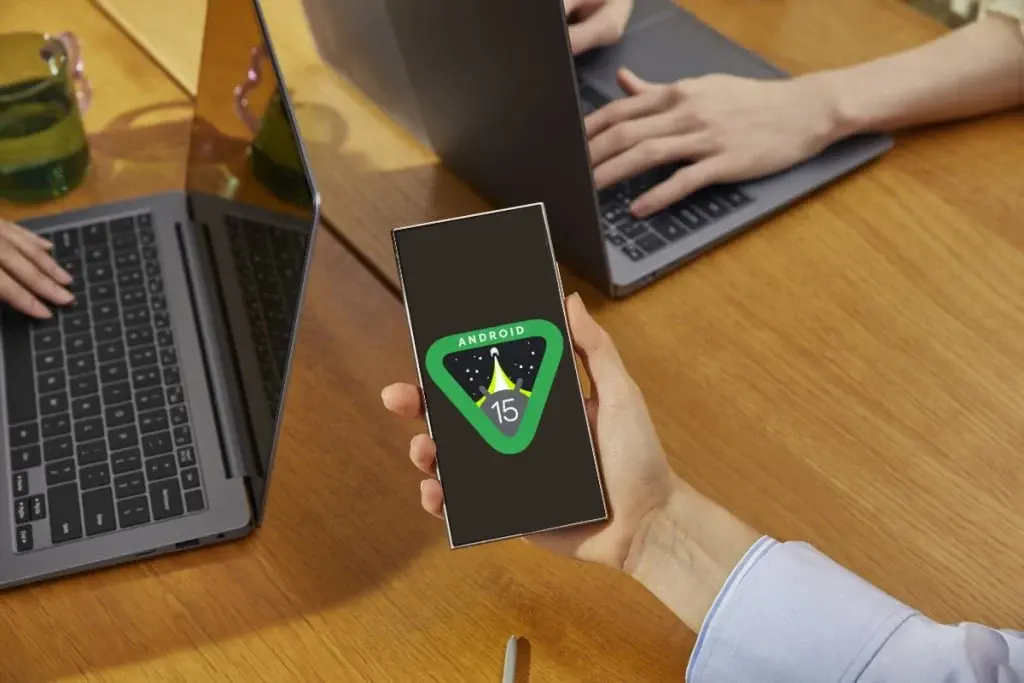
    Google has commenced testing its upcoming operating system, Android 15, with developer preview versions already in circulation. The new OS is currently in the beta testing stage, set to continue until July. Although the stable release of Android 15 is still a few months away, Samsung Galaxy users are eager to learn about its launch date, anticipated features, and the devices eligible for the One UI 7 upgrade.

    Android 15-based One UI 7 Update Details

    Samsung Galaxy device owners are keen to know about the Android 15-based One UI 7 update. Here is a breakdown of eligible devices for this upgrade:

    Samsung Galaxy One UI 7 (Android 15) Eligible Devices List:

    • [Galaxy S series]
    • [Galaxy Z series]
    • [Galaxy Tab series]
    • [Galaxy A series]
    • [Galaxy M series]
    • [Galaxy F series]
    • [Galaxy Xcover series]

    This list, although unofficial, is expected to align closely with Samsung’s software update policy and past update rollouts.

    Samsung guarantees a minimum of two Android updates for all Galaxy devices. Consequently, devices launched with Android 13 or 14 will be eligible for the Android 15-based One UI 7 update. Moreover, flagship and mid-range phones receive four years of OS upgrades, ensuring that devices launched with Android 11 or later will also be upgraded to Android 15.

    Android 15 Release Timeline

    The release of a new Android OS involves various developmental and testing phases before the stable version is made public. As Android 15 transitions from the developer preview to the beta testing phase, which concludes in July, the platform approaches stability to address bugs and issues for a smooth release.

    While Google has not disclosed the exact release date for stable Android 15 builds, it is anticipated to arrive around October 2024, coinciding with the launch of the Pixel 9 series. Following the Pixel devices, Samsung devices are expected to receive the Android 15 update, with a post-stable release period dedicated to integrating One UI with the new OS.

    New Features in Android 15

    Several features have been unveiled or uncovered in Android 15 beta builds, including:

    1. Satellite Connectivity Support
    2. Partial Screen Sharing
    3. Notification Cooldown
    4. Sensitive Notifications
    5. High-Quality Webcam
    6. Universal Keyboard Vibration Control

    These enhancements aim to provide users with improved functionality and security within the Android ecosystem.

    For those eagerly anticipating Android 15, what are your expectations? Additionally, which Samsung Galaxy device do you currently own? Feel free to share your thoughts in the comments section below.

    For more stories on Android 15:

    1. Android 15 adds audio sharing to multiple devices via Bluetooth Auracast
    2. Android 15 lets you find your smartphone even when it is powered off
    3. Android 15’s Dessert-themed Codename Is Apparently ‘Vanilla Ice Cream’

    Samsung One UI 7 Update: Eligible Devices, Release Date & Features
  • Arc Browser Now Available for Windows 11 Users

    Arc Browser Now Available for Windows 11 Users

    The long wait has ended for Windows 11 users! The Browser Company has officially released Arc browser 1.0.1 after an extensive beta period. Users are now able to download and utilize Arc without having to join any waiting lists.

    Windows 10 Users Await

    Windows 10 users, on the other hand, may have to exercise patience before getting their hands on the browser. Presently, Arc exclusively supports Windows 11. Users on Windows 10 will need to wait a while longer. Additionally, an ARM64 version of Arc is in the works for users with ARM-based Windows devices, promising compatibility in the future. Notably, the Windows edition of Arc makes use of Apple's Swift programming language, mirroring the approach taken in the macOS version, facilitating the sharing of core code between the two platforms.

    Features and Interface

    Arc boasts a distinctive interface featuring a sidebar that hosts various functionalities such as tabs, library, easels & notes, spaces, boosts, and archived tabs. It introduces innovative capabilities like tab renaming, link peeks before opening, and in-browser note-taking.

    Pros and Cons

    While Arc showcases promising features, it comes with its challenges. Users may find it challenging due to its novel design and reliance on keyboard shortcuts. Despite its innovative attributes, some may argue that it is not yet suitable for widespread adoption. With a fresh user base, the Browser's reception among the public remains to be seen.

  • Huawei HarmonyOS NEXT: High-Performance OS

    Huawei HarmonyOS NEXT: High-Performance OS

    Huawei is putting significant effort into the development of HarmonyOS NEXT, a new version of its operating system that moves away from supporting Android apps. The company is actively working with prominent Chinese companies to create native apps specifically designed for HarmonyOS NEXT.

    Collaboration for Native Apps

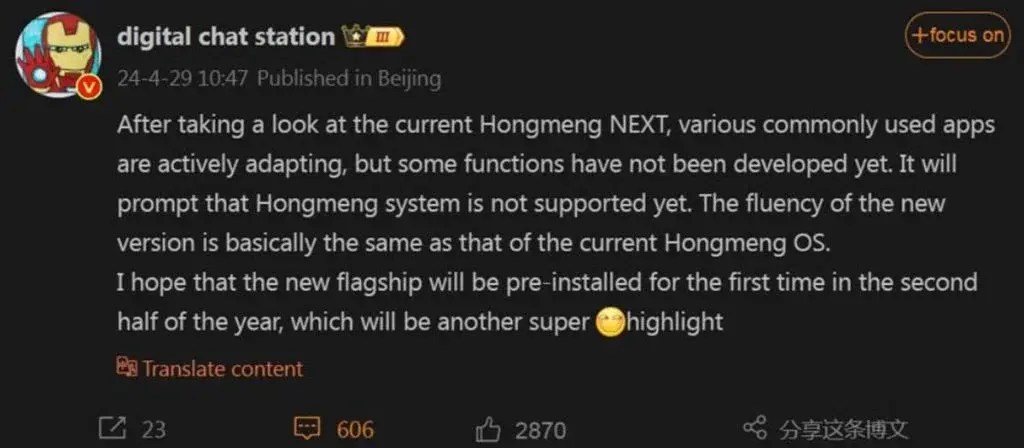
    A recent leak indicates that the current development build of HarmonyOS NEXT is offering a user experience comparable to existing software. Tech tipster Digital Chat Station has mentioned that many commonly used apps, particularly in China, are being adapted for HarmonyOS NEXT. Huawei is also seeking new partnerships to enhance its app ecosystem.

    Ongoing Optimizations and Future Plans

    Although these apps are reported to be missing some functions at the moment, likely due to ongoing optimizations, there is optimism that these features will be incorporated as the software progresses towards its beta phase. Huawei is gearing up to release a testing version of HarmonyOS NEXT for user trials, with the beta version expected to be unveiled at the HDC 2024 event in June, potentially introducing significant undisclosed changes.

    Future Releases and Speculations

    HarmonyOS NEXT is still in its development stages, and Huawei is committed to continuously enhancing the core functionality of its operating system. Speculation from previous leaks hints that the upcoming Mate 70 series smartphones might debut with HarmonyOS NEXT. Huawei's Rotating Chairman, Xu Zhijun, has hinted at a new software release coinciding with the Mate 70 flagship launch later this year, aligning with the leaked information.

    While official launch dates for both products have not been confirmed, rumors suggest a possible launch timeframe around October.

  • OxygenOS 14 Update Now Available for Select OnePlus Devices

    OxygenOS 14 Update Now Available for Select OnePlus Devices

    OxygenOS 14, which is based on Android 14, represents a significant advancement with a plethora of fresh features, lock screen shortcuts, and enhancements. It also debuts the Trinity Engine for optimizing performance. For OnePlus users eagerly anticipating the OxygenOS 14 update on their devices, the wait can be quite intense to explore the new functionalities and modifications it delivers.

    Devices Updated with OxygenOS 14

    A list of OnePlus devices that have already received the OxygenOS 14 update includes models like OnePlus Open, OnePlus Pad, OnePlus 12, OnePlus 12R, OnePlus 11, and more. The rollout of the update is gradual, so it might take some time for all users to receive it.

    OxygenOS 14 Update Progress

    Most eligible OnePlus devices are now receiving the OxygenOS 14 update, with the exception of the OnePlus Pad Go, which is currently undergoing an open beta phase. It shouldn't be long before the stable build is released for this device as well.

    Key Features of OxygenOS 14

    Trinity Engine

    Described as OnePlus' most advanced performance optimization software, the Trinity Engine comprises six exclusive technologies aimed at delivering sustained performance. This enhancement may lead to noticeable improvements in both power consumption and device performance post the OxygenOS 14 update.

    File Dock

    The addition of File Dock in OxygenOS 14 is a valuable feature for users who frequently share files across various applications. Items saved to File Dock are uploaded to the cloud, making them accessible on other OnePlus devices linked to the same account.

    Smart Cutout

    The Smart Cutout feature, available in OxygenOS 14, enables users to extract a subject from an image by long-pressing on it. Previously common in brands like Samsung and Xiaomi, Smart Cutout is now a part of the OnePlus experience.

    OxygenOS 14 introduces a global search feature located above the dock at the bottom of the screen. This feature allows users to search through their phone, including apps, contacts, documents, and the internet, enhancing overall usability.

    Auto Pixelate 2.0

    To bolster security and privacy, OxygenOS 14 incorporates the Auto Pixelate 2.0 feature, which pixelates sensitive information in screenshots. This feature, along with other security enhancements, aims to provide users with a safer digital experience.

    Carbon Footprint AOD

    The Carbon Footprint AOD style in OxygenOS 14 encourages users to reduce their carbon footprint by walking more. The AOD display changes based on the number of steps taken, promoting eco-friendly habits.

    Conclusion

    With a host of new features and improvements, OxygenOS 14 is set to elevate the OnePlus user experience. From performance optimizations to enhanced security and privacy features, this update is a significant step forward for OnePlus device owners.

  • Keyboard Flaw Exposes Keystrokes on Samsung, Xiaomi, Oppo, Vivo, and Honor Devices

    Keyboard Flaw Exposes Keystrokes on Samsung, Xiaomi, Oppo, Vivo, and Honor Devices

    A recent investigation conducted by cybersecurity experts at Citizen Lab highlights a significant security vulnerability present in various popular keyboard applications designed for smartphones. This flaw exposes the communications of almost a billion users to potential unauthorized access.

    Vulnerable Keyboard Apps

    The study identifies that keyboard apps developed by well-known companies such as Tencent (QQ Pinyin), Baidu (IME), iFlytek (IME), Samsung (Android Keyboard), Xiaomi (utilizing keyboards from Baidu, iFlytek, and Sogou), OPPO, Vivo, and Honor are all susceptible to this security risk.

    The critical issue lies in these keyboards transmitting user keystrokes without encryption, essentially sending user input as plain text. This means that anyone with the ability to intercept this data could potentially intercept and read all the information a user types while in transit.

    Data Compromise Risk

    The information at risk ranges from ordinary text messages to highly sensitive data like passwords and credit card information. Consequently, the potential scale and impact of the compromised data could be substantial.

    The research team noted that Huawei was the sole manufacturer whose keyboard application did not exhibit this vulnerability. They were unable to evaluate the security of Apple and Google's keyboards due to the absence of cloud-based communication functionalities in these applications.

    Manufacturer Responses

    Most manufacturers have reportedly taken steps to address this issue by April 1st, following notification from the investigating firm. However, Honor and Tencent's QQ Pinyin keyboards are still undergoing updates to rectify the problem.

    It is strongly recommended that users promptly update their devices if they have not done so recently. Furthermore, opting for a keyboard app developed by a reputable company, such as Google Keyboard, is advised to enhance security measures.

  • Enhanced User Experience: Oppo Unveils ColorOS 14

    Enhanced User Experience: Oppo Unveils ColorOS 14

    Oppo has been broadening its range of products, with the recent introduction of the A60 smartphone that features a 90Hz LCD display, a Snapdragon 680 processor, and 45W fast charging. Building on this momentum, Oppo has now revealed a significant upgrade to the animations in its ColorOS 14 operating system, encompassing more than 100 enhancements. This enhancement aims to elevate the user experience through various improvements.

    Oppo Enhances User Experience with ColorOS 14 Animation Revamp

    Oppo has introduced ColorOS 14, showcasing a comprehensive overhaul of animations embedded within the operating system. The update includes a multitude of enhancements across different areas such as unlocking, wallpapers, the Control Center, multitasking, and the management of extensive folders. Here are some of the key highlights:

    Visual Upgrades

    One notable visual enhancement is the way icons and cards now glide in a layered manner during the device unlocking process, offering users a smoother and more fluid experience. Additionally, the wallpaper zoom animation when closing apps from the bottom of the screen has been refined to be "smoother and more coherent."

    Control Center Enhancement

    The animation for swiping down the Control Center has been revamped to be more distinct, featuring a new Gaussian blur effect in the background. The overall layout has been structured to be more layered, facilitating intuitive access to information.

    Animation Refinements

    Applications now launch and close swiftly, ensuring responsive switching and seamless transitions. The speed of response is directly correlated with the user’s hand speed, promising a more dynamic experience. Users can now enjoy a smooth swiping experience with prompt and responsive controls for immediate actions. Furthermore, apps exit swiftly in landscape mode and exhibit rapid responsiveness to various operations post-exit.


    Enhanced User Experience: Oppo Unveils ColorOS 14
  • Enhance Portraits Using Vivo X100s AI Feature

    Enhance Portraits Using Vivo X100s AI Feature

    Vivo X100s has been the subject of numerous leaks and certifications, building anticipation for its official unveiling. However, the veil of secrecy is beginning to lift.

    Vivo’s X100s Unveiled by Han Boxiao

    The China Product Manager at Vivo, Han Boxiao, has given the green light for the X100s model. While specific details regarding the smartphone’s specifications remain undisclosed, Boxiao did introduce an intriguing camera feature known as "Four Seasons Portrait" mode, as translated from Chinese.

    The innovative mode leverages advanced AI image processing to seamlessly alter the background of portrait photographs to reflect the four distinct seasons: spring, summer, autumn, and winter.

    Transformative Imaging Capabilities

    Boxiao demonstrated images modified using this feature, showcasing how it can imbue portrait shots with unique seasonal aesthetics. Beyond background alterations, the feature intelligently adjusts lighting and shadows on subjects and surroundings to harmonize with the selected season, all powered by Vivo’s AIGC imaging technology.


    Enhance Portraits Using Vivo X100s AI Feature

    Anticipated Specifications and Features

    While not officially confirmed, speculations suggest that the X100s may inherit a camera configuration akin to the Vivo X100 model. This setup is anticipated to include a 50MP f/1.6 primary sensor at the rear, complemented by a 15mm ultra-wide lens and a 70mm periscope telephoto lens, offering a focal range from 15mm to 70mm.

    Recent real-life images of the X100s have hinted at a departure from the curved edge design of its predecessor in favor of a flatter aesthetic. Powering the device will likely be a Dimensity 9300 Plus processor, as indicated by an AnTuTu listing. While battery specifics remain undisclosed, 3C certification hints at potential 120W charging support.

    Launch Details and Rumored Variants

    The launch of the Vivo X100s is expected to take place in May, possibly accompanied by the introduction of the Vivo X100s Pro and X100 Ultra models, expanding the brand’s smartphone lineup.

  • Apple removes apps from App Store generating nudes via generative AI

    Apple removes apps from App Store generating nudes via generative AI

    Just days after reports emerged about an AI function causing issues by stripping clothes in Huawei smartphones, Apple is now in the spotlight for a similar reason (via 404 Media).

    The tech giant has taken down three applications from its App Store that were marketed as "art generators" but were actually being promoted on Instagram and adult websites, claiming they could "strip any woman for free."

    These applications utilized AI to produce fake nude photographs of clothed individuals. While the images don’t display real nudity, they can create pictures that might be utilized for harassment, extortion, and privacy violations.

    Apple’s Response and Actions

    Apple’s response to this issue came after 404 Media shared information about the applications and their advertisements. Surprisingly, these apps have been on the App Store since 2022, with their "undressing" feature being heavily promoted on adult websites.

    The report indicates that these applications were permitted to remain on the App Store if they removed their ads from adult platforms. However, one of the applications continued to run ads until 2024, when Google removed it from the Play Store.

    Implications and Concerns

    Apple has now taken the step to remove these apps from its platform. The reactive nature of its app store moderation and the potential for developers to exploit loopholes raise concerns about the overall ecosystem.

    This incident is particularly sensitive for Apple given the upcoming WWDC 2024, where significant AI announcements for iOS 18 and Siri are anticipated. Apple has been working on establishing a reputation for responsible AI development, including ethically licensing training data.

    In contrast, Google and OpenAI are facing legal challenges for allegedly utilizing copyrighted content to train their AI systems. Apple’s delayed action in removing the NCI apps could potentially damage its carefully nurtured image.


    Apple removes apps from App Store generating nudes via generative AI
  • WhatsApp Exit: Can India & WhatsApp Reach Middle Ground?

    WhatsApp Exit: Can India & WhatsApp Reach Middle Ground?

    WhatsApp has issued a warning that it may cease operations in India if it is compelled to compromise its end-to-end encryption. The messaging service, alongside Meta (its parent company), has lodged a petition at the Delhi High Court disputing India's 2021 IT regulations for social media intermediaries. Their main objection revolves around the mandate to identify the original source of information and share it with governmental authorities.

    WhatsApp's Stand Against Indian Regulations

    The current clash between WhatsApp and the Indian government stems from the requirement to expose the source of information, a move that could potentially jeopardize user privacy.
    WhatsApp's primary concern is the demand to identify message originators, a process that conflicts with their end-to-end encryption policy, designed to safeguard user data.

    The Debate Over Privacy vs. Security

    While the government argues that tracing message originators is crucial to combat harmful content, WhatsApp emphasizes that breaking encryption violates users' fundamental right to privacy.
    The platform highlights the extensive data storage implications and the potential breach of privacy rights if forced to compromise encryption protocols.

    The legal battle between WhatsApp and the Indian government has reached the Delhi High Court, with a scheduled hearing on August 14 for the petitions submitted by the messaging giant and Meta.
    The outcome of this conflict will not only impact WhatsApp's operations in India but also underscores the necessity for India to establish robust data privacy laws to protect user information and uphold privacy standards.