Category: Phones

Stay updated with the latest phone news, reviews, and trends. Discover cutting-edge smartphones, features, and innovations in our Phones category at GizNewsDaily

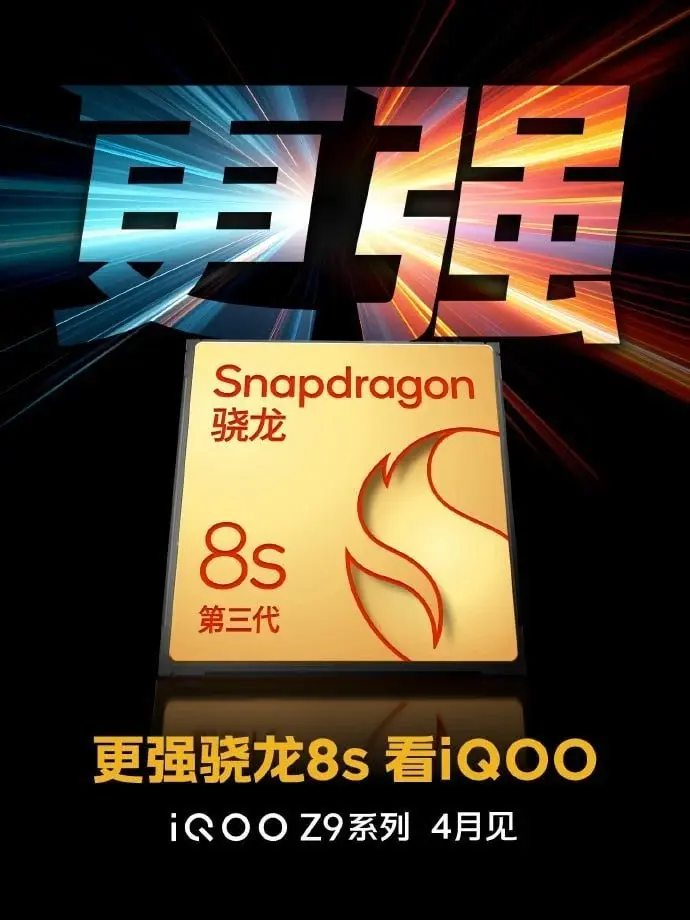
  • iQOO Reveals Z9 Series Launch in April with Snapdragon 8 Gen 3

    iQOO Reveals Z9 Series Launch in April with Snapdragon 8 Gen 3

    iQOO recently confirmed the imminent launch of their Z9 series in April, with the iQOO Z9 Turbo taking the lead. This new series is set to showcase the recently unveiled Qualcomm Snapdragon 8s Gen 3 processor, known for its robust performance capabilities just under the current Gen 3 processor. The CPU configuration includes a Cortex-X4 prime core, four Cortex A720 cores, and three Cortex-A520 cores, supporting up to 24GB LPDDR5x RAM and offering advanced image and video processing features with an 18-bit triple cognitive ISP.

    iQOO Z9 Series Overview

    Reports suggest that iQOO intends to introduce two additional smartphones within the Z9 series – the iQOO Z9 and iQOO Z9x, alongside the iQOO Z9 Turbo. These upcoming devices are likely to be powered by various chipsets, potentially including the Snapdragon 7 Gen 3 and Snapdragon 6 Gen 1 processors.

    Renowned tipster Digital Chat Station first hinted at the existence of the Z9 Turbo model and divulged essential specifications. Leaks indicate that the Turbo variant will sport a 6.78-inch 1.5K OLED display featuring a 144Hz refresh rate, 2800×1260 resolution, and 2160Hz PWM dimming. The device is expected to move away from a plastic build, offering improved build quality and materials.

    Certification Details and Battery Life

    The Z9 series recently acquired CQC and CMIIT certifications, unveiling additional crucial specifications. The Turbo model is anticipated to include an 80W charger, supporting rapid charging up to 11V 7.3A. Furthermore, rumors suggest a substantial 6,000mAh battery capacity for extended usage.

    The iQOO Z9 Turbo is likely to house a dual-camera system with a 50-megapixel primary sensor, while specifics regarding the secondary sensor remain undisclosed. Speculations hint at the possibility of up to 16GB of LPDDR5x RAM, 1TB UFS 4.0 storage, and an in-display fingerprint sensor with short-focus capabilities. On the software front, the device is rumored to operate on OriginOS 4.0, based on the latest Android 14 version.
  • Samsung Breaks with Qualcomm: Galaxy S25 Features All-Exynos Chip

    Samsung Breaks with Qualcomm: Galaxy S25 Features All-Exynos Chip

    Smartphones are progressively becoming more costly. Just a few years ago, a premium phone priced at $800 would have been deemed a luxury. Today, that cost appears quite reasonable, mainly due to the enhanced performance capabilities of these devices, which come with a higher price tag.

    Rising Processor Costs Impacting Phone Prices

    The most recent Snapdragon 8 Gen 3 processor, featured in numerous flagship Android phones, is estimated to be priced at approximately $200. This reflects a 25% increase compared to the previous generation's Snapdragon 8 Gen 2. Unsurprisingly, this surge in processor costs directly influences higher phone prices for consumers.

    Choices for Phone Manufacturers

    Given this scenario, phone manufacturers are confronted with several choices. They can opt for a less powerful and more economical processor from Qualcomm, switch to a competitor such as MediaTek, or embark on developing their own processors. The latter alternative, though cost-effective, is highly technical and presently limited to only a few companies globally.

    Samsung's Strategy with Exynos Chips

    Samsung, a company equipped with in-house processor capabilities like Exynos, appears to be increasingly dependent on Qualcomm. Yet, there are promising signals: the Korean tech giant purportedly intends to incorporate Exynos chips in more phones in the future, potentially aiding in managing production expenses.

    While Samsung frequently employs its own processors in lower-tier and mid-tier phones, it collaborates with Qualcomm for flagship chipsets to retain competitiveness. For instance, the Galaxy S23 series exclusively used Snapdragon processors globally. However, Exynos made a return for specific regions in the Galaxy S24 series, indicating that this approach might be a permanent one.

    According to reports, Samsung plans to elevate the utilization of Exynos chipsets in Galaxy devices commencing from 2024. The primary objective is to curtail costs and diminish reliance on external sources. Despite acknowledging the performance and power efficiency concerns associated with Exynos processors, Samsung is investing in addressing these issues. If successful, the company hints at potentially exclusively adopting Exynos chipsets for the Galaxy S25 series, although it is premature to confirm this decisively.

  • Infinix Note 40 Pro 5G, Note 40 Pro+ 5G Showcase Wireless Charging, Curved AMOLED Displays

    Infinix Note 40 Pro 5G, Note 40 Pro+ 5G Showcase Wireless Charging, Curved AMOLED Displays

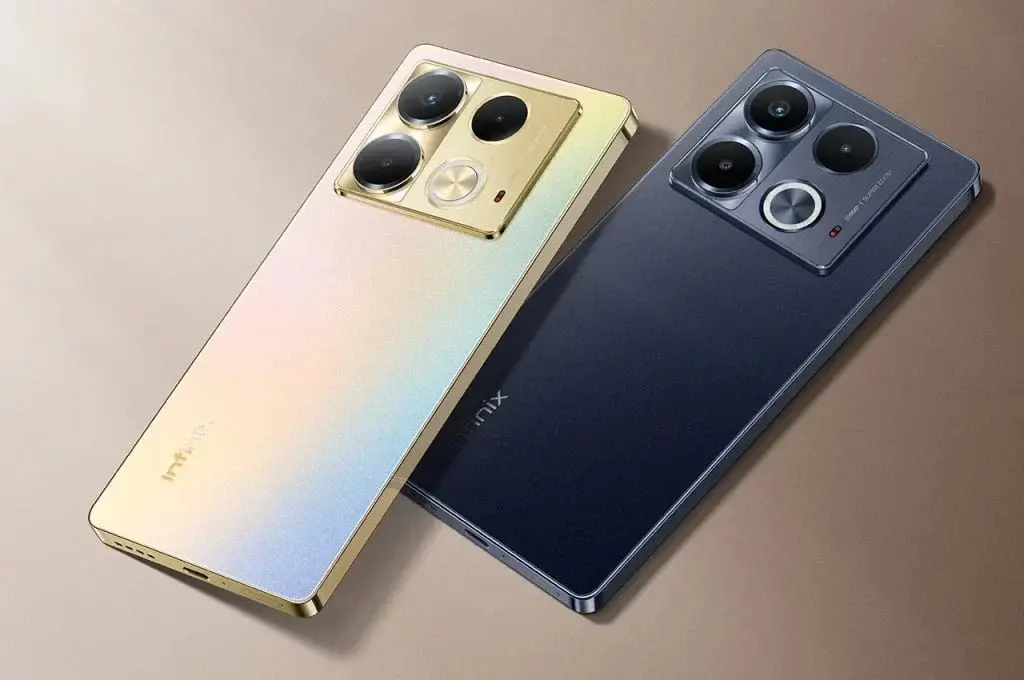
    Infinix has introduced a new lineup of smartphones today, unveiling the Note 40 series which includes the Note 40 and Note 40 Pro 4G, Note 40 Pro 5G, and Note 40 Pro+ 5G models. The 5G versions boast higher-end specifications compared to their 4G counterparts within the range. While the Note 40 Pro 5G and Pro+ 5G share many similarities, the Pro+ 5G stands out as the more premium option. Let's delve deeper into the details below.

    Infinix Note 40 Pro 5G and Note 40 Pro+ 5G Specifications and Features

    Both the Infinix Note 40 Pro 5G and Pro+ 5G feature a 6.78-inch 3D curved AMOLED display with FHD+ resolution, 1,300 nits peak brightness, and a 120Hz refresh rate. These phones come equipped with an in-screen fingerprint sensor and are protected by Corning Gorilla Glass.

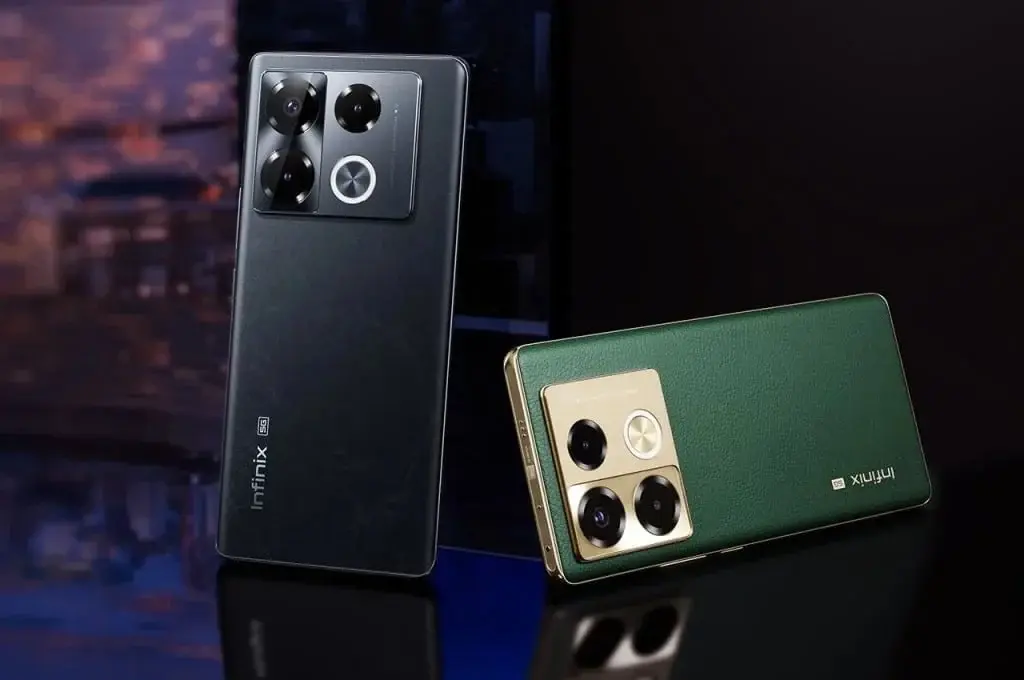
    The slim design of the Infinix Note 40 Pro 5G and Pro+ 5G showcases a rectangular rear camera setup. The 'Active Halo' AI lighting on these devices adapts to different functions such as incoming calls and notifications. Moreover, they come with stereo speakers tuned by JBL.

    Camera and Performance

    In terms of photography, both models sport a triple camera configuration featuring a 108MP primary camera with OIS, a 2MP macro lens, and a 2MP depth sensor. These smartphones can record videos in 2K resolution and are equipped with a 32MP front-facing camera for selfies.

    Under the hood, the Infinix Note 40 Pro 5G and 40 Pro+ 5G are powered by a Dimensity 7020 processor. The former offers 8GB of RAM while the latter boasts 12GB. Both devices come with 256GB of internal storage expandable via a microSD card slot and are fueled by the brand's proprietary Cheetah X1 chipset. The Pro+ 5G features a 4,600mAh battery with 100W charging support, while the Pro 5G includes a larger 5,000mAh battery with 45W charging capability. Additionally, both phones support 20W wireless charging.

    Pricing and Availability

    The Infinix Note 40 Pro+ is priced starting at $309, while the Note 40 Pro 5G starts at $289 for the base models. Prices may vary depending on the region, and the phones are set to be available globally from March 19. Color options for these devices include Vintage Green, Obsidian Black, and Titan Gold.

  • Moto X50 Ultra to Feature Snapdragon 8s Gen 3 Chip First

    Moto X50 Ultra to Feature Snapdragon 8s Gen 3 Chip First

    Lenovo made an announcement today unveiling that the Moto X50 Ultra will be the pioneer in featuring the Snapdragon 8s Gen 3 chip, with a particular emphasis on AI. Interestingly, this device will hit the global market as the Motorola Edge 50 Pro on April 3rd.

    Motorola Edge 50 Pro: Key Specifications & Features

    The Moto X50 Ultra, also known as the Motorola Edge 50 Pro, is currently listed as "Launching Soon" on Flipkart, showcasing its essential specifications and features.

    Display and Camera Highlights

    This smartphone, powered by the Snapdragon 8s Gen 3 chip, showcases a 6.7-inch, 1.5K, 144Hz pOLED panel that promises a vivid range of authentic colors verified by Pantone, a renowned global color authority. The panel offers 2000 nits peak brightness, HDR10+ support, a 100% DCI-P3 color gamut rating, and "SGS Eye Protection."

    On the rear side, a 50MP AI-fueled "Pro-Grade Camera," also validated by Pantone, delivers true-to-life images and videos with accurate color representation. The device also includes AI-driven features like adaptive stabilization, auto-focus tracking, an AI photo enhancement engine, a tilt mode, among others.

    Battery and Charging Options

    Initial speculations hinted at a 4500 mAh battery along with 125W wired and 50W wireless charging support. The Motorola Edge 50 Pro will be available in Black, Purple, and Silver color variants globally. Contrary to expectations of using the Snapdragon 8 Gen 3 chip (similar to its predecessor, the Motorola Edge 40 Pro), the Moto X50 Ultra has officially confirmed the adoption of the newly released Snapdragon 8s Gen 3 chip, diverging from the 2024 flagship chip model.

  • Honor Magic 6 Ultimate Edition: Snapdragon 8 Gen 3 & Super Dynamic Eagle Eye Camera

    Honor Magic 6 Ultimate Edition: Snapdragon 8 Gen 3 & Super Dynamic Eagle Eye Camera

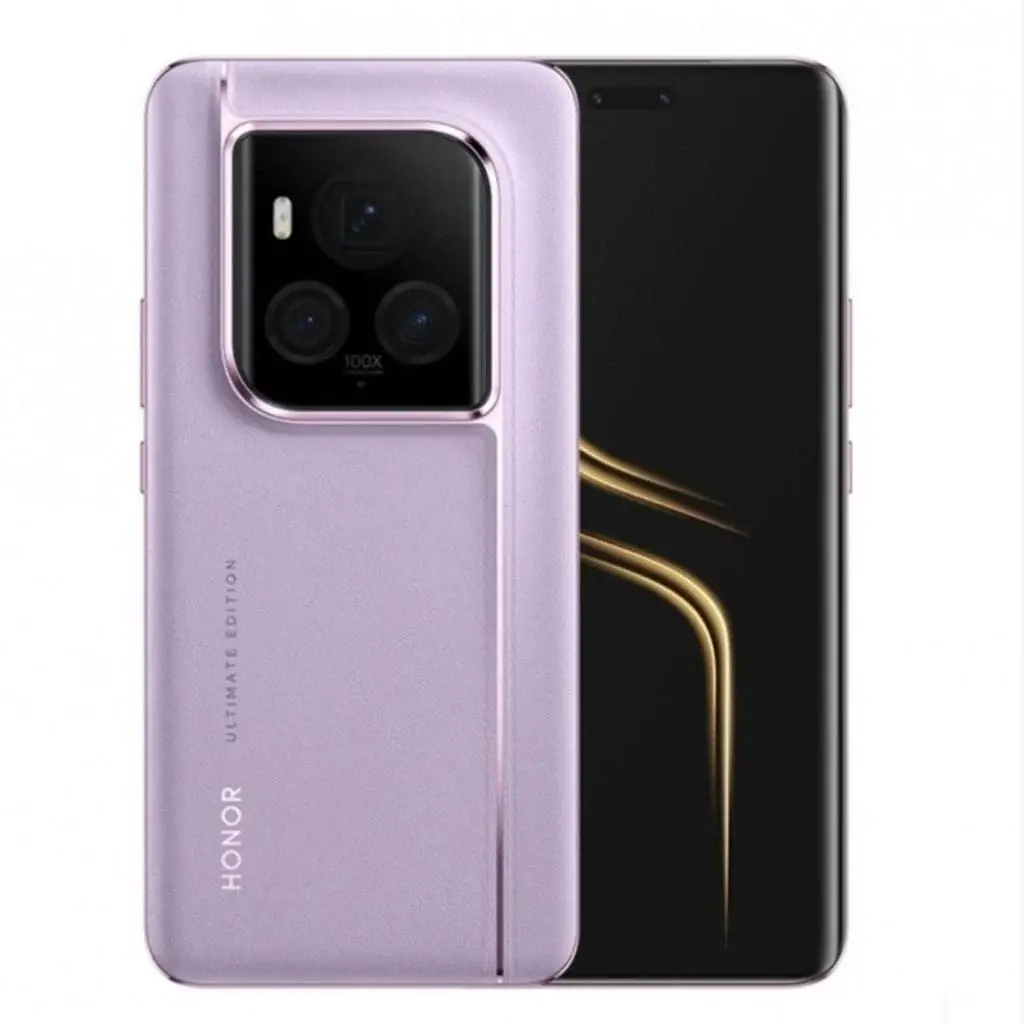
    Honor recently showcased its latest technological innovations at an event in China, introducing the Honor Magic 6 Ultimate Edition among other products like the Honor Band 9. Despite some specifications being leaked prior to the event, the Honor Magic 6 Ultimate managed to captivate tech enthusiasts with its impressive features. Let’s delve into the details of this cutting-edge device.

    Honor Magic 6 Ultimate Edition Specs

    The Honor Magic 6 Ultimate Edition runs on Qualcomm’s Snapdragon 8 Gen 3 processor, coupled with a substantial 16 GB of RAM and storage options of 512 GB or 1 TB, aligning it with competitors like the Galaxy S24 Ultra. The device boasts a sizable 6.8-inch display with a resolution of 2800×1280 and a 120Hz LTPO OLED panel, as previously rumored.

    Innovative Camera Features

    One of the standout features of the Magic 6 Ultimate Edition is its revolutionary "super dynamic eagle eye camera," which rivals the quality of SLR cameras. This cutting-edge system incorporates the industry’s first super dynamic eagle eye main camera – the H9800 (Howell OV50K), featuring a large 1/1.3″ sensor, a wide 15EV dynamic range, a versatile F1.4-2.0 variable aperture, and OIS.

    Advanced Imaging Capabilities

    Setting new standards in smartphone photography, the Magic 6 Ultimate Edition includes a 1200-point laser radar array focusing system and a mobile imaging system inspired by autonomous driving tech. This unique combination enables SLR-grade motion capture from all angles, while the LOFIC image sensor ensures exceptional performance in high-dynamic-range scenes, even in challenging lighting conditions.

    Design and Pricing

    Measuring 8.9mm in thickness and weighing 227g, the phone houses a robust 5600mAh battery supporting 80W wired and 66W wireless charging. It is IP68 certified for water and dust resistance and introduces dual-directional satellite communication, a distinctive feature of the Honor Magic 6 Ultimate Edition. Available in black and purple, this sleek device is priced as follows:

    • 16 GB RAM + 512 GB ROM Honor Magic 6 Ultimate Edition: 6,999 yuan
    • 16 GB RAM + 1 TB ROM Honor Magic 6 Ultimate Edition: 7,699 yuan

    The Honor Magic 6 Ultimate Edition is now open for pre-orders and is set to hit the market on March 22nd.


    Honor Magic 6 Ultimate Edition: Snapdragon 8 Gen 3 & Super Dynamic Eagle Eye Camera
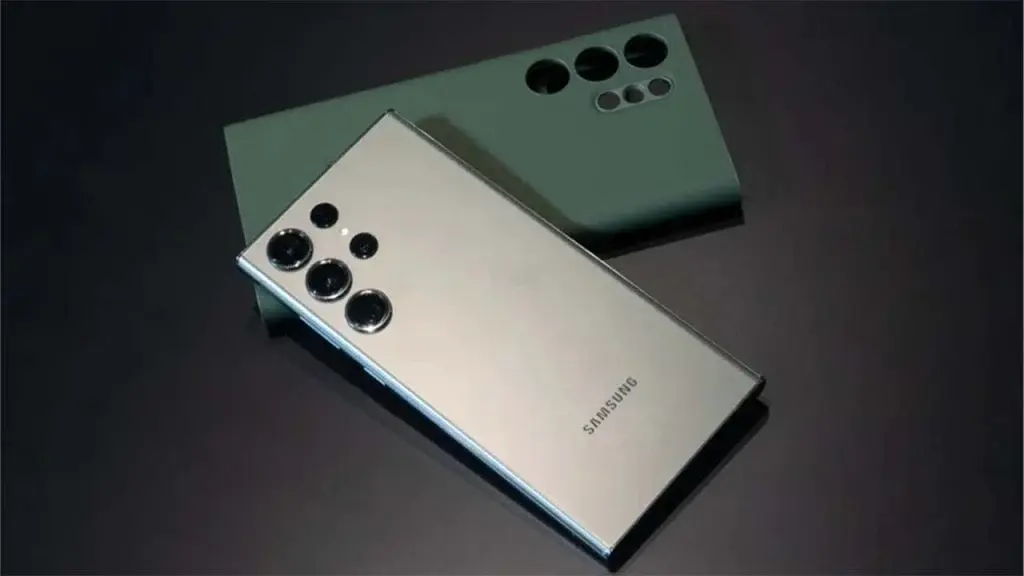
  • Samsung Galaxy S24 Ultra: Fixing Dark Photo Camera Issue

    Samsung Galaxy S24 Ultra: Fixing Dark Photo Camera Issue

    Samsung introduced the Galaxy S24 Ultra at the beginning of the year, and subsequent updates have enhanced its overall usability. However, a particular problem concerning the camera, which results in dark photographs in certain scenarios, has surfaced.

    Samsung Acknowledges Camera Issue

    Samsung has acknowledged the presence of this issue affecting the Galaxy S24 Ultra and has reassured users that a solution is in the works. Fortunately, the problem is not widespread among Galaxy S24 Ultra users, as it necessitates specific camera adjustments to manifest. Specifically, the issue arises when users lock the auto exposure between 1.6-1.9x and 4.6-9.9x zoom within the camera application before capturing an image.

    Working Towards a Solution

    Samsung is actively addressing the camera issue on the Galaxy S24 Ultra, aiming to rectify it in the near future. While the problem may not affect all users, the company's commitment to resolving it underscores their dedication to enhancing the overall user experience on their flagship device.

  • Honor Magic 6 RSR Porsche Design: 6.80″ OLED Display, SDGen3 Debut in China

    Honor Magic 6 RSR Porsche Design: 6.80″ OLED Display, SDGen3 Debut in China

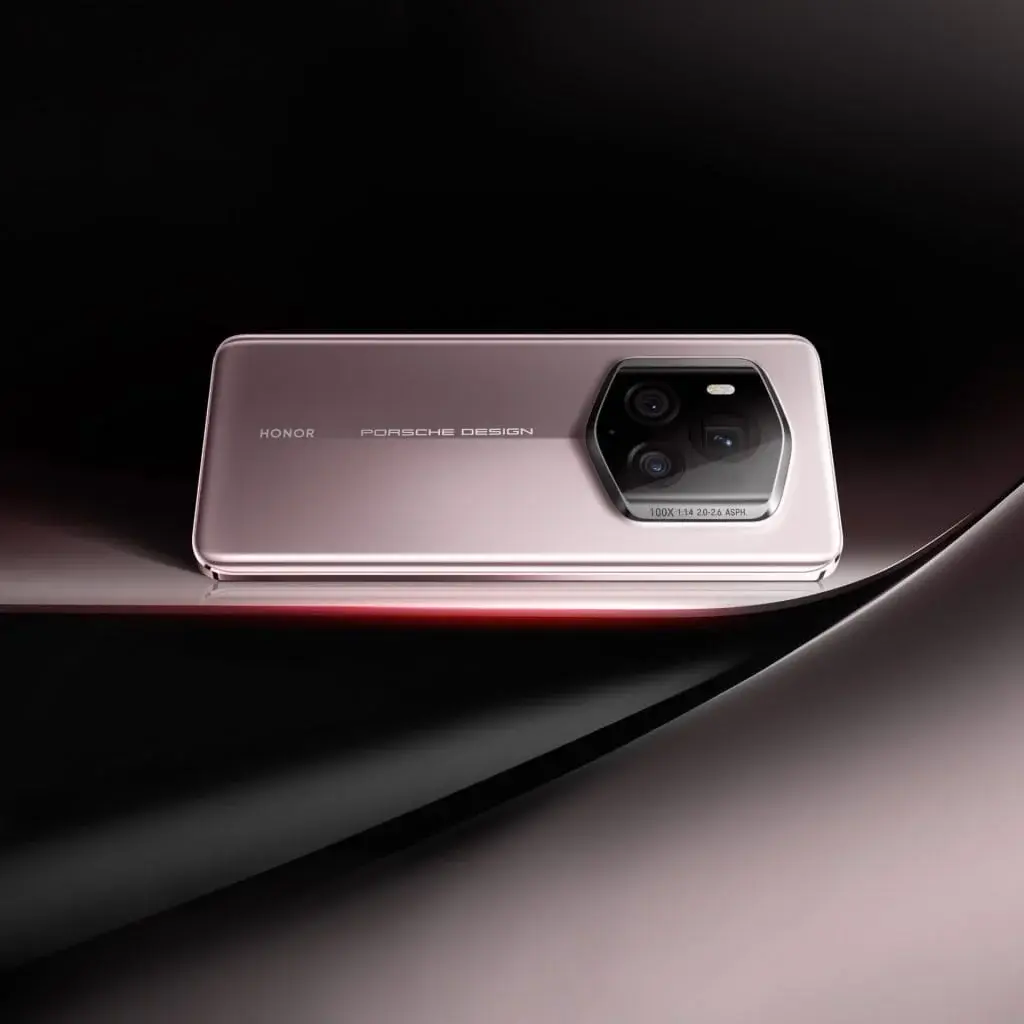
    As anticipated, Honor has introduced its newest flagship smartphone, the Honor Magic 6 RSR Porsche Design, alongside the Magic 6 Ultimate, MagicBook Pro 16 series, and Band 9 at a recent product launch event in China. This highly awaited phone showcases a luxurious design created in partnership with Porsche.

    Honor Magic 6 RSR Porsche Design Specifications:

    The majority of this smartphone’s specifications closely resemble those of the Honor Magic 6 Ultimate, with its differentiating factor lying in its design. The smartphone’s design elements take inspiration from the Porsche Taycan. The rear cover and metal frame draw from the "front vertical styling aesthetics" of the car, while the rear camera module mirrors the hexagonal structure of Porsche, replicating its original color and texture.

    In terms of the display, the Magic 6 RSR Porsche Design sports a 6.80-inch OLED screen with a 19.69:9 aspect ratio and an FHD+ resolution of 1280×2800 pixels. It features True 1.07 billion colors with DCI-P3 wide color gamut support and includes Honor Oasis Eye Protection Screen technology, offering features such as 4320Hz PWM dimming, eye protection mode, natural light-like eye protection, and sleep aid display.

    The display also supports HDR for both images and videos, with a peak brightness of 5000 nits for HDR content and 1800 nits globally. It incorporates LTPO 1-120Hz Adaptive Refresh Rate technology for smooth performance and battery conservation. The screen is a quad-curved display and is safeguarded by Honor Diamond Giant Rhino Glass.

    The device is fueled by Qualcomm’s latest Snapdragon 8 3 SoC with Adreno 750 GPU, running on MagicOS 8.0 based on Android 14 out of the box. It offers 24GB of RAM and 1TB of internal storage.

    Camera and Battery Features:

    The Honor Magic 6 RSR Porsche Design features a triple rear camera setup, including a 50MP wide-angle camera with OIS, a 180MP periscope telephoto camera with OIS, and a 50MP ultra-wide-angle camera. The primary camera boasts an Ultra Dynamic Variable Eagle Eye H9800 sensor, LOFIC technology, and a large 1/1.3-inch photosensitive component. It supports video recording up to 4K 60 FPS and slow-motion video at 1080P with frame rates of 120/240 FPS.

    On the front, the device includes a 50MP wide-angle camera with a 3D depth camera for video recording at up to 4K resolution, offering EIS video stabilization, video beautification, and multi-camera recording.

    In the battery department, the phone is equipped with a 5600mAh battery supporting 80W fast charging with Honor SuperCharge technology, 66W wireless charging with Honor Wireless SuperCharge capability, and reverse wireless charging. It features DTS:X Ultra Sound Effects and stereo speakers, is IP68 rated for dust and water resistance, and includes a USB Type-C interface.

    Pricing and Availability:

    The Honor Magic 6 RSR Porsche Design is available in Agate Gray and Frozen Berry Pink colors, priced at 9999 yuan ($1,389). Pre-sales commence at 21:08 tonight, with the official sale


  • Apple’s GenAI Plans: Gemini AI Possibly Arriving on iPhones

    Apple’s GenAI Plans: Gemini AI Possibly Arriving on iPhones

    Generative AI has made significant advancements over the past couple of years, with its integration into consumer electronics such as smartphones and laptops becoming more prevalent. Tech giants like Google, Microsoft, and Samsung have embraced this technology trend, positioning themselves at the forefront of innovation. In contrast, Apple seems to be falling behind in this race, prompting the Cupertino-based company to reevaluate its AI strategies.

    Apple's Potential Collaboration with Google for AI Integration

    Recent reports from Bloomberg suggest that Apple is actively engaging in discussions with Google to incorporate its Gemini AI engines into iPhones. Furthermore, Apple has also been exploring collaborations with OpenAI's ChatGPT. This move indicates that Apple's internal AI development may not be on par with that of its competitors, such as Google. Internal tests on an Apple chatbot named Apple GPT and a large language model known as Ajax have hinted at the company's AI technology lagging behind its rivals.

    Strategic Shift in Apple's Approach to AI

    Apple's CEO, Tim Cook, had previously emphasized the company's interest in the GenAI sector during an earnings call. However, faced with the realization of their lagging position, Apple seems inclined towards partnering with external entities to leverage their AI models on iPhones. The recent acquisition of DarwinAI by Apple further underscores this strategic shift in their AI development approach.

    Implications of a Potential Apple-Google Partnership

    For Google, collaborating with Apple on integrating Gemini AI into iPhones could be a significant breakthrough, especially amidst recent controversies. While the specifics of branding and implementation of the AI model in Apple's devices remain uncertain, users can anticipate functionalities such as image generation, essay writing, and other tasks facilitated through an external provider or cloud service. Such a partnership would not only enhance the reach of Gemini AI but also leverage Apple's massive user base of over two billion iPhone users worldwide.

    Should the speculated deal between Apple and Google materialize, it has the potential to disrupt the AI industry landscape. Bloomberg suggests that any official announcement regarding this partnership is unlikely before the annual Worldwide Developers Conference (WWDC) scheduled for June. This strategic collaboration could mark a significant turning point in the evolution of AI technologies within consumer electronics.

  • Nothing Phone (2a) Update: Nothing OS 2.5.4 Released with Numerous Bug Fixes

    Nothing Phone (2a) Update: Nothing OS 2.5.4 Released with Numerous Bug Fixes

    The recent release of the Nothing Phone (2a) brought with it an initial update aimed at improving user experience and addressing bugs. However, some issues persisted, prompting Nothing to roll out another significant software update called Nothing OS 2.5.4. This latest update, although relatively small at 77.92MB, targets various problems that users have encountered.

    Camera Enhancements

    One of the key aspects of this update is the enhancement of the camera functionalities. Users can expect improvements in color accuracy, saturation, and optimized brightness in Ultra HDR photos. Notably, the update aims to deliver better portrait mode effects and ensure consistency between the main and ultra-wide cameras, thus enhancing the overall photography experience.

    Performance Boosts

    Apart from camera improvements, the update focuses on enhancing the phone's performance, particularly benefiting gamers with optimizations for popular games. Additionally, users can experience smoother animations when launching or closing applications. The Recorder widget has also been updated with improved animations for a more seamless experience.

    Bug Fixes

    In the realm of bug fixes, the update tackles a range of issues that have been reported by users. Problems such as flickering when launching apps from the lock screen, abnormal wallpaper display, incorrect representation of Wi-Fi or cellular data in Quick Settings, and a black screen during incoming calls under specific conditions have been addressed.

    Nothing Phone (2a) owners are encouraged to promptly download and install this latest update by navigating to Settings > System > System update. This update aims to enhance the overall functionality and user experience of the Nothing Phone (2a) by addressing various issues and introducing improvements across different aspects of the device.

  • Infinix Note 40 & Note 40 Pro 4G: AMOLED Displays, Halo LED Launched Worldwide

    Infinix Note 40 & Note 40 Pro 4G: AMOLED Displays, Halo LED Launched Worldwide

    Infinix Note 40 series has made its debut today in Malaysia, introducing four models: the standard, pro, pro 5G, and pro+ 5G versions. These new devices follow in the footsteps of the Note 30 and Note 30 Pro released in 2022, sharing a uniform design highlighted by a Halo AI lighting effect. Let's delve into the specifics of the Note 40 4G phones.

    Note 40 and Note 40 Pro Specifications and Features

    The Infinix Note 40 and Note 40 Pro 4G showcase a 6.78-inch AMOLED display with FHD+ resolution, 1,300 nits peak brightness, and a 120Hz refresh rate. While the Note 40 boasts a flat screen, the Pro model flaunts curved edges and both come with an in-display fingerprint reader.

    Design and Camera Setup

    Both the Infinix Note 40 devices feature a flat frame with a square camera module at the rear, hosting three sensors and an 'Active Halo' LED. This LED display alters based on various triggers like incoming calls, notifications, and charging status.

    Camera and Performance

    The standard Note 40 includes a triple rear camera setup with a 108MP main sensor, a 2MP secondary camera, and an AI lens. On the other hand, the Note 40 Pro carries the same primary sensor but incorporates OIS support, along with a 2MP secondary camera and lens. Additionally, both phones sport a 32MP front camera.

    Power and Pricing

    Powering the Infinix Note 40 and 40 Pro 4G is the Helio G99 Ultimate processor, paired with 8GB RAM extendable up to 16GB and 256GB internal storage. A 5,000mAh battery fuels the devices, with the standard model supporting 45W charging and the Pro model reaching up to 70W. Wireless charging is also enabled at 20W.

    The Infinix Note 40 is priced starting at $199, while the Note 40 Pro 4G begins at $259 for the base configurations, with variations in pricing across different regions. Global availability for these phones is set to commence on March 19.