Category: Phones

Stay updated with the latest phone news, reviews, and trends. Discover cutting-edge smartphones, features, and innovations in our Phones category at GizNewsDaily

  • OnePlus Unveils 27W Magnetic Mobile Cooler for Enhanced Gaming

    OnePlus Unveils 27W Magnetic Mobile Cooler for Enhanced Gaming

    Key Takeaways

    1. The Ice Point Magnetic Cooling Clip is a new accessory for the OnePlus 13T, priced at CNY 199 (around $27).
    2. The cooler is 40% smaller and weighs only 83 grams, making it lightweight and easy to attach to devices.
    3. It features a 27 W power output with a three-stage cooling system to prevent phone throttling during intense use.
    4. The device has dual-color lighting for a stylish look and is compatible with Oppo Mag and MagSafe-enabled iPhone models.
    5. Global availability information is not yet provided, but the OnePlus 13T and accessories may launch internationally soon.


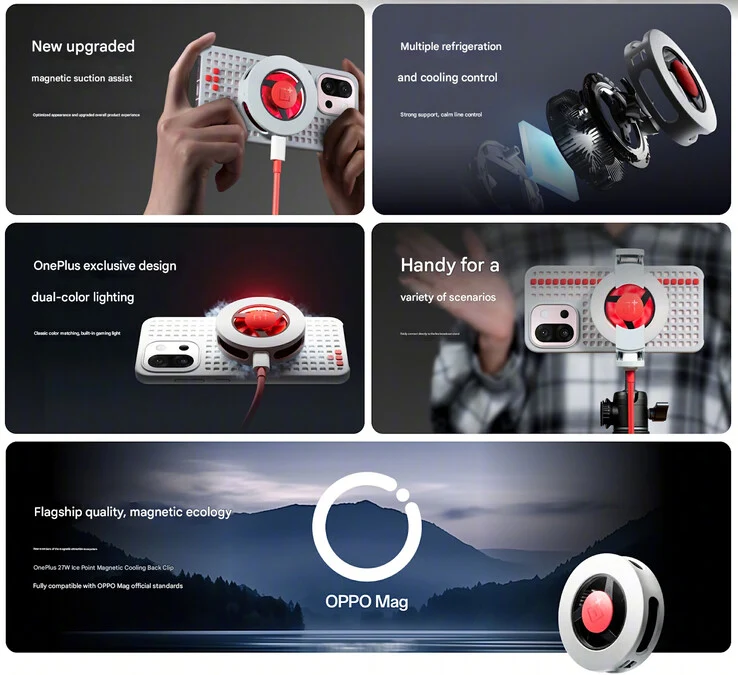
    While the OnePlus 13T is the star of the recent launch event, the company also unveiled several accessories. One notable accessory is the Ice Point Magnetic Cooling Clip. This mobile cooler is priced at CNY 199, which is around $27. It boasts a 27 W power output and features a slimmer and improved design compared to its predecessor.

    Improvements in Design

    The new mobile cooler is 40% smaller than the previous version from OnePlus. Additionally, it weighs only 83 grams, making it quite lightweight. Its thickness is approximately 23.5 mm, which allows for a seamless fit on devices. Thanks to its magnetic design, OnePlus assures users that attaching and removing the cooler from smartphones is quite simple.

    Enhanced Cooling Technology

    OnePlus emphasizes that the 27 W mobile cooler incorporates three main cooling stages, utilizing a TEC plate. This advanced cooling system is designed to prevent the phone from throttling, thus maintaining stable performance even during intense usage.

    Aesthetic Features and Compatibility

    An interesting feature of the Ice Point Magnetic Cooling Clip is its dual-color lighting, which adds a stylish touch for gamers. Moreover, this new cooling device is compatible with Oppo Mag standards, meaning it should also work with MagSafe-compatible iPhone models.

    As of now, there is no information regarding when it will be available globally. However, OnePlus is likely to launch the 13T in international markets soon. There’s a chance that the new magnetic cooler and the SuperVOOC 150 W power bank will also be released outside of China, along with the new compact Snapdragon 8 Elite flagship from OnePlus.

    Source:
    Link


  • Samsung Galaxy G Fold Expected to Be More Compact Than Huawei Mate XT

    Samsung Galaxy G Fold Expected to Be More Compact Than Huawei Mate XT

    Key Takeaways

    1. Huawei launched the world’s first tri-folding smartphone, the Mate XT, in September 2024, showcasing rapid innovation in the mobile industry.
    2. As of early 2025, no competitor has successfully challenged the Mate XT’s position in the market.
    3. Samsung’s upcoming “Galaxy G Fold” is expected to have a smaller main display of 9.9 inches, compared to the Mate XT’s 10.2 inches.
    4. The Galaxy G Fold will be a specialized device with limited stock, while the Mate XT has already sold around 420,000 units in China in 2025.
    5. The Galaxy G Fold is anticipated to launch later in 2025 alongside other foldable devices, including the Galaxy Z Fold7 and a budget-friendly version of the Galaxy Z Flip7.


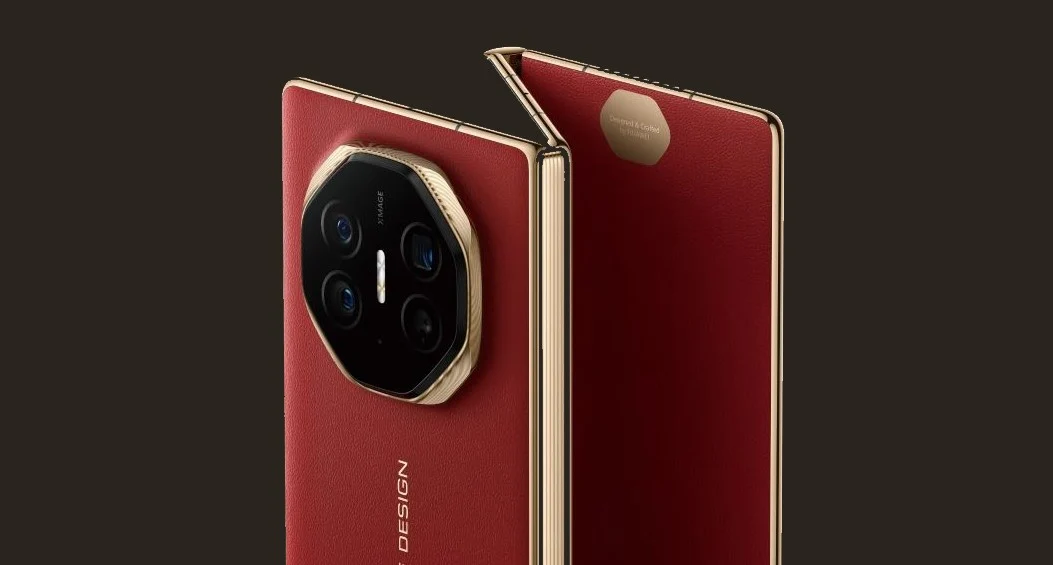
    Huawei achieved a remarkable milestone in September 2024 with the launch of the world’s first tri-folding smartphone that’s ready for market. This event highlights the rapid progress within the mobile industry and its capacity for swift innovation when necessary. Now, as we enter the second quarter of 2025, no competitor has yet presented a challenge to the Mate XT.

    Samsung’s Upcoming Rival

    Recently, the well-known leaker Digital Chat Station has claimed that a new competitor is on the verge of being unveiled, specifically the first-generation “Samsung Galaxy G Fold.” It’s uncertain if this device will share a similar design to the Mate XT, but its main display is anticipated to measure 9.9 inches diagonally, which is smaller than the 10.2 inches of Huawei’s offering.

    Market Position and Availability

    Moreover, Samsung appears to be positioning the “Galaxy G Fold” as a highly specialized gadget with limited stock. This isn’t too shocking considering the Mate XT is projected to have sold around 420,000 units in China so far in 2025, while its more traditional counterpart, the Mate X6, has reportedly reached nearly 1 million sales.

    Digital Chat Station further indicates that the “G Fold” will likely launch later in 2025, coinciding with the release of other more mainstream foldable devices like the Galaxy Z Fold7 and the Galaxy Z Flip7. Additionally, there’s mention of a new, possibly more budget-friendly, FE version of the Galaxy Z Flip7 that could also be coming soon.

    Source:
    Link

  • Samsung Galaxy Z Flip FE Rumored to Feature Exciting ‘X’ Factor

    Samsung Galaxy Z Flip FE Rumored to Feature Exciting ‘X’ Factor

    Key Takeaways

    1. Samsung is rumored to be developing a budget version of the Galaxy Z Flip7, possibly named Galaxy Z Flip FE or Galaxy Z Flip7 FE.
    2. There is speculation that the device may be released under a different name, potentially the Galaxy Z Flip Xe.
    3. The Galaxy Z Flip Xe name has appeared in IMEI databases and carrier websites.
    4. The budget Galaxy Z Flip is expected to feature an Exynos 2400e chipset and camera technology similar to the Galaxy Z Flip5.
    5. The release of the budget Galaxy Z Flip may not occur until Q4 2025, after the launch of the Galaxy Z Fold7 and Galaxy Z Flip7 in July.


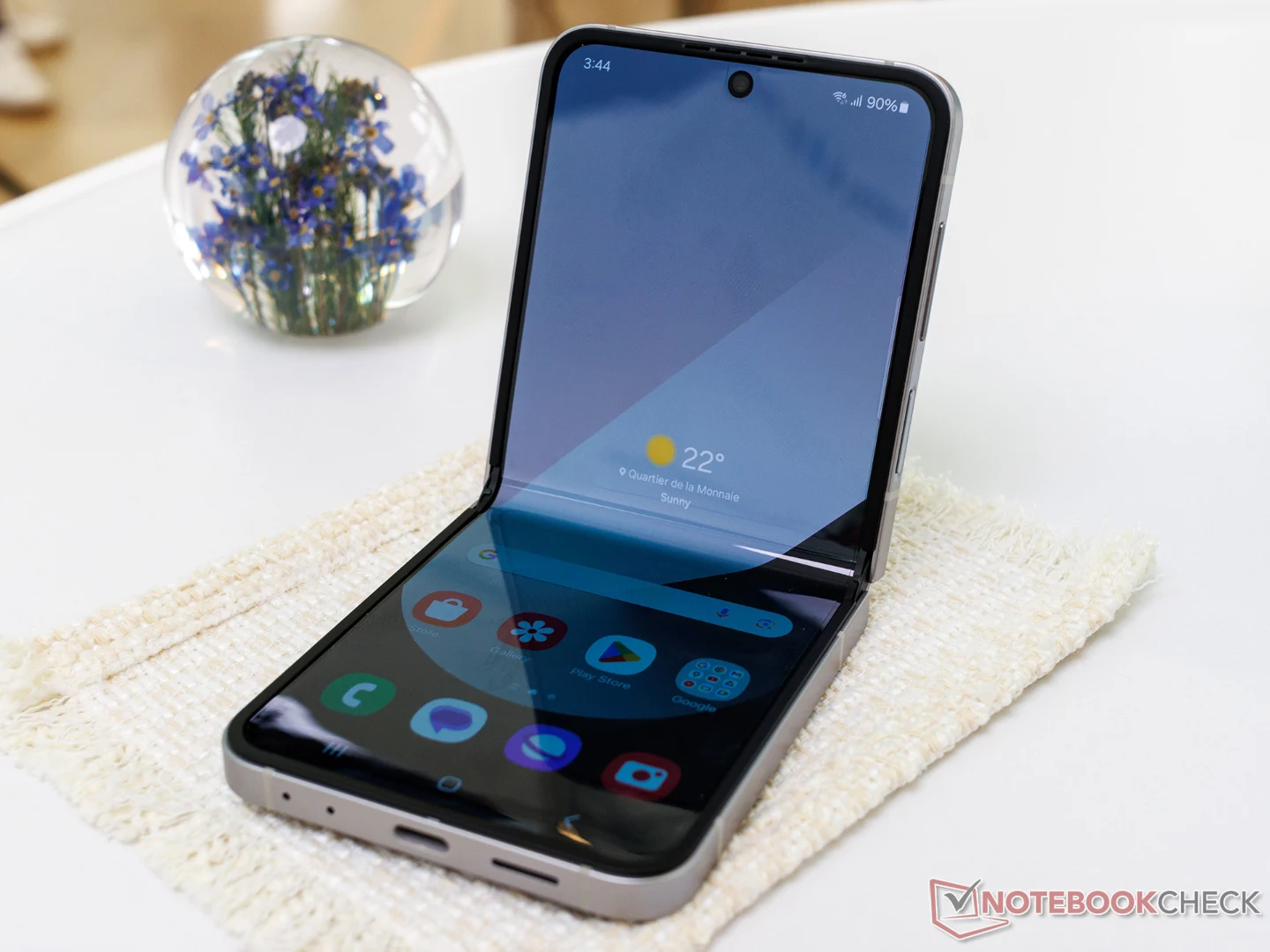
    The rumors about Samsung’s budget alternative to Motorola’s affordable clamshell foldable have been circulating for a while. To summarize, this device is thought to be a less expensive version of the Galaxy Z Flip7, similar to how the Galaxy S24 FE (currently priced at $499.99 on Amazon) relates to the rest of the Galaxy S24 lineup. Consequently, it has been frequently referred to as the Galaxy Z Flip FE or Galaxy Z Flip7 FE in various leaks.

    Possible Name Change

    But like the previous speculations about a Galaxy Z Fold FE, this Galaxy Z Flip FE might actually be released under a different name than what was initially suggested. There’s reportedly a growing amount of evidence that Samsung’s more affordable Galaxy Z Flip could completely omit the Fan Edition (FE) title.

    New Developments

    According to SamMobile, Samsung’s version of the new Motorola Razr 60 might be coming out later this year as the Galaxy Z Flip Xe. Presently, it’s unclear what ‘Xe’ signifies in relation to Samsung’s smartphone line. However, the website claims that the ‘Galaxy Z Flip Xe’ name has surfaced in IMEI databases and even on a few carrier websites.

    Regardless of its name, Samsung is likely to equip its budget Galaxy Z Flip with an Exynos 2400e chipset and camera technology from the Galaxy Z Flip5. The device, identified by the codename SM-F761, may not be available until Q4 2025, which is well after Samsung’s planned reveal of the Galaxy Z Fold7 and Galaxy Z Flip7 this July.

    Source:
    Link

  • Realme 14T: Affordable 5G Smartphone with Dimensity 6300 & 6000mAh

    Realme 14T: Affordable 5G Smartphone with Dimensity 6300 & 6000mAh

    Key Takeaways

    1. Budget-Friendly 5G Smartphone: The Realme 14T offers a strong set of features while being affordable in the 5G market.

    2. Powerful Performance: It is powered by a MediaTek Dimensity 6300 processor, with 8 GB of RAM and 256 GB of expandable storage.

    3. High-Quality Camera: The device features a dual rear camera setup with a 50 MP main camera and a 16 MP front-facing camera for selfies.

    4. Impressive Display and Battery: The smartphone has a 6.67-inch FHD+ AMOLED display with a 120 Hz refresh rate and a large 6,000 mAh battery supporting 45 W charging.

    5. Variety of Colors and Pricing: The Realme 14T comes in multiple colors, with a starting price of INR 17,999 ($210) for the base model and INR 19,999 ($234) for the higher storage variant.


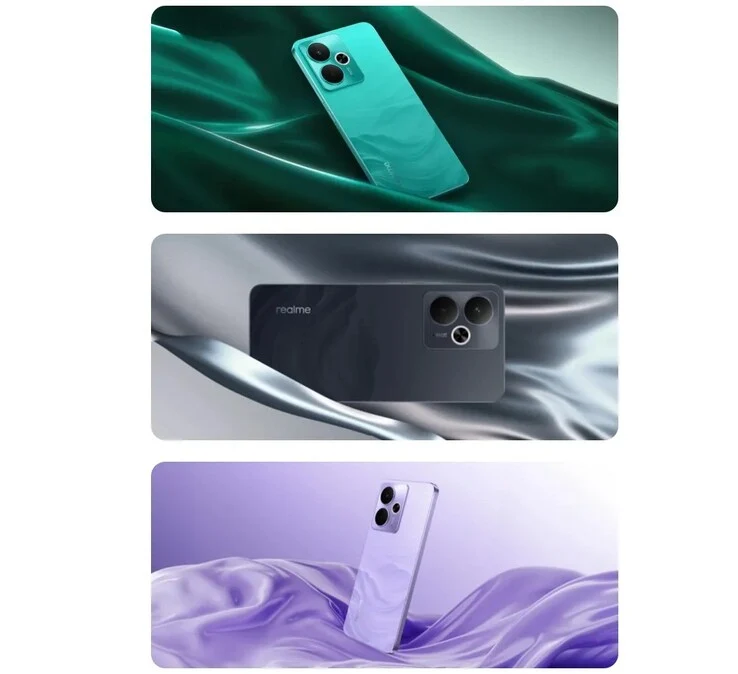
    Realme has introduced a new addition to its number series, the Realme 14T. This smartphone offers a solid range of features while remaining budget-friendly in the 5G market. As for its design, the device resembles the Realme 14 with a flat screen, a back panel that looks satin-like, and a rectangular camera area that houses two lenses and a flashlight.

    Performance and Specifications

    In this latest release, Realme has opted for a MediaTek processor. Specifically, the Realme 14T runs on a MediaTek Dimensity 6300 chip combined with 8 GB of LPDDR4X RAM and 256 GB of UFS 2.2 storage, which is expandable to an impressive 2 TB using a microSD card. On the software side, it operates on Android 15 with Realme UI 6.0 right out of the box. However, there’s no information from the company regarding future software updates.

    Camera and Battery

    The Realme 14T comes with a dual rear camera system, featuring a 50 MP main camera with an f/1.8 aperture, along with a 2 MP depth camera that has an f/2.4 aperture. For selfies and video calls, it includes a 16 MP front-facing camera with an f/2.4 aperture. The device is equipped with a robust 6,000 mAh battery that supports 45 W wired charging.

    Display and Additional Features

    This 5G smartphone showcases a 6.67-inch FHD+ AMOLED display, offering a refresh rate of 120 Hz and a maximum brightness of 2,100 nits. It is only 7.9 mm (0.31 inches) thick and weighs approximately 196 grams (0.43 lbs). Additional features encompass an in-display optical fingerprint sensor, IP69-rated dust and water protection, dual stereo speakers, and Wi-Fi 6 support.

    The Realme 14T 5G is launched in colors like satin-inspired obsidian black, surf green, and lightning purple. The starting price for the base model with 8 GB + 128 GB is INR 17,999 ($210), while the 8 GB + 256 GB version costs INR 19,999 ($234). It will be available for sale beginning April 30 through Realme’s official site, Flipkart, and other authorized sellers.

    Source:
    Link


  • Vivo X200 FE: Compact Flagship Rumored After X200 Ultra Launch

    Vivo X200 FE: Compact Flagship Rumored After X200 Ultra Launch

    Key Takeaways

    1. Vivo launched the X200s and X200 Ultra, featuring enhancements over the X200 and X200 Pro, including a 35 mm main camera in the Ultra model.
    2. The X200s is one of the first smartphones to use MediaTek’s Dimensity 9400+ chipset.
    3. Vivo is planning to release the X200 FE, anticipated in late June or early July, based on the X200 Pro mini.
    4. The X200 FE will have a 6.31-inch LTPO OLED screen and a triple camera setup, but will lack the ultra-wide-angle camera and the Dimensity 9400 chipset.
    5. The X200 FE is expected to feature the yet-to-be-announced Dimensity 9400e chipset, which may offer lower performance than the Dimensity 9400, limiting its competitiveness against high-end compact smartphones.


    Vivo has just launched the X200s and X200 Ultra after a lengthy teaser period. To summarize, both devices come with several enhancements compared to the current X200 and X200 Pro. Notably, the X200 Ultra boasts a 35 mm main camera. On the other hand, the X200s is among the first smartphones to incorporate MediaTek’s Dimensity 9400+ chipset, sharing this honor with the Oppo Find X8s and Find X8s Plus.

    Upcoming X200 Series Refresh

    However, there are now whispers that Vivo is already gearing up for another update to the X200 series. It seems the company is working on the X200 FE, which is anticipated to be unveiled at the start of the next season. SmartPrix points to a potential launch in late June or early July, but they have not provided any further details about it.

    Features of the X200 FE

    Reportedly, the X200 FE is based on the X200 Pro mini. SmartPrix notes that the X200 FE will inherit features from the X200 Pro mini, such as its 6.31-inch LTPO OLED screen and the triple camera setup with a 50 MP main, 50 MP telephoto, and 50 MP selfie cameras. However, the X200 FE is expected to lack the 50 MP ultra-wide-angle camera featured in the X200 Pro mini, along with its MediaTek Dimensity 9400 chipset.

    Performance Expectations

    Instead, it’s believed that Vivo will use the Dimensity 9400e, which MediaTek has yet to officially announce. Based on its naming, the Dimensity 9400e will probably offer lower performance compared to the Dimensity 9400, much like how the Dimensity 9400+ is a more powerful version. This suggests that the X200 FE might not compete as well against other high-end compact smartphones like the new OnePlus 13T or the current Galaxy S25, which is priced at $779.99 on Amazon. As things stand, the X200 FE is expected to launch solely in India, where the X200 Pro mini is still unavailable.

    Source:
    Link

  • Oppo’s New Budget Phone: iPhone Lookalike with Military Grade Durability

    Oppo’s New Budget Phone: iPhone Lookalike with Military Grade Durability

    Key Takeaways

    1. The Oppo A5 Pro 5G features a 6.67-inch LCD display with a 120Hz refresh rate and HD+ resolution.
    2. It has a dual camera setup on the back, including a 50MP main camera and an 8MP front camera for selfies.
    3. The smartphone is powered by a 5,800mAh battery with 45W fast charging and runs on MediaTek Dimensity 8300 chipset with 8GB RAM.
    4. It is available in two storage options (8GB + 128GB for 17,999 INR and 8GB + 256GB for 19,999 INR) and comes in Feather Blue and Mocha Brown colors.
    5. The device is waterproof with an IP66 + IP68 + IP69 rating and is available for purchase on platforms like Flipkart and Amazon.


    A new budget smartphone from Oppo has just been launched in India. This device is the Oppo A5 Pro 5G, and it comes with a design that’s both familiar and sturdy, plus it is waterproof. Let’s dive into the details, including its specifications, pricing, and more.

    Oppo A5 Pro 5G: Features Overview

    The well-known Chinese tech company has previously introduced the Oppo A5 Pro 4G and A5 Pro 5G to the global market. Now, the 5G version is finally available in India. This smartphone features a large 6.67-inch LCD display with a 120Hz refresh rate and an HD+ resolution. On the back, it sports a dual camera setup resembling the iPhone’s design, consisting of a 50MP main camera and a 2MP monochrome sensor. For selfies and video calls, it has an 8MP front-facing camera.

    Specs and Performance

    A powerful 5,800mAh battery fuels the Oppo A5 Pro 5G, which supports 45W fast charging via a wired connection. It comes with the MediaTek Dimensity 8300 chipset, alongside 8GB of RAM and offers up to 256GB of internal storage. Other key highlights include the Android 15 operating system with ColorOS 15 custom skin pre-installed, a side-mounted fingerprint scanner, a slim profile of just 7.76mm, and advanced water resistance rated IP66 + IP68 + IP69.

    Pricing, Color Choices, and Where to Buy

    The Oppo A5 Pro 5G is available in two color variants: Feather Blue and Mocha Brown. The starting price is set at 17,999 INR for the 8GB + 128GB model, whereas the 8GB + 256GB version is priced at 19,999 INR. Additionally, there’s an instant bank discount of 1500 on selected credit cards. You can buy this smartphone from platforms like Flipkart, Amazon, the official Oppo website, and in major retail outlets.

  • Redmi Turbo 4 Pro Launches with First Snapdragon 8s Gen 4 Chip

    Redmi Turbo 4 Pro Launches with First Snapdragon 8s Gen 4 Chip

    Key Takeaways

    1. The Redmi Turbo 4 Pro is the first smartphone to feature the Snapdragon 8s Gen 4 processor, enhancing performance and durability.
    2. It has a 6.83-inch 1.5K LTPS display with a brightness of up to 3200 nits and slim bezels, designed for optimal viewing.
    3. The phone is built with aviation-grade aluminum and is rated IP66, IP68, and IP69, ensuring water and dust resistance.
    4. The camera setup includes a 50MP main sensor, an 8MP ultra-wide camera, and a 20MP front camera, with a robust 7550mAh battery supporting fast charging.
    5. A special Harry Potter Edition is available, featuring unique design elements and themed packaging, with prices starting from 2199 yuan.


    Xiaomi has unveiled the Redmi Turbo 4 Pro in China, a new smartphone designed for high performance and durability. Its standout feature is that it is the first device to utilize the Snapdragon 8s Gen 4 SoC.

    Features of Redmi Turbo 4 Pro

    The Turbo 4 Pro comes equipped with a 6.83-inch 1.5K LTPS flat screen made from M9 luminous material. The display can reach a brightness level of 3200 nits, featuring dual brightness calibration settings at 100 and 600 nits. The bezels are slim on three sides (1.5mm), while the chin is slightly thicker at 1.9mm.

    This device is the inaugural phone to be powered by the Snapdragon 8s Gen 4 processor. It includes a dual-loop 3D ice cooling system measuring 6000mm² and Xiaomi’s Rage Engine 4.0, which help ensure stable performance even during intense usage. The phone is 7.98 mm thick and has a sturdy body made from aviation-grade aluminum alloy. Techniques like CNC machining and sandblasting contribute to its robust feel, and it can endure up to 70kg of pressure. The phone is rated IP66, IP68, and IP69, providing water- and dust-resistance even in harsh conditions.

    Camera and Battery Specifications

    The Redmi Turbo 4 Pro features a metal camera housing with a 50MP main sensor and an 8MP ultra-wide camera, along with a light ring that can adjust brightness levels. The device is powered by a 7550mAh battery that supports 90W wired charging and 22.5W reverse charging. Additionally, it includes Xiaomi’s offline positioning technology that operates without GPS.

    The camera setup consists of a 50MP Sony LYT-600 sensor with OIS and EIS, an 8MP ultra-wide camera, and a 20MP front-facing camera. For connectivity, it supports 5G SA/NSA, Dual 4G VoLTE, Wi-Fi 6, Bluetooth 5.4, GPS, GLONASS, Galileo, QZSS, NavIC, USB Type-C, and NFC. It also has an in-display fingerprint sensor, stereo speakers, and an infrared sensor. The phone weighs 219g and has dimensions of 163.1 x 77.93 x 7.98mm.

    Special Edition and Pricing

    Xiaomi has also announced a special Harry Potter Edition of the Redmi Turbo 4 Pro, which comes with 16GB of RAM and 512GB of storage. This edition features a beveled camera area, 3D nanolithography, and visuals inspired by Harry Potter. It is packaged in a custom black-and-gold Deathly Hallows gift box and includes a themed interface.

    The Redmi Turbo 4 Pro starts at 2199 yuan for the 12GB + 256GB variant, with the price going up to 2999 yuan for the 16GB + 1TB model. The Harry Potter Edition is priced at 2799 yuan. A global launch is anticipated, possibly under the name POCO F7 in India. The base model currently has a discount of 200 yuan.

    Source:
    Link


  • Motorola Razr 60, 60 Ultra, and Razr+ 2025: Specs, Prices, Release

    Motorola Razr 60, 60 Ultra, and Razr+ 2025: Specs, Prices, Release

    Key Takeaways

    1. Powerful Specifications: The Razr 60 Ultra features a Snapdragon 8 Elite chipset, 16GB RAM, and a 7-inch 1.5K pOLED display, while the standard Razr 60 has a MediaTek Dimensity 7400X processor, 8GB RAM, and a 6.96-inch FHD+ display.

    2. Enhanced Durability: Both models have IP48 ratings for dust and water resistance and a titanium-reinforced hinge that is four times stronger than surgical-grade stainless steel.

    3. Advanced Camera and AI Features: The Razr 60 Ultra includes a triple 50MP camera system and AI enhancements for photography, while both models offer new Moto AI features for task organization and hands-free activation.

    4. Fast Charging and Battery Life: The Razr 60 Ultra has a 4700mAh battery with 68W TurboPower charging, fully charging in 8 minutes, while the Razr 60 has a 4500mAh battery with 30W wired charging.

    5. Pricing and Availability: The Razr 60 Ultra is priced at $1,300 in the US, while the Razr 60 costs $700. Pre-orders start on May 7, with full availability on May 15.


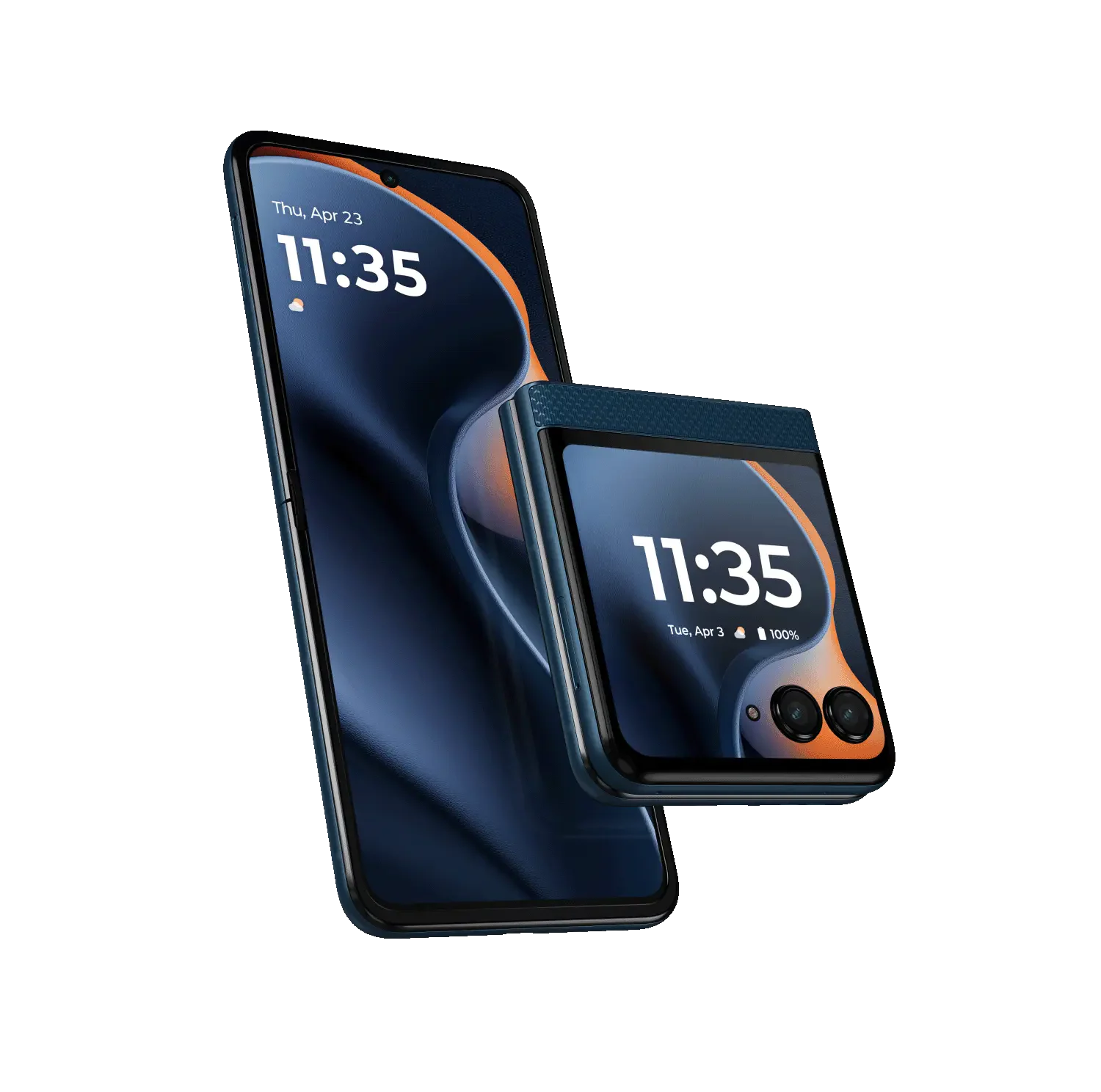
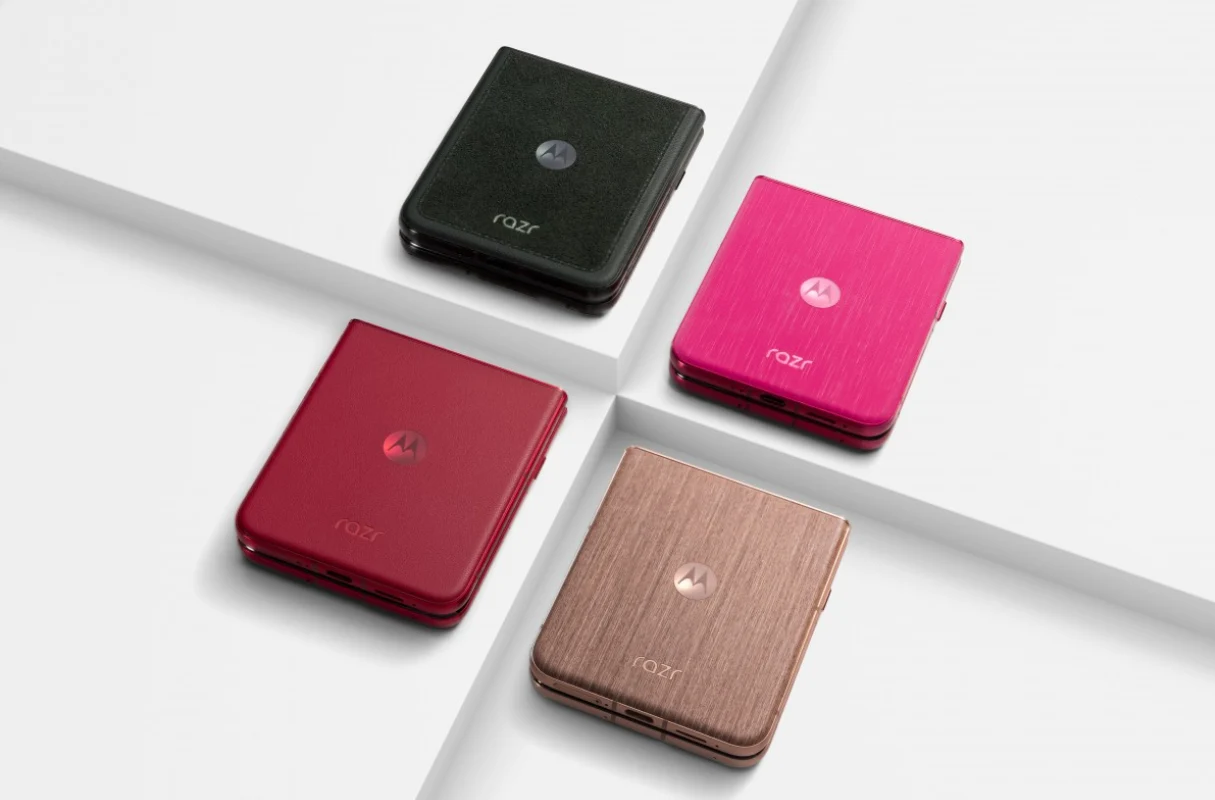
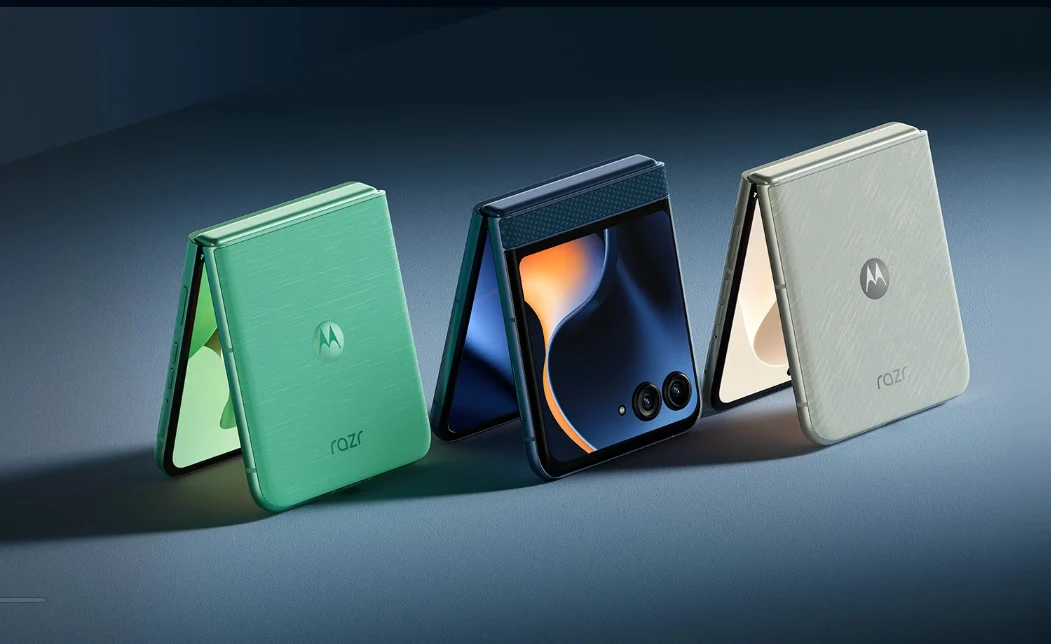
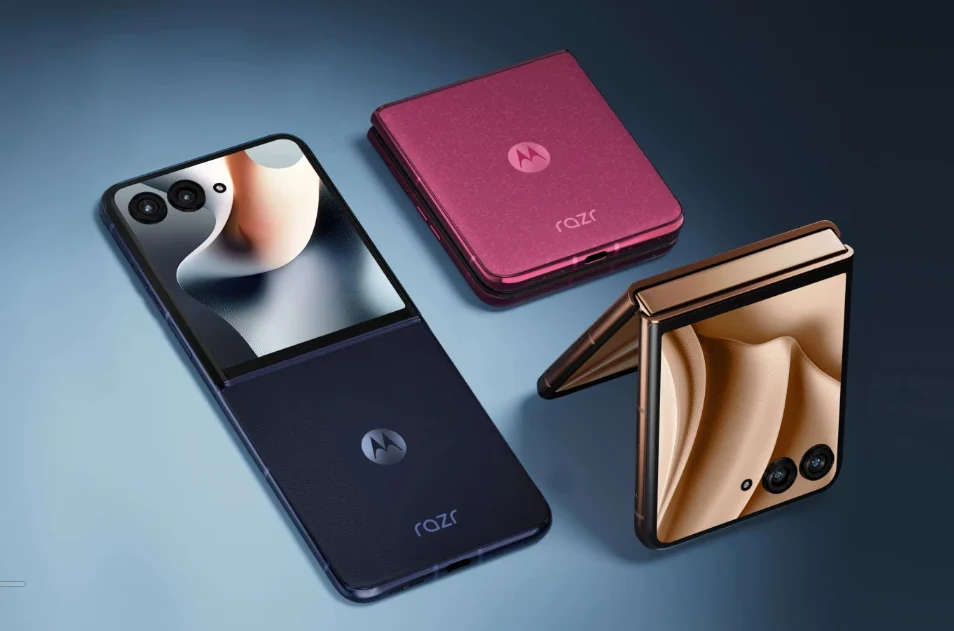
    Motorola has globally introduced its latest foldable smartphones—the Razr 60 and Razr 60 Ultra, also known as the Razr and Razr Ultra 2025. These new models come with significant improvements in their design, display, performance, and AI features.

    Razr 60 Ultra Specifications

    The Razr 60 Ultra is powered by the Snapdragon 8 Elite 3nm chipset and features an Adreno 830 GPU. It boasts 16GB of LPDDR5X RAM and offers 512GB of UFS 4.1 storage. The device sports a 7-inch 1.5K pOLED LTPO internal display, which features a refresh rate ranging from 1 to 165Hz, Dolby Vision, Pantone Validation, and can achieve up to 4,000 nits brightness. Additionally, the 4-inch external pOLED LTPO display also supports a 1 to 165Hz refresh rate, reaching 3,000 nits brightness, and is safeguarded by Gorilla Glass Ceramic.

    Moto Razr 60 Features

    The standard Razr 60 is equipped with the MediaTek Dimensity 7400X processor, along with 8GB of LPDDR4X RAM and 256GB of UFS 2.2 storage. It features a 6.96-inch FHD+ pOLED LTPO internal screen with a refresh rate of 1 to 120Hz and a peak brightness of 3000 nits. The external display measures 3.63 inches, operates at 90Hz, and can reach 1700 nits brightness, and it is protected by Gorilla Glass Victus.

    Both smartphones come with IP48 ratings for dust and water resistance and are designed with a titanium-reinforced hinge. Motorola assures that this hinge is four times stronger than surgical-grade stainless steel and can endure 35% more folds than previous models. They also feature Ultra Thin Glass for enhanced display smoothness and durability.

    Camera and AI Features

    The Razr 60 Ultra is equipped with a triple 50MP camera system, including main, ultra-wide, and front cameras, along with support for Dolby Vision video and Dolby Atmos audio. The Razr 60 includes a 50MP main sensor, a 13MP ultra-wide and macro lens, and a 32MP front camera. Both models incorporate AI enhancements for the camera such as adaptive stabilization, action shots, group shots, photo enhancement engine, and signature style.

    On the software front, Motorola has launched Moto AI, providing features like Catch Me Up, Pay Attention, Remember This, and Smart Connect. The Ultra version includes a dedicated AI Key and Look & Talk, enabling hands-free activation of Moto AI with just a glance at the phone. AI also assists users in organizing tasks, creating playlists or wallpapers, transcribing conversations, and mirroring content to other screens.

    Battery Life and Charging

    The Razr 60 Ultra contains a 4700mAh battery with 68W TurboPower charging, which can fully charge in just 8 minutes for a whole day of use. It also offers 30W wireless charging and reverse charging capabilities. The Razr 60 has a slightly smaller 4500mAh battery, with 30W wired charging that provides a full day’s power in 15 minutes, along with 15W wireless charging.

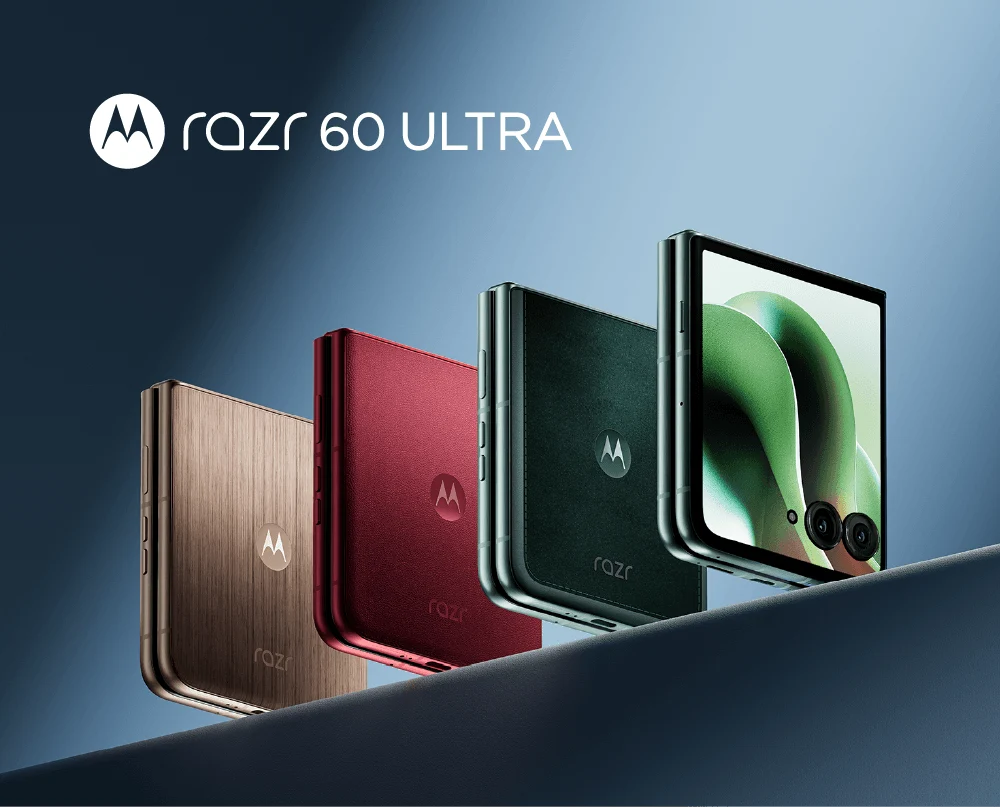
    The Razr 60 Ultra is available in various finishes including Alcantara, real wood, satin, and leather-inspired textures in colors like Pantone Scarab, Mountain Trail, Cabaret, and Rio Red. On the other hand, the standard Razr 60 comes in textures that mimic leather, nylon, and acetate in colors such as Pantone Gibraltar Sea, Spring Bud, Lightest Sky, and Parfait Pink.

    Pricing and Availability

    In the US, the Razr 60 Ultra is priced at $1,300 and £1,100 in the UK. The Razr 60 is available for $700 in the US and £800 in the UK. Pre-orders in the US will start on May 7, with full availability on May 15. There is also a US-exclusive Razr+ (2025) variant priced at $1,000, launching in Mocha Mousse and Hot Pink from June 3.

    Source:
    Link



  • Apple Unveils iPhone 16: Relax, It’s Here!

    Apple Unveils iPhone 16: Relax, It’s Here!

    Key Takeaways

    1. Apple promotes the iPhone 16’s durability with its Ceramic Shield, suggesting it can withstand drops without a case.
    2. The advertisement marks a shift in the smartphone industry, where brands typically encourage using cases for protection.
    3. Apple aims to compete with other brands emphasizing durability features, like water and dust resistance.
    4. While the Ceramic Shield is designed for improved protection, real-life drop scenarios may still pose risks.
    5. The debate over using a case versus going caseless is reignited, as some users may prefer the sleek design without a case despite the risks.


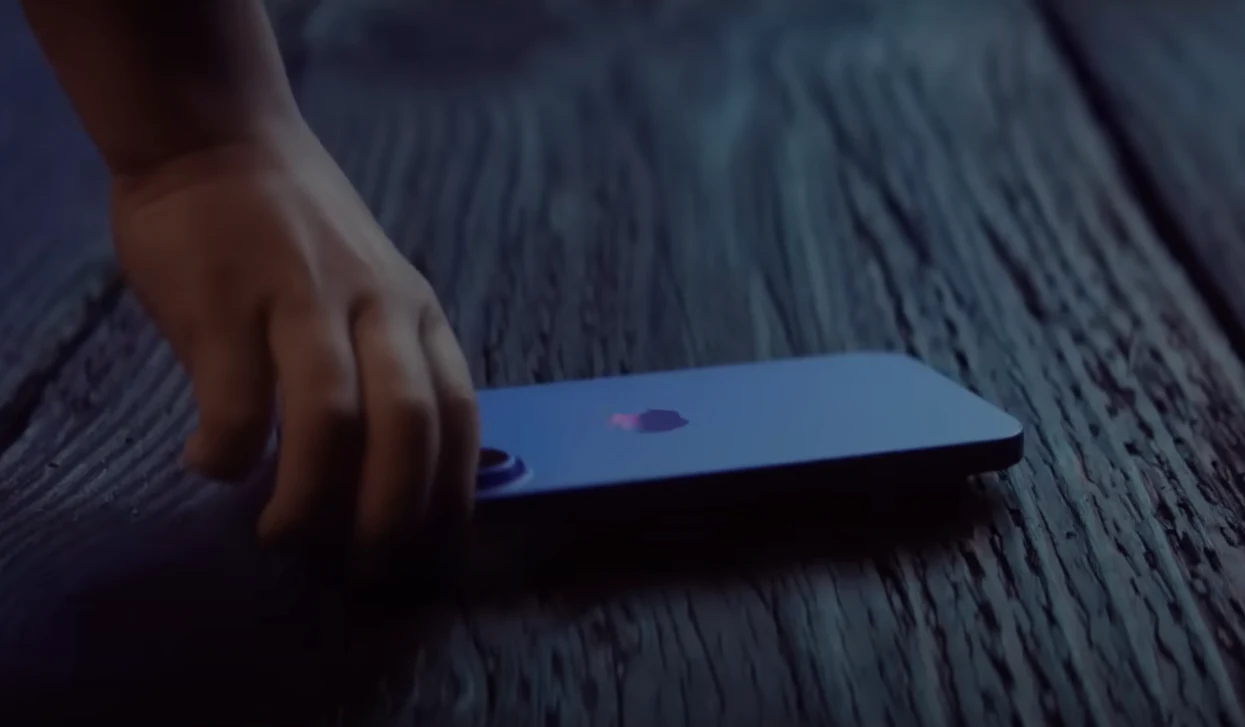
    Apple is making a daring statement: you might not need a case for your iPhone 16. In a recent advertisement, the company highlights the phone’s Ceramic Shield, claiming it’s tough enough to withstand drops without getting scratched. This is a significant move for smartphone brands, which often avoid promoting caseless usage—likely to keep selling their expensive branded cases or to sidestep backlash from drop tests.

    Confidence in Durability

    The new ad emphasizes trust in the iPhone 16’s strength. The video features the phone enduring a dramatic fall, conveying that its Ceramic Shield—Apple’s exclusive glass—will protect it. Unlike previous ads that showcased toughness yet suggested using cases, this one boldly states, “Chill, it’s iPhone 16.” This represents a major change in an industry where buying cases has become almost automatic.

    Competing in the Durability Arms Race

    The timing is strategic. Brands from China like Oppo and Realme are promoting their IP69 dust and water resistance, while Corning’s Gorilla Armor 2 claims to survive drops of 2.2 meters onto concrete-like surfaces. Apple is raising the bar to keep up with this durability competition, hinting at a new phase where phones may not require extra protection.

    The Reality of Going Caseless

    The iPhone 16’s Ceramic Shield is said to be “tougher than ever,” combining ceramic crystals with glass for improved drop and scratch resistance. However, real-life drops are unpredictable—consider uneven sidewalks or accidental falls onto tiles. Apple’s advertisement is bold, but it also strategically relies on lab-tested strength to appeal to users who are tired of heavy cases.

    The surface depicted in Apple’s ad is a flat wooden platform that is forgiving enough, even for a flagship from three years ago. The ad also fails to clarify whether Apple would be liable if the glass breaks due to a careless drop. It sends a confident message, indeed, but seems somewhat too cautious in execution. We’ve previously discussed the idea of using a smartphone without a case—even in 2025—and you can find that information here.

    The Case Debate

    This announcement raises an interesting question: to case or not to case? Some people appreciate the sleekness of a phone without a case, while others wouldn’t want to risk a broken screen. With Apple’s show of faith, more users might choose to go without cases, but it wouldn’t be surprising if their case sales remain robust. What do you think—should the iPhone 16 be bare or protected?


  • Xiaomi’s 15-Hour Workday Claims and Leave Penalties: Report

    Xiaomi’s 15-Hour Workday Claims and Leave Penalties: Report

    Key Takeaways

    1. Xiaomi employees are reportedly required to work a minimum of 11.5 hours daily, with penalties for logging fewer hours.
    2. Work expectations vary significantly across departments, with some teams demanding up to 15 hours a day.
    3. Taking leave can lead to scrutiny and pressure to compensate by working longer hours.
    4. These long working hours have been a practice for nearly two years, with serious consequences for not meeting expectations.
    5. Outsourced workers face stricter rules, risking immediate dismissal for failing to meet daily hour requirements.


    Xiaomi is under scrutiny after reports emerged from China indicating that the company is allegedly pushing its staff to work long hours. A post on Maimai, a platform similar to LinkedIn that is popular in China, suggests that employees are expected to work a minimum of 11.5 hours each day. Those who log fewer than eight hours are reportedly asked to provide written justifications. Additionally, employees who frequently have low total working hours may face internal interviews and, in some cases, may feel pressured to resign.

    Varying Work Conditions Across Departments

    The situation seems to differ across various departments, as several Xiaomi workers shared their experiences with Jiupai News, a Chinese news agency. One employee from the mobile phone division noted that each team operates with its own set of expectations. For instance, certain groups demand a minimum of 10.5 hours, while others require up to 14 or 15 hours a day. Their own team reportedly has a standard of 12.5 hours. Jiupai News mentions that these work expectations are not documented formally, as managers prefer to communicate them verbally to avoid leaving evidence.

    Penalties for Taking Leave

    An employee situated in Shanghai revealed to Jiupai News that their department maintains an average of 11.5 hours per day, leading to a typical work schedule from 9 a.m. to 8:30 p.m. Another worker from Jiangsu stated that their team follows a 12-hour working schedule. They shared that, “the leader called me out because of my low ranking” compared to other team members.

    It appears that taking time off can also result in penalties. Several employees reported that even a single day off in a month might drop the average working hours below eight, which then invites further scrutiny. Consequently, workers are expected to compensate for this by working longer hours on other days.

    Long-Standing Practices and Consequences

    Worryingly, this practice has reportedly been in place for nearly two years, according to one employee who spoke to Jiupai News. The only new factor seems to be the recent public focus on the issue. The repercussions for failing to meet these expectations are significant. One employee mentioned that they had to submit a written reflection if they logged fewer than 10.5 hours. In Beijing, another reported that employees with consistently low hour ratings face warnings from management, and if there’s no improvement, their performance evaluations might be affected.

    Outsourced workers seem to experience even stricter enforcement of these rules. A contract worker indicated that their department requires exactly 11 hours of work each day, without averaging. If they fall short of this requirement, they are called in the following morning, and if it occurs repeatedly, they risk immediate dismissal.

    Xiaomi has not yet issued a formal statement regarding these allegations.

    Source:
    Link