Category: Phones

Stay updated with the latest phone news, reviews, and trends. Discover cutting-edge smartphones, features, and innovations in our Phones category at GizNewsDaily

  • Samsung’s Exynos 2400: A Competent Challenger to Snapdragon 8 Gen 3 in Initial Geekbench Performance

    Samsung’s Exynos 2400: A Competent Challenger to Snapdragon 8 Gen 3 in Initial Geekbench Performance

    Samsung’s latest foray into the chipset market, the Exynos 2400, shows promising potential, affirming its robust capability and marking it as a credible competitor against the Qualcomm Snapdragon 8 Gen 3. The recent benchmarking stats from Geekbench provide tech enthusiasts and potential users a sneak peek into the performance metrics of this new chipset. Garnering attention for its commendable performance, the Exynos 2400 positions itself as a powerhouse that could notably influence the future dynamics of mobile chipsets.

    Performative Parity: Exynos 2400 vs. Snapdragon 8 Gen 3

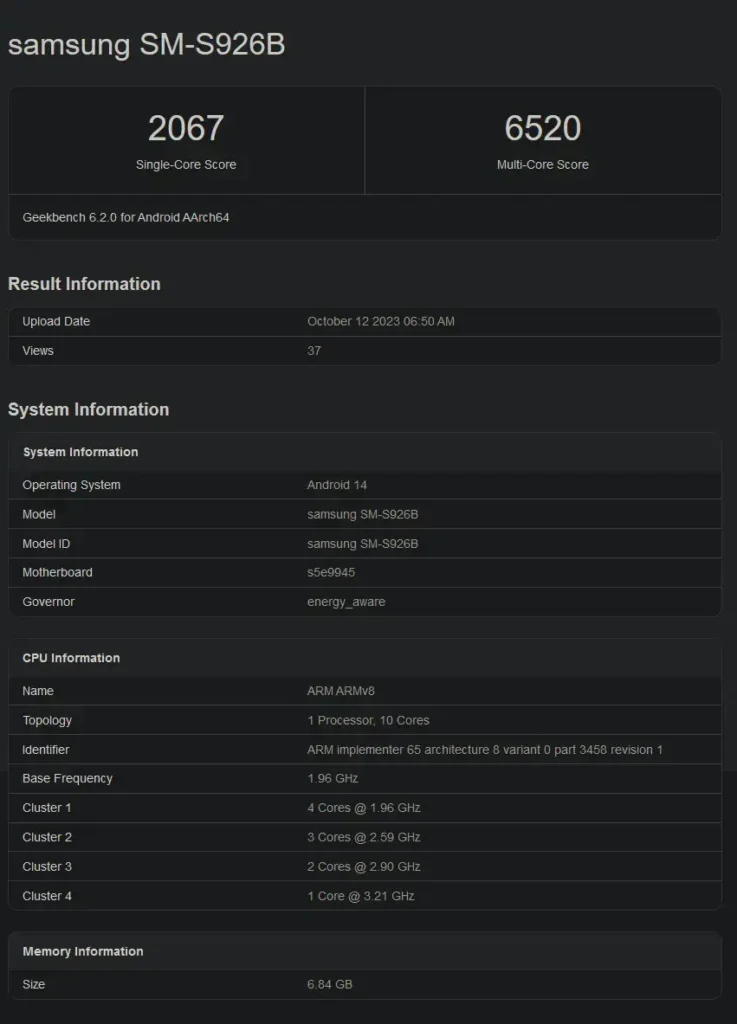
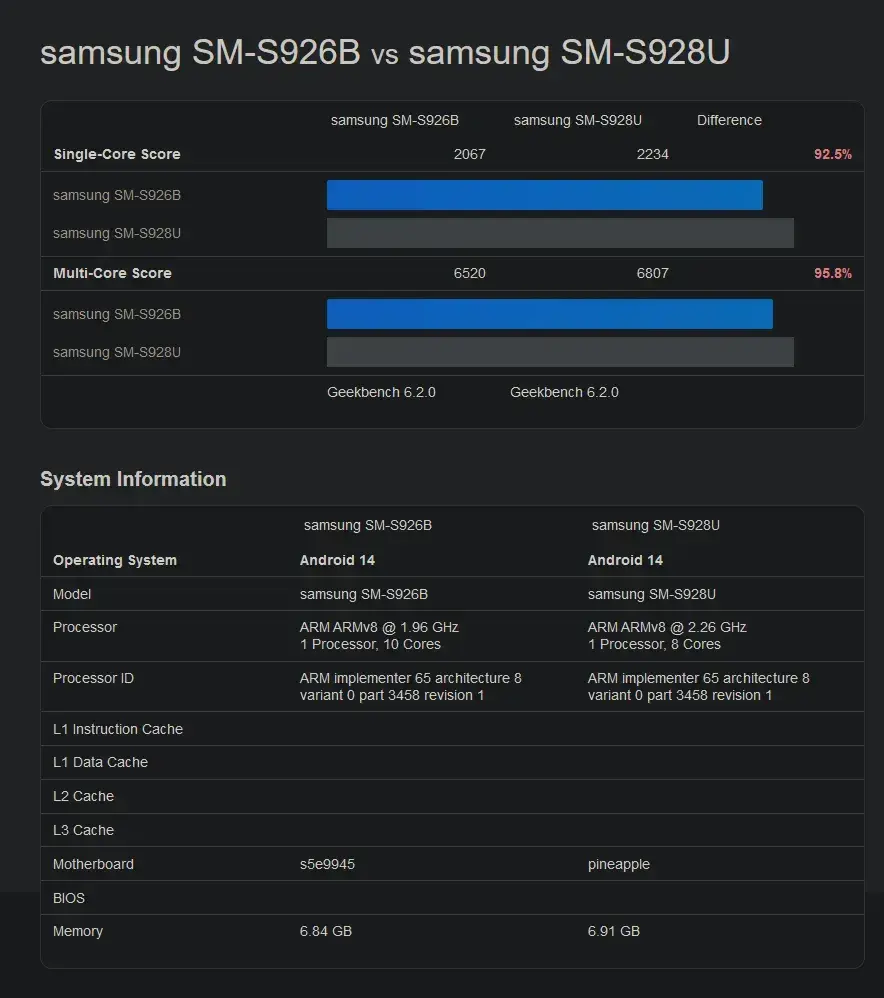
    In its maiden Geekbench run, the Exynos 2400 has exhibited a compelling performance, aligning closely with its contemporary, the Snapdragon 8 Gen 3. Samsung’s newest chipset posted a single-core score of 1,205 and a multi-core score of 3,454, showcasing its potent computational and multitasking capabilities. The scores reveal a chipset that does not merely adhere to the established standards but seeks to push the boundaries of mobile computing further.

    When pitted against the Snapdragon 8 Gen 3 – a renowned chipset for its superior performance in various smartphones – the Exynos 2400 doesn’t merely linger in its shadow but stands tall, demonstrating equivalent, if not superior, performative potential. The comparable Geekbench scores of both chipsets spotlight Samsung’s intentional strides in scaling its chipset’s performance to meet the globally recognized standards set by Qualcomm’s flagship processors.
    Samsung's Exynos 2400: A Competent Challenger to Snapdragon 8 Gen 3 in Initial Geekbench Performance


    Enhancing Mobile Experiences with Powerful Processing

    The potency of the Exynos 2400 signals more than just technological proficiency; it stands as a testament to Samsung’s commitment to enhancing mobile user experiences. With this chipset, Samsung is poised to facilitate smoother, more responsive, and highly efficient mobile operations across various applications and gaming experiences. For the everyday user, this translates into swift application loading times, seamless multitasking, and fluid gaming experiences, devoid of lags and stutters.

    The incorporation of the Exynos 2400 in future mobile devices promises an optimized utilization of resources, ensuring that battery life is judiciously used without compromising the device’s operational effectiveness. It is anticipated to support enhanced AI processing, elevated gaming experiences, and superior camera functionalities, thereby promising a well-rounded, rich user experience.

    Looking Forward: Market Implications and User Expectations

    The introduction of the Exynos 2400 brings with it expectations and speculations about its incorporation into upcoming Samsung devices. The chipset not only presents potential enhancements in device performance but also possibly impacts the pricing dynamics of future Samsung devices. Though specific pricing details related to the Exynos 2400 or devices employing it remain undisclosed, the competitive performance may potentially influence the market, posing a direct challenge to devices powered by Snapdragon 8 Gen 3.

    In a nutshell, the Exynos 2400 has confidently stepped into the arena, demonstrating that it can hold its own against established players. As additional details regarding its full capabilities, utilization in devices, and market pricing unfold, it will be engrossing to observe how Samsung leverages this potent chipset to carve its niche and potentially reshape market dynamics.

    Sources: notebookcheck.net, gizmochina.com.

  • Google Pixel 8 and 8 Pro: Bridging the Gap between Hardware and Software Excellence

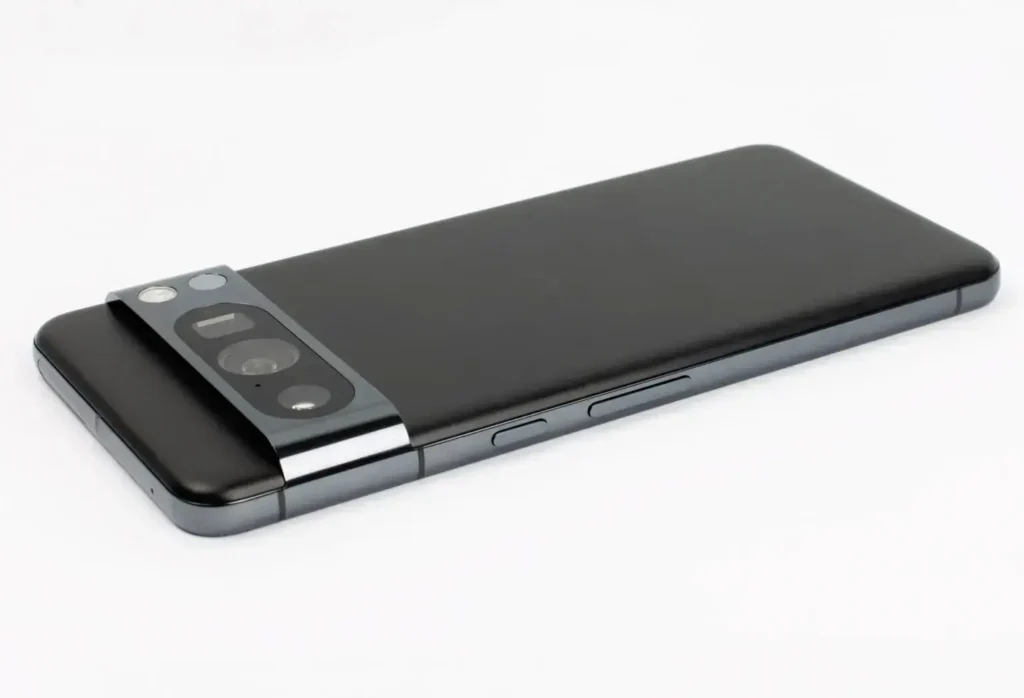
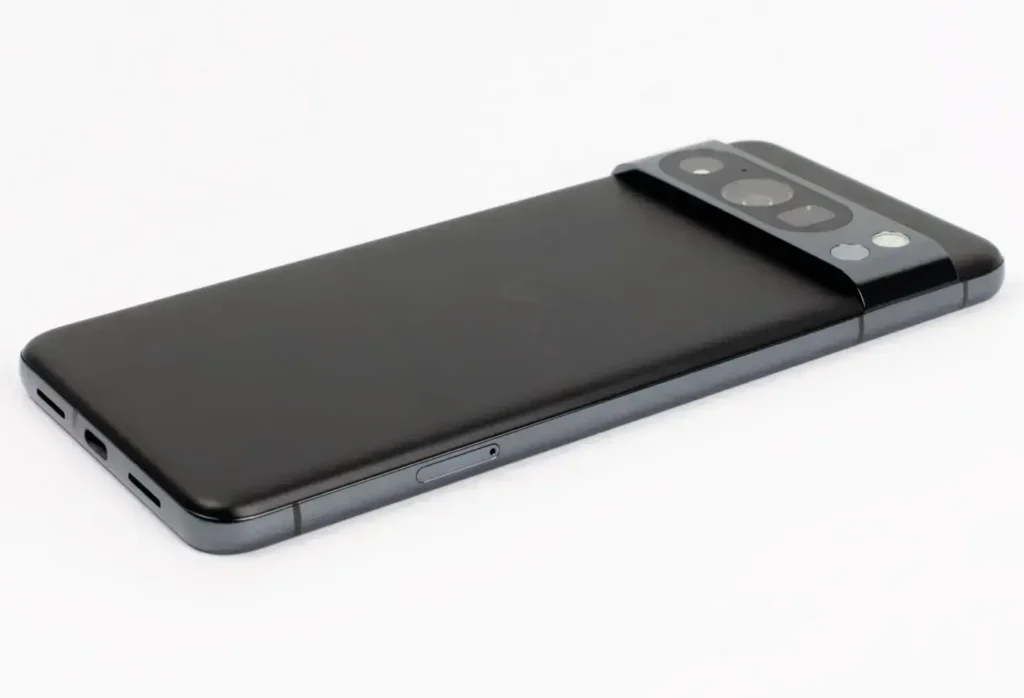
    Google Pixel 8 and 8 Pro: Bridging the Gap between Hardware and Software Excellence

    Introduction

    In a world where smartphones have become an indispensable part of our daily lives, the quest for the perfect device continues. The Google Pixel 8 and 8 Pro, the latest offerings from tech giant Google, aim to carve out a space in the fiercely competitive smartphone market with their array of remarkable features and a few noticeable drawbacks. Drawing insights from various expert reviews, this article will delve into the intricate details, assessing the pros and cons of the devices, and exploring whether they live up to the expectations set by their predecessors.


    Unparalleled Software Support: A Future-Proof Investment

    Pros: Longevity and Enhanced Security

    One of the standout features of the Google Pixel 8 series is its commendable software support, offering 7 years of updates. This unprecedented move by Google not only ensures that the device stays relevant with the latest features and security updates but also underscores a commitment to reducing electronic waste, thereby contributing to sustainability. Users are assured of a device that will not only stand the test of time but also adapt and evolve, providing a future-proof user experience.

    Google Pixel 8 and 8 Pro: Bridging the Gap between Hardware and Software Excellence

    Cons: Initial Cost Implications

    However, with longevity comes an upfront cost. The pricing of the Pixel 8 and 8 Pro is a notable increment from their predecessors, which might deter budget-conscious consumers. While the extended software support does provide long-term value, the initial investment is undoubtedly hefty, and users might be torn between opting for a premium current-gen device or exploring alternatives with a lower entry point.

    New temperature measuring feature:


    Google Pixel 8 Camera: Capturing Moments with Precision and Clarity

    Pros: Superior Photographic Capabilities

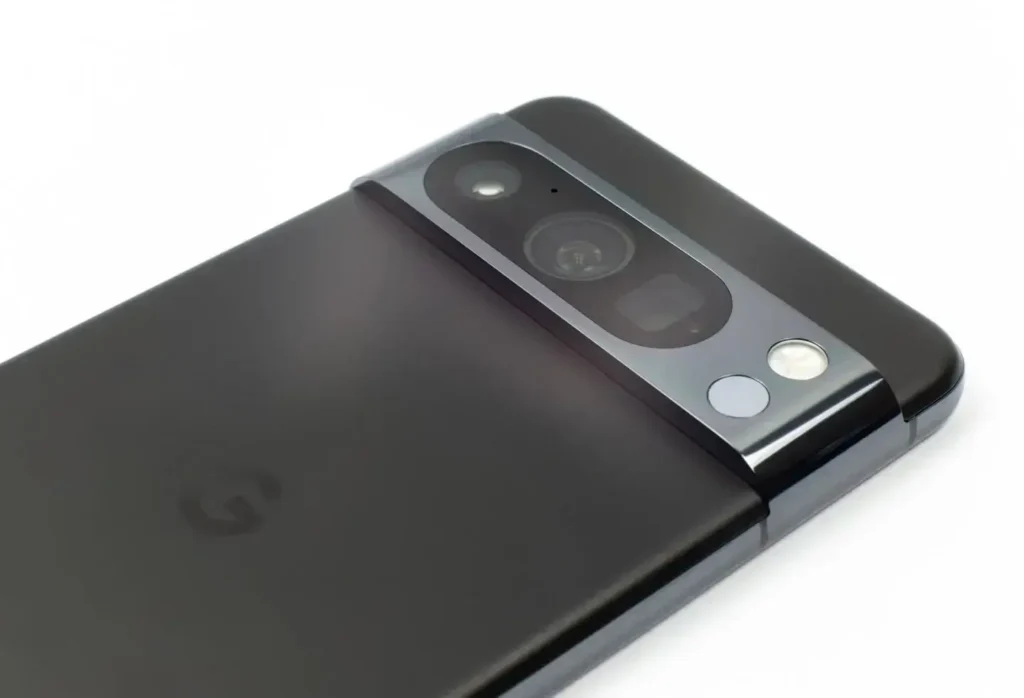
    The Pixel 8 Pro especially has been lauded for its camera capabilities, cementing Google’s reputation for delivering stellar photography experiences. With a more significant sensor, faster apertures across all camera modules, and enhanced computational photography, users can expect sharp, vibrant, and dynamically balanced photos across various lighting conditions. The advancements in the ultra-wide camera and the overall improved imaging department stand out prominently, offering photographers, both amateur and professional, a tool that captures moments with utmost precision and clarity.

    Cons: Incremental Upgrades

    However, critics argue that the upgrades, while noticeable, are incremental. Users of the Pixel 7 Pro might find the enhancements in the Pixel 8 Pro’s camera department subtle, especially if photography isn’t their paramount concern. The question looms: Is the camera upgrade compelling enough to warrant the transition from its predecessor, especially considering the price bump?

    Here are some photos we found taken with Pixel 8 phones:


    Design and Display: A Nod to Ergonomics and Aesthetics

    Pros: Ergonomic Design and Display Quality

    The flat display of the Pixel 8 Pro has been highlighted as a welcome move towards ergonomic and common-sense phone design. The absence of curved edges means reduced accidental touches, providing a more seamless and frustration-free user experience. The display quality, with its vibrant colors and sharp contrasts, enhances various user interactions, whether it be media consumption, gaming, or general usage.

    Cons: Conservative Design Language

    On the flip side, some might argue that the design language of the Pixel 8 series is somewhat conservative. In an era where smartphone manufacturers are exploring bold and innovative designs, the Pixel 8 and 8 Pro, while elegant, do not necessarily stand out in a crowded market in terms of aesthetic innovation.

    Artificial Intelligence: Powering a Smart User Experience

    Pros: Generative AI Features

    The incorporation of generative AI features in the Pixel 8 series adds a layer of intelligent functionality that aims to enhance user experience across various facets of the device. These AI-driven features not only facilitate smarter interactions but also pave the way for a more intuitive and personalized user experience, learning, and adapting to the user’s habits and preferences over time.

    Cons: Learning Curve and Privacy Concerns

    However, the integration of AI also introduces a learning curve for users who might be new to such intelligent interactions. Additionally, concerns regarding data privacy and how the AI processes and learns from user interactions might be a point of contention, necessitating clear communication from Google about data handling and user privacy assurance.

    Conclusion: Striking a Balance between Innovation and Practicality

    The Google Pixel 8 and 8 Pro, with their array of features and a few drawbacks, present a compelling option for users seeking a blend of innovative technology and practical usability. The extended software support, enhanced camera capabilities, and intelligent AI features position these devices as noteworthy contenders in the premium smartphone market. However, the price point, incremental upgrades, and conservative design might give potential buyers pause, urging them to weigh these factors against the undeniable pros.

    In the dynamic and ever-evolving smartphone landscape, the Pixel 8 series strikes a balance, offering users a glimpse into the future of mobile technology while maintaining a firm grip on the practicalities of present-day usage. Whether the devices are worth the investment largely depends on user priorities, making the Pixel 8 and 8 Pro excellent options for some, but perhaps not for all.

    Sources: 1, 2, 3, 4, 5

  • OnePlus 12 details Unveiled: Display and Camera Offerings Set New Standards

    OnePlus 12 details Unveiled: Display and Camera Offerings Set New Standards

    In the competitive world of smartphones, innovation is a constant. Companies vie for the spotlight, offering groundbreaking features to lure tech enthusiasts. A name that has consistently hit the mark is OnePlus. The upcoming OnePlus 12 is all set to continue this tradition, bringing a plethora of upgrades that are bound to excite the tech community.

    Outstanding Display Enhancements

    The OnePlus 12 comes with a display that pushes the boundaries. Leaks suggest a robust QHD+ resolution that promises crystal clear visuals. The display size is speculated to be a substantial 6.7 inches with LTPO technology ensuring a fluid 120Hz refresh rate. This feature not only makes scrolling smoother but also enhances the gaming experience. Furthermore, the device is expected to have an adaptive refresh rate, lowering it to save battery when higher refresh rates aren’t necessary.

    OnePlus 12 details Unveiled: Display and Camera Offerings Set New Standards

    Camera Upgrades: A Leap Forward

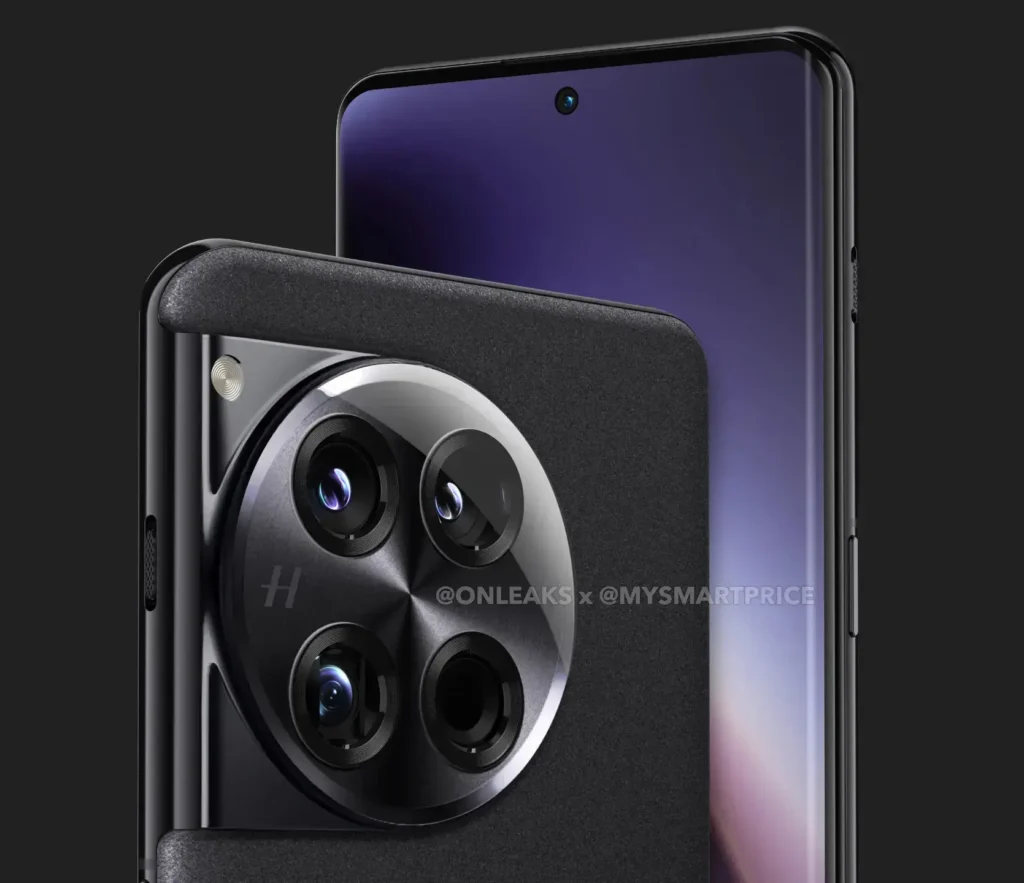
    OnePlus is taking photography to new heights with the OnePlus 12. Rumors indicate the inclusion of a new Sony IMX966 sensor for the 64 MP telephoto lens, a significant upgrade ensuring sharper images even from a distance. The front-facing camera isn’t left behind; a 32 MP sensor is expected to cater to selfie enthusiasts, making sure every snapshot is worth sharing.

    The camera setup also purportedly includes advanced features like a dedicated night mode for better low-light photography and an enhanced stabilization system for jitter-free videos. These upgrades aim to provide a professional photography experience to users.

    OnePlus 12 details Unveiled: Display and Camera Offerings Set New Standards

    Performance: The Heart of OnePlus 12

    While much of the focus is on the display and camera, the OnePlus 12 is not shying away from providing a powerful performance. Though specifics about the processor and other internals remain under wraps, given OnePlus’s history, a top-tier chipset and ample RAM are expected. The device will ensure smooth multitasking and fast app loading times, living up to the expectations set by its predecessors.

    With an exciting blend of groundbreaking display, camera, and performance features, the OnePlus 12 is shaping up to be a strong contender in the smartphone market. As tech aficionados await the official release, the leaked specifications have surely stirred the pot, making the OnePlus 12 one of the most anticipated smartphones of the year.

    Sources: 1 2 3

  • Unfolding Innovation: OnePlus Open Set to Reshape the Smartphone Terrain

    Unfolding Innovation: OnePlus Open Set to Reshape the Smartphone Terrain

    The arrival of OnePlus’s first foldable smartphone, the OnePlus Open, is a testament to the evolving dynamics of the smartphone industry. Slated to be unveiled on October 19, this innovative gadget reflects a fusion of aesthetic elegance and advanced technology. Below we delve into the specifics that make the OnePlus Open a noteworthy entrant in the foldable smartphone segment.

    Exquisite Design Mirroring a Twin Brand

    The OnePlus Open isn’t just a solitary endeavor by OnePlus. It shares an uncanny resemblance with the Oppo N3 Fold, showcasing identical designs slated for different markets. While Oppo aims to capture the Chinese market with its N3 Fold, OnePlus targets the western market with the Open. This strategic market split stems from the fact that both brands belong to the same parent group, thus maximizing their market reach through distinctive brand identities in different regions​1​.

    Aesthetic Appeal Meets Functional Brilliance

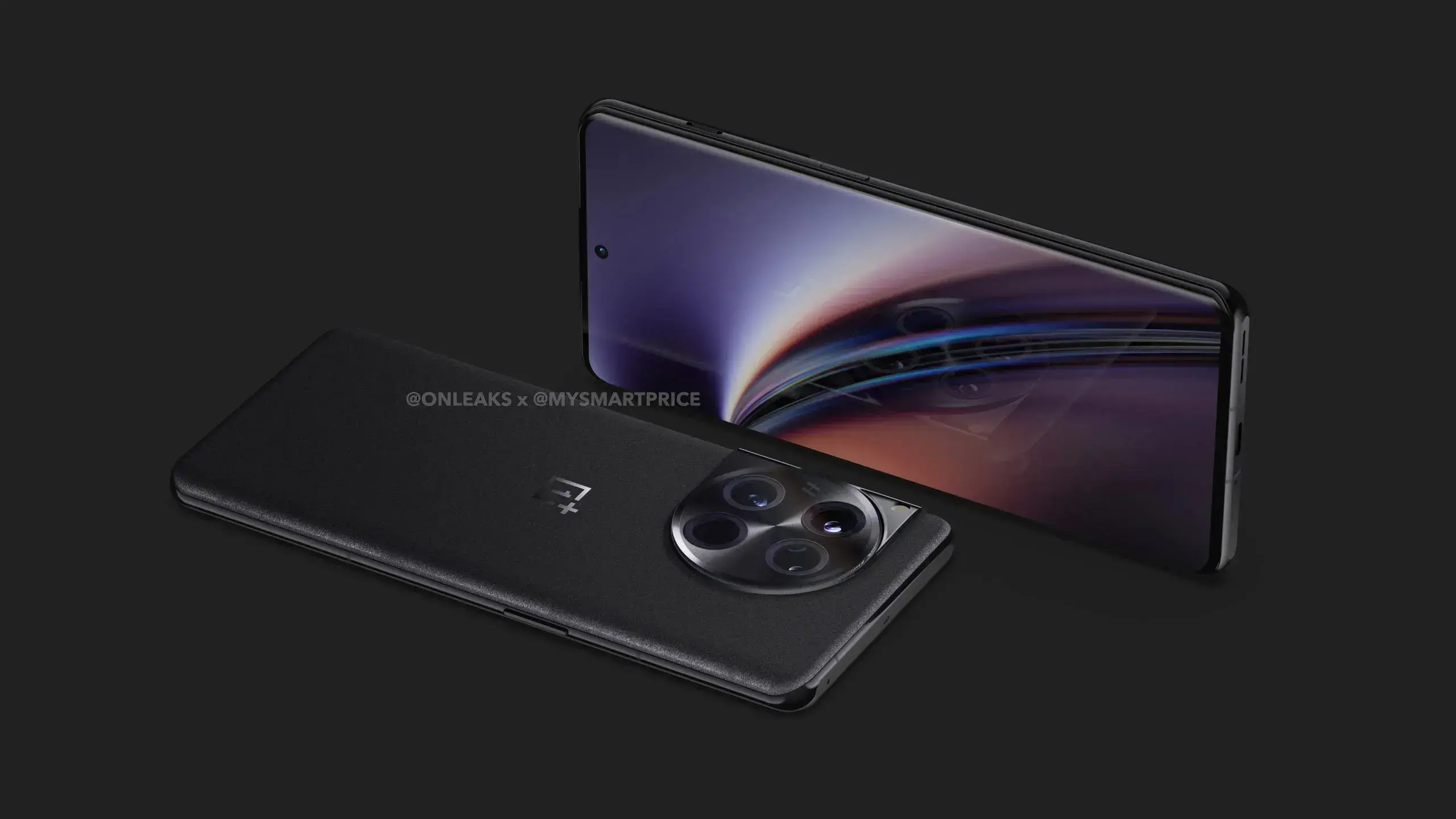
    The leaked official renderings of the OnePlus Open reveal a meticulously crafted design, offering at least two color variants; a classy green with a glass finish, and a sleek black with a leather-like material. The external appearance houses a circular module accommodating three cameras, one of which boasts a periscopic lens for long-range zooming. These cameras come with the signature touch of Hasselblad, emphasizing OnePlus’s ongoing collaboration with the renowned camera brand. The internal display features a front camera on the top right, while the external display has a centralized hole for the selfie camera, mirroring the design of Oppo Find N3​2​.

    High-Caliber Technical Specifications

    The technical prowess of the OnePlus Open is nothing short of remarkable. It is equipped with a 7.8-inch internal OLED display and a 6.31-inch external display, both rendering high resolution, manufactured by BOE. Under the hood, it houses a Snapdragon 8 Gen 2 processor, complemented by 16 GB of LPDDR5X RAM and 256 GB of storage, ensuring a smooth, responsive user experience. The camera setup comprises a 48 MP main camera, a 48 MP ultrawide camera, and a 64 MP camera for optical zoom, although the specifications of the front cameras remain undisclosed​2​.

    The OnePlus Open is more than just a smartphone; it’s a statement of innovation and a glimpse into the future of foldable smartphones. With its official unveiling just around the corner, the tech community is abuzz with anticipation.

    Sources:

    1. SAPO Tek
    2. Canaltech
  • OPPO Unveils Find N3 Flip in India: A Fusion of Innovation and Elegance

    OPPO Unveils Find N3 Flip in India: A Fusion of Innovation and Elegance

    Unfolding a new era of smartphones, OPPO has launched its exquisite Find N3 Flip in India, blending innovation with elegance. This modern-day flip phone is not only a nod to nostalgia but a bold step into the future, showcasing a sleek design alongside high-end specifications.

    A Display That Dazzles

    At the heart of the OPPO Find N3 Flip is its remarkable 6.8-inch LTPO AMOLED display which boasts a resolution of 1080 x 2520 pixels and a smooth 120Hz refresh rate, ensuring crystal clear visuals and seamless navigation. Complementing the primary display is a 3.6-inch AMOLED cover display at the back, adding a touch of sophistication and convenience for users.

    Power-Packed Performance

    Under the hood, the Find N3 Flip is fueled by the MediaTek Dimensity 9200 octa-core chipset, paired with a robust 12GB of RAM and 512GB of internal storage, facilitating lightning-fast app launches, multitasking, and ample storage for all your media and files. The device also supports 44W fast charging, ensuring your phone is quickly powered up and ready to go whenever you need it.

    Photography at Its Finest

    With a 48MP triple-camera setup at the rear and a 32MP selfie camera, the OPPO Find N3 Flip is well-equipped to capture stunning photos and videos. Whether it’s a picturesque sunset or a memorable family gathering, the Find N3 Flip ensures every shot is picture-perfect.

    The OPPO Find N3 Flip is available in two mesmerizing colors – Astral Black and Moonlit Gold. Priced at Rs 94,999, the device comes in a single configuration of 12GB RAM + 256GB storage. It’s up for grabs starting October 22 via Flipkart, the OPPO store, and other retail outlets. Additionally, buyers can benefit from a launch offer where they can avail Rs 12,000 cashback and up to 24 months no-cost EMI through select banks. A one-time screen replacement and an exchange bonus of up to Rs 8,000 are also part of the enticing launch offers.

    The OPPO Find N3 Flip is not merely a smartphone; it’s a statement of sophistication and a leap towards the future, embracing the past’s simplicity with today’s technological advancements.

    Source: MySmartPrice1

  • Honor Magic VS2 released: A Blend of Elegance and Top-Tier Performance

    Honor Magic VS2 released: A Blend of Elegance and Top-Tier Performance

    A Vivid Dual-Display Experience

    The Magic VS2 smartphone doesn’t shy away from showcasing its technological prowess with a striking dual-display setup, featuring a 6.43-inch external and a 7.92-inch inner folding screen. These offer a spacious canvas, adapting to various user requirements from regular phone use to a tablet-esque experience for multimedia and multitasking endeavors. The device skillfully intertwines functionality and aesthetic appeal, elevating the user experience to impressive heights.

    Honor Magic VS2 released: A Blend of Elegance and Top-Tier Performance


    Capturing Moments with High-Resolution Photography

    Photography enthusiasts and casual shutterbugs alike will find delight in the Magic VS2’s powerful camera system. A 50-megapixel main camera and a 20-megapixel telephoto lens ensure no moment goes uncaptured, while a 12-megapixel ultrawide lens, albeit slightly lower in resolution, promises wide-angle shots with crisp clarity. The diverse camera options avail users the flexibility to seamlessly switch between varied shooting scenarios, from panoramic landscapes to detailed close-ups, preserving memories with exceptional quality.

    Honor Magic VS2 released: A Blend of Elegance and Top-Tier Performance


    Balancing Power and Price

    Harnessing a robust 5,000mAh battery, the Magic VS2 ensures users stay connected and entertained with minimal disruptions, supported by a fast-charging capability of up to 66W. Despite its slightly scaled-down specs compared to its precursor, the Magic V2, the Magic VS2 astutely positions itself at a more accessible price point, particularly in its entry-level variant equipped with a substantial 12GB of RAM. This conscious pricing strategy, juxtaposed with its hearty specifications, not only expands its appeal to a wider audience but also assures a powerful performance that doesn’t break the bank.

    Conclusion: A Thoughtful Confluence of Tech and Affordability

    The Magic VS2 stands out in the crowded smartphone market, presenting a well-rounded package of impressive specifications, versatile functionalities, and a price point that leans towards being consumer-friendly. It emerges as a viable option for users who seek a device that doesn’t compromise on technological advancements while being mindful of budgetary constraints. In a realm where technology constantly evolves, the Magic VS2 carves its niche, symbolizing a thoughtful blend of innovation, practicality, and financial astuteness.

    The Magic VS2, with its enchanting palette of Velvet Black, Glacier Blue, and Coral Purple, is not only a technological marvel but also a visually appealing device. The pricing is strategically set, commencing at CNY 6,999 ($958) for the variant boasting 12GB of RAM and 256GB of storage, and escalating to CNY 7,699 ($1,054) for the more advanced 16GB RAM and 512GB storage model. Eager customers can secure their device now through the pre-order phase directly from Honor’s official digital storefront in China. General sales are slated to commence on the 17th of October, opening the doors for wider accessibility to this technological gem.

    Sources:

    1. The Verge
    2. GSMArena
    3. Sparrows News

  • Google Pixel 8 Series Unveils an In-built Troubleshooter for Battery and Network Issues

    Google Pixel 8 Series Unveils an In-built Troubleshooter for Battery and Network Issues

    n a bid to enhance the user experience and tackle common technical glitches, Google has rolled out a new feature exclusively for its Pixel 8 and Pixel 8 Pro users. The tech giant introduced a built-in troubleshooting app aimed at identifying and resolving typical battery and network issues that users often encounter​1​​2​.

    Seamless Troubleshooting at Your Fingertips

    The Pixel Troubleshooting app, embedded as a system app within the device settings, facilitates a smooth self-diagnostic experience for users facing battery drainage or network connectivity problems. To access the app, users simply need to navigate to the “Battery” section under settings and select “Battery diagnostics” for battery-related issues, or choose “Network and Internet” for the network troubleshooter to address connectivity concerns. Once initiated, the app conducts a thorough scan to identify any prevailing issues and provides apt recommendations to rectify them​2​.

    Google Pixel 8 Series Unveils an In-built Troubleshooter for Battery and Network Issues

    The app’s Battery Diagnostics section offers various options to describe the battery issues accurately, followed by diagnostic tests based on the chosen issue. For instance, if a user is experiencing battery drain, a test can be run to identify apps guzzling the battery, followed by tips on enhancing battery life. Similarly, the Network Troubleshooter section of the app provides tips to improve connectivity and offers assistance to contact Pixel support for further help​2​.

    Bridging the Troubleshooting Gap

    The introduction of the Pixel Troubleshooting app marks a significant step towards self-service troubleshooting, enabling users to address common tech glitches without the need for external support. While the app currently caters only to the Pixel 8 series users, it’s anticipated to extend its support to older Pixel models in near future, potentially with the Android 14 QPR1 release, broadening the spectrum of self-help diagnostics across the Pixel lineup​1​.

    This move by Google is not just a leap towards enhancing user satisfaction but also a catch-up to Apple, which has had a similar tool for some time. The addition of an in-built troubleshooting app is indeed a laudable initiative, offering a quick and easy solution to the common issues that often hinder the smooth operation of smartphones​2​.

    It’s a step forward in the right direction, ensuring that users have the necessary tools at their disposal to enjoy an uninterrupted smartphone experience.

    Sources:

  • Unveiling the Mystery: Kirin 9000S Chipset’s True Origin and Specifications

    Unveiling the Mystery: Kirin 9000S Chipset’s True Origin and Specifications

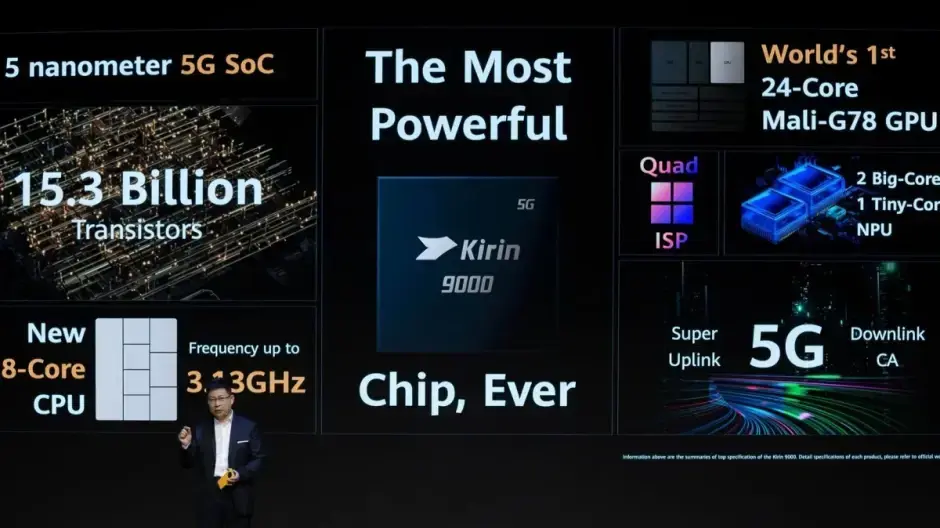
    In a recent twist of events, the enigmatic Kirin 9000S chipset, which powers the Huawei Mate 60 Pro, has sparked a whirlpool of discussions among tech enthusiasts and experts. Initially, it was believed that the Kirin 9000S was manufactured by China’s largest foundry, SMIC, utilizing its 7nm node technology. However, new revelations suggest a different narrative, hinting at the Kirin 9000S being a rebranded version of the 5nm Kirin 9000 chipset from 2020, produced by TSMC.

    The Revelation

    A tipster, known as @RGcloudS on Twitter, shed light on this perplexing scenario. Through a series of investigative tweets, he presented evidence suggesting that the Kirin 9000S chipset is essentially the Kirin 9000 chipset, originally manufactured by TSMC three years ago, and not by SMIC as previously believed. A screenshot shared by the tipster lists the Kirin 9000S as a 5nm chip. Further, a date stamp on one of the Kirin 9000S chipsets from the Mate 60 Pro teardown reveals that it was manufactured during the 35th week of 2020, reinforcing the claim that the Kirin 9000S is indeed a rebranded Kirin 9000.


    Implications for Huawei and SMIC

    The initial belief that SMIC was behind the Kirin 9000S’s production had raised eyebrows, especially among U.S. lawmakers and officials who had been advocating for tighter sanctions against Huawei. The backdrop to this is the expanded export rules by the U.S. in 2020, aimed at preventing foundries using U.S. technology from shipping cutting-edge silicon to Huawei without a license. The Mate 60 Pro, powered by the Kirin 9000S, stood as an exception to the trend where previous Huawei flagship series had to rely on Qualcomm Snapdragon chipsets tweaked for 4G connectivity due to these restrictions.

    The revelation that the Kirin 9000S is potentially a rebranded Kirin 9000 made by TSMC brings a new dimension to the narrative, casting doubts over the previously held beliefs regarding SMIC’s capability in producing such an advanced chipset without access to extreme ultraviolet lithography (EUV) machine, a crucial technology for etching extremely thin circuitry patterns on silicon wafers.

    The Road Ahead

    With the new findings, there’s a brewing discussion among analysts regarding how Huawei managed to work around the U.S. sanctions. The stockpile of Kirin 9000 chipsets could explain Huawei’s ability to offer 5G connectivity in its Mate 60 Pro model for the first time since 2020. This revelation might also prompt a re-evaluation of the sanctions and export control measures in place, potentially impacting the global semiconductor landscape and the ongoing tech cold war between the U.S. and China.

    In conclusion, the Kirin 9000S saga unfolds a complex narrative intertwining technology, geopolitics, and corporate strategy. As the tech community delves deeper into this matter, one can anticipate more discussions and analyses shedding light on the intricacies of global tech supply chains and the relentless pursuit for semiconductor supremacy.

    Source: PhoneArena

  • Upcoming Redmi 13C 5G: A Sneak Peek into its Features and Capabilities

    Upcoming Redmi 13C 5G: A Sneak Peek into its Features and Capabilities

    The smartphone market is about to witness a new entrant, the Redmi 13C 5G, which is anticipated to create ripples with its impressive specifications and cutting-edge features. The Redmi 13C 5G is expected to be a significant upgrade to its predecessors and a strong contender in the mid-range smartphone segment. Here’s a glimpse into what this upcoming smartphone is set to offer.

    Superior Imaging Capabilities

    One of the most touted features of the Redmi 13C 5G is its high-resolution 50 MP primary camera. The leaked images of the device have already generated a lot of buzz among tech enthusiasts, showcasing a design that aligns with modern aesthetics while promising superior imaging capabilities. The Redmi 13C 5G is expected to deliver crisp and clear photos, making it a viable choice for photography enthusiasts on a budget.

    Seamless Connectivity with 5G

    In the era where high-speed internet and seamless connectivity are the norms, the Redmi 13C 5G is not left behind. The smartphone is expected to come with 5G connectivity, courtesy of the MediaTek Dimensity 6100 chipset. This not only ensures rapid internet speeds but also promises a smoother user experience, be it for streaming, gaming, or any other online activity.

    Performance and Other Features

    Under the hood, the Redmi 13C 5G is said to be powered by a robust processor which, coupled with an ample amount of RAM, is expected to provide a smooth performance even during intensive multitasking. Additionally, the smartphone might feature a robust battery life, ensuring that users can get through a day of regular use without constantly worrying about charging.

    The global anticipation for the Redmi 13C 5G is palpable, with its IMEI number already spotted on the IMEI database, indicating a global launch in the near future. Other details regarding the smartphone such as its price, exact launch date, and additional features are yet to be unveiled. However, with the specs and features that have been leaked so far, it’s evident that the Redmi 13C 5G is gearing up to be a notable addition to the mid-range smartphone market.

    In conclusion, the Redmi 13C 5G appears to be a promising device that could provide a good balance of price, performance, and features. As the tech community awaits more details and the official launch, the Redmi 13C 5G is certainly a device worth keeping an eye on.

    Upcoming Redmi 13C 5G: A Sneak Peek into its Features and Capabilities

    Sources:

    1. TudoCelular
    2. 91Mobiles
    3. OPP Today
    4. GizmoChina
  • Anticipated Poco C65: A Redmi 13C Rebrand with Enhanced Features

    Anticipated Poco C65: A Redmi 13C Rebrand with Enhanced Features

    The upcoming Poco C65 is creating waves in the smartphone market, with its appearance on various certification websites hinting at an imminent launch. This smartphone is anticipated to be a rebrand of the Redmi 13C but with its unique touches. Here’s a deep dive into the specifications and features that are currently known about this intriguing device.

    Core Specifications

    The Poco C65, like its counterpart Redmi 13C, is expected to be powered by the MediaTek Helio G85 chipset. It’s likely to come with at least 6GB of RAM and 128GB of storage, providing a smooth performance for daily tasks and ample space for your files and apps​1​.


    Camera and Display

    Photography enthusiasts will appreciate the Poco C65’s expected 50 MP primary camera, part of a triple-rear camera setup, which promises to capture high-resolution, crisp images. Coupled with an LED flash, low-light photography might also be commendable​2​.

    The smartphone is likely to feature a 6.7-inch IPS LCD display with HD+ resolution. Although the refresh rate hasn’t been confirmed, it might follow its predecessor Poco C55’s footsteps, which had a 90Hz refresh rate, offering a smooth scrolling experience​2​.

    Connectivity and Battery Life

    Although the Poco C65 doesn’t support 5G connectivity, it compensates with robust 4G LTE connectivity, ensuring fast internet access for streaming and browsing. Other connectivity features include Bluetooth, Wi-Fi, and NFC, which facilitates contactless payments​1​​3​.

    A robust 5000 mAh battery is expected to back these features, providing a long-lasting battery life. The device might also support 10W wired charging, ensuring a quick recharge when needed​1​.

    Operating System and Additional Features

    The smartphone is expected to run on Android 13 with MIUI 14 skin on top, providing a user-friendly interface with additional features and customization options. Moreover, it’s speculated to house a USB Type-C port, replacing the micro USB port seen in its predecessor, Poco C55​2​.

    Global Availability

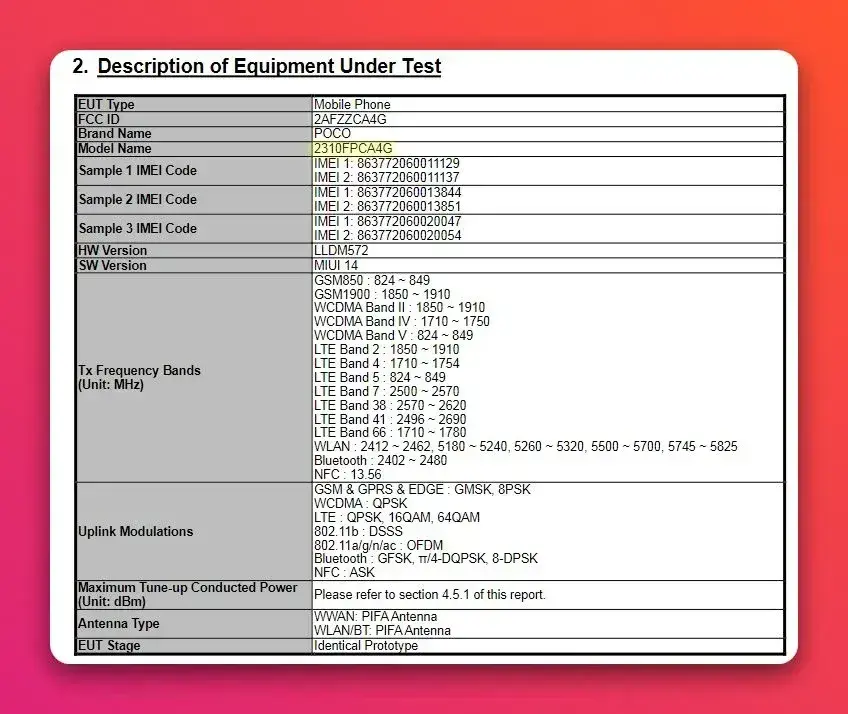
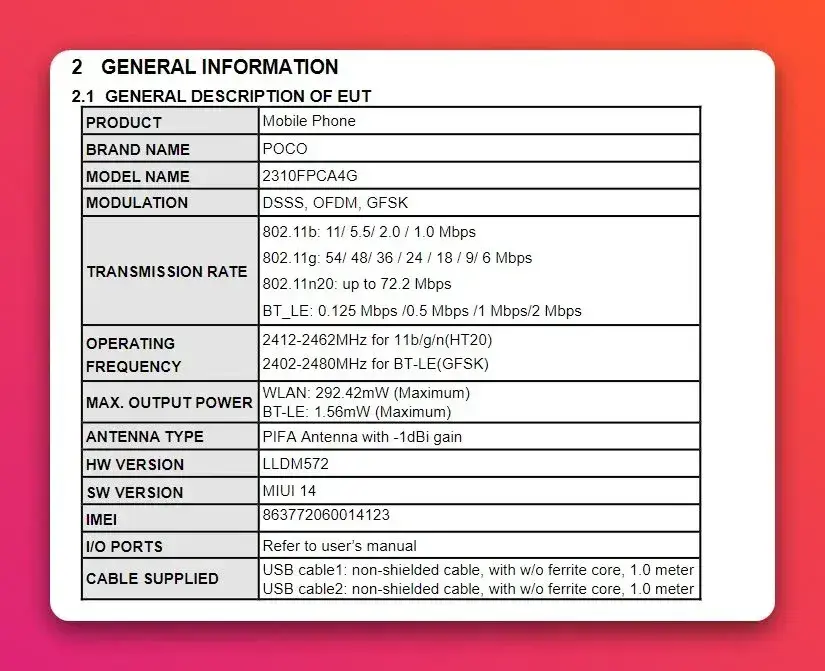
    The Poco C65 is expected to have a global variant alongside an Indian variant, as indicated by its model numbers 2310FPCA4G (Global) and 2310FPCA4I (India) appearing on the IMEI database. This suggests a wider availability for consumers across different regions​4​.

    In conclusion, the Poco C65 is shaping up to be a feature-packed mid-range smartphone. Its combination of a powerful camera setup, robust battery, and other enhanced features, all likely housed in a sleek design, makes it a highly anticipated device in the smartphone market.

    Sources:

    1. TudoCelular
    2. 91Mobiles
    3. MySmartPrice
    4. Gizmochina