Category: Gaming

  • GTA 6 Release Date Confirmed by Take-Two CEO with 18-Month Delay

    GTA 6 Release Date Confirmed by Take-Two CEO with 18-Month Delay

    Key Takeaway

    – GTA 6 is still slated for a November release per Strauss Zelnick, despite ongoing delays and fan speculation.
    – Zelnick suggested the project may be around 18 months behind the original timeline, prompting questions about the exact reference point.
    – Take-Two previously shifted the window from 2025 to fall 2026, with ongoing discussions about pre-orders and a potential third trailer.

    Rumors floated that GTA 6 pre-orders might kick off on May 18, but the chatter remains unconfirmed, and a third postponement feels increasingly unlikely. In a recent sit-down, Take-Two Interactive chief Strauss Zelnick touched on the subject, reaffirming a November 19 debut while hinting at a longer release-date delay than once thought.

    Varied insights from the boss

    Speaking with podcast host David Senra, Zelnick addressed speculation about another potential delay for GTA 6. While Rockstar Games has kept mum about progress, the exec indicated a November arrival remains plausible, fueling a mix of reassurance and doubt among fans.

    Behind schedule or closer to the mark?

    Some fans remain uneasy since Zelnick appeared confident before the prior delays. It’s possible the project is more behind schedule than some followers realize, with the Take-Two CEO noting, “I think we’re about 18 months behind the original date.” This remark opens questions about whether the lag refers to November 2026 or the time of the interview itself.

    In February 2022, the publisher confirmed Rockstar’s project was in development, with whispers that concepts formed as early as 2014. The first trailer, released in December 2023, pegged a 2025 release, later narrowed to fall, and ultimately pushed back twice, illustrating a volatile timeline and evolving expectations.

    Industry dynamics and internal commitments

    Scholarly debate about the timeline aside, a more relaxed development approach could explain the shifting calendar. During GTA’s predecessor era, there were reports of long, grueling 100-hour workweeks at Rockstar. Since then, Rockstar pledged to curb such time crunches and reiterated its stance against unhealthy work environments, signaling a cultural shift aimed at sustainability.

    Despite the patience of some fans, impatience grows for tangible news. The window for pre-orders and the chorus of anticipation for a new trailer continues, with many hoping for fresh guidance during Take-Two’s upcoming earnings call on May 21. The industry watches closely as momentum builds and expectations rise.
    Sources
  • Proton-CachyOS 11 boosts Linux gaming with OptiScaler integration

    Proton-CachyOS 11 boosts Linux gaming with OptiScaler integration

    Key Takeaway

    – OptiScaler integration simplifies enabling upscaling by using environment variables, reducing manual file injections into game prefixes.
    – The release updates Proton Experimental base and includes miscellaneous fixes and QoL improvements (HDR handling, mouse pointer behavior, H.264 playback).
    – Advanced users still have the option for manual OptiScaler installation for deeper customization, though the feature remains work-in-progress.

    OptiScaler enters Proton-CachyOS 11.0-20260506 with upscaling enhancements

    This release marks a notable shift for Linux gamers as the OptiScaler feature gets integrated into the Proton-CachyOS line, specifically version 11.0-20260506. The announcement highlights that the Proton compatibility layer has been updated to a newer base, labeled Proton Experimental, while the upscaling integration takes center stage as the main highlight of the update. The tone from the developers also notes that OptiScaler is still a work in progress, which means users may experience some quirks or moments where it does not perform exactly as hoped in every scenario.

    What OptiScaler actually does and why it matters

    In practical terms, OptiScaler redirects one upscaling backend to another, but it demands that the game itself supports some form of upscaling technology like FSR, XeSS, or DLSS. For the games that do offer such support, OptiScaler opens doors for experimentation and could potentially deliver better performance or smoother visuals than before. The integration aims to reduce manual tinkering and let players enable the feature via simple environmental variables rather than stuffing files into game prefixes, though advanced users still retain the option to install manually for deeper customization.

    How users enable and customize OptiScaler in this release

    With the update, enabling OptiScaler becomes more straightforward for typical users, thanks to an environmental-variable approach. This means you can flip the option on or adjust parameters without altering core game files. However, those who want or need extra control can still perform manual installation steps if they prefer to fine-tune how OptiScaler interacts with specific game prefixes and setups. The overall goal is to streamline the process while preserving flexibility for power users.

    Beyond OptiScaler: fixes and quality-of-life improvements

    Beyond the core upscaling feature, the Proton-CachyOS 11.0-20260506 release includes a broad set of fixes and usability improvements. Notable items include simplified HDR handling, improved mouse pointer behavior, and remediation of previously broken H.264 playback. These refinements aim to deliver a smoother gaming experience across supported titles and configurations, reflecting ongoing maintenance and user feedback as a central focus of the project.


    Sources

  • CRKD Delays Nitro Deck 2, ULT Pro & ATOM+ Controllers

    CRKD Delays Nitro Deck 2, ULT Pro & ATOM+ Controllers

    Key Takeaway

    – The Nitro Deck 2, along with the ULT Pro and Atom+ mini controllers, has been delayed to late July 2026; initial shipping windows have moved from Spring 2026 to July.
    – The delay stems from final evaluations and approvals, with one more evaluation before mass production; pilot production starts in May and full production in June 2026.
    – Pre-orders (e.g., Nitro Deck 2 on Amazon) remain active, but release dates show July 2026, creating a discrepancy with some listings (e.g., June 30) that may reflect updated timelines.

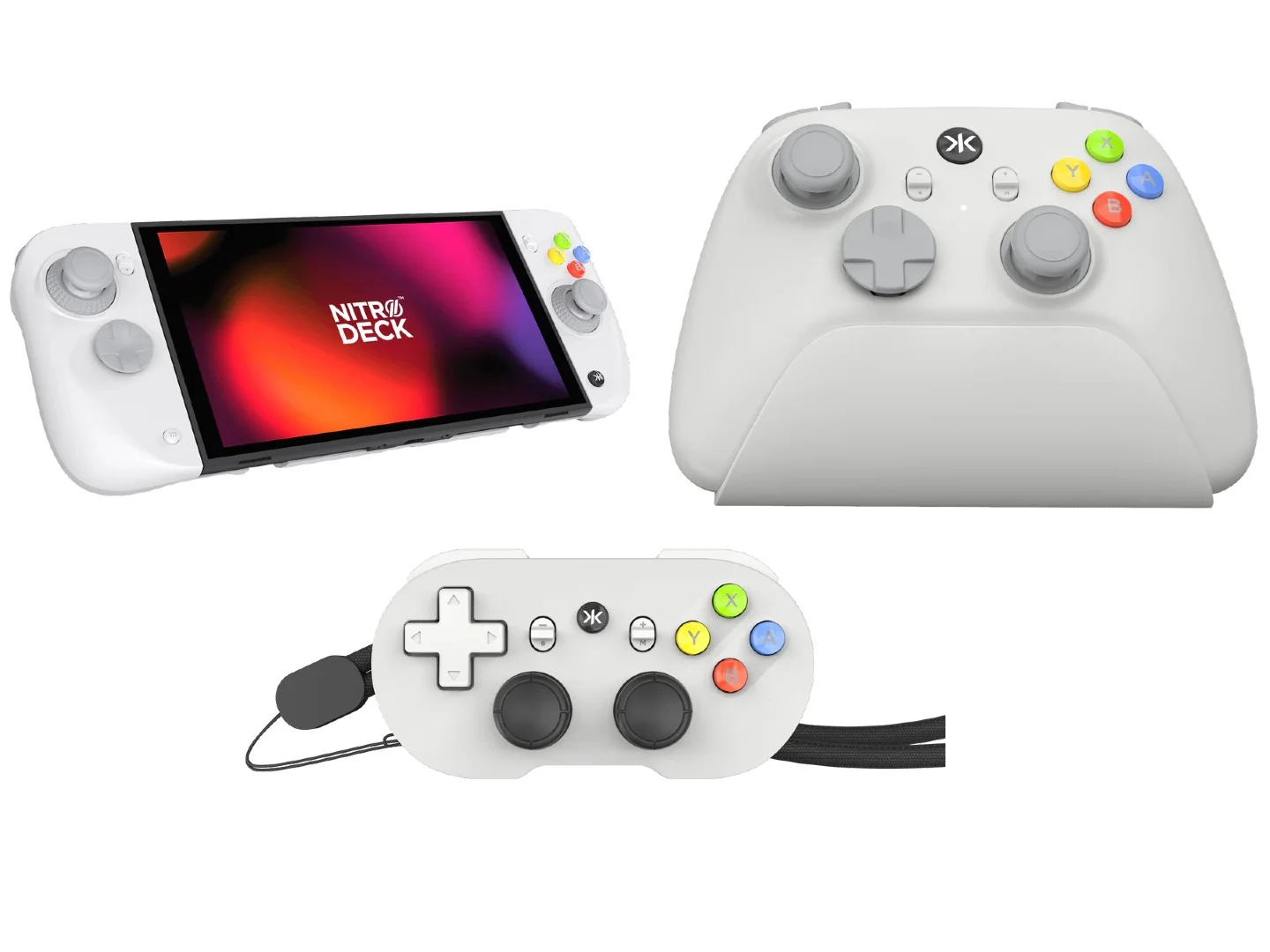
    CRKD announced the Nitro Deck 2 in December 2025 with an expected shipping date set for Spring 2026. Now, it has released a statement saying that the controller, which is compatible with the Switch and Switch 2, will now be released in July 2026.

    Shipping Delay and Official Update

    In an official blog post on its website, the company explained that the Nitro Deck 2’s estimated shipping date was moved to late July 2026 after further evaluations. The post notes that this console accessory remains compatible with Nintendo Switch models, but the revised schedule has sparked questions among eager fans about the new timeline and the potential impact on pre-orders. The language used in the update suggests a cautious approach to mass production, with emphasis on ensuring quality before broader distribution.

    Pre-order Details and Pricing

    Interestingly, the Nitro Deck 2 is listed for pre-order at $99.99 in White, Shadow Black, and Pal Grey, but the description indicates a June 30, 2026 release date. This discrepancy between the listing date and the actual shipping window creates a mix of expectations for buyers who are trying to plan their purchases around the revised schedule. The pricing appears consistent across variants, yet the exact availability of colors may be subject to supplier stock and regional restrictions that could affect delivery times.

    Production Timeline and Implications

    The postponement is attributed to delays caused by final evaluations and approvals, and according to the update, there is still one more evaluation before the controller commences mass production. The new plan indicates pilot production would begin in May with full-scale production starting in June, shifting the overall timeline by several weeks. This delay is also expected to influence customers who pre-ordered the LRG Fusion Limited Edition, which was a collaboration with the video game publisher Limited Run Games.

    Other Delays and Related Models

    Additionally, CRKD announced that the ULT Pro and Atom+ mini controller, which were unveiled in late March, will now ship in late July as well. The listing information for these items shows a release date of July 30 for the ULT Pro wireless controller and July 1 for the Atom+ mini, aligning with the broader postponement strategy the company is adopting to ensure readiness for mass production.

    Sources
  • ROG Xbox Ally Look-Alike: Reverse-Engineered PS2 Portable Handheld

    ROG Xbox Ally Look-Alike: Reverse-Engineered PS2 Portable Handheld

    Key Takeaway

    – It uses a custom reverse-engineered mainboard (not Sony) that reuses only six PS2 ICs, marking a first-of-its-kind hardware approach.
    – A Trion T20 FPGA handles video output with integrated deinterlacing, line doubling, and scaling to deliver a crisp display from the PS2’s interlaced signal.
    – Power and input emulation are handled by an RP2040, including USB-C charging and DualShock 2 rumble emulation; it runs on two 21700 batteries for about 4.5 hours.
    – The design draws heavily on Windows handheld ergonomics (ROG Xbox Ally-inspired shell) with premium, PS Vita-like controls and Hall-effect sticks, but requires advanced soldering and DIY skills.

    Overview of the PS2 Portable DIY

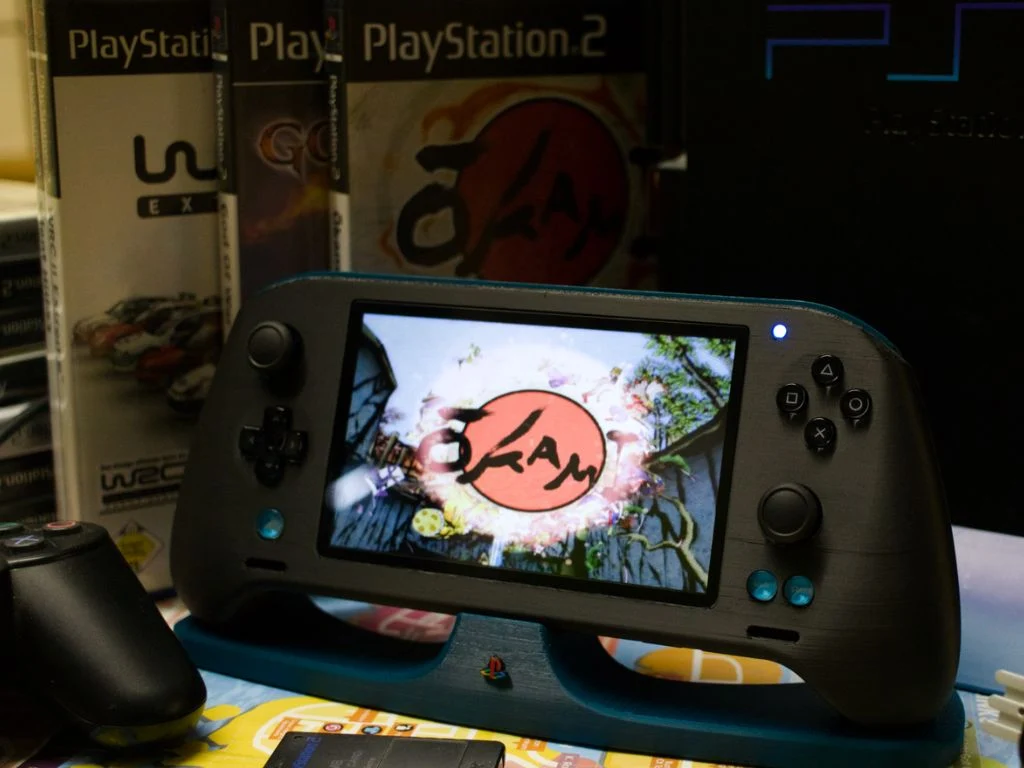
    A solo builder and modder named Tschicki recently created what many retro enthusiasts would consider the ultimate DIY portable PlayStation 2 handheld. Designed, soldered, reverse-engineered, and crafted from scratch, it draws design inspiration from the Asus ROG Xbox Ally and incorporates that Windows gaming handheld’s ergonomics into the outer shell. The project began in early 2022 and went public last year, gaining attention again this week. The device stands out because it uses a reverse-engineered motherboard not sourced from a PS2 or Sony, with only six ICs recycled from SCPH-7900x or SCPH-9000x mainboards.

    Technical Core and Display

    Most internal components are brand new, and a Trion T20 FPGA handles the digital video output, featuring a motion-adaptive deinterlacer, line doubler, and bilinear scaler to convert the PS2’s interlaced signal into a crisp image on the handheld’s LCD. Power management is driven by an RP2040 microcontroller, which also manages charging and even emulates a DualShock 2 controller complete with traditional rumble. The device relies on two 21700 batteries to deliver about 4.5 hours of playtime, and charging is done via USB-C with an undervolting configuration to keep temperatures controlled and stable.

    Design Aesthetics and Controls

    The handheld’s controller section looks notably premium, featuring PS Vita-inspired face buttons and Hall-effect analog sticks. While the project is impressive, it is not for the faint of heart, and the GitHub project description makes that explicit. All PCB designs, FPGA code, 3D printing files, and firmware are freely available, yet successful assembly requires fine-pitch BGA soldering skills, a capable chip programmer, and substantial troubleshooting patience. The author even cautions that prospective builders should think twice before diving in.

    Developer Notes and Accessibility

    In the project notes, Tschicki emphasizes the high difficulty level and the specialized equipment needed. The repository details that the effort goes beyond a simple retrofit or emulator run, involving reverse-engineered hardware and carefully tuned software. Even so, the ambition and craftsmanship demonstrate what passionate hobbyists can achieve when pushing the boundaries of portable gaming hardware. The project remains a testament to hands-on innovation, not just nostalgia.

    Conclusion and Status

    Overall, this portable PS2 project showcases reverse-engineered hardware and a dedicated modding ethos, yielding a handheld that many retro fans would deem the ultimate DIY specimen. It’s a clear reminder that, with the right mix of hardware, software, and tenacity, enthusiasts can craft bespoke devices that blur the line between original consoles and modern portable gaming. The work is publicly documented, inviting others to study, learn, and perhaps attempt similar feats in the future.

    Sources
  • Nintendo Virtual Boy Adds Five Games, Two More Expected Later

    Nintendo Virtual Boy Adds Five Games, Two More Expected Later

    Key Takeaway

    – Five more classic Virtual Boy games were added to Nintendo Switch Online + Expansion Pack library, bringing the total promised 9 for 2026.
    – The new additions follow February’s launch of 7 titles and March’s addition of Mario’s Tennis and Mario Clash.
    – The lineup includes upcoming releases for 2026, with Zero Racers and D-Hopper among those anticipated for this year.

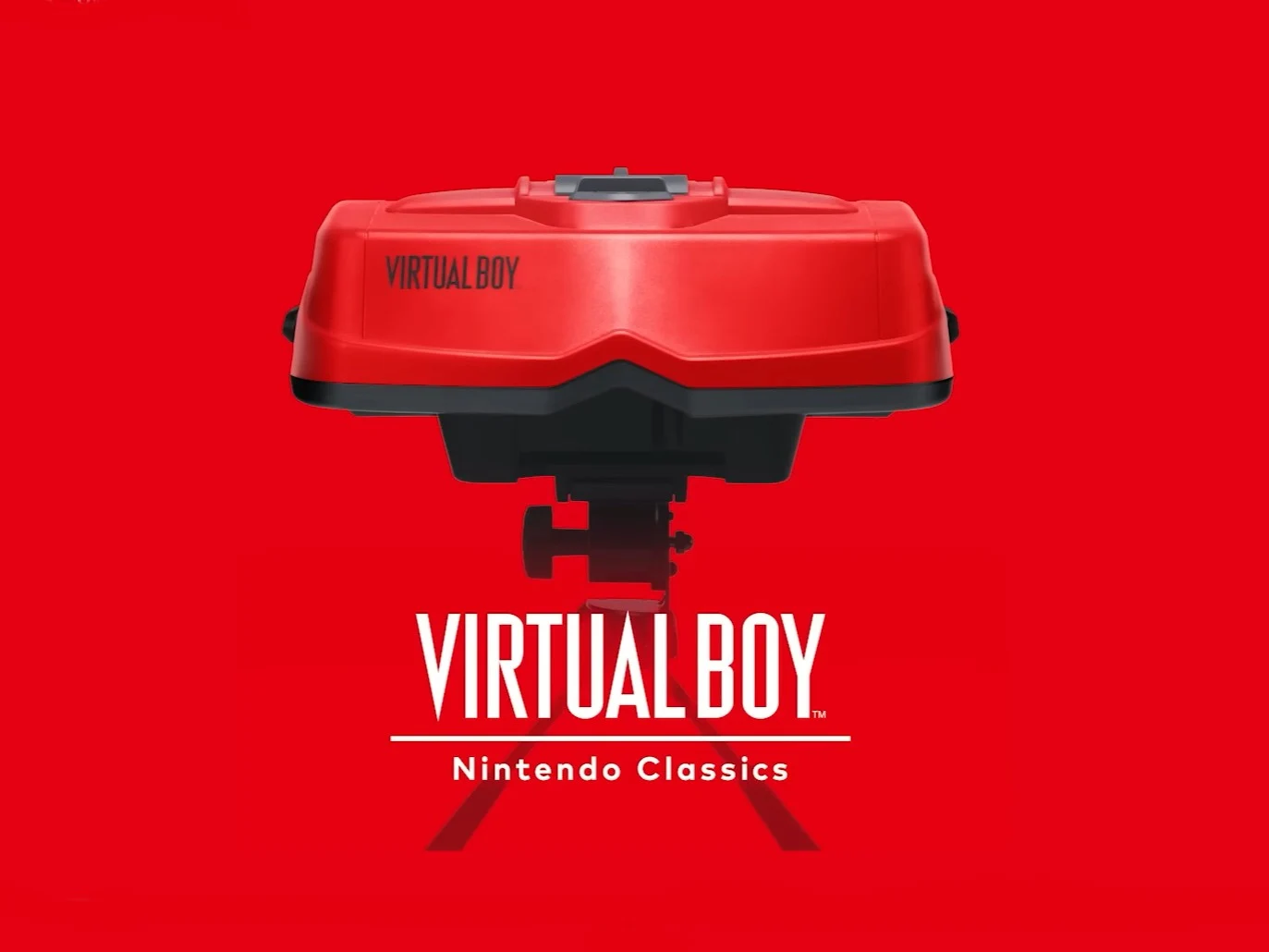
    Shortly before the release of the Virtual Boy VR headset for the Nintendo Switch/Switch 2 systems, it was revealed that games for the device will get a staggered release. Back in February, only 7 games were available at launch, but with a promise that more would be added in the future. Nintendo has kept that promise with the release of five additional games.

    Update on Game Library Expansions

    The first paragraph described the initial plan and the commitment to add more titles over time. The announcement method was a video on Nintendo’s official channel, and the company confirmed that five classic games have joined the Switch Online + Expansion Pack catalog for Virtual Boy. This aligns with the stated 9 games to be added in 2026, and the specific titles were listed in the official release. The tone is informative and straightforward, highlighting a staggered release strategy rather than sudden, all-at-once availability.

    Titles Added This Round

    Below are the titles: Back in March, Nintendo added two extra games — Mario’s Tennis and Mario Clash. However, there are still two more games that are expected to be added this year. One of them is Zero Racers, a spin-off of F-Zero; while the other is D-Hopper. These games were made for the original Virtual Boy in 1995, but were never released for it.

    Sources
  • Steam Controller Works Without Steam Now

    Steam Controller Works Without Steam Now

    Key Takeaway

    – SDL cross-platform input support now enables full use of the Steam Controller outside Steam, reducing reliance on Steam Input.
    – While SDL coverage is broad, some titles (e.g., certain Game Pass games) may still require Steam Input or wrappers like SteamlessController.
    – Long-term potential remains limited by incomplete universal SDL support and the need to utilize Steam Input for full features (back buttons, touchpads, gyro) in many cases.

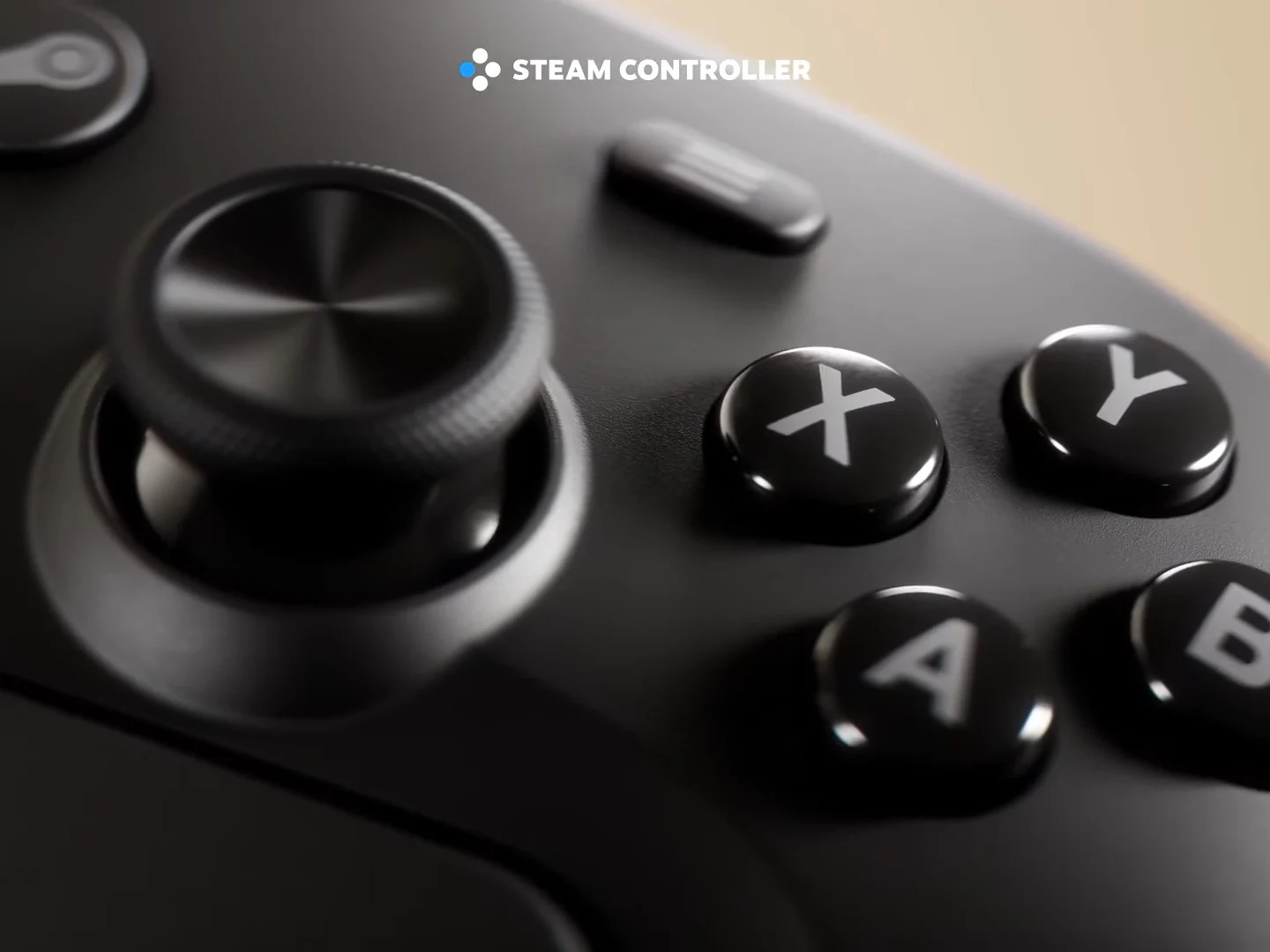
    As I looked forward to the 2026 Steam Controller, one notable drawback from post-launch reviews was the limited support outside the Steam client. Although expected for a device named Steam Controller, the absence of even basic XInput as a fallback is a real downside if you want to use the controller outside Steam games. While Steam Input can be routed to work with non-Steam games (like emulators such as Dolphin) by launching them through Steam, that workaround simply fails for common use cases like games bought through Xbox Game Pass or Microsoft Store.

    SDL brings cross platform relief

    Fortunately, the issue has now been fixed! Now, in a move akin to PlayStation 5’s DualSense, the Steam Controller is fully supported by the cross-platform Simple DirectMedia Layer (SDL) input library. This means that Steam Input can be bypassed entirely while still enabling full use of the Steam Controller’s inputs outside of Steam. There may be some limitations still requiring manual tools like SteamlessController (for instance, not all Game Pass titles will support SDL inputs) or routing through Steam Input, but SDL enjoys surprisingly broad platform support, especially for emulators and decomps/recomps.

    The path forward and remaining hurdles

    In the long run, progress still sits on the horizon. Without universal SDL support or the use of XInput wrappers like SteamlessController, Steam Controller remains limited to Steam games. Additionally, while SDL does recognize the back buttons, touchpads, and gyro functionality, fully utilizing any of those added features (which differentiate Steam Controller from rivals) still requires Steam Input.

    SDL support as a meaningful upgrade

    Even so, solid SDL support for the 2026 Steam Controller— or Steam Controller 2, or whatever name you prefer—goes a long way toward enhancing the Steam Controller as a product. If you are among many users who prefer not to use Steam Input for emulators, for example, the introduction of Steam Controller SDL support is a genuine boon for those workflows.

    Sources
  • GameSir G7 Pro 8K PC Controller: Another Special Edition

    GameSir G7 Pro 8K PC Controller: Another Special Edition

    Key Takeaway

    – Latest ambassador-backed edition: GameSir G7 Pro 8K PC – Royal2 Edition, a collaboration with Halo World Champion and brand ambassador Royal2.
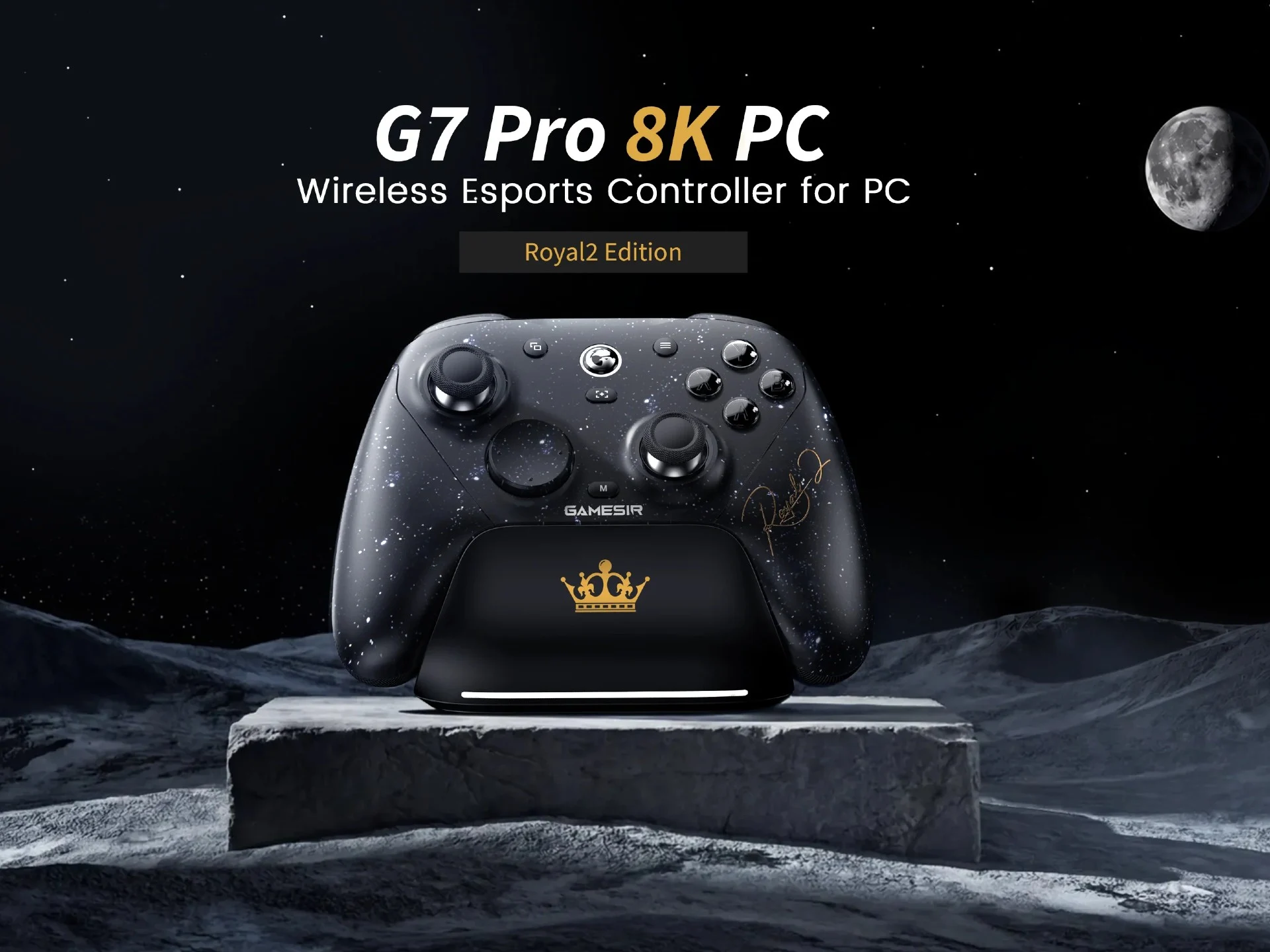
    – Cosmetic design: black with white star-sky specs, gold Royal2 signature on the right grip, crown on the charging dock; includes two extra D-Pads and accessories.
    – Specs and features (same as other G7 Pro 8K PC controllers): Mag-Res TMR sticks, 8000Hz polling rate (wired/wireless), dual-mode trigger stops, four remappable macro buttons, six-axis motion, audio jack, dual rumble motors, three-level turbo, 1200mAh battery.
    – Connectivity and compatibility: 2.4GHz wireless dongle, Type-C cable, cable retainer; PC-only compatibility.
    – Price and availability: pre-order for $89.99.

    GameSir is known for announcing special editions of its controllers that are made in partnership with its brand ambassadors. This year alone, it announced the Teganaria Lite MenaRD Edition and the Tarantula 8K PC – MenaRD Edition, both of which were made in partnership with MenaRD, its Dominican brand ambassador. In late April, it also released the G7 Pro 8K PC Champion Edition which is a partnership with XiaoHai, another of its brand ambassadors. The energy around these launches keeps fans excited and curious about what comes next.

    Edition lineup

    Now, the list has been joined by the launch of G7 Pro 8K PC – Royal2 Edition which is a collaboration with Royal2, a four-time Halo World Champion and GameSir global brand ambassador. The controller is just a cosmetically different version of the GameSir G7 Pro 8K PC Aimlabs Edition, sharing the same core tech but with a distinct look. The Royal2 Edition is black with specs of white that mimic a star-filled sky, and the crown motif is spread across the charging dock, ABXY buttons, and signature ink on the grip. It is priced at $89.99.

    Royal2 Edition visuals

    Beyond looks, the Royal2 Edition carries the same impressive features as its sibling models. It sports second generation GameSir Mag-Res TMR sticks for precision, an 8000Hz polling rate for both wired and wireless modes, dual-mode trigger stops, four remappable macro buttons, and six-axis motion control for versatile input. An audio jack, dual asymmetric rumble motors, a three-level turbo function, and a 1200mAh battery add to its performance and endurance, making it a genuine high-end tool for serious players.

    Pricing, inclusions and compatibility

    The G7 Pro 8K PC – Royal2 Edition is available to pre-order for $89.99. It comes with two additional D-Pads, a 2.4GHz wireless dongle, a Type-C cable, and a cable retainer to keep things tidy during setup. This edition is compatible with PC only, which means gamers who use other platforms would need to consider compatibility needs ahead of purchase.

    • Two additional D-Pads
    • 2.4GHz wireless dongle
    • Type-C cable
    • Cable retainer

    GameSir continues to push product lines with ambassadors and limited edition collabs, showing how hardware can blend pride, performance, and personality into one package that feels personal for players and collectors alike. Every new drop brings a story about the ambassador partnership, the design choices, and the tested performance behind the scenes, which keeps the community talking and the company listening. GameSir

    Sources
  • Epic Games Store Teases Upcoming Mystery Free Games

    Epic Games Store Teases Upcoming Mystery Free Games

    Key Takeaway

    – The Epic Games Store mystery freebies event runs with the Mega Sale until June 11, 2026, and the first batch has already been revealed (surprising picks).
    – First mystery games were Sunderfolk (unexpected) and Telltale Batman Shadows Edition (roughly predicted by some).
    – A second-batch clue: a pickaxe-like symbol that could point to mining/crafting games such as Forager, Core Keeper, Deep Rock Galactic, Steamworld Dig entries, or a Tomb Raider collection.
    – Another clue is less clear, with theories ranging from a glitchy Freddy Fazbear image to Dead Cells or a pirate ship game.
    – Official reveal begins May 21, 2026, with potential extra hints before the unveiling.

    Epic Games Store is holding another mystery free game giveaway event, which is happening alongside the Mega Sale event. Both are expected to run until June 11, 2026, and the first batch of mystery freebies has already been revealed, and they were not what many predicted. The air around the giveaway buzzed with curiosity as players scanned leaks and threads, wondering what hidden titles could possibly emerge from the cryptic hints and timed drops. The announcement signaled that something unusual was underway, with surprises promised and a curious vibe permeating the community.

    Hints point toward second batch and a cryptic road

    For those who missed it, the first mystery free games for this event are Sunderfolk, which is far from what everyone speculated, and Telltale Batman Shadows Edition, which is close to what Redditor u/Prophet_NY predicted. The platform has now shared a new set of hints for the second batch, and as expected, they are quite confusing. Fans scramble through posts, threads, and comments, trying to thread together motifs, dates, and symbols, while still hoping for a surprising turnout that contradicts early odds.

    Symbolic clues and wild predictions

    Among the two, one of them looks like a pickaxe, and if this is correct, this symbol could be pointing to different games. Notable predictions point to Forager (curr. $6.99 on Humble), Core Keeper, and Deep Rock Galactic. It could be one of the Steamworld Dig entries or a collection as well, while some wild guesses suggest that it could be a Tomb Raider game. All of these titles have something to do with mining and crafting. The chatter grows louder as more voices weigh in, yet the hints remain deliberately slippery, inviting playful speculation without offering confirmation.

    Clues diverge into mining myths

    As for the second clue, it’s not as obvious as the first one. Some believe it’s a glitchy picture of Freddy Fazbear from Five Nights at Freddy’s. Other predictions suggest that it’s a different game, with some speculating that it’s Dead Cells or a pirate ship game. The contrast between familiar icons and unfamiliar symbols fuels debates that swing from nostalgic nostalgia to fresh curiosity, and conversations bounce between hopeful predictions and cautious skepticism about licensing and crossovers.

    Pop culture echoes and speculation

    Regardless of what the two mystery free games could be, the good part is that the reveal date is quite close. Epic Games Store will officially open up the curtains on these and give them away starting from May 21, 2026, and it’s possible that the platform will offer further hints before the unveiling. Until then, players watch horizons, save the dates, and hope that the second batch brings something that actually surprises rather than duplicates, keeping the community’s enthusiasm alive and the forums buzzing with fresh theories.

    Sources
  • GTA 6 Best Buy Pre-Order Leak Adds $2B to Publisher Valuation

    GTA 6 Best Buy Pre-Order Leak Adds $2B to Publisher Valuation

    Key Takeaway

    – Leaked Best Buy email sparked a stock jump (~5–10%), adding about $2B in market value for Take-Two on May 14, 2026.
    – The email outlined a May 18–21, 2026 physical GTA VI pre-order promo with a 5% influencer commission, later corroborated by multiple affiliates.
    – GTA VI pre-orders are expected to begin May 18, 2026, with a targeted November 19, 2026 launch; Q4 2026 earnings call on May 21 may reveal more.
    – Hype is at an all-time high; Strauss Zelnick describes the situation as exciting yet terrifying, with no official pre-order date or public statement yet.

    The ongoing hype for Grand Theft Auto VI is surging to new highs as Rockstar Games’ sixth mainline entry in the franchise is shaping up to be one of the biggest video game launches in history. Even the mere rumor that fans might be able to pre-order the game soon has already sent tremors through Wall Street. On Thursday, May 14, 2026, Rockstar Games and GTA VI publisher Take-Two Interactive saw their shares jump roughly between 5% and 10% in a single day, adding about $2 billion to the company’s market value. The reason for this was a small blip, a leaked email, from Best Buy that gave insights into pre-order details for the physical edition of Grand Theft Auto VI. Take-Two’s stock had been hovering between $216 and $230 earlier in the week. After the pre-order email leak became public, the stock price climbed to more than $240 per share. The email was sent to affiliate partners and included a brief promotional window for “GTA 6 Pre-Order (Physical Game)” running between May 18 and May 21, 2026, with a 5% commission for influencers who drove sales. While this seemed too good to be true, multiple affiliate partners later shared screenshots online, and reports confirmed that the email was, in fact, real. With that said, Grand Theft Auto VI pre-orders are now expected to begin on May 18, 2026. Take-Two investors may be celebrating, as the publisher’s Q4 2026 earnings call is scheduled for May 21, 2026, and some information is sure to be released about its largest title to date, building on the success of its predecessor. These developments also largely reassure the GTA fanbase that the game is on track for a November 19, 2026, launch, with no further delays in sight.

    Market Tremors and Pre-Order Rumors

    Expectations are at an all-time high for Grand Theft Auto VI. Take-Two CEO Strauss Zelnick recently spoke with Bloomberg and discussed the game’s hype. He said, “Being on the sidelines but pretty close to the front of the sidelines is very, very exciting. And terrifying. Because the expectations are so high.” Still, Rockstar and Take-Two have yet to confirm the pre-order date or issue a public statement regarding the Best Buy email. Take-Two’s Q4 2026 earnings call is just a few days away, and fans hope Strauss Zelnick will share a clearer picture of what’s coming next for GTA VI’s promotional marketing and trailer drops.

    Officials Silence and Investor Optimism

    The situation remains fluid as neither Rockstar nor Take-Two has publicly confirmed the pre-order date or issued a formal response to the Best Buy email. The Q4 2026 earnings call approaches, and investors expect some sense of the schedule for promotional marketing and trailer drops, but until then the GTA VI chatter will keep oscillating between cautious optimism and skepticism. For now, expectations linger high, and the community hopes the official word arrives soon, setting a concrete launch plan rather than more rumors.

    Sources
  • AMD expands FSR 4.1 beyond RDNA 4 amid community backlash

    AMD expands FSR 4.1 beyond RDNA 4 amid community backlash

    Key Takeaway

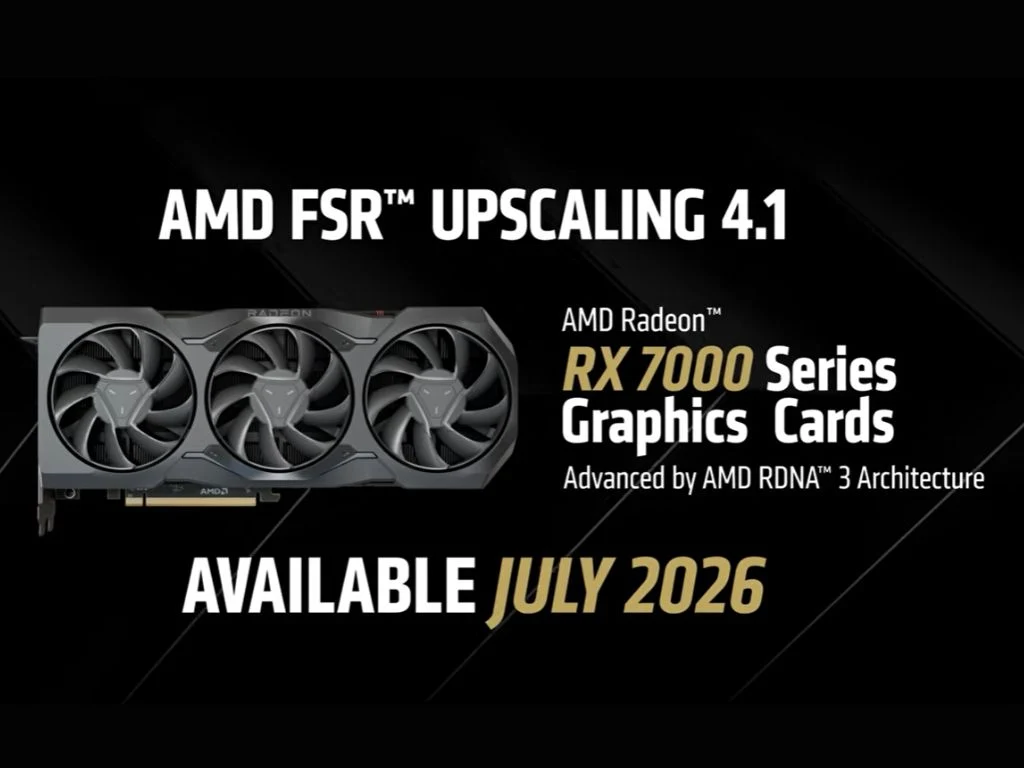
    – FSR 4.1 INT8 will reach RDNA3 RX 7000 series in July 2026, with 300+ games supported at launch.
    – RDNA2 RX 6000 series will gain FSR 4.1 in early 2027, expanding support to older GPUs.
    – The update eliminates the need for workarounds like OptiScaler by providing official out-of-the-box FSR 4.1.
    – The rollout responds to prior community backlash over leaks and perceived long-term support, announced by AMD’s Jack Huynh.

    Following a major AMD GitHub repository leak last month, which revealed that the PS5 Pro’s PSSR 2.0 uses the AMD FSR 4.1 INT8 version for the RDNA 3-based console, the internet criticized AMD for skipping RDNA 3 and RDNA 2 GPUs on PC. The majority of AMD GPU owners bought these cards with long-term support in mind, and when the leak surfaced, the community felt betrayed. With AMD’s RX 7000 series GPUs remaining competitive in a variety of use cases and games, often at better price points than AMD’s own offerings and the competition, this is a particularly bitter pill to swallow for many who assumed such support was coming.

    Industry Response

    One month later, AMD finally addressed these concerns and announced that the very same FSR 4.1 INT8 model will be coming to RDNA 3-based RX 7000 series GPUs in July 2026 and to RDNA 2-based RX 6000 series graphics cards in early 2027. FSR 4.1 is expected to support over 300 games at launch on RDNA 3 GPUs. The update was unexpected and surprised gamers who saw it as AMD responding to community outrage.

    Official Confirmation

    AMD’s Senior Vice President and General Manager of Computing and Graphics, Jack Huynh, directly announced FSR 4.1 on X for RX 7000 and RX 6000 series GPUs alongside an announcement video: “My team and I have been working hard to evolve AMD FSR 4 and bring it to more cards. This July, RDNA 3 players will experience FSR 4.1 upscaling, delivering sharper visuals and smoother gameplay than ever before. We tested across hundreds of PC configurations and in hundreds of games to ensure visuals are sharp and everything works out of the box.” For gamers who’ve stuck with RX 6000 series GPUs, he added, “And for our RDNA 2 players, we have something exciting coming in early 2027. FSR 4.1 upscaling will be coming to your cards as well.”

    Impact on Early Adopters

    When FSR 4.1 launched earlier this year, it was limited to just RX 9000-series RDNA 4 GPUs, leaving many AMD Radeon users to resort to workarounds. Those stuck with older versions of FSR used OptiScaler to unofficially inject FSR 4.1 into games, but the workaround was hit-or-miss. With AMD finally introducing FSR 4.1 for RDNA 3 and RDNA 2 GPUs, gamers won’t have to resort to workarounds like OptiScaler to gain performance. The official implementation of FSR 4.1 for older RDNA cards will likely be fine-tuned to run better and more smoothly in supported games than competing 3rd-party mods. While RX 7000 series owners will get FSR 4.1 in the coming months, RDNA 2 users will have to hold on a bit longer until 2027.

    Sources