Category: Gaming

  • Xiaomi Launches First Curved Gaming Monitor Worldwide

    Xiaomi Launches First Curved Gaming Monitor Worldwide

    Key Takeaways

    1. Xiaomi introduced the Curved Gaming Monitor G34WQi 2026 in Australia, following its earlier model from 2024.
    2. The monitor is priced at AUD 599 but is currently discounted to AUD 449 (~$313).
    3. Key features include a 1500R curvature, 3,440 x 1,440 resolution, 21:9 aspect ratio, 180 Hz refresh rate, and 1 ms GtG response time.
    4. It lacks USB ports but includes dual DisplayPort 1.4, HDMI 2.0 connections, and a 3.5 mm audio jack without built-in speakers.
    5. The monitor is expected to expand availability beyond Australia to Southeast Asia, Africa, Europe, and the Middle East.


    Xiaomi has introduced its 2026 model of the 34-inch curved gaming monitor without much fanfare. Just to remind you, the original Curved Gaming Monitor G34WQi was launched in 2024 (priced at $289.99 on Amazon). Later, at the end of 2025, Xiaomi listed the Curved Gaming Monitor G34WQi 2026 on its global site, but they didn’t share any details about pricing or when it would be available.

    Availability in Australia

    Recently, the monitor has made its debut in Australia. So far, it seems that Xiaomi isn’t selling the Curved Gaming Monitor G34WQi 2026 in any other regions, aside from China, where it is sold as the Redmi G34WQ 2026. However, we anticipate that it will soon be available in Malaysia, Singapore, and various other Southeast Asian nations before reaching markets in Africa, Europe, and the Middle East.

    Pricing and Features

    In Australia, the price of the Curved Gaming Monitor G34WQi 2026 is set at AUD 599, which equals roughly $418 based on current currency exchange rates. Nevertheless, Xiaomi has already slashed the price to AUD 449 (~$313). At this price point, the monitor comes with dual DisplayPort 1.4 and HDMI 2.0 connections, but it does not have any USB ports at all.

    Additionally, it features a 3.5 mm audio jack, though it doesn’t include built-in speakers. Aside from that, the Curved Gaming Monitor G34WQi 2026 boasts a 1500R curvature, a 3,440 x 1,440 pixel resolution, and a 21:9 aspect ratio. The monitor also supports a 180 Hz refresh rate, has a 1 ms GtG response time, and provides 400 nits of peak brightness along with a contrast ratio of 3,500:1, thanks to its VA panel. For further information, you can visit Xiaomi’s website.

    Summary

    Xiaomi Australia has launched this monitor, and it’s already generating buzz for its impressive specifications and pricing strategy.

    Source:
    Link


  • Xiaomi Launches Mini LED Gaming Monitor with 2000 Nits Brightness

    Xiaomi Launches Mini LED Gaming Monitor with 2000 Nits Brightness

    Key Takeaways

    1. Xiaomi launched the Mini LED Gaming Monitor G Pro 27Qi 2026 globally in early December, introducing key differences from the previous model.
    2. The new monitor features significantly enhanced brightness, reaching up to 2,000 nits with 1,152 local dimming zones, compared to 1,000 nits in the earlier version.
    3. It competes with high-end models by surpassing the peak brightness of the LG UltraGear OLED 27GX700A while maintaining a 1440p resolution, 180 Hz refresh rate, and 1 ms GtG response time.
    4. The colour accuracy has improved to ∆E<1, compared to ∆E<2 in the previous model, while still offering 99% coverage of AdobeRGB and DCI-P3. 5. The Mini LED Gaming Monitor G Pro 27Qi 2026 is priced at AUD 699 (~$488) in Australia, with an introductory sale reducing the price to AU$499 (~$348).


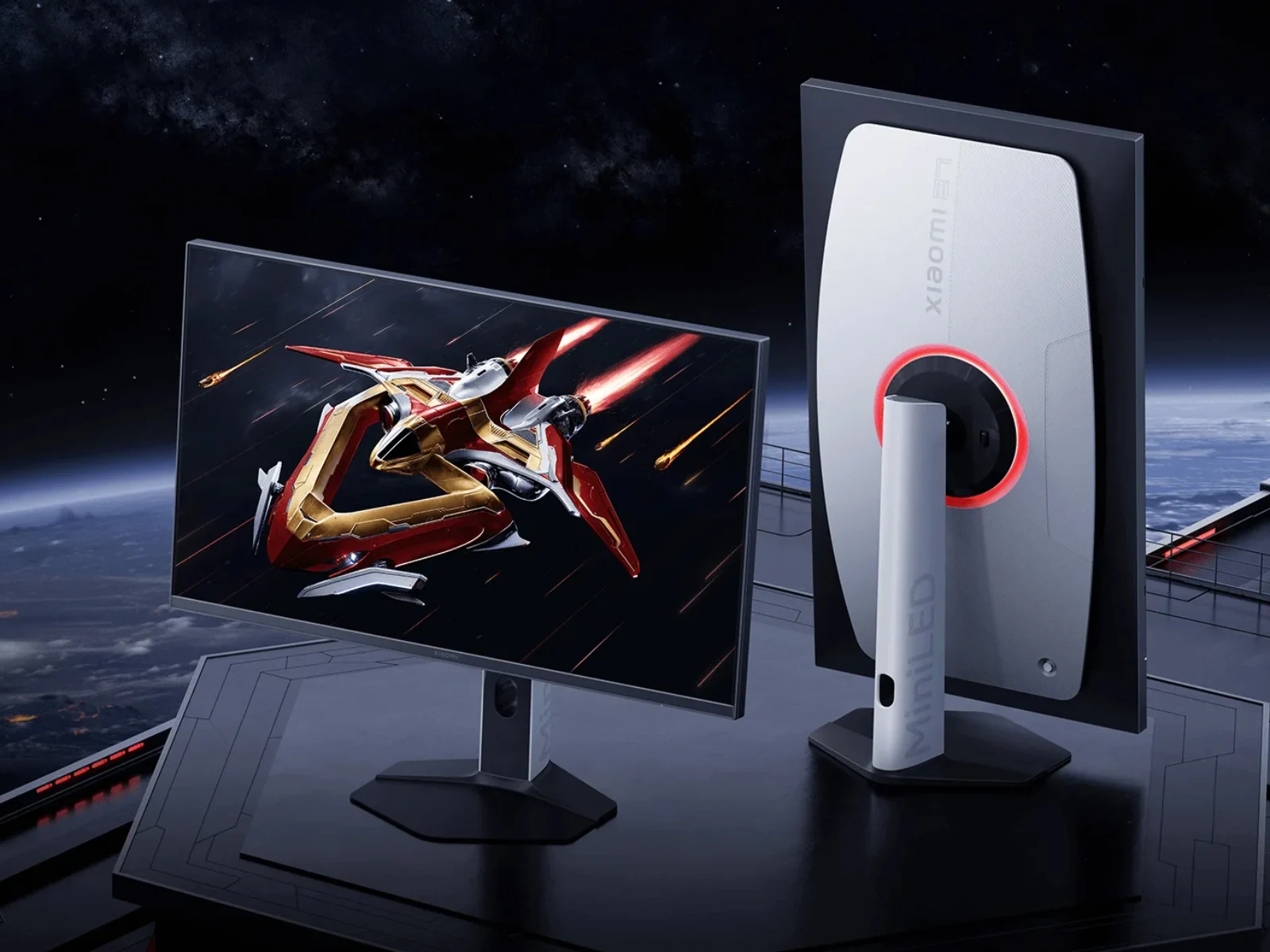
    Xiaomi has made a low-key launch of its new Mini LED gaming monitor for the first time. Just to summarize, Xiaomi put the Mini LED Gaming Monitor G Pro 27Qi 2026 on its global website in early December. While the previous model resembled a similar Redmi monitor, the Mini LED Gaming Monitor G Pro 27Qi 2026 has key differences compared to the Redmi Monitor G Pro 27U that was released seven months ago.

    Enhanced Brightness Features

    In comparison to the Monitor G Pro 27i, the new Monitor G Pro 27Qi 2026 offers a much higher peak brightness. Specifically, the 2026 model can achieve up to 2,000 nits due to its 1,152 local dimming zones, unlike the 1,000 nits of its 2024 version. Unfortunately, Xiaomi hasn’t provided Average Picture Level (APL) numbers. They only mentioned that they reached 2,000 nits during tests under certain conditions:

    typical value measured with 10%-30% HDR white window, screen brightness set to 100, and dynamic backlight set to high.

    Competing with High-End Models

    This peak brightness surpasses that of the Tandem OLED-supported LG UltraGear OLED 27GX700A, which offers up to 1,500 nits at 1.5% APL (currently priced at $649.99 on Amazon). Furthermore, the 27-inch IPS monitor keeps a 1440p resolution, a 180 Hz refresh rate, and 1 ms GtG response times. The colour coverage remains consistent at 99% AdobeRGB and 99% DCI-P3, but now boasts a colour accuracy of ∆E<1, compared to the previous ∆E<2 for the original Xiaomi Mini Led Gaming Monitor G Pro 27i.

    Pricing and Availability

    Originally, Xiaomi set the price for the Redmi Monitor G Pro 27U at CNY 2,699 (~$388) in China. In contrast, the Mini LED Gaming Monitor G Pro 27Qi 2026 is available in Australia for AUD 699 (~$488). Currently, an introductory sale has reduced the monitor’s price to AU$499 (~$348). As of now, it is still uncertain when the Mini LED Gaming Monitor G Pro 27Qi 2026 will be launched in other markets.

    Source:
    Link


  • Buy 8BitDo’s Color-Accurate Bluetooth Controller for Analogue 3D

    Buy 8BitDo’s Color-Accurate Bluetooth Controller for Analogue 3D

    Key Takeaways

    1. The 8BitDo 64 Bluetooth Controller was released in July 2025, with a new grey color option introduced in November 2025.
    2. The grey controller is priced at $44.99, while the black and white versions are $39.99, with no functional differences.
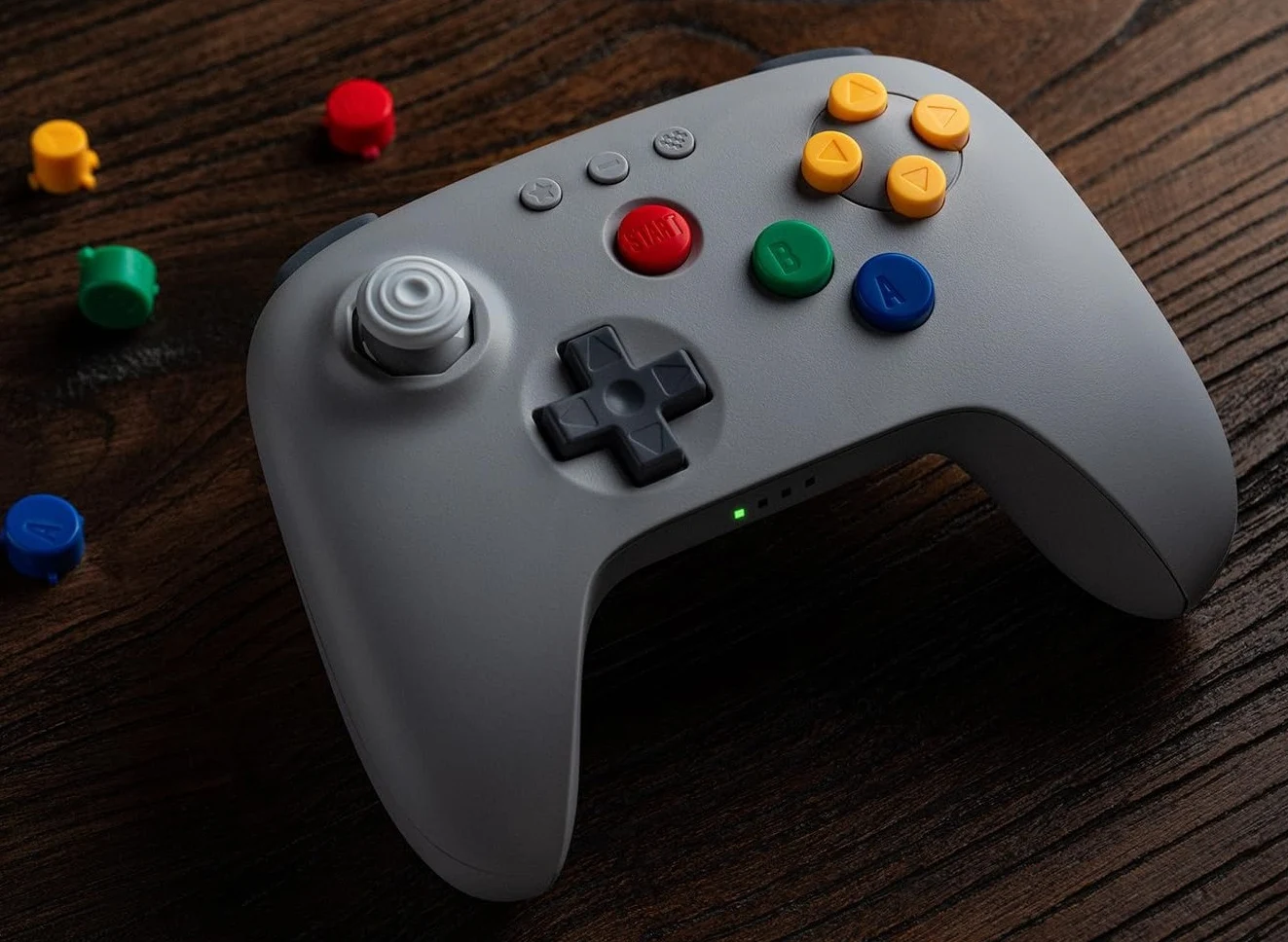
    3. The controller features a classic Nintendo 64 design with a grey exterior and colored buttons (yellow, blue, green, and red).
    4. It is compatible with the Analogue 3D console, Nintendo Switch, Nintendo Switch 2, and devices running Android and Windows, supporting both Bluetooth and wired USB connections.
    5. Eight additional color variants are set to be released in February as part of the Funtastic Limited Editions, currently available for pre-order.


    The 8BitDo 64 Bluetooth Controller hit the market in July 2025, nine months after its initial announcement. In November of the same year, 8BitDo introduced a new grey color option to complement the existing black and white versions that were available at launch. After being on pre-order for some time, customers can now purchase the controller.

    Pricing Details

    The Grey 8BitDo 64 Bluetooth Controller is priced at $44.99 and can be found on the 8BitDo eShop, along with Amazon. This price is a bit higher than the Black and White options, which are selling for $39.99. Besides the color difference, there are no other variations between them.

    Design Features

    This Grey controller is designed to reflect the classic Nintendo 64 controller with its grey exterior. It features yellow C-buttons, a blue A button, a green B button, and a red start button, while the D-pad, shoulder buttons, and triggers are a dark gray shade.

    Compatibility and Connectivity

    While the 8BitDo 64 Bluetooth Controller is primarily made for the Analogue 3D console, it also works with the Nintendo Switch, Nintendo Switch 2, and devices running Android and Windows if you don’t have or plan to buy the FPGA console.

    This controller supports both Bluetooth and wired USB connections. It boasts Hall Effect joysticks and triggers, a turbo function, and a 1,000mAh battery that claims to deliver up to 36 hours of gameplay.

    Upcoming Variants

    In addition to the grey model, 8BitDo has announced 8 more colors under the Funtastic Limited Editions. These options are currently available for pre-order and are set to be released in February.

    Source:
    Link


  • Sony’s New Patent Reveals Buttonless DualSense Controller for PS6

    Sony’s New Patent Reveals Buttonless DualSense Controller for PS6

    Key Takeaways

    1. Sony is exploring a touch-capacitive controller for the PS6, as shown in a recent patent.
    2. The redesigned DualSense controller may adapt to the user’s hand position, offering a personalized gaming experience.
    3. The new touch controls could recognize gestures like swiping and pinching, similar to mobile gaming.
    4. Many gamers are skeptical about the effectiveness of a controller without physical buttons, preferring traditional tactile feedback.
    5. Sony is considering combining innovative designs, like the touch controls, with traditional buttons for accessibility and user comfort.


    Leaks about the PS6 specifications are out there, but there’s a lot of confusion about its main accessory. A new Sony patent that was uncovered by xleaks7 on social media and Sudoku Online Pro shows a redesigned DualSense controller. Instead of using regular buttons, this controller would use touch controls that change based on how you hold it.

    Uncertainty around the Patent

    Just like with other patents, the one released on January 27th might not ever be used. However, it appears that Sony is thinking about a touch-capacitive controller for the PS6 as a possibility.

    The patent explains that many current designs don’t adapt well to all gamers. Without physical buttons or sticks, this device could be comfortably used by hands of all different shapes and sizes.

    New Touch Controls

    The updated DualSense would work similarly to touch controls found in a lot of mobile games. However, its design would adjust to the positions of your fingers and hands as they move. The Sony patent talks about “anchors” that track movements and adapt smoothly during play.

    Moreover, like on smartphones, this potential PS6 controller could recognize gestures such as swiping and pinching. The existing PS5 DualSense already includes a trackpad that can detect these actions.

    Skepticism Among Gamers

    Naturally, many fans are doubtful that this proposed accessory would work well in practice. Even with haptic feedback, a lot of mobile gamers enjoy the tactile sensation of sticks and buttons. Pro controllers, like the Victrix Pro BFG, even let users customize the joystick positions and the number of face buttons.

    Sony might mix ideas from the patent with more traditional controls. The PS6 controller could feature an upgraded touchpad while still including regular buttons. Alternatively, it could serve as an option for gamers who have accessibility needs. Still, the company is exploring other unexpected designs for future accessories.

    Innovative Concepts

    Another patent found back in November 2025 suggests adding liquid-filled compartments to a controller. Instead of using voice-coil actuators for haptic feedback, pressing buttons would adjust hydraulic pressure. This might create a more genuine feel, but the idea does come with its own set of problems, such as the potential for leaks.

    Source:
    Link


  • Classic 80s Joystick Makes a Comeback with Modern Upgrades

    Classic 80s Joystick Makes a Comeback with Modern Upgrades

    Key Takeaways

    1. The Quickshot II retro joystick has been re-released with improved connectivity options while retaining its classic design.
    2. The joystick is compatible with PCs, retro devices, and home computer replicas by Retro Games, but not with original C64 or Commodore Amiga.
    3. It features a 180 cm USB cable and does not support wireless connections.
    4. The joystick includes modern features such as accurate microswitches, a ball joint, two action buttons, six programmable fire buttons, and an autofire button.
    5. The Quickshot II has a nostalgic design that appeals to gamers who remember using it in the 80s, having sold over 42 million units historically.


    Following the mid-December 2025 announcement from Retro Games and Plaion, TheQuickshot II retro joystick is now accessible through a variety of retailers. It keeps the classic look of the original but comes with improved connectivity options.

    Nostalgic Design

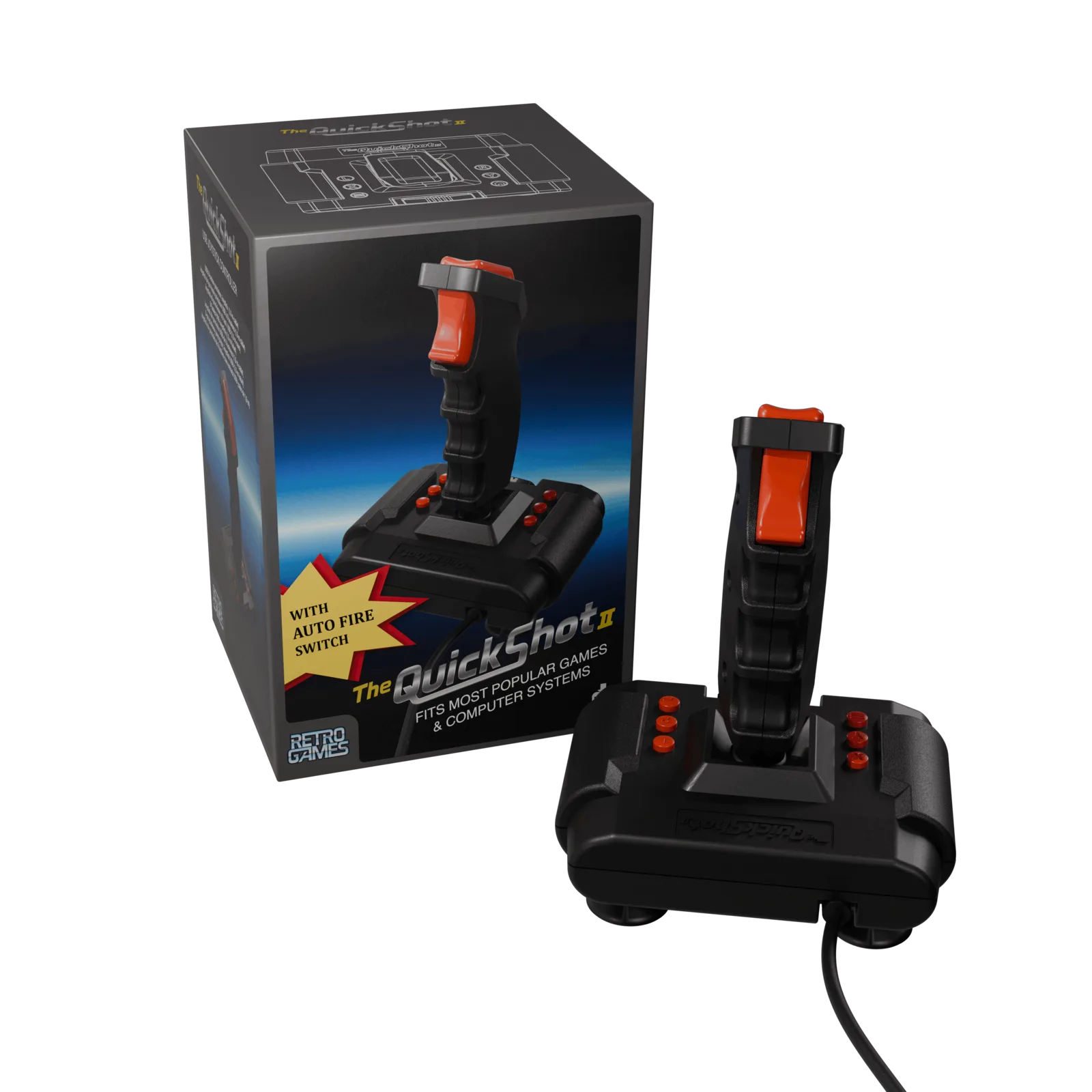
    For those who played with a C64, Schneider CPC, or Commodore Amiga back in the 80s, the familiar black joystick with its red buttons may bring back memories. Aside from the compact Competition Pro, the original Quickshot II, launched by Spectravideo in 1983, was a standout joystick from that time. It was designed like a flight control stick, which made it unique; its size was perfect for bigger hands, and it had suction cups that held it steady even during intense gameplay in titles like Winter Games. While the controls could sometimes be a bit off, it did include an autofire feature. The Quickshot II and its related models have sold over 42 million units, solidifying its legendary status. Now, it’s back in stores (check it out on Amazon).

    Modern Features

    To match the needs of today’s gamers, the updated Quickshot II offers USB compatibility for ease of use and comes with a 180 cm USB cable. It’s compatible not only with PCs and various retro devices but also supports home computer replicas made by Retro Games, such as TheC64, The Spectrum, TheA500, and the soon-to-be-released TheA1200. However, it’s worth noting that it cannot connect to the original C64 or Commodore Amiga using the 9-pin interface, nor does it support wireless connections. Additional features include accurate microswitches, a ball joint, two action buttons, six programmable fire buttons, an autofire button, and the same reliable suction cups.

    Retro Games’

    Source:
    Link


  • Ayaneo Unveils Pocket Play: Xperia Play-Inspired Gaming Device

    Ayaneo Unveils Pocket Play: Xperia Play-Inspired Gaming Device

    Key Takeaways

    1. Ayaneo introduced the Pocket Play, inspired by the Xperia Play, but provided limited initial details.
    2. The device features the Dimensity 9300 SoC from MediaTek, a choice that surprised some due to recent advancements in gaming emulation.
    3. Many believe the Snapdragon 8 Gen 3 would have been a better choice for superior performance in emulation tasks.
    4. The Pocket Play includes slide-out controls with tactile feedback and a smart touchpad designed for accuracy, though physical joysticks are preferred for a better experience.
    5. The crowdfunding phase for the Pocket Play is postponed to improve customer support, with a possible launch in the first half of 2026.


    Ayaneo has introduced the Pocket Play, which is a new member of its Remake series, and as the company has shown before, it takes inspiration from the Xperia Play gaming phone. However, during its first reveal, there wasn’t much detail shared about this device.

    Display and SoC Update

    In late December 2025, Ayaneo disclosed the display specifications of the gaming phone, and now the system-on-chip (SoC) details have been officially shared. The Pocket Play comes equipped with the Dimensity 9300, a top-tier MediaTek chip from 2023. While this SoC choice could surprise some, the advancements in Mali emulation and gaming have seen a noticeable improvement in recent months.

    Performance Considerations

    That being said, it would have been preferable to see the Pocket Play use the Snapdragon 8 Gen 3, which is Qualcomm’s flagship SoC for the same year. With superior GPU driver support, this alternative chip would likely enable better performance in emulation tasks.

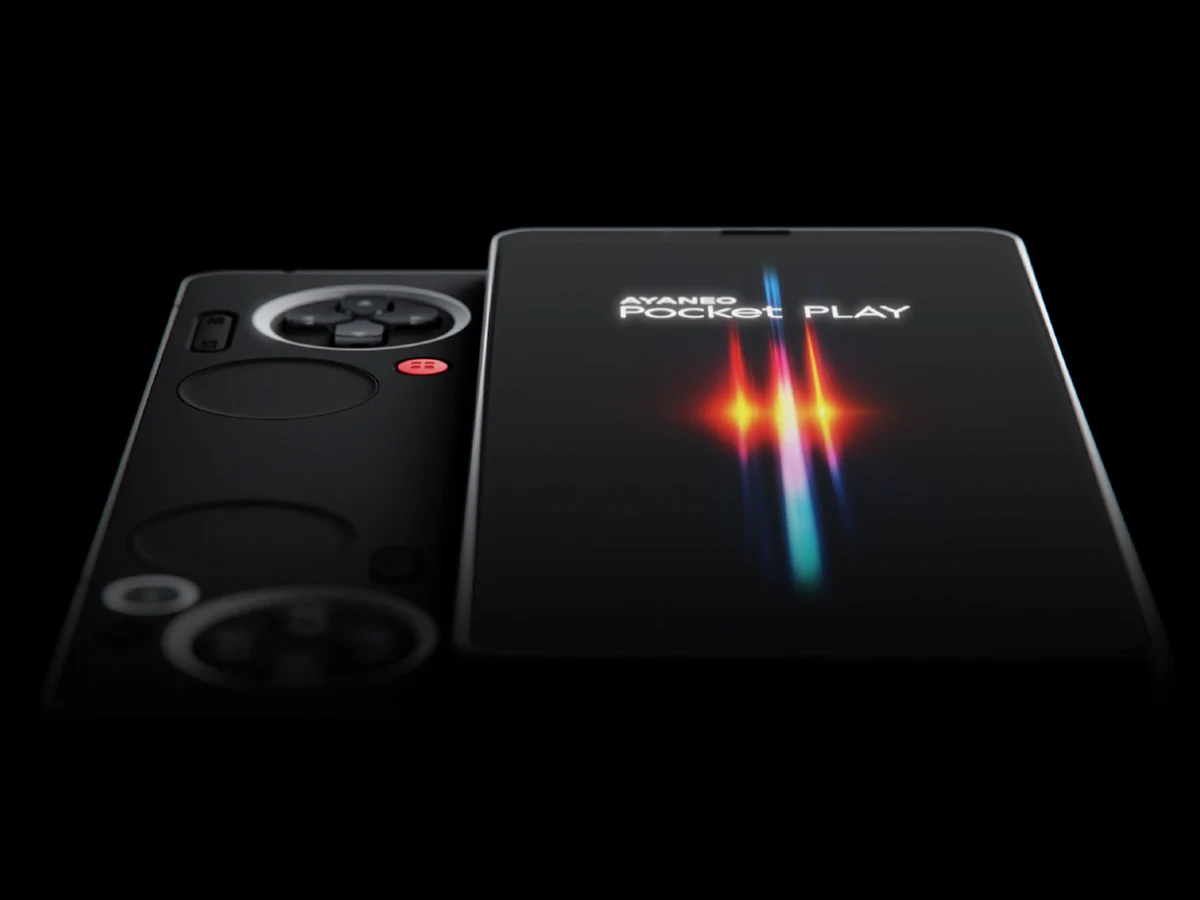
    Ayaneo’s teaser announcement emphasized the slide-out controls of the gaming phone. The ABXY and D-pad buttons are designed to provide tactile feedback, while the smart touchpad can function like a virtual joystick, which is claimed to be finely tuned for accuracy. Of course, physical joysticks would still provide a more satisfying experience overall (like those on the 8bitDo Ultimate mobile controller that currently retails for $39.99 on Amazon).

    Launch Timeline

    Currently, there isn’t an official launch date for the Pocket Play, but Ayaneo has recently stated that the crowdfunding phase for the gaming phone is postponed. This delay is attributed to the company’s desire to revamp its operations, particularly with a focus on improving customer support. Given that most of the key specifications have been unveiled through recent teasers, it’s probable that Ayaneo will roll out the gaming phone in the first half of 2026.

    Source:
    Link


  • Anbernic Unveils New Wireless Controller for Nintendo Switch 2

    Anbernic Unveils New Wireless Controller for Nintendo Switch 2

    Key Takeaways

    1. Anbernic’s RG G01 is a new wireless controller set to launch in February 2026.
    2. The RG G01 is a successor to the RG P01, which was released about a year and a half ago.
    3. The RG G01 aims to compete with high-end controllers like the 8BitDo Ultimate 2 Wireless and GuliKit KingKong 2 Pro.
    4. It features a 2,100 mAh battery, providing up to 21 hours of gaming on a single charge.
    5. The controller is compatible with multiple systems, including Switch, Android, iOS, Linux, and Windows.


    Anbernic is revealing more information about its upcoming wireless controller. This marks the first device introduced by Anbernic in 2026, and the RG G01 is a successor to the RG P01, which was released about a year and a half ago (currently priced at $24.99 on Amazon).

    High-End Competition

    The RG P01 was known as an affordable wireless controller. In contrast, Anbernic’s new promotional video highlights that the RG G01 is designed to compete with premium products like the 8BitDo Ultimate 2 Wireless, Manba One V2, and the GuliKit KingKong 2 Pro. To summarize, the Anbernic RG G01 comes equipped with the following specifications:

    Impressive Features

    Moreover, Anbernic has packed in a 2,100 mAh battery, which is said to provide up to 21 hours of gaming on a single charge. The company also noted that the RG G01 can notify users of unusual heart rates through its small IPS display. This controller is compatible with Switch and Switch 2 consoles, as well as Android, iOS, Linux, and Windows systems. Although the promotional video does not mention a specific release date, it is anticipated that the RG G01 will be available for purchase starting in February 2026.

    Anbernic’

    Source:
    Link


  • Sony Leak: OLED PlayStation Portal Update and New Handheld in 2026

    Sony Leak: OLED PlayStation Portal Update and New Handheld in 2026

    Key Takeaways

    1. A leak suggests Sony will introduce an OLED version of the PlayStation Portal, priced at $199, later this year.
    2. The Portal OLED is aimed at streaming enthusiasts as a mid-cycle display improvement.
    3. Details about Sony’s upcoming handheld, “Project Canis,” indicate it will feature AMD’s next-gen RDNA 5 architecture with 16 compute units for power efficiency.
    4. Sony has modified PS5 development kits to include a “Low Power Mode” to support the handheld’s limited hardware capabilities.
    5. The Portal OLED is expected to be announced this year, while the new handheld is anticipated to launch around the same time as the PlayStation 6.


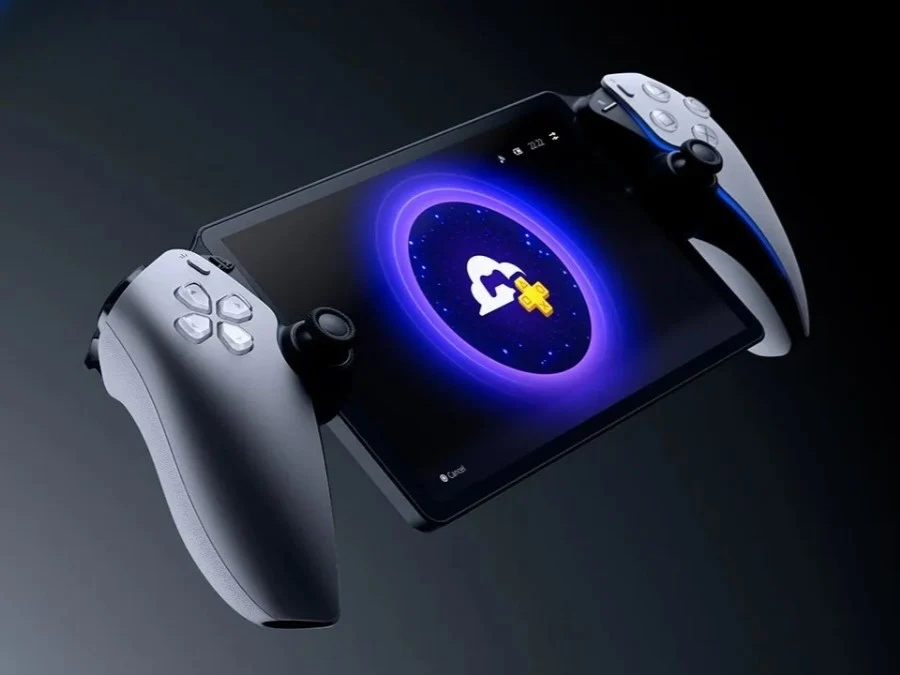
    A recent leak has strengthened an earlier rumor about Sony introducing OLED technology to the PlayStation Portal, which is currently priced at $199 on Amazon. Well-known hardware leaker Kepler_L2, who has a solid track record, has claimed that Sony is set to unveil an OLED version of the PlayStation Portal sometime this year. Following a recent software update that enabled cloud streaming for the device, the new leaks regarding the Portal make much more sense now.

    Mid-Cycle Upgrade Insights

    The Portal OLED will mostly serve as a mid-cycle display improvement aimed at streaming enthusiasts. Additionally, more technical information has emerged about Sony’s long-anticipated native gaming handheld, often called “Project Canis.” Leaked details suggest that this upcoming device will feature AMD’s next-gen RDNA 5 (or UDNA) architecture. While some earlier leaks pointed to a higher compute unit (CU) count of up to 20, the internal targets seem to have settled on a configuration of 16 CUs. This choice is likely influenced by the need for power-to-performance efficiency; with a typical Thermal Design Power (TDP) limit of 15 W for portable devices, a 20 CU GPU would face diminishing returns due to memory bandwidth and thermal limits—resulting in no significant speed boost compared to the 16 CU model.

    Hardware Support and Development Kits

    In order to support this hardware, Sony has reportedly modified its PlayStation 5 development kits to include a required “Low Power Mode” or “Power Saver Mode.” This change means that the current PS5 game library can be adjusted to run natively on the handheld’s more limited hardware capabilities. The likely inclusion of LPDDR5X-9600 memory suggests a strong focus on fast data transfer to make up for the limited memory bus typical in mobile processors. Although the handheld is anticipated to launch around the same time as the PlayStation 6, the Portal OLED is expected to be announced this year, provided the leaks are accurate. We will just have to be patient for any official announcements from Sony, no matter what.

    Source:
    Link


  • Pre-Order the GameSir G7 Pro Aimlabs Edition Now Available

    Pre-Order the GameSir G7 Pro Aimlabs Edition Now Available

    Key Takeaways

    1. The GameSir G7 Pro 8K PC Aimlabs Edition wireless controller is priced at $79.99, same as the standard G7 Pro.
    2. It features second-generation Mag-Res TMR sticks for smoother operation and low power usage.
    3. The controller achieves an 8,000Hz polling rate in wired or 2.4GHz wireless mode, significantly higher than the standard model’s 1,000Hz.
    4. The Aimlabs Edition is designed exclusively for PC use, unlike the standard version, which is compatible with multiple platforms.
    5. Pre-orders are available on the GameSir website, with shipments expected between March and April 2026.


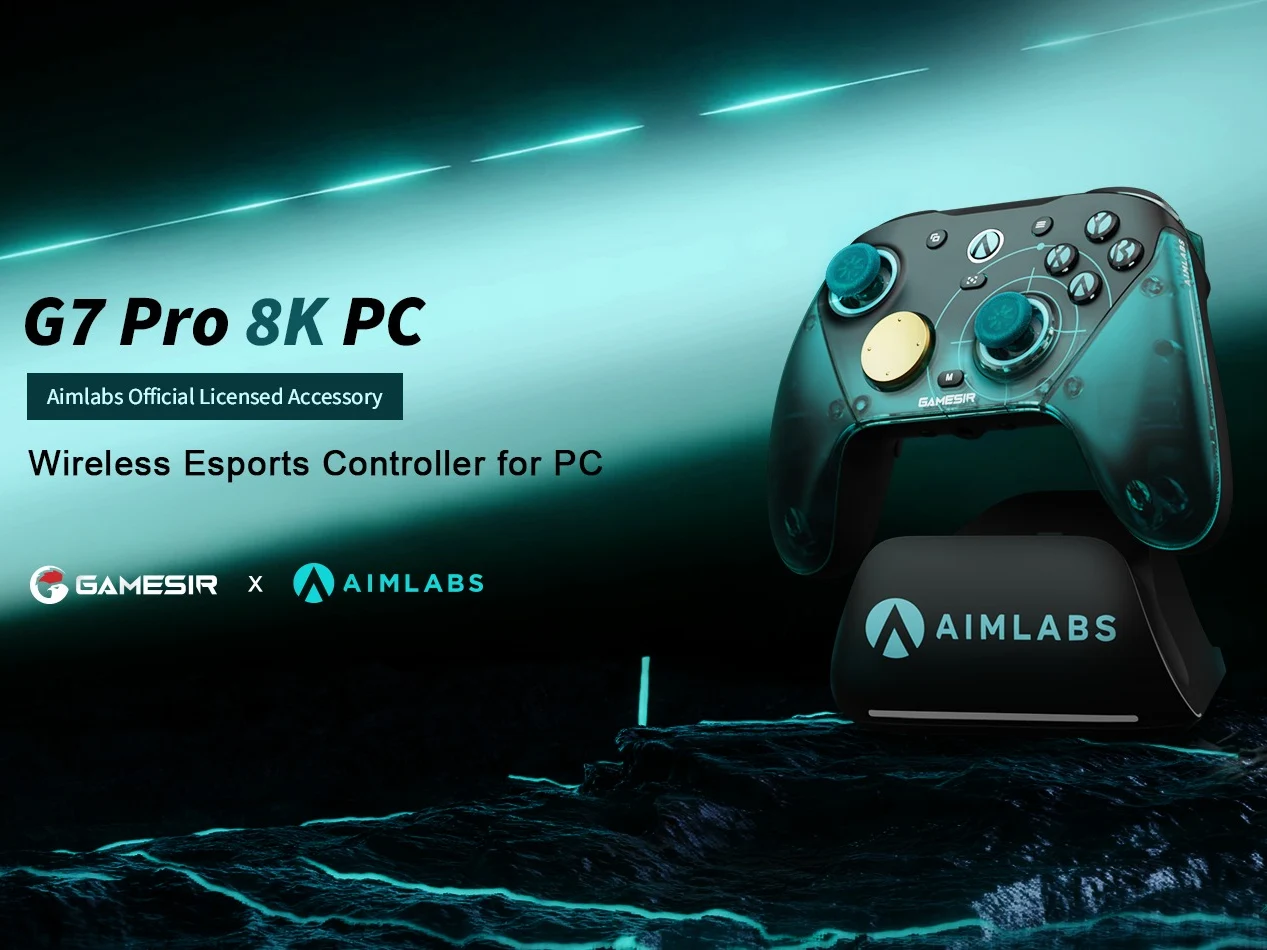
    Following their recent announcement at CES 2026, GameSir has revealed the price for their G7 Pro 8K PC Aimlabs Edition wireless controller and has started taking pre-orders. This new controller is an upgraded version of the GameSir G7 Pro that was introduced in 2025.

    Pricing and Availability

    The G7 Pro 8K PC Aimlabs Edition wireless controller is priced at $79.99 in the United States. This matches the price of the regular GameSir G7 Pro listed on both the official website and Amazon. However, the Aimlabs Edition comes with unique features that set it apart.

    Innovative Features

    Not only does the G7 Pro 8K PC Aimlabs Edition flaunt a special design, but it also incorporates second-generation Mag-Res TMR sticks, which provide smoother operation, better linear control, and extremely low power usage. When connected via wired or 2.4GHz wireless mode, this controller achieves an impressive 8,000Hz polling rate, in contrast to the 1,000Hz rate of the standard model.

    Compatibility Concerns

    One significant distinction is that the Aimlabs Edition is exclusively designed for PC use, while the standard version is compatible with Xbox One, Xbox Series S|X, Android devices, and Steam. Other than these differences, the remaining features mirror those found in the standard version.

    The GameSir G7 Pro 8K PC Aimlabs Edition wireless controller can now be pre-ordered directly from the GameSir website. The company anticipates that shipments will begin between March and April.

    Source:
    Link


  • Epic Games CEO: Steam Rules Force 30% Fees to Valve

    Epic Games CEO: Steam Rules Force 30% Fees to Valve

    Key Takeaways

    1. Valve is facing a £656 million class-action lawsuit in the UK over Steam’s pricing and commission structure.
    2. Epic Games’ Ryan Fleury believes Valve’s 30% transaction fee is justified due to the valuable services Steam provides.
    3. Tim Sweeney argues that the issue goes beyond the fee; Steam’s rules prevent developers from directing players to other purchasing options.
    4. Sweeney compares Valve’s practices to past mobile platform policies by Apple and Google, which were deemed unacceptable by courts.
    5. He claims Valve is the only major PC digital storefront still enforcing such payment policies, likening it to paying a dealer for every gas fill-up after buying a car.


    Epic Games CEO Tim Sweeney has shared his views on the business practices of Steam as Valve faces significant challenges. Currently, Valve is dealing with a £656 million class-action lawsuit in the UK over issues related to Steam’s pricing and commission structure. Amidst this legal battle, Sweeney weighed in on discussions about Steam’s payment practices and whether developers have truly fair choices.

    Discussion on Pricing

    The topic was sparked when Ryan Fleury, a senior programmer at Epic Games, expressed his opinions on X regarding Valve’s 30% transaction fee. Fleury argued that Valve maintains a dominant position because Steam has invested years into providing valuable features and services, many of which are offered at no cost. He believes that the elevated prices are justified for the services provided. According to him, those who feel the fee is excessive should consider creating a cheaper alternative instead of seeking government intervention against Valve, as competition is already available.

    Response from Sweeney

    Sweeney countered this viewpoint, stating that the issue extends beyond the 30% fee; it also involves Steam’s payment rules. He pointed out that Steam prohibits games from directing players to different purchasing options. This requirement compels developers to utilize Steam’s payment system and, as a result, pay Valve a percentage each time a transaction occurs.

    Sweeney drew parallels to past practices on mobile platforms, where Apple and Google mandated that all in-app purchases be routed through their systems, taking a slice of each transaction. Courts eventually deemed this practice unacceptable, allowing developers on iOS and Android to guide users towards alternative payment methods, which means Apple and Google do not take a cut from those transactions.

    Valve’s Unique Position

    He contends that Valve is now the sole major digital storefront for PCs still upholding such policies. While he agrees that digital stores are entitled to charge a fee for selling a game, he believes it’s unreasonable to expect a share of all subsequent in-game purchases. He likened this scenario to buying a car and being required to pay the dealer 30% on every gas fill-up afterward.

    Tim Sweeney shared these insights via X.

    Source:
    Link