Category: All News

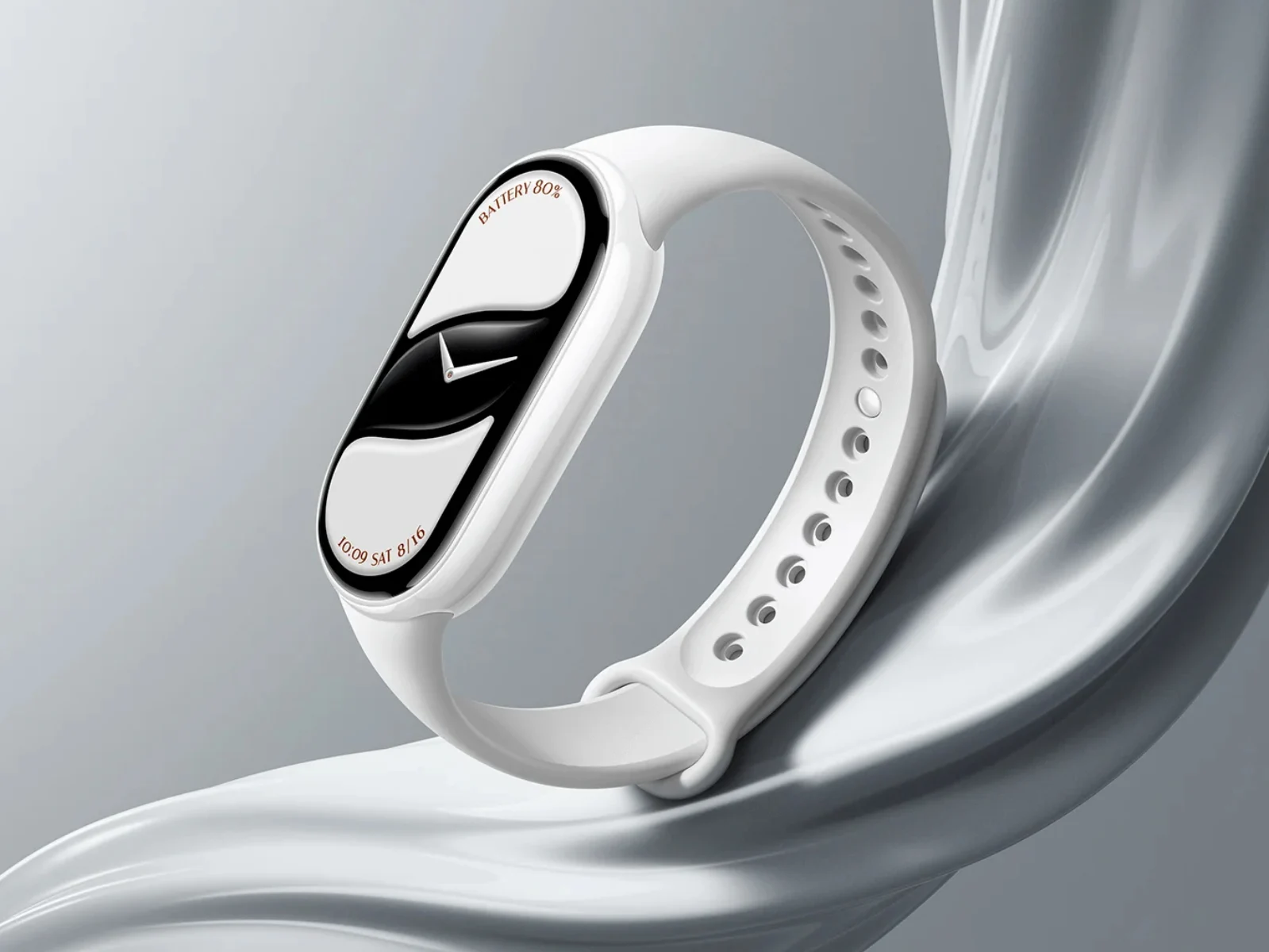
  • New Xiaomi Smart Band Launches with Global Release in View

    New Xiaomi Smart Band Launches with Global Release in View

    Key Takeaway

    – Xiaomi appears to be preparing a next-generation wearable (M2561B1) possibly under the Smart Band 11 line, based on regulatory filings.
    – The M2561B1 is labeled as a “Smart Band” by both NCC (Taiwan) and IMDA (Singapore), suggesting continuity with Xiaomi’s band-series naming.
    – The exact market name and features of M2561B1 remain unconfirmed; speculation points to a future Smart Band 11 Active, but no official confirmation yet.


    Overview of Xiaomi’s New Wearable Filings

    Only a handful of days have passed since Xiaomi rolled out the Smart Band 10 Pro, and yet new whispers about a next-gen model are already surfacing. The current status shows the smartwatch debuting solely in China, while experts expect the Smart Band 9 Pro to get a global release later in the year, with a current price tag noted around 89 dollars on major retailers.

    Regulatory Filings Hint at a Next Gen

    In the meantime, regulatory databases in two regions reveal hints of another Xiaomi wearable. The entity labeled M2561B1 has appeared in both Taiwan’s NCC and Singapore’s IMDA listings, with the documents consistently naming it as a Smart Band. These filings suggest a new model under the Xiaomi Smart Band family may be en route, though little else is specified in the official pages themselves.

    Interpreting the Possible Name and Lineage

    For context, Xiaomi already uses M2551B1 and M2553B1 to designate the standard and NFC variants of the Smart Band 10 Pro. This pattern leads some observers to speculate that M2561B1 could be a forthcoming successor, potentially within a Smart Band 11 lineup. The exact retail designation for M2561B1 remains uncertain, and industry chatter is divided about whether it would officially carry an “Active” suffix as some sources propose.

    What the Regulators Say and Don’t Say

    At this stage, the NCC and IMDA filings do not provide a definitive product name beyond the Smart Band classification. Chinese Smartwatches has floated the idea of “Smart Band 11 Active,” but neither regulator corroborates this speculation. As such, the public must wait for Xiaomi’s formal announcements to clarify naming, features, and global availability.

    NCC & IMDA via Chinese Smartwatches

  • ROG Zephyrus G14 14-Inch Gaming Laptop New 2026 Price Increase to $1400

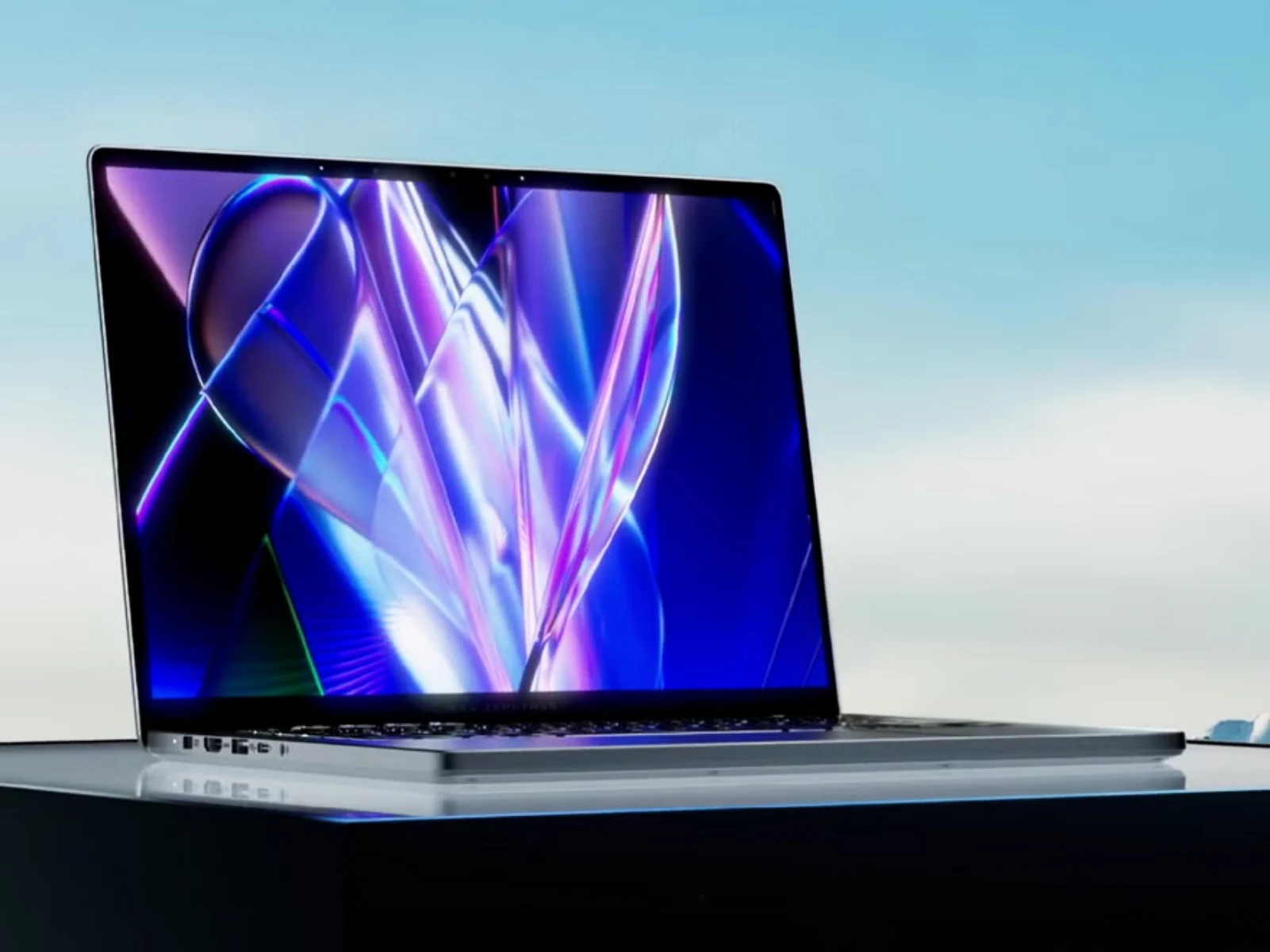
    ROG Zephyrus G14 14-Inch Gaming Laptop New 2026 Price Increase to $1400

    Key Takeaway

    – US availability: Only the GU405 variant is sold in the US, featuring Core Ultra 9 386H (16 cores) and 32 GB LPDDR5X RAM, with RTX 5070 Ti.
    – Power and performance: RTX 5070 Ti up to 115 W combined with 15 W Dynamic Boost; more power than last generation, aiming for higher gaming performance.
    – Pricing: GU405 retails at $3,599 with Lego Batman bundle; the 2025 model previously started around $2,199, rising to $3,199 with RTX 5080. Overall, the new model is significantly more expensive.


    Introduction and Availability

    The latest version of the ROG Zephyrus G14 is finally available to purchase in the US. Announced in January, the ROG Zephyrus G14 then reached Europe in March with AMD Ryzen AI 400 and Intel Panther Lake processors. For reference, these are identifiable by GA403 and GU405 model numbers, respectively.

    Current US Offering

    Currently, Asus is only selling the GU405 in the US. At the time of writing, the company is offering the new ROG Zephyrus G14 exclusively with the Core Ultra 9 386H, a 16-core processor that only just edges the Ryzen AI 9 HX 370 in last year’s model (curr. $2,499 on Amazon), according to our benchmarks. Asus complements this processor with 32 GB of LPDDR5X-8533 RAM for a modest 533 MT/s upgrade on its predecessor.

    Graphics and Power

    Moreover, the new ROG Zephyrus G14 is restricted to the GeForce RTX 5070 Ti. Ultimately, this is the same laptop GPU we tested in last year’s model. However, Asus provides the RTX 5070 Ti with 17% more power for this generation. The new 100 W TGP is joined by 15 W Dynamic Boost too, for up to 115 W of power in ideal circumstances.

    Pricing and Market Position

    The ROG Zephyrus G14 GU405 retails for $3,599 with Lego Batman: Legacy of the Dark Knight bundled until July 31. By contrast, the 2025 model started at $2,199 and rose to $3,199 with a GeForce RTX 5080. In other words, this year’s ROG Zephyrus G14 costs between $400 and $1400 more than its predecessor, depending on how you look at it. Please see Asus’ website for more details.

    Asus


    Sources

  • Stardew Valley Cozy Farming Sim Returns to Best Steam Price

    Stardew Valley Cozy Farming Sim Returns to Best Steam Price

    Key Takeaway

    – Grimshire blends cozy farming with darker survival elements, featuring animal protagonists and a melancholy pixel-art world.
    – Early Access covers the first in-game year (about 40–50 hours core content); progression after year one is currently limited.
    – Purchase now at 20% off ($11.99) with a free demo and Steam Deck playable; price may rise after full release.


    There is a darker, more survival-minded farming sim that could intrigue players who feel Stardew Valley is losing its charm. Grimshire leans into similar farming foundations but amplifies the survival stakes and lore-driven storytelling. Acute Owl Studio released it into Early Access on Steam in July 2025, and it has earned a very positive reception so far, with a strong approval rating from user reviews. The game is currently offered at a discounted price, dropping from its standard tag to an even lower amount. According to SteamDB, this pricing mirrors the lowest mark the title has reached.

    Grimshire sets itself apart with a setting that swaps humans for humanoid animals. In its Early Access phase, players can pick from a rabbit, a fox, or a bear, with more options teased for the future. Core gameplay mirrors the farming-sim genre—till fields, harvest goods, gather resources, and care for creatures. Yet since players embody animal characters, the farm animals you manage are mythical or fantasy in nature, adding a twist to the routine routines.

    Unlike games that keep a lighthearted vibe, Grimshire takes a grim turn that emphasizes danger and endurance. A deadly plague haunts the land, pushing survival mechanics into the foreground and making scarce food a constant concern that can spoil if not managed. When compared to Stardew Valley, the emphasis leans more toward staying alive than leisurely farming. The art style is a charming pixel look, but the overall mood remains somber and melancholic.

    Players laud Grimshire for its narrative depth, with choices and consequences shaping the world, and many describe it as a blend of cozy farming moments with harsh survival elements. A common gripe targets the Early Access content, which currently covers only the first in-game year and ends rather abruptly, leaving little room to continue beyond that mark. The developers note, however, that the initial year can still offer substantial gameplay, estimated at around forty to fifty hours.

    Since Grimshire debuted in Early Access in mid-2025 with a plan to stay in that phase for about a year, a full release could come soon. Because the price would likely rise after exit from Early Access, this sale period might be an opportune moment to secure the title at its reduced rate. For those undecided, a free demo is available. Steam Deck support is listed as playable.

    Note: Price dynamics and retailer offers are subject to change. The discounted rate described here was valid at the time of writing and may have restrictions or limited stock.


    Sources

  • Humanoid Robot with Four Arms: The Future Is Here

    Humanoid Robot with Four Arms: The Future Is Here

    Key Takeaway

    – Helios uses four arms (two extra) to maneuver and work in microgravity, replacing legs to enable movement and task performance without gravity.
    – Its tendon-driven arm design, with motors at the shoulders and remote actuation via cables, aims to reduce weight and enable smooth, compliant movements; the elbow features a rolling contact joint for strength plus gentleness.
    – The robot targets space-labor efficiency, aiming to cut crew time on maintenance and routine cargo tasks, reducing costs and freeing astronauts for higher-value science.


    Overview of Helios Unveiling

    On May 21, 2026, the Swiss ETH Focus Project ORBIT Robotics unveiled its Helios model. The accompanying video was titled “The future is here” – a description that feels quite fitting. Helios has even more science-fiction charm than well-known humanoid robots such as Tesla’s Optimus or Unitree’s G1, as it was developed specifically for use in space. The ORBIT Robotics Helios is intended to support astronauts on space stations in the future. According to the project, a great deal of time is spent on tasks that are necessary but offer little scientific value. These include cargo and inventory workflows such as unloading deliveries, sorting equipment and recording stock levels. ORBIT cites around 35% of crew time for maintenance tasks, around 50 hours for a single cargo unloading cycle and labor costs of roughly 140,000 US dollars per astronaut hour. Helios is designed to make work in space cheaper and more efficient. But why does the robot need four arms?

    Technical Concept and Design Rationale

    Standing and walking only work under gravity. In microgravity, legs are practically useless and could at most be used to push off surfaces. That is why ORBIT Robotics has simply replaced the legs of its humanoid robot with two additional arms, which are far more useful in weightlessness or microgravity. This should allow the robot to move through station interiors, hold its position and perform tasks at the same time. Helios is also interesting from a technical perspective. Its arms are not moved in the conventional way by heavy motors placed directly at the joints, but by a tendon-driven design. The motors sit close to the shoulders, while spools, cables and redirecting mechanisms transfer force to the joints. This is intended to make the arms lighter and enable smoother movements. A so-called rolling contact joint at the elbow plays an important role here. This joint is designed to combine strength with compliance – robust enough for operational tasks while still allowing controlled, gentle movements.

    Arm Architecture Details

    Orbit Robotics via YouTube

    • Four-arms configuration intended for microgravity efficiency
    • Tendon-driven actuation with motors near the shoulders
    • Rolling contact joint at the elbow for strength and柔性

    Operational and Economic Considerations

    In space, the economy of motion matters a lot. The design choices for Helios aim to reduce crew time spent on mundane tasks and lower long-term costs associated with cargo handling, inventory management, and maintenance. The approach of replacing legs with extra arms reflects a bold shift toward weightlessness optimization, suggesting potential gains in task throughput and stability within orbital habitats. The collaboration between biomechanical ingenuity and practical space-operations needs marks a noteworthy step in robotics research, even as real-world deployment challenges remain to be fully proven.

    Sources
  • RayNeo Teases AR Glasses with Dolby Vision Tech

    RayNeo Teases AR Glasses with Dolby Vision Tech

    Key Takeaway

    – RayNeo GT Max will be the first AR glasses with Dolby Vision certification, offering dynamic HDR for improved visual quality over HDR10.
    – It promises a significantly wider 59° field of view (up from 47° on the Air 4 Pro), enhancing immersive viewing.
    – Power and experience are expected to be boosted by Vision4000 and Zone360 chipsets, plus Bang & Olufsen audio and a lightweight 78-gram design.
    – Launch is set for May 27, 2026 in China, with price not disclosed.


    RayNeo unveiled the Air 4 Pro in early 2026, and a key upgrade over the Air 3S Pro is that the newer glasses sport Micro OLED displays with HDR10 certification. They didn’t see any bump in terms of the peak brightness rating, though.

    Future plans and tech claims

    As for the upcoming model from the brand, they are about to bring another major improvement. Called the RayNeo GT Max, these are said to be the first AR glasses with Dolby Vision certification, which is better than HDR10 as it utilizes dynamic metadata.

    Display and field of view

    Of course, this isn’t the only upgrade that RayNeo has confirmed. The GT Max are set to feature a 59° field of view, which would be a notable upgrade over the 47° of the Air 4 Pro. This change would make the upcoming model a better choice than the Viture Beast (curr. $549 on Amazon) for a more immersive viewing experience. The brand has also confirmed that the Vision4000 and Zone360 chipsets will be powering the upcoming smart glasses, and this combo promises a better spatial experience.

    Audio, weight, and launch

    Like the Air 4 Pro, the upcoming AR smart glasses are confirmed to have audio enhancements from Bang & Olufsen, and RayNeo has also revealed that the GT Max are going to be lightweight, coming at 78 grams. The company didn’t confirm anything on the price, but the launch is set for May 27, 2026 in China, which is around the corner.

    RayNeo on Weibo


    Sources

  • Lenovo 14-inch ThinkPad Debuts in North America with Dual SSDs and Upgradable RAM

    Lenovo 14-inch ThinkPad Debuts in North America with Dual SSDs and Upgradable RAM

    Key Takeaway

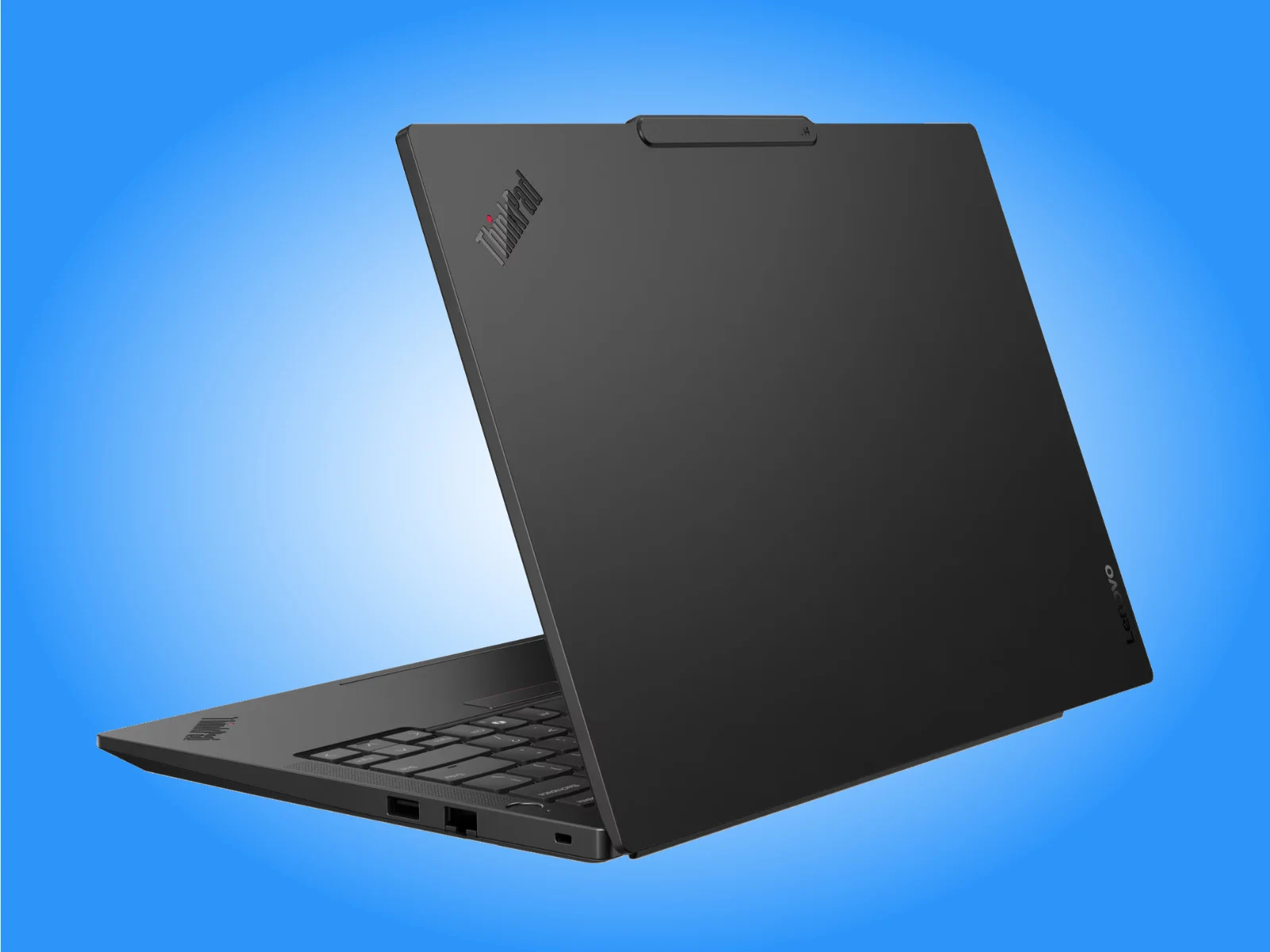
    – North America now shows the ThinkPad E14 Gen 8 on sale (replacing Gen 7) with a single SKU at $1,399 USD / CAD 1,939, and multiple configurations may come later in NA markets.
    – Core specs: 16 GB DDR5-5600 RAM (upgradable), 512 GB M.2 2242 PCIe 4.0 storage (with a second M.2 2280 slot available).
    – Display and battery: 1200p (1080p-ish) 60 Hz IPS screen up to 400 nit, 45% NTSC color coverage, 48 Wh battery.
    – CPU: 8-core Core Ultra 5 325 (comparable to performance seen in XPS 16 reviews).


    There is word this week that Lenovo rolled out the ThinkPad E14 Gen 8 in East Asia, Southeast Asia and Australia, while in Europe and North America it still hangs as “coming soon.” Yet in North America it has edged onto shelves to take the place of older Gen 7 models, with a current tag around curr. $899 on Amazon, a price point some buyers will compare against other options.

    In North America, the ThinkPad E14 Gen 8 is currently sold as a single SKU, even though Lenovo’s markets in Australia, Hong Kong, Malaysia and Singapore hint that there could be a wider range of configurations down the road. It’s not clear when those additional variants will land for the North American market, leaving early shoppers with limited choices for now.

    Pricing and specs are listed as follows: the model is priced at $1,399 in the US and CAD 1,939 in Canada. The package includes 16 GB of DDR5-5600 SODIMM RAM, which Lenovo notes can be upgraded in the future. Storage starts at 512 GB of M.2 2242, and there is a second M.2 slot to support M.2 2280 PCIe 4.0 SSDs for enthusiasts who want more space or speed.

    The display is a 1200p IPS screen running at 60 Hz, capable of a peak brightness of 400 nits, but it only covers about 45% of the NTSC color space. A 48 Wh battery backs the machine, paired with a Core Ultra 5 325, an 8-core processor that showed solid performance in a previous review of a near sibling model, the XPS 16, earlier this year. This combination paints a picture of balanced performance for everyday tasks and light creative work.

    Lenovo Canada & Lenovo United States


    Sources

  • Ugreen 45W Power Bank with Integrated Cable and Display (Limited Edition)

    Ugreen 45W Power Bank with Integrated Cable and Display (Limited Edition)

    Key Takeaway

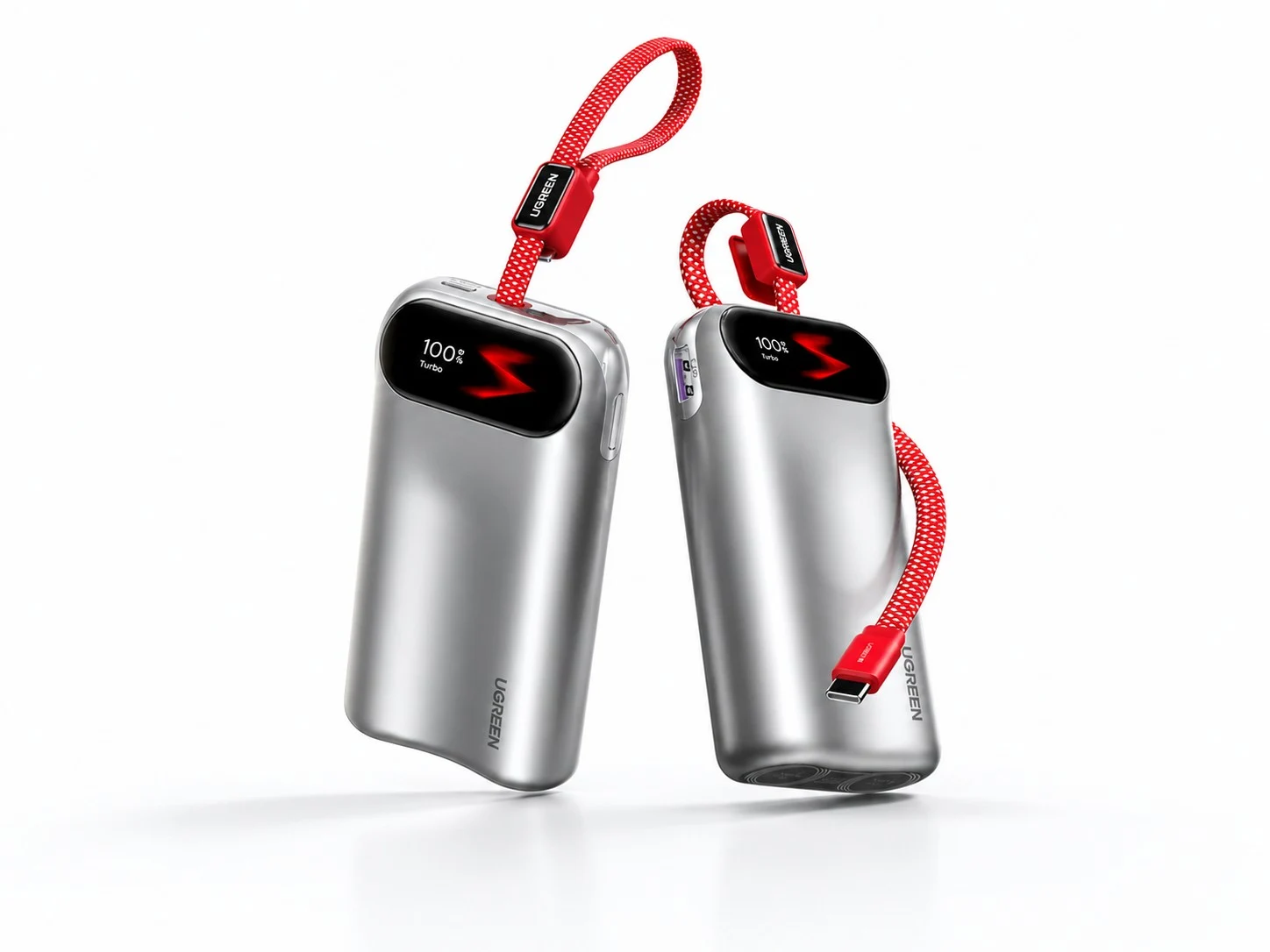
    – Distinctive curved design with two cylindrical cells and a 1.47-inch smart display showing charging info and custom emojis.
    – 10,000mAh capacity with up to 45W output from both the built-in cable and USB-C port; can charge three devices simultaneously (USB-C + USB-C + USB-A).
    – Not yet compliant with China’s 2026 portable battery safety standard; Ugreen asserts stable, durable cells with good heat resistance and long cycle life.
    – Compact dimensions and weight (25.5 x 58.5 x 109 mm; 238.7 g); built-in braided cable doubles as a carry lanyard.
    – Currently listed in China (JD.com) for 199 yuan (~US$29); no confirmed global availability yet.


    Ugreen has followed its recent launch of the 45W USB-C GaN Fast Charger (X740) with another charging accessory featuring the same metallic silver finish and red accents. This time, it is a 10,000mAh power bank officially called the Ugreen PB610. The new limited-edition model stands out from typical 45W power banks with a more distinctive design.

    Design and build

    Instead of the usual flat pouch batteries, the PB610 uses two cylindrical battery cells that give it a curved profile. It also features an oval-shaped 1.47-inch smart display that can show charging information as well as custom emojis. That said, the power bank does not meet China’s 2026 national safety standard for portable batteries, but Ugreen claims the included cells are stable, durable, resistant to overheating, and designed for a long cycle life. The styling keeps that metallic look and red accents that fans of the X740 will recognize, yet the form factor adds a unique twist that differentiates it in a crowded market.

    Charging capabilities

    As for charging speeds, the PB610 supports up to 45W output through both its built-in USB-C cable and USB-C port. According to Ugreen, that is enough to charge an iPhone 17 Pro Max (Notebookcheck review) to around 65% or a Xiaomi 17 Pro Max (Notebookcheck review) to 43% in roughly 30 minutes. There is also a USB-A port, allowing users to charge up to three devices at the same time. On top of that, the built-in braided cable doubles as a carrying lanyard, making it easy to carry the power bank around.

    Dimensions and availability

    Speaking of which, it measures 25.5 x 58.5 x 109 mm and checks in at 238.7g. The Ugreen PB610 is now listed on JD.com in China for 199 yuan (~US$29), but there is no word yet on global availability.

    Ugreen


    Sources

  • Orico 5-Bay 3.5″ HDD Enclosure with Magnetic Tool-Free Cover 90TB Capacity

    Orico 5-Bay 3.5″ HDD Enclosure with Magnetic Tool-Free Cover 90TB Capacity

    Key Takeaway

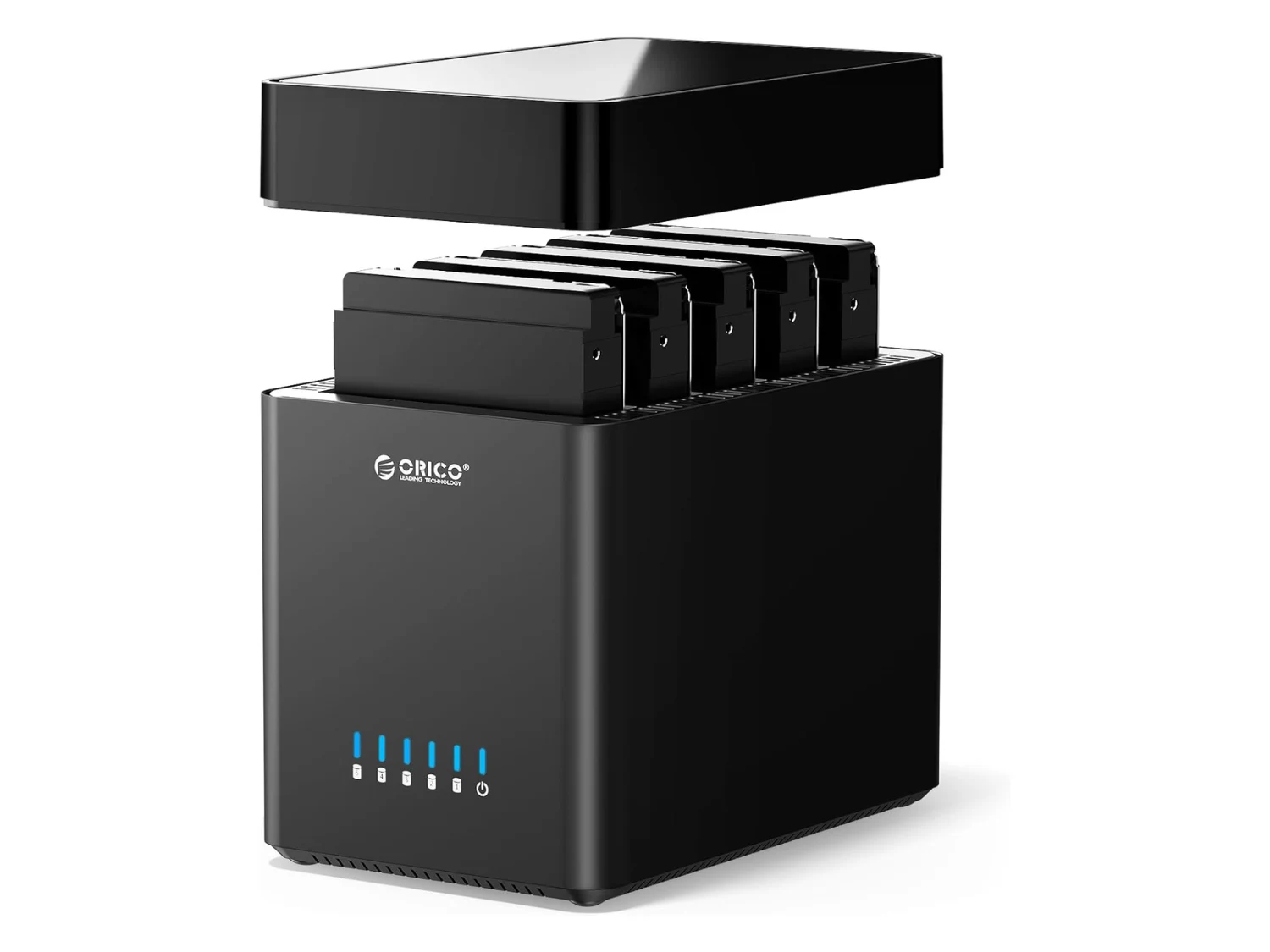
    – Up to 90 TB total storage with five 3.5″ HDD bays and tool-free magnetic top cover for quick drive swaps.
    – USB 3.0 to SATA 3.0 interface with UASP support and 5 Gbps max transfer speed; auto-sleep to save power.
    – Effective thermal design with a 120 mm fan and large rear honeycomb vent; individual drive LEDs for status.
    – Broad OS compatibility (Windows, Mac, Linux) with a 12V/6.5A universal power adapter (100–240V).
    – Promotional price: ¥9,461 (~$59.4) via 40% coupon on Amazon Japan until June 22, 2026.


    Orico unveils a new 5-bay 3.5-inch HDD enclosure with magnetic top cover

    The initial description reveals a device aimed at users craving large local storage without diving into a full NAS. It supports up to 90 TB total capacity by accommodating five drives of up to 18 TB each. The marketing emphasis is on the ease of drive handling thanks to a magnetic top cover, promising tool-free installation or swaps in seconds.

    Magnetic top cover and hot-swapping

    This feature stands out because screws or latches are not needed; magnetic chips embedded in the cover enable quick access. In practice, this could simplify drive swaps and potentially reduce downtime during maintenance. While the claim sounds convenient, real-world reliability of magnetic retention under vibration and long-term wear is something users might want to test in various use cases.

    Connectivity and power management

    On the data side, the enclosure uses a USB 3.0 to SATA 3.0 interface with a maximum transfer speed rated at 5 Gbps. UASP support is included to improve transfer efficiency by lowering CPU overhead and latency in sequential operations. An auto-sleep mode is built in to reduce power draw and drive wear when idle, which could be beneficial for energy-conscious environments.

    Thermals, indicators, and compatibility

    Thermal management relies on a 120 mm internal fan and a large honeycomb ventilation panel at the rear to sustain airflow across all bays during sustained use. Front LED indicators show the activity status of each drive. The unit ships with a 12V/6.5A universal power adapter supporting 100–240V input, and it is compatible with Windows, Mac, and Linux systems. A 12-month warranty from Orico accompanies the enclosure.

    Pricing and availability details

    The regular price in Japan is listed as ¥19,899 (~$125), with a 40% coupon reducing it to ¥9,461 (~$59.4). Promotional pricing is stated to be valid until June 22, 2026. The information mentions a promotional window and a discount, but no explicit dates beyond the stated deadline.

    • Hardware: 5-bay 3.5-inch HDD enclosure
    • Max total capacity: 90 TB (5 x 18 TB)
    • Interface: USB 3.0 to SATA 3.0, up to 5 Gbps
    • Special features: magnetic top cover, UASP, auto-sleep
    • Thermals: 120 mm fan, rear honeycomb panel
    • Power: 12V/6.5A adapter, 100–240V input
    • Warranty: 12 months


    Sources

  • Dragon Quest Smash/Grow: DQ I Event Ends June 16

    Dragon Quest Smash/Grow: DQ I Event Ends June 16

    Key Takeaway

    – Time is almost up: June 16, 2026, 2:59 am UTC, to claim Erdrick’s Equipment (including Erdrick’s Sword and Dragonlord’s Staff) and complete the final chapter before they leave permanently.
    – Erdrick’s gear is a guaranteed loss post-event; plan your pulls and inventory now if you want these S-tier items.
    – For Chapter 3, focus on clearing Dragonlord Shrine and Erdrick’s Hollow, and farm Gold Golems for maximum DQ I Event Coin income before the event ends.


    The Dragon Quest I collaboration event in Dragon Quest Smash/Grow ends on June 16, 2026, at 2:59 am UTC. With Chapter 3 now active and the Dragonlord Shrine (Dragonlord EX) content unlocked, players who have not yet pushed through the full event route have just under four weeks to claim Erdrick’s Equipment, complete the final chapter, and collect the login bonuses that leave permanently when the event closes.

    Headline loss and weapon details

    The headline loss is Erdrick’s equipment. Erdrick’s Sword, the S-tier weapon featuring the Gigaslash Coup de Grace and a lightning follow-up on standard attacks, will not return after the event ends. The Dragonlord’s Staff joins it as the other S-tier banner weapon, carrying the Kasizz Coup de Grace and dealing 350% magical damage. Both leave the event. Players sitting on gems and undecided on either pull should settle that well before June 16.

    Login bonuses and currency

    The event’s login bonus track also closes on that date. Daily logins through the end of the event period can earn up to 1,200 gems in total, making consistent check-ins worth the effort even for players who are not actively farming the content. DQ I event coins earned through daily event missions remain the primary exchange currency, and the Swap Shop has a limited ticket window that closes with everything else.

    Chapter 3 strategy and farming

    For Chapter 3 specifically, the current aim is clearing out the Dragonlord Shrine and Erdrick’s Hollow route. Hunting down Gold Golems that spawn across the Alefgard event maps is the most efficient way to maximize DQ I Event Coin income before the event closes. Players who have stockpiled coins from earlier chapters have the most flexibility heading into the final stretch.

    Future events and timing

    Square Enix has not announced the event that follows June 16. The DQSG Classified Report video series, which launched alongside the DQ I event on April 27, is the most likely channel for that reveal. A Dragon Quest II collaboration is the next step since the Dragon Quest I and II HD-2D Remake launched last October, and the DQ I event was clearly timed to run in that release window. Nothing has been confirmed at the time of publishing.


    Sources
  • Casio Edifice EFV-160D Watches with Crystalline Dial Textures

    Casio Edifice EFV-160D Watches with Crystalline Dial Textures

    Key Takeaway

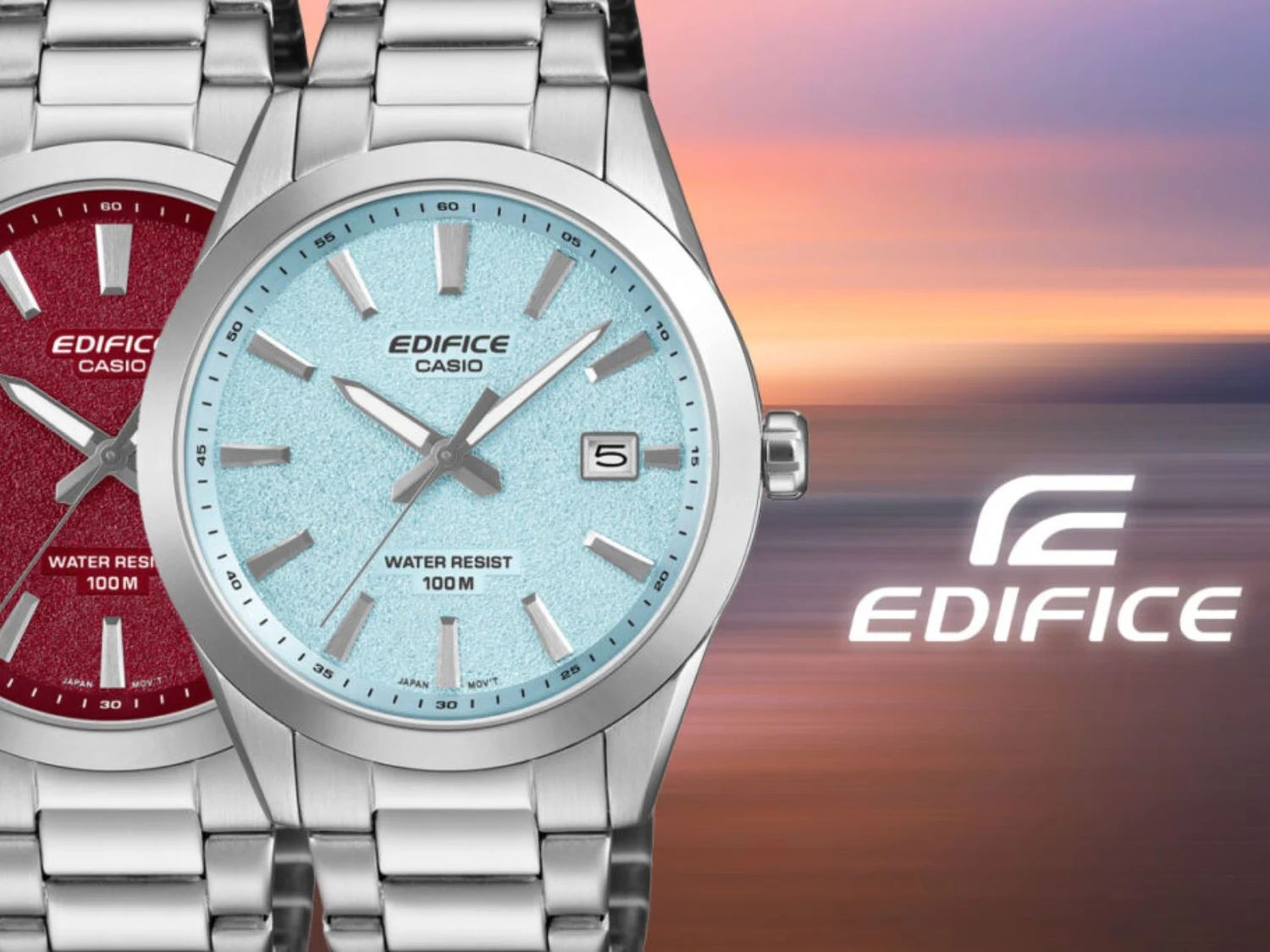
    – Casio Edifice EFV-160D is expanding with two new colorways for June 2026: EFV-160D-4A (deep red) and EFV-160D-2B (ice blue), priced around $120–$140.
    – New dial texture differs from earlier models: “frozen frost” / densely packed fine crystals, softer and more diffused than the Clous de Paris pattern.
    – Core specs remain unchanged: 40 mm stainless steel case (47.5 × 40 × 10 mm), Casio 5340 quartz, domed mineral glass, three-hand layout with date at 3, Neobrite lume, and 100 m water resistance; 3-year battery life.
    – Readability-focused slightly curved mineral glass and motorsport-inspired clean dial continue to define the EFV-160D line’s design language.
    – Official confirmation and broader regional rollout are not yet announced; these may appear in initial markets first.


    New Edifice EFV-160D Variants Leak for June 2026

    As per a new leak, Casio is adding two new references to the Edifice EFV-160D lineup for June 2026 — the EFV-160D-4A in deep red and the EFV-160D-2B in ice blue. Both are expected to be priced between $120 and $140, as per Casioblog. The information arrives with a mix of speculation and prior patterns from Casio’s budget Edifice family, and it hints at continued colorway diversification in a relatively affordable price range.

    Platform History and Texture Shifts

    The EFV-160D platform is not new. We previously covered the original trio of EFV-160D variants — black, blue, and green — when they appeared on Casio’s UK storefront in July 2025, each featuring the classic Clous de Paris raised pyramid texture on the dial. The two incoming colorways take a somewhat different approach: the dial surface on both the red and ice blue variants is described as resembling “frozen frost” or “densely packed fine crystals.” It is a noticeably softer, more diffused texture compared to the sharper geometric pattern of earlier models.

    Specifications That Carry Over

    The rest of the specifications carry over unchanged. The EFV-160D runs on the Casio 5340 quartz movement housed in a 40 mm stainless steel case measuring 47.5 × 40 × 10mm, with a slightly domed mineral glass, date display at 3 o’clock, three-hand layout, Neobrite lume on hands and indices, and 100-meter water resistance. Battery life is rated at three years. The slightly curved mineral glass is a deliberate design choice Casio considers a readability advantage, and the clean three-hand layout is very much in line with Edifice’s motorsport-influenced history.

    Market Rollout and Confirmation

    The EFV-160D-4A and EFV-160D-2B will join what is becoming one of Casio’s more actively iterated budget Edifice platforms. No official announcement has been made, and a wider regional rollout beyond the initial markets has not been confirmed.

    Note: This article avoids direct shopping links and any mentions of specific retailers, focusing on the leaked details and historical context around the EFV-160D lineup. Casioblog


    Sources