
Key Takeaways
1. Berserk Arch is a new, Arch-based Linux distribution aimed at hackers and developers, with its first public version released in July 2025.
2. The latest version, 2026.03.01, offers compatibility with dedicated hardware and virtualization platforms like QEMU/KVM, VMware, and VirtualBox.
3. It supports multiple file systems, including XFS, ext4, and Btrfs, and uses the Calamares installer with Openbox as its default desktop environment.
4. The package manager is Pacman, and the distribution maintains a light footprint while allowing for extensive customization.
5. Berserk Arch has a strong community presence, including a website, subreddit, and GitLab Group, but is not recommended for newcomers.
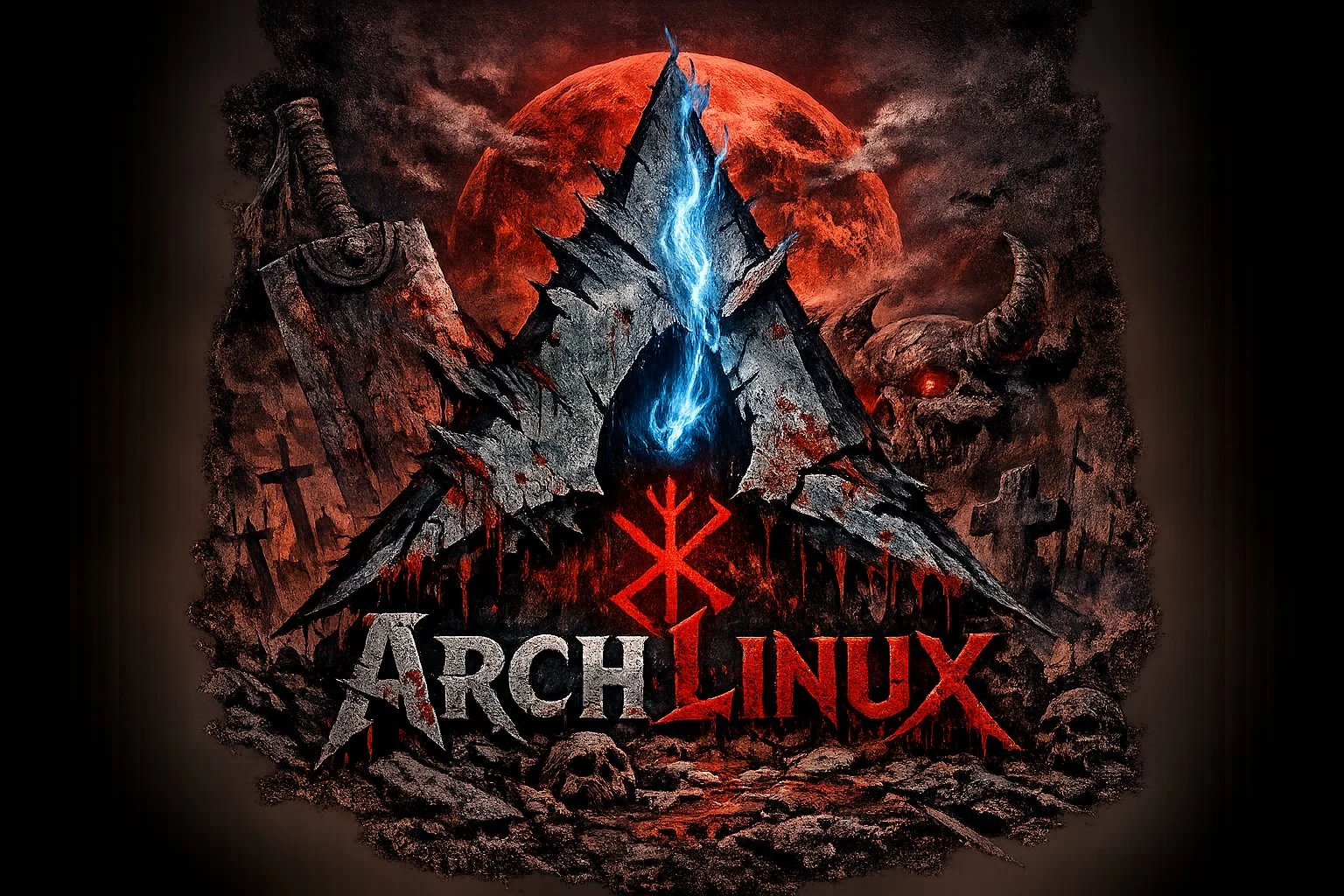
If you think Berserk Arch sounds unfamiliar, that’s because this distribution is pretty new. The first public version, called v0.1.0-pre-alpha, was released in July 2025. The most recent version, dated 2026.03.01, marks another milestone in its journey, which seems to be a long one. However, this Arch-based distribution was never meant for the general public and likely never will be. The official wiki describes Berserk Arch as “a bleeding-edge, security-centric Arch-based Linux distribution crafted for hackers, developers, and nerds alike,” adhering to the Arch philosophy that allows for extensive customization while keeping a light footprint.
Deployment and Compatibility
Like its previous versions, Berserk Arch 2026.03.01 can be installed on dedicated hardware but is also fine-tuned for virtualization platforms like QEMU/KVM, VMware, and VirtualBox. This latest update features various updated components, showcasing its commitment to staying current.
The distro’s image size is around 3 GB. It supports several file systems, including XFS, ext4, and Btrfs. For installation, it uses the Calamares installer, and its default desktop environment is Openbox. Pacman serves as the package manager, and it supports the pkg format for managing packages.
Community and Access
Berserk Arch has a strong online presence, including an official website, a dedicated subreddit, and a GitLab Group. The final notes on GitHub end with “Welcome to the madness. Built by a hacker, for hackers,” which signals that this distro might not be the best choice for newcomers at this moment.
DistroWatch
Source:
Link
Leave a Reply