Author: GizNews

  • OnePlus 15T Official Photos Reveal Compact Design

    OnePlus 15T Official Photos Reveal Compact Design

    Key Takeaways

    1. OnePlus has confirmed the arrival of the 15T, showcasing its design and key features via teasers and official images.
    2. The OnePlus 15T will feature a dual-camera system, including an enhanced telephoto periscope camera compared to the 13T.
    3. The front display will have rounded corners, slim bezels, and a size of 6.32 inches with a 165Hz refresh rate.
    4. The phone will be powered by a Snapdragon 8 Elite Gen 5 chip and will include a 7,500mAh battery with 100W fast charging and 50W wireless charging.
    5. Two color options for the OnePlus 15T are “Pure coca” (deep dark chocolate) and “Relaxing matcha” (vibrant matcha tone).


    OnePlus has been hinting at the arrival of the 15T for a while now, and the company’s president, Li Jie Louis, has already confirmed several key features of this compact flagship smartphone. Recently, they also revealed the design of the back of the device through a teaser.

    Design Details Revealed

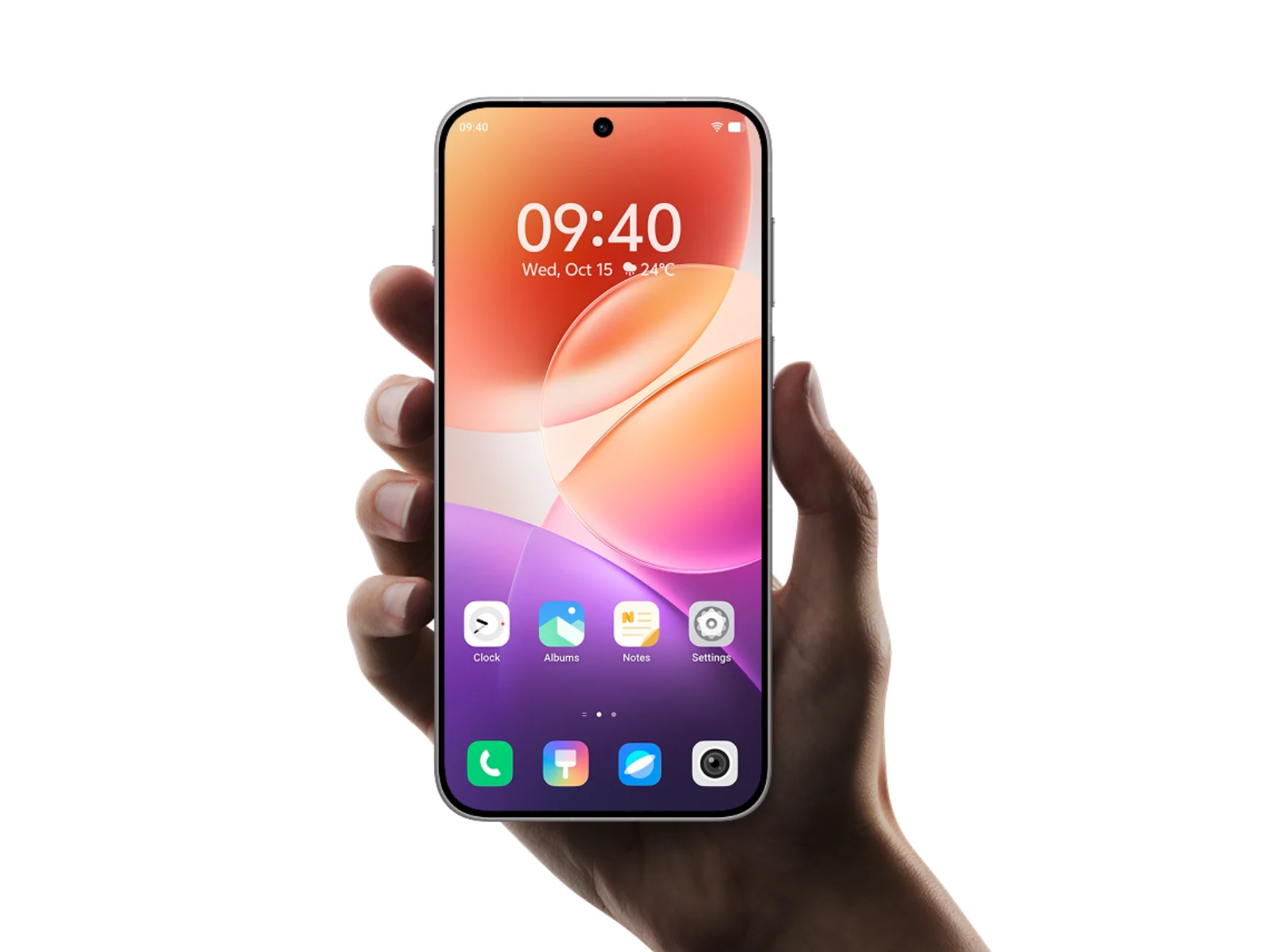
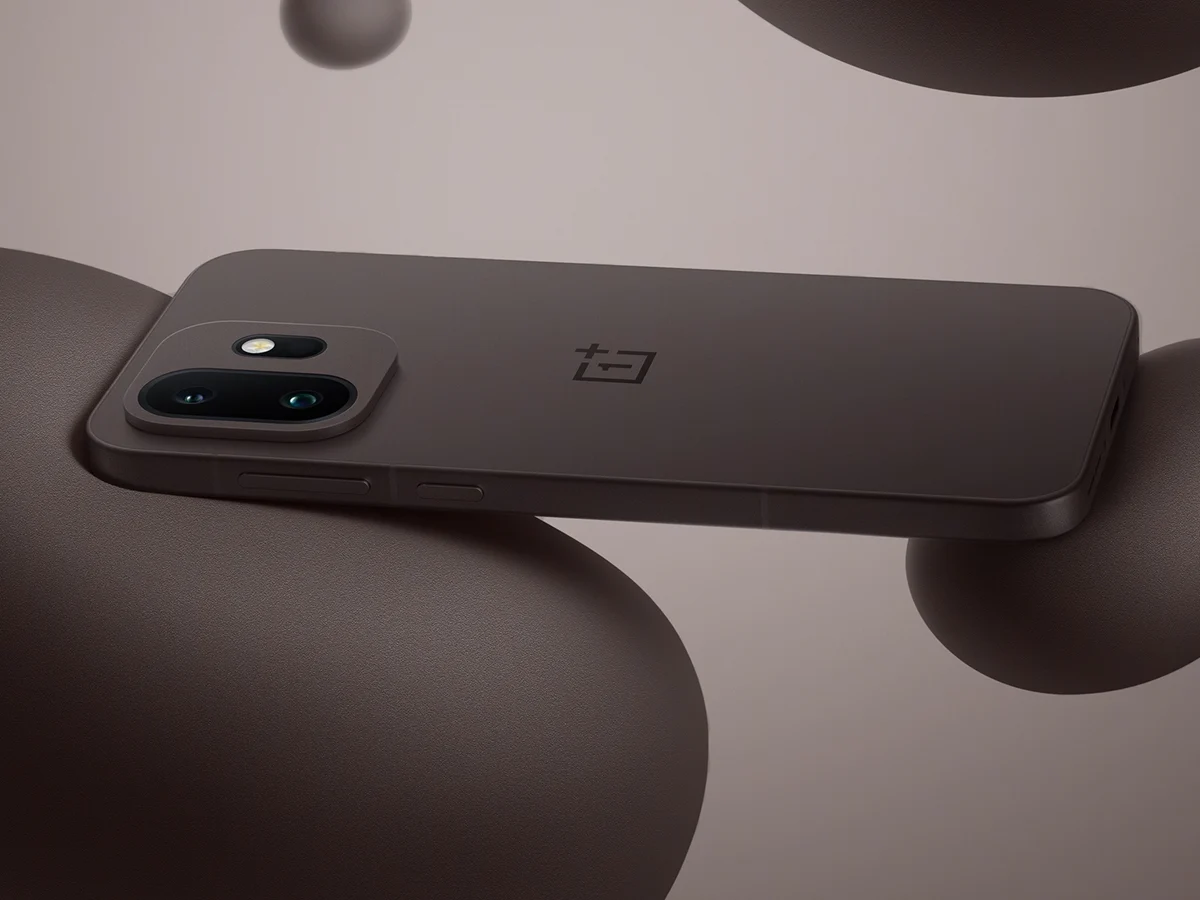
    With the release of more official images, OnePlus has showcased the design features of the Snapdragon 8 Elite Gen 5-powered OnePlus 15T. The pictures demonstrate the phone from various angles. As previously teased, the design remains consistent with its predecessor, featuring a similar camera island on the rear.

    On the topic of the camera, the OnePlus 15T is confirmed to come with a dual-camera system. One of the cameras is expected to be a telephoto periscope camera, which Louis mentioned is an enhanced sensor compared to the one in the 13T.

    Front Display Features

    The front images reveal rounded corners, which should make it easy to hold. Additionally, the photos highlight the slim bezels surrounding the screen, something that Li Jie Louis has hinted at previously. Another detail shared in these images includes the names of the color options available.

    One color option is referred to as “Pure coca,” described as a deep dark chocolate hue. The other option is named “Relaxing matcha,” described as a vibrant matcha tone.

    Specs and Features

    Aside from the color information, the brand hasn’t detailed the specifications of the phone in recent announcements. However, as confirmed by Louis, it will have a 6.32-inch flat display with a refresh rate of 165Hz. A 7,500mAh battery will support 100W fast charging, along with 50W wireless charging capability (Belkin 3-in-1 wireless charging station curr. $79.99 on Amazon). The official launch date and availability details have yet to be announced, but OnePlus is likely to provide updates shortly.

    Source:
    Link


  • Vivo X300 Ultra: Top Ultrawide Lens with Zeiss Camera System

    Vivo X300 Ultra: Top Ultrawide Lens with Zeiss Camera System

    Key Takeaways

    1. Vivo’s ultrawide camera will retain the Sony LYT-818 sensor, rather than upgrading to the LYT-828, which is disappointing for some.
    2. The CIPA level for the ultrawide camera will increase from 5.0 to 6.0, aimed at enhancing video quality in the Vivo X300 Ultra.
    3. The Vivo X300 Ultra boasts the largest ultrawide sensor in any smartphone and features optical image stabilization.
    4. Han Boxiao hinted at a potential new multispectral sensor, which will be revealed on March 10.
    5. Vivo’s strategy focuses on video quality improvements and maintaining strong existing features rather than making drastic changes.


    After Vivo’s product manager, Han Boxiao, shared detailed insights about the impressive 35mm primary camera and the enhanced 200MP telephoto lens, attention has turned to the ultrawide camera. A recent post on Weibo disclosed that the 14mm ultrawide lens will undergo surprisingly few changes compared to its still unmatched predecessor found in the X200 Ultra. Many assumed that Vivo would switch to the Sony LYT-828 sensor, which is used in the Vivo X300 Pro’s main camera. However, the company has decided to stick with the Sony LYT-818 for this generation’s Ultra model. While both sensors have the same 1/1.28-inch size, it is naturally disappointing that the 2026 Ultra model won’t take advantage of the LYT-828’s enhanced dynamic range.

    Upgrades to Look Out For

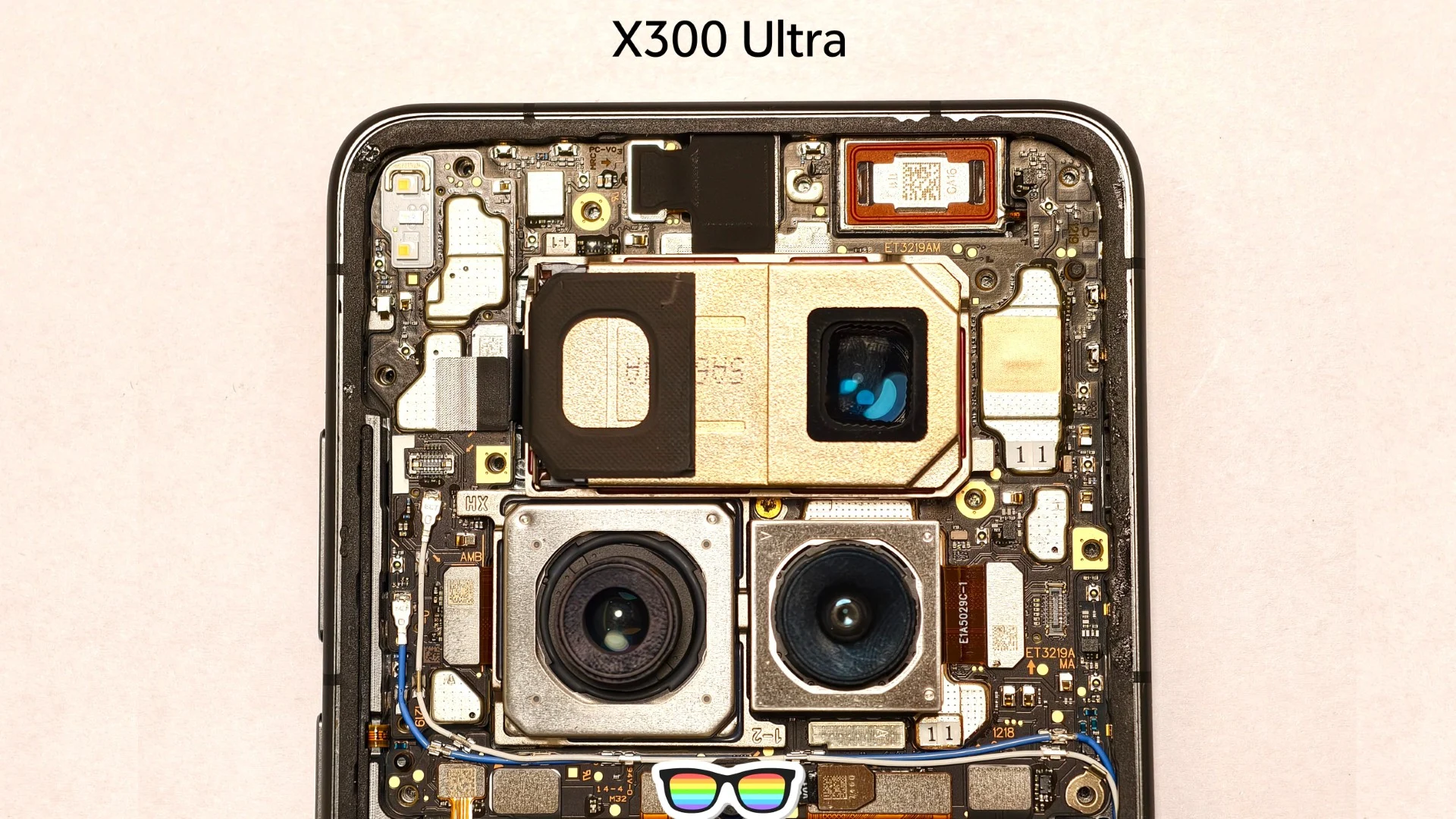
    Despite this, Han Boxiao hinted at some other improvements for the ultrawide camera. For instance, the CIPA level has been increased from 5.0 to 6.0 as part of a renewed aim to enhance video quality in the Vivo X300 Ultra. Although this may not be quite as striking as the telephoto lens’ CIPA 7.0, the Vivo X300 Ultra still leads in wide-angle photography, thanks to its optical image stabilization and the biggest ultrawide sensor found in any smartphone— even without an upgrade to the sensor itself. Furthermore, the internal view shared by Vivo seems to contain a concealed detail, not blocked out with a black box but instead hidden behind a pair of colorful sunglasses, which might suggest the inclusion of a new multispectral sensor. This intriguing detail is expected to be unveiled on 10 March.

    Conclusion

    It’s interesting to note how Vivo is approaching its camera technology, especially with the latest updates. While some expected more drastic changes, the focus on improving video quality and maintaining strong features like optical image stabilization shows a strategic direction. Keep an eye on March 10 for more revelations about this new multispectral sensor that has everyone guessing.

    Source:
    Link


  • Apple HomePod Launching This Fall: 7-Inch Display & Wall Mount

    Apple HomePod Launching This Fall: 7-Inch Display & Wall Mount

    Key Takeaways

    1. Apple is reportedly developing a new product called the HomePad to compete with devices like the Amazon Echo Show 8.
    2. The HomePad will feature a 7-inch square touchscreen and can be mounted on walls using a MagSafe-like system.
    3. It is expected to include a front camera for video calls and may use Face ID for user recognition and profile switching.
    4. The device will serve as a smart home control center, capable of streaming music and displaying widgets, but its launch has been delayed to autumn 2026.
    5. The HomePad is anticipated to be powered by an Apple A18 processor and priced around 400 euros, making it more expensive than competitors.


    Rumors have been floating around for several months about Apple preparing to introduce a new product that could compete with devices like the Amazon Echo Show 8, which is priced at $179 on Amazon. The leaker and Apple enthusiast, @Kosutami_Ito, now asserts that they have seen a prototype of this anticipated Apple HomePad.

    Design and Features

    The device is described as having an almost square touchscreen display, measuring about 7 inches diagonally. It’s said to be able to attach to a wall using a mounting system similar to MagSafe. Additionally, Apple is believed to be working on a version that includes a stand akin to the HomePod mini, potentially allowing for the addition of extra speakers. The HomePad is rumored to feature a front camera for video calls and has earlier speculations indicating it might use Face ID to recognize various users in a household, enabling automatic switching between user profiles.

    Functionality

    The Apple HomePad is expected to act as a main control center for smart home gadgets, with capabilities to stream music and podcasts. It’s suggested that widgets could provide helpful details, such as weather updates. However, according to the information from the leaker, the launch has now been pushed back to autumn 2026, a shift from previous reports that indicated a release in early 2026. This smart home hub is set to come equipped with a powerful Apple A18 iPhone processor and is projected to be priced around 400 euros, making the Apple HomePad notably pricier than similar offerings from competitors.

    Source:
    Link


  • City Requests $650,000 for High-Tech Robotic Dogs

    City Requests $650,000 for High-Tech Robotic Dogs

    Key Takeaways

    1. The Wichita Police Department is seeking $650,000 to purchase two robotic dogs for crime-fighting purposes.
    2. The robots are designed to move independently through various environments, including doors, stairs, and rough terrain.
    3. These robotic dogs aim to enhance officer safety by reducing risks during high-risk incidents.
    4. The Spot by Boston Dynamics is a leading candidate for the robotic dogs, known for its advanced capabilities and use in law enforcement.
    5. The police department has not revealed potential suppliers for the robotic dogs.


    The Wichita Police Department is looking for funding of $650,000 to buy two robotic dogs. These robotic quadrupeds will be used to help fight crime and will join the current lineup of robots already in use by the department.

    Advanced Capabilities

    Police Captain Aaron Moses has shared that the department is seeking robots that can move independently through doors, stairs, and rough terrain. He mentioned, “These robotic systems provide capabilities that address current operational gaps, including the ability to open and close doors, navigate stairs, and move over uneven terrain and obstacles commonly encountered in real-world environments.”

    Enhancing Officer Safety

    Additionally, Captain Moses pointed out that these robots are intended to lessen the dangers faced by officers while performing their duties. “These capabilities allow officers to manage high-risk incidents more safely and reduce risk to both the public and responding personnel,” he stated.

    The police department has not disclosed the names of any potential suppliers. Nonetheless, one of the leading robotic dogs that fits these specifications is the Spot by Boston Dynamics. This quadruped can be equipped with a Spot Arm and various law enforcement tools. Weighing 75 pounds, this four-legged robot has been used in armed standoffs and has supported over 60 bomb squads and SWAT teams across the US and Canada.

    Wichita Eagle, Bloomberg

    Source:
    Link


  • Roblox Replaces Profane Chat with Real-Time Rewrites

    Roblox Replaces Profane Chat with Real-Time Rewrites

    Key Takeaways

    1. Roblox has introduced AI-driven chat rephrasing to soften bad language instead of using hash marks.
    2. The new chat feature aims to maintain message intent while ensuring conversations remain polite and readable.
    3. Rephrasing is limited to in-game chats for age-verified users and will support multiple languages.
    4. Roblox is refining its text filters to enhance moderation, with chat rephrasing focusing specifically on profanity.
    5. The effectiveness of the new feature will depend on its ability to preserve meaning without sounding awkward or patronizing.


    Roblox has begun to introduce a new feature for chat rephrasing that uses AI moderation to change bad language into softer phrases instead of just replacing offensive words with “####.” For example, the phrase “Hurry TF up!” would be adjusted to “Hurry up!” The aim is to ensure that in-game conversations remain easy to read while still following community guidelines.

    A Shift in Chat Functionality

    This update marks a significant shift from the previous chat system on Roblox. Previously, the chat filter could disrupt conversations by converting substantial parts of messages into hash marks. The new approach, however, aims to maintain the original intent of messages while presenting them in a more polite manner. Roblox has mentioned that all participants in the chat will be informed whenever a message has been rephrased, ensuring that no changes are hidden from others.

    Limitations on Usage

    It’s important to note that this feature won’t be available in all chat scenarios on Roblox. The company has specified that rephrasing applies only to in-game chats, and it is focused on users who have been age-verified and belong to similar age groups or have Trusted Connections. This restriction aligns with Roblox’s larger efforts to improve chat safety, which included new age verification requirements for communication tools starting in January 2026.

    Roblox also indicated that the rephrasing function supports all languages that are recognized by its chat translation tools. This implies that the company is treating this enhancement as a broad moderation improvement rather than a limited test for just English users.

    Enhancing Text Filters

    In addition to the chat rephrasing, Roblox is working on refining its basic text filters to better detect inappropriate messages and prevent users from sidestepping the platform’s regulations. The chat rephrasing is being positioned as a specific tool focused on profanity, while more serious infractions will still be managed by the existing safety and enforcement measures.

    A key point to highlight is that Roblox has informed developers that the system relies on a large language model (LLM), but it will be kept tightly controlled and specific. This means Roblox is not giving a chatbot the freedom to rewrite messages however it wants; rather, it is designed to be a focused moderation tool that aims to keep conversations civil without turning them into unreadable strings of symbols.

    The Future of Player Experience

    The main question remains whether players will see this change as improved moderation or simply as another form of clumsy machine-generated speech. Roblox appears to be betting that a gentler approach will have a better outcome than an overwhelming number of hashtags, but the success of this feature will depend on how well it maintains the original meaning without veering into strange or condescending rephrasing.

    Source:
    Link


  • Amazon Fire TV App: More Than Just a Backup Remote Now

    Amazon Fire TV App: More Than Just a Backup Remote Now

    Key Takeaways

    1. Amazon’s refreshed Fire TV mobile app enhances content discovery, allowing users to explore shows and manage watchlists directly from their smartphones.
    2. The app functions as a “second screen,” enabling users to save recommendations and search for new content without being in front of the TV.
    3. The mobile app is part of a broader revamp of the Fire TV interface, featuring a more streamlined and organized design with improved performance.
    4. The app now has a consistent design that aligns with the updated Fire TV interface, creating a seamless user experience.
    5. The rollout of the revamped app is initially focused on select countries, with plans for wider availability in the near future.


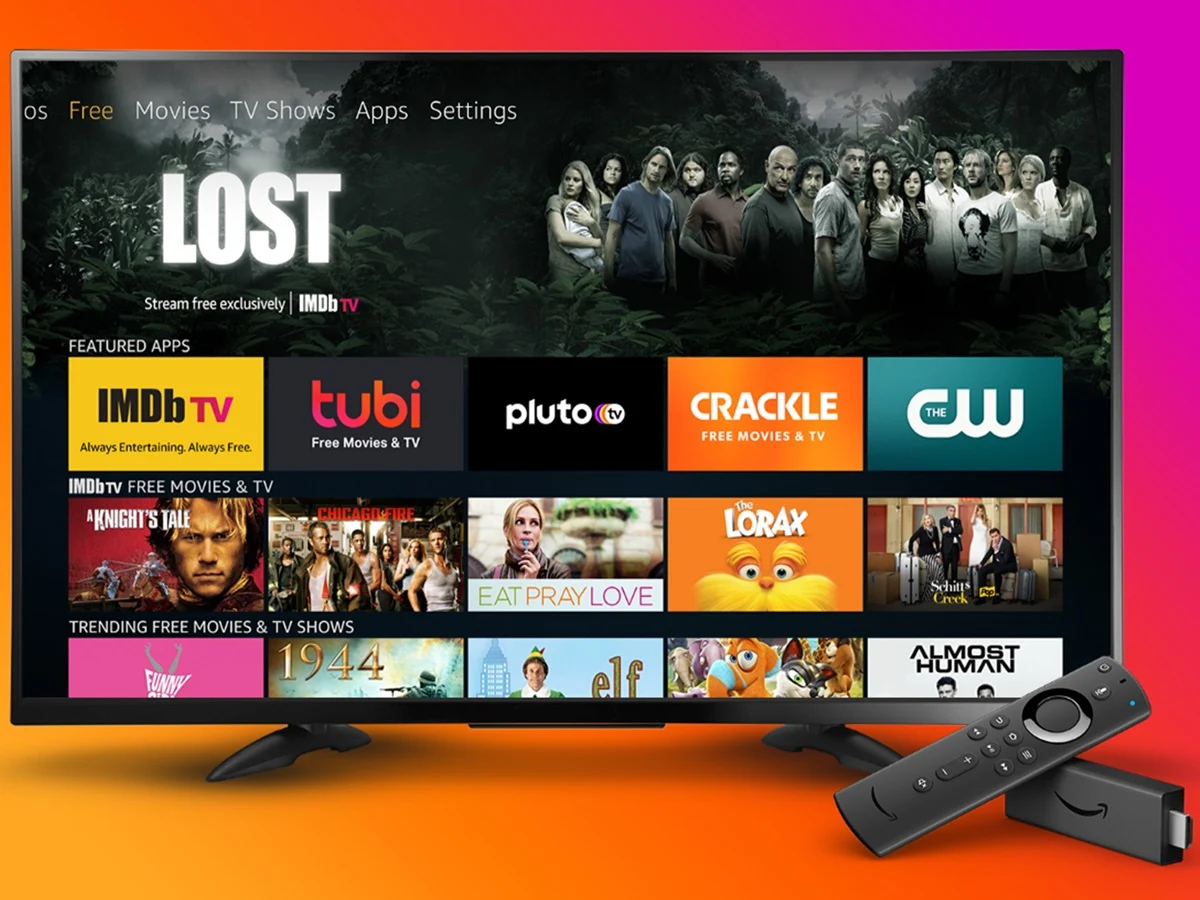
    Amazon has begun releasing a refreshed Fire TV mobile application that does far more than just help find a missing remote. The new app allows users to explore content, keep track of a watchlist, and initiate playback on a Fire TV device directly from their smartphone, offering a much more valuable experience compared to the basic remote features the app used to provide.

    Enhancing User Experience

    This change is significant since Amazon is clearly focused on improving content discovery rather than merely providing control options. In their announcement, the company indicated that the updated app is designed to function as a “second screen,” enabling users to save recommendations or search for new shows even when they aren’t in front of the TV.

    A Comprehensive Overhaul

    The updated mobile app is part of a broader revamp of Fire TV that Amazon introduced along with a new Fire TV interface. The company claims the overall user interface improvement is more streamlined, quicker, and better organized, featuring specific sections for various content types and technical upgrades that may result in performance improvements of up to 20% to 30% in certain situations.

    For the mobile application, consistency is key. Amazon states that the app now sports a design that aligns with the redesigned Fire TV interface found on televisions and streaming devices, signaling that they want the mobile app to serve as a seamless addition to the TV experience rather than just a standalone tool.

    Gradual Rollout

    Amazon mentions that the revamped Fire TV mobile app is initially rolling out in the UK, Germany, France, Italy, Spain, Japan, and India, with plans for wider availability in those regions and other countries in the weeks ahead.

    The main point to note is that Amazon is positioning the Fire TV app more as a streaming companion instead of merely an accessory.

    Source:
    Link


  • Asus NUC 16 Pro Mini PC: Panther Lake, 128GB RAM Support

    Asus NUC 16 Pro Mini PC: Panther Lake, 128GB RAM Support

    Key Takeaways

    1. Asus has released the NUC 16 Pro mini PC with the Intel Core Ultra X9 388H, first shown at CES 2026.
    2. A mid-tier model with the Intel Core Ultra 7 356H is available for $999 as a barebone system on Newegg.
    3. The mini PC supports up to 128GB of DDR5 RAM and has two M.2 slots for a total of 16TB storage.
    4. It features two Thunderbolt 4 ports for eGPU support and has a dual-fan cooling system.
    5. The NUC 16 Pro has a toolless design for easy upgrades and maintenance.


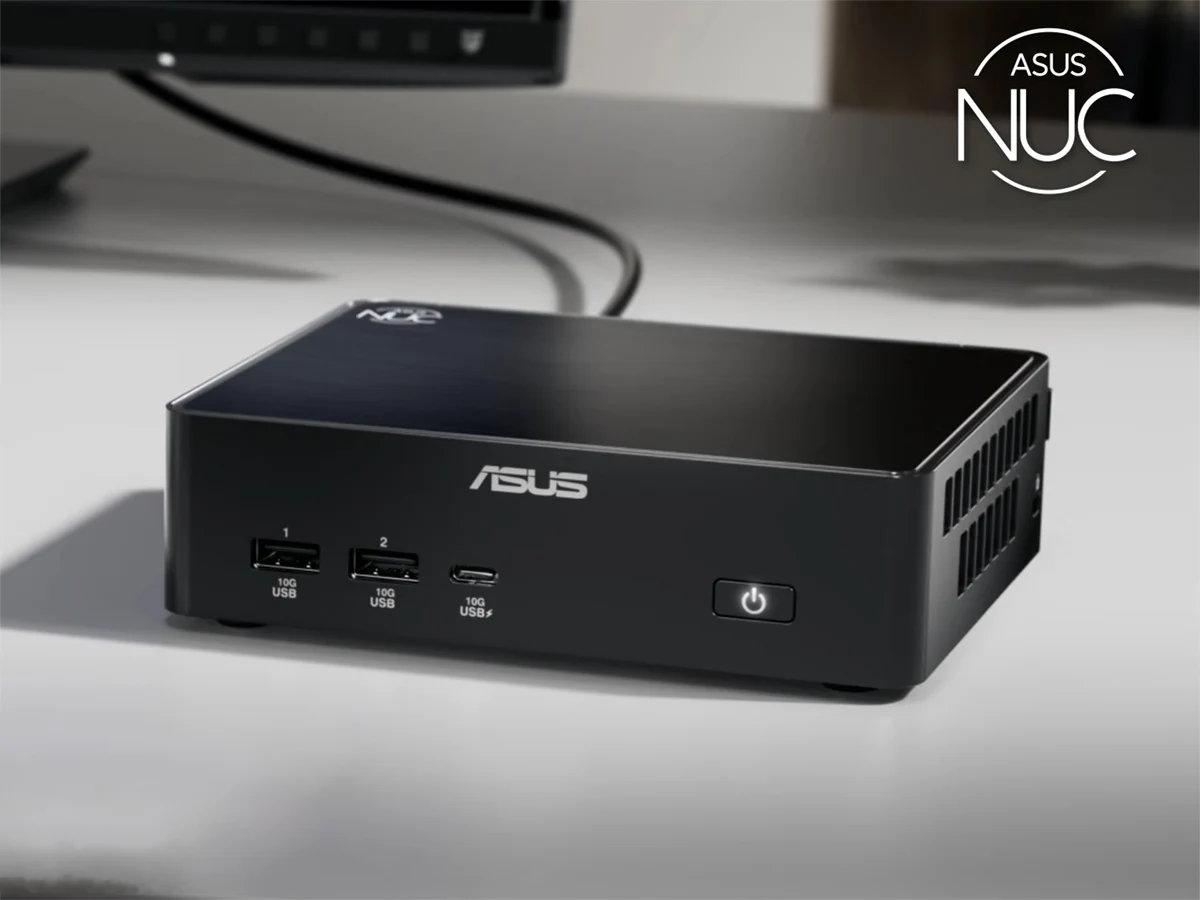
    Asus has released one version of the NUC 16 Pro mini for sale. This system was first shown at CES 2026, and it was announced that it will come with up to the Intel Core Ultra X9 388H from the Panther Lake series.

    Mid-Tier Option Available

    Although the high-end model isn’t ready for purchase yet, Asus has made a mid-range variant featuring the Intel Core Ultra 7 356H available for sale. This NUC 16 Pro setup can be found on Newegg for $999, and it’s a barebone system.

    Specifications and Features

    This mini PC supports up to 128GB of DDR5 RAM through its two SODIMM slots. Additionally, it includes two M.2 slots that can accommodate a total of 16TB of storage. Notably, one of these M.2 slots can hold a 2280 PCIe Gen 5×4 SSD, while the other is designed for a 2242 PCIe Gen 4×4 drive.

    Focusing back on the processor, the Core Ultra 7 356H does not come with the performance-oriented Arc B390 iGPU. Instead, it is equipped with the Intel Graphics 4 Xe3, which delivers gaming performance similar to the AMD Radeon 760M.

    Connectivity and Design

    A highlight of this mini PC is its two Thunderbolt 4 ports, which allow for eGPU support (the Aoostar EG02 dock currently priced at $219 on Amazon). In addition to these two ports, the mini PC features the following configuration:

    On top of that, the NUC 16 Pro has a toolless design that makes upgrading and maintenance easy. It also comes with a dual-fan cooling system and a compact size. For more details about the mini PC, be sure to check out our CES 2026 coverage on Newegg.

    Source:
    Link


  • New Vivo X300s Launch: Zeiss Camera and 144Hz Display Confirmed

    New Vivo X300s Launch: Zeiss Camera and 144Hz Display Confirmed

    Key Takeaways

    1. Vivo officially named its new smartphone the Vivo X300s during Mobile World Congress 2026.
    2. The device features a 6.78-inch BOE Q10 Plus flat display with Zeiss color calibration and a 144Hz refresh rate.
    3. It includes a 200MP camera system developed in partnership with Zeiss, though complete camera specs are not yet revealed.
    4. The Vivo X300s has a symmetrical dual speaker system and supports Gaming HyperSense Audio for enhanced gameplay audio.
    5. Rumored specifications include a Dimensity 9500 chipset and a battery capacity near 7,000mAh, with a launch anticipated later this month in China.


    During the Mobile World Congress 2026, Vivo introduced a new smartphone from its X300 series, but did not disclose the exact name. Rumors hinted it might be named the Vivo X300 Max. Nevertheless, the company has now confirmed that the smartphone will be officially known as the Vivo X300s.

    Details About the Smartphone

    Vivo has shared some information about the device, such as its display, audio capabilities, and haptic feedback. The complete camera specs are still under wraps, but it has been confirmed that it will include a 200MP camera system developed in partnership with Zeiss.

    Display and Refresh Rate

    The Vivo X300s boasts a 6.78-inch BOE Q10 Plus flat display, which features Zeiss color calibration. Notably, this is the first smartphone in the Vivo X series to offer a 144Hz refresh rate. For comparison, the previous models, the Vivo X300 and X300 Pro, come with 120Hz displays.

    Audio Features

    When it comes to audio, the Vivo X300s is set to include a symmetrical dual speaker system similar to that found in the iQoo 15. It will also support the Gaming HyperSense Audio feature from the iQoo 15, which, according to the company, enhances audio details during gameplay. The device utilizes a custom 751440 linear vibration motor, claimed by Vivo to be the largest in the Vivo X series.

    As of now, no additional specifications have been disclosed by the company. Earlier leaks suggest that the smartphone may include a Dimensity 9500 chipset and a battery capacity close to 7,000mAh (you can find the 10K Iniu powerbank for $19.99 on Amazon). While there is no fixed release date, the Vivo X300s is anticipated to launch alongside the Vivo X300 Ultra later this month in China.

    Source:
    Link


  • $40 Smartphone: Rising Component Costs Impact 4G Goals

    $40 Smartphone: Rising Component Costs Impact 4G Goals

    Key Takeaways

    1. The GSMA is promoting affordable smartphones by setting minimum standards for budget 4G devices, targeting a price of around $40.
    2. Six pilot markets in Africa (DR Congo, Ethiopia, Nigeria, Rwanda, Tanzania, and Uganda) are ready for testing in 2026, potentially increasing mobile internet access for millions.
    3. Rising global memory prices and limited options for reducing manufacturing costs pose significant challenges in achieving the $30 to $40 price range.
    4. The GSMA is advocating for governments to eliminate taxes and import duties on entry-level smartphones to help lower retail prices and enhance accessibility.
    5. Achieving the target price of $40 will depend on both hardware innovation and supportive government policies, highlighting the importance of collaboration in this initiative.


    The GSMA’s push for affordable smartphones is taking shape. After setting minimum standards for budget 4G devices in October 2025, the organization announced on March 3 that six pilot markets are ready for 2026: the Democratic Republic of Congo, Ethiopia, Nigeria, Rwanda, Tanzania, and Uganda. This new agreement involves the GSMA, the G6 group of African operators, and OEM partners, all focused on creating entry-level 4G phones that could cost around $40.

    Importance of Accessibility

    This initiative is significant because it goes beyond just talking about “digital inclusion.” The GSMA highlights that the cost of handsets is still the main obstacle to mobile internet access in Sub-Saharan Africa, even for those who live within reach of broadband services. Their announcement from October 2025 noted that a $40 smartphone could provide access to mobile internet for an additional 20 million people in the region, while a $30 device could potentially increase that number to 50 million.

    Challenges Ahead

    However, the industry is facing challenges in achieving this price point at what seems to be the worst possible time. In a press release on March 3, the GSMA pointed out that rising global memory prices are making it tougher to hit the crucial $30 to $40 price range. They also mentioned that there are limited options left for reducing material and manufacturing costs in lower-end devices.

    Market Dynamics

    Research from TrendForce sheds light on why this warning is significant. In February, the firm reported that memory prices for standard smartphone configurations in early 2026 had seen a steep increase year-over-year, with the cost of memory rising from about 10 to 15 percent historically to approximately 30 to 40 percent today. TrendForce cautioned that higher retail prices are becoming increasingly unavoidable throughout the smartphone market. While this doesn’t specifically detail the component mix of a $40 phone, it reinforces the GSMA’s concern that the low end of the market is feeling the same supply-side pressures affecting the broader industry.

    The Political Angle

    The GSMA’s response is becoming as much about politics as it is about the industry. In October, they called on governments to remove taxes on entry-level smartphones priced under $100, pointing out that VAT and import duties can increase device prices by over 30 percent in certain countries. With the March 2026 pilot announcement, the group emphasized that reducing or eliminating taxes and import duties on entry-level 4G phones is now even more crucial, given the rising costs of components and memory.

    This situation is definitely one to keep an eye on. The initiative has shown clear progress since late 2025: there is now a coalition, established specifications, six designated pilot countries, and formal engagement from operators and OEMs. However, as the industry approaches the $40 retail target, it becomes increasingly clear that achieving scale will hinge on policy support just as much as on hardware innovation. Without tax relief or other interventions, the advertised price may remain more of a goal than a practical reality.

    Source:
    Link


  • Microsoft’s Xbox Project Helix: Insider Reveals Content Strategy

    Microsoft’s Xbox Project Helix: Insider Reveals Content Strategy

    Key Takeaways

    1. No Exclusives Expected: Insider SneakersSO stated that Microsoft is not planning to revive console exclusives for the upcoming Xbox Project Helix.

    2. Insights from Asha Sharma: Microsoft Gaming CEO Asha Sharma indicated that Project Helix will support both Xbox and PC games, potentially using a PC-like framework for compatibility.

    3. A Shift in Strategy: The strategy to merge Xbox and PC gaming is not new; it aligns with previous initiatives aimed at closer integration since 2016.

    4. Diminishing Focus on Exclusives: With shrinking console sales and a decreasing install base, Microsoft may focus more on multiplatform releases to reach a wider audience.

    5. Projected Install Base: By the end of 2025, the combined install base for Xbox Series S and X is expected to be around 30 million units, further influencing Microsoft’s strategy.


    SnakersSO, a prominent insider from NeoGAF with ties to Microsoft, has shared insights about the company’s plan for the upcoming Xbox Helix. The insider has minimized the chances of Microsoft bringing back exclusives like it did with older consoles.

    No Exclusives Expected

    In a recent conversation regarding the potential for Microsoft to revive console exclusives for the forthcoming Xbox Project Helix, the leaker stated, “Exclusives are absolutely not happening.” This comment came on the heels of a confirmation from Asha Sharma, the CEO of Microsoft Gaming, who did not delve into the technical aspects of the next-gen Xbox, known as Helix.

    Insights from Asha Sharma

    Sharma hinted that the new gaming device is designed to support both Xbox and PC games. Although the method to achieve this remains unclear, one potential solution could involve creating the system with a PC-like framework. This would mean utilizing emulation and translation layers to ensure compatibility with Xbox titles, which is in line with Microsoft’s aim for a platform-agnostic approach.

    If Project Helix operates more like a tailored PC rather than a typical home console, the traditional notion of console exclusives may lose its significance. The merging of Xbox and PC gaming is not a completely new idea, either.

    A Shift in Strategy

    As we reported earlier, after Sharma unveiled the Helix codename, Tom Warren from The Verge mentioned that a similar strategy emerged back in 2016. At that time, a Kotaku article described Project Helix as a plan to bring Xbox and Windows closer together. This vision started to take shape with the initial cross-platform titles, such as Sea of Thieves (currently priced at $35.19 on Amazon).

    Market dynamics also indicate that the focus on traditional Xbox exclusives is diminishing. The company has seen its console install base shrink over the years. Microsoft managed to sell around 84 million units of the Xbox 360 globally, while the Xbox One’s estimated sales sit at about 58 million.

    By the end of 2025, the Xbox Series S and X are projected to have a combined install base of roughly 30 million units. Given this decreasing audience, prioritizing multiplatform releases would enable Microsoft to connect with a broader group of players, an approach already demonstrated by prior cross-platform launches.

    Source:
    Link