Author: GizNews

  • Wetware Computer Plays Doom with Energy-Efficient Brain Cells

    Wetware Computer Plays Doom with Energy-Efficient Brain Cells

    Key Takeaways

    1. Cortical Labs has created the world’s first biological data centers using living human brain cells embedded in silicon chips, consuming significantly less power than traditional GPUs.
    2. The core technology, called CL1, consists of 800,000 neurons from human stem cells, maintained in a nutrient-rich environment and capable of functioning for up to six months.
    3. Each CL1 unit costs about $35,000 and a rack of units uses only 850-1,000 watts, compared to 6,000 watts for a single Nvidia GPU.
    4. The neurons can autonomously adapt and learn from stimuli, showcasing capabilities in playing complex games through a system called Synthetic Biological Intelligence (SBI).
    5. Cortical Labs is expanding its operations with a new facility in Singapore and offers access to its technology through a Wetware-as-a-Service model for researchers worldwide.


    Cortical Labs, a biotech startup, has introduced what it labels as the first biological data centers in the world. Rather than using traditional power-hungry Nvidia GPUs, these centers utilize living human brain cells embedded in silicon chips, which require as little as 30 watts per unit.

    The Core Technology

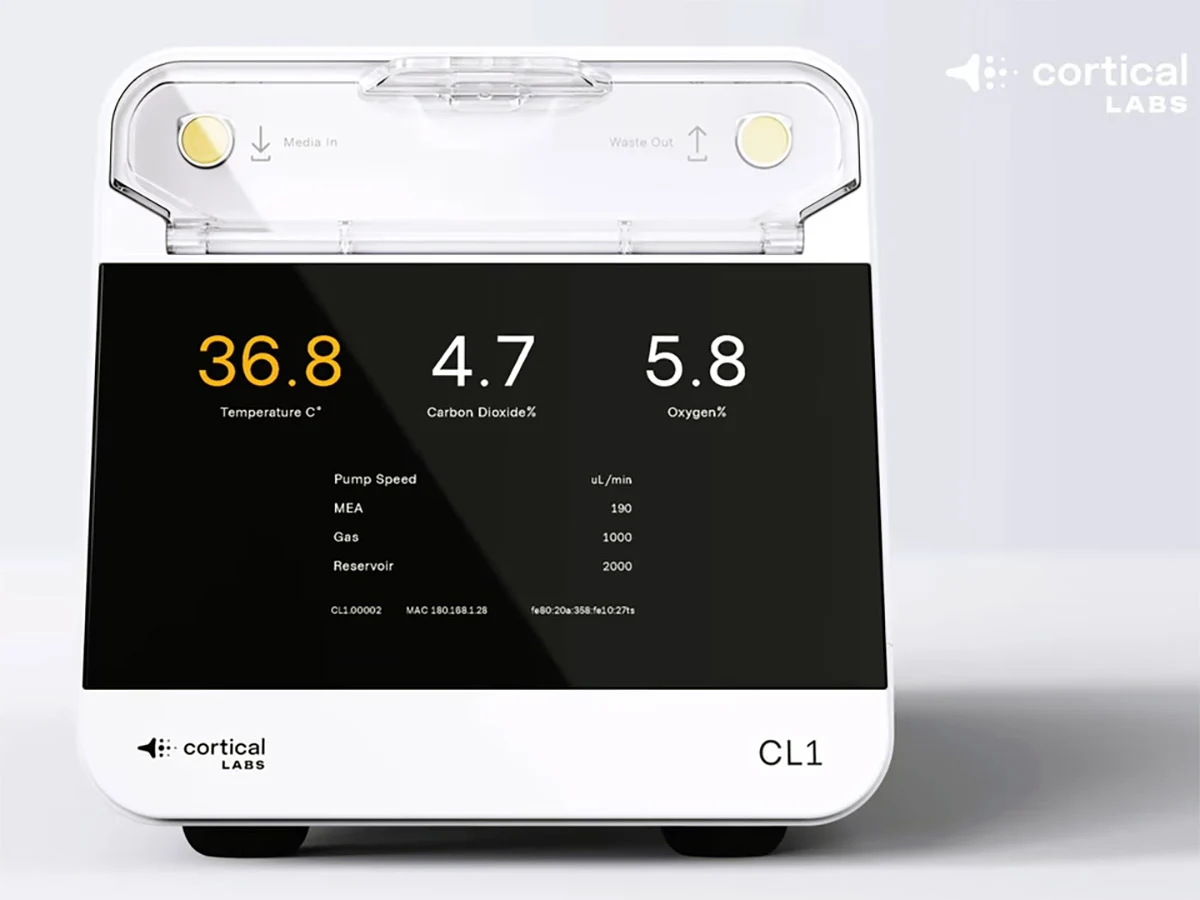
    At the core of these data centers is the CL1, a “wetware” biological computer that was initially revealed at MWC 2025. Each CL1 unit contains around 800,000 neurons cultivated from human stem cells in a laboratory. These neurons are sustained by a nutrient-rich fluid, while an array of electrodes provides electrical input and gathers their reactions. The display of the CL1 shows the health of the neurons, with the system regulating temperature, gas composition, and waste removal to maintain the viability of the human brain cells for up to six months.

    Pricing and Power Efficiency

    The CL1 functions as a standalone computing system, priced at about $35,000, and an entire rack of such units consumes only between 850 and 1,000 watts. This is a striking contrast to the typical 6,000 watts consumed by a single Nvidia GPU in conventional AI data centers. With energy prices soaring and AI systems consuming vast amounts of power, the electrical grids are under pressure. Cortical Labs is marketing its biological computing as a significantly more sustainable alternative compared to traditional silicon-based GPUs.

    Innovative Learning Capabilities

    Interestingly, the neurons don’t require traditional training; they can adapt and rewire themselves in response to different stimuli—an ability that has benefited humanity for ages. For instance, the company’s earlier model, DishBrain, learned to play simple games like Pong autonomously. The latest CL1 has already shown the ability to tackle more complex games, such as Doom, by itself, as shown in the video below.

    Cortical Labs refers to this blended method as Synthetic Biological Intelligence (SBI) and operates it through a unique Biological Intelligence Operating System (biOS). The software facilitates interaction between the neurons and the tasks assigned to them. Researchers can remotely access the system through the newly launched Cortical Cloud, which operates under an innovative model named Wetware-as-a-Service. For just $300 per week per unit, scientists around the world can deploy and evaluate their code directly on living neural networks and assess their effectiveness.

    Future Developments

    Cortical Labs has established its first facility in Melbourne as a proof of concept. However, it is in the process of constructing a significantly larger facility in Singapore in collaboration with the local DayOne Data Centers provider. While the company’s two-dimensional neuron layers are quite basic compared to the complex structure of an actual brain, these biological data centers represent an intriguing venture into wetware organic computing that leverages neurons instead of transistors.

    Source:
    Link



  • Xiaomi Poco C85x Launches: 6.9-Inch Display, 6,300mAh Battery, $120

    Xiaomi Poco C85x Launches: 6.9-Inch Display, 6,300mAh Battery, $120

    Key Takeaways

    1. The Poco C85x features 5G capabilities and a large 6.9-inch IPS LCD display with a 120Hz refresh rate.
    2. It is powered by a MediaTek Dimensity 6300 chip, with 4GB of RAM and expandable storage up to 128GB.
    3. The smartphone has a 32MP rear camera and an 8MP front camera, along with a strong 6,300mAh battery.
    4. It runs on HyperOS 3 based on Android 16 and includes a side-mounted fingerprint scanner and a 3.5mm headphone jack.
    5. The Poco C85x is priced at Rs. 10,999 (~$120) for 4GB RAM and 64GB storage, with sales starting on March 14 in India.


    The Poco C series is known for offering budget-friendly smartphones. Recently, the Poco C85x was launched in India, boasting 5G capabilities and a substantial battery.

    Design Features

    The design of the Poco C85x includes a unique pill-shaped housing for its rear camera. It is available in three colors: black, gold, and green. The device is equipped with an impressive 6.9-inch IPS LCD display that has an HD+ resolution and a 120Hz refresh rate, providing a smooth viewing experience.

    Performance Specs

    Under the hood, the Poco C85x is driven by the MediaTek Dimensity 6300, an octa-core chip built on a 6nm architecture. Users will find it comes with 4GB of RAM and offers up to 128GB of expandable storage through a microSDXC card slot, allowing for plenty of space for apps and media.

    Camera and Battery

    In terms of photography, the Poco C85x features a 32MP rear camera along with an 8MP front-facing camera for selfies. The device is powered by a robust 6,300mAh battery, which supports 15W charging (you can check out the 10K Ugreen powerbank for about $54.99 on Amazon). Additionally, it has reverse wired charging at 7.5W. The smartphone runs on HyperOS 3, which is based on Android 16. It also includes a side-mounted fingerprint scanner and a standard 3.5mm headphone jack.

    The entry-level model of the Poco C85x offers 4GB of RAM and 64GB of internal storage and is priced at Rs. 10,999 (~$120). There’s also a version with the same RAM but with 128GB of storage, costing Rs. 11,999 (~$130). Sales for the Poco C85x in India will begin on March 14. In other updates, Xiaomi has announced the global launch date for the new mid-range Poco X8 series as well.

    Source:
    Link


  • Sonos Play: Affordable, Compact Move 2 with Replaceable Battery

    Sonos Play: Affordable, Compact Move 2 with Replaceable Battery

    Key Takeaways

    1. Sustainable Design: The Sonos Play is made from recycled plastics, features a halogen-free circuit board, and has recyclable packaging, making it the company’s most sustainable portable speaker yet.

    2. Advanced Features: It includes three Class-H digital amplifiers, two tweeters, one mid-woofer, Automatic TruePlay for optimizing sound, and voice control with far-field microphones.

    3. Connectivity Options: The speaker supports WiFi, Bluetooth, and can connect via a USB-C to 3.5mm adapter, with additional support for ethernet and reverse wired charging.

    4. Durability: Rated IP67 for dust and water resistance, the Sonos Play is designed for outdoor use and can sync with other Sonos speakers, but cannot stereo pair with the Move 2 due to different sound profiles.

    5. Battery Life and Pricing: It offers up to 24 hours of battery life, charges wirelessly, and is available for pre-order at $299, with a release date set for March 31.


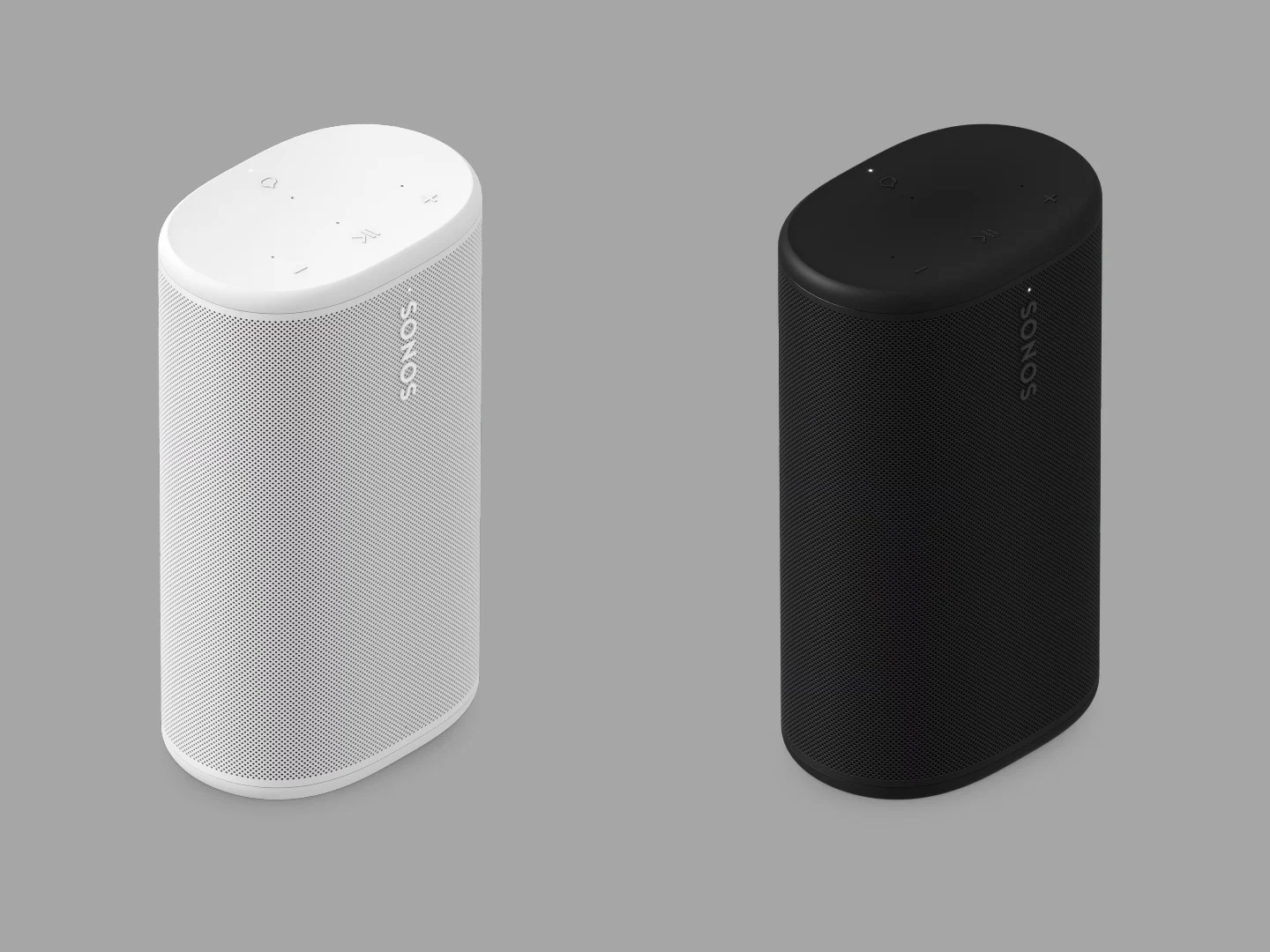
    After an early listing and a leak revealing its price, Sonos has officially announced its new Bluetooth speaker, the Sonos Play. It has also begun accepting pre-orders ahead of its release later this month.

    Design and Sustainability

    Available in Black and White, both with a matte finish, the Sonos Play is shaped like an elliptical cylinder. Sonos says it is its most sustainable portable speaker yet, claiming it is made from recycled plastics, features a halogen-free printed circuit board, and comes in recyclable packaging. On top of that, the battery is user-replaceable.

    Features and Control

    The Sonos Play has three Class-H digital amplifiers, two tweeters, and one mid-woofer. It also includes Automatic TruePlay, a software feature that constantly optimizes the speaker’s output to fit the environment and the content playing. There are far-field microphones with beam-forming and echo cancellation on the speaker for voice control.

    If you don’t want to use voice control, you can flick the microphone mute button on the back, and use the button on the top of the speaker or the companion app to control it. The app can also be used to adjust the speaker’s EQ.

    Connectivity and Durability

    The Sonos Play supports WiFi and Bluetooth for wire-free connection, or you can use a Sonos Line-in adapter (USB-C to 3.5mm adapter) to connect it to an audio source such as a turntable. The USB-C port also supports ethernet and reverse wired charging.

    Rated IP67 for dust and water resistance, the Sonos Play is suitable for outdoor use and will survive immersion in water. Sonos says it can also be synced to two or more Sonos Play or Move 2 speakers (available on Amazon for $499) when you want to fill a very large space. However, you can’t stereo pair the Play and the Move 2 as they use different sound profiles.

    Battery Life and Pricing

    According to the spec sheet, the Sonos Play has a battery life of up to 24 hours, and it charges via a wireless charging base that is included in the box. However, owners will have to provide their own power adapter or purchase one from Sonos.

    The Sonos Play is available to pre-order now for $299 on Amazon. It is also available in the UK for £299, and for €349 in the rest of Europe. It is expected to be released on March 31. The battery replacement kit can also be purchased now for $69 on the Sonos US website. It is priced at £49 in the UK and €49 in Europe, however, it is not yet available to buy in these regions.

    Sonos: 1, 2

    Source:
    Link


  • Insta360 Ultralight 512GB Portable SSD for Phones & Action Cams

    Insta360 Ultralight 512GB Portable SSD for Phones & Action Cams

    Key Takeaways

    1. Compact Design: The Insta360 Quick Reader 512 GB is a small SSD with dimensions of 29.7 × 21.9 × 18.4 mm and weighs only 5.4 g, making it highly portable.

    2. Built-in USB-C Connector: It features a built-in USB-C plug, eliminating the need for extra cables and enhancing compatibility with smartphones, tablets, and PCs.

    3. High Transfer Speeds: The device can achieve transfer speeds of up to 420 MB/s, although it’s not specified if this speed is for reading or writing.

    4. Compatibility with Insta360 Cameras: The Quick Reader works with several Insta360 camera models, including X5, X4 Air, and Ace Pro 2, with more models expected to be supported.

    5. Affordable ProRes Recording: It supports Apple ProRes recording, offering a budget-friendly alternative to higher-capacity iPhones, priced at US$140 / €157 / £130.


    Insta360 and Lexar have joined forces to introduce a new compact external storage solution. The Insta360 Quick Reader 512 GB is fundamentally an SSD equipped with a built-in USB-C plug, which means no extra cables are necessary. This device is compatible with smartphones, tablets, and PCs, and also works with several Insta360 cameras right from the start, such as the Insta360 X5, X4 Air, and Ace Pro 2, with more models expected to be supported in the future. The dimensions of the drive are a mere 29.7 × 21.9 × 18.4 mm (1.17 × 0.86 × 0.72 in), and it weighs just 5.4 g (0.19 oz), making it lighter than a U.S. 50-cent coin. Insta360 claims it can achieve transfer speeds of up to 420 MB/s, although it’s not clear if this speed applies to reading or writing. This impressive maximum speed is likely related to sequential read/write transfers.

    Design Considerations

    The USB-C connector is designed at an angle. A product image indicates that this might create a small issue when the SSD is used with a laptop. On the other hand, the angled design could be beneficial for smartphones, as it prevents the drive from sticking out too much from the USB port. The Insta360 Quick Reader also supports Apple ProRes recording, which could make it a more budget-friendly option compared to purchasing a higher-capacity iPhone. It is currently available for US$140 / €157 / £130 on the official website. Additionally, the Orico 512 GB portable SSD boasts faster specifications on paper and may present a more economical alternative.

    Conclusion

    This collaboration between Insta360 and Lexar marks a significant step in portable storage technology. With its compact size and versatile compatibility, the Insta360 Quick Reader 512 GB is designed to cater to the needs of various users, from photographers to everyday consumers. As the demand for high-speed storage solutions continues to rise, this product aims to meet those expectations while offering convenience and affordability.

    Source:
    Link


  • Lenovo ThinkPad T14 G7 & T16 G5 Repairability Ranked 10/10 by iFixit

    Lenovo ThinkPad T14 G7 & T16 G5 Repairability Ranked 10/10 by iFixit

    Key Takeaways

    1. The ThinkPad T14 G7 and T16 G5 are Lenovo’s first mainstream models to feature LPCAMM2 RAM, previously found only in high-end models.
    2. Both laptops received a perfect repairability score of 10/10 from iFixit, an improvement from the previous models.
    3. Lenovo’s latest ThinkPad T series laptops support user-upgradeable RAM, reflecting a trend toward modular designs.
    4. Some components, like certain ports and Wi-Fi modules, are still soldered, limiting full repairability.
    5. Replacing display parts may require a complete new display assembly, indicating some repair challenges remain.


    The ThinkPad T14 G7 and T16 G5 caught our attention during our visit to MWC 2026 in Barcelona last week. Although neither of these laptops is available for sale just yet, they have already been thoroughly evaluated by iFixit.

    New RAM Technology

    To summarize, the T14 G7 and T16 G5 represent Lenovo’s first mainstream models to feature LPCAMM2 RAM. This type of memory was previously reserved for the very high-end ThinkPad T1g Gen 8 (currently priced at $3,199 on Amazon). Lenovo’s decision to allow user-upgradeable RAM coincides with a trend toward more modular designs in their latest ThinkPad T series laptops.

    Repairability Scores

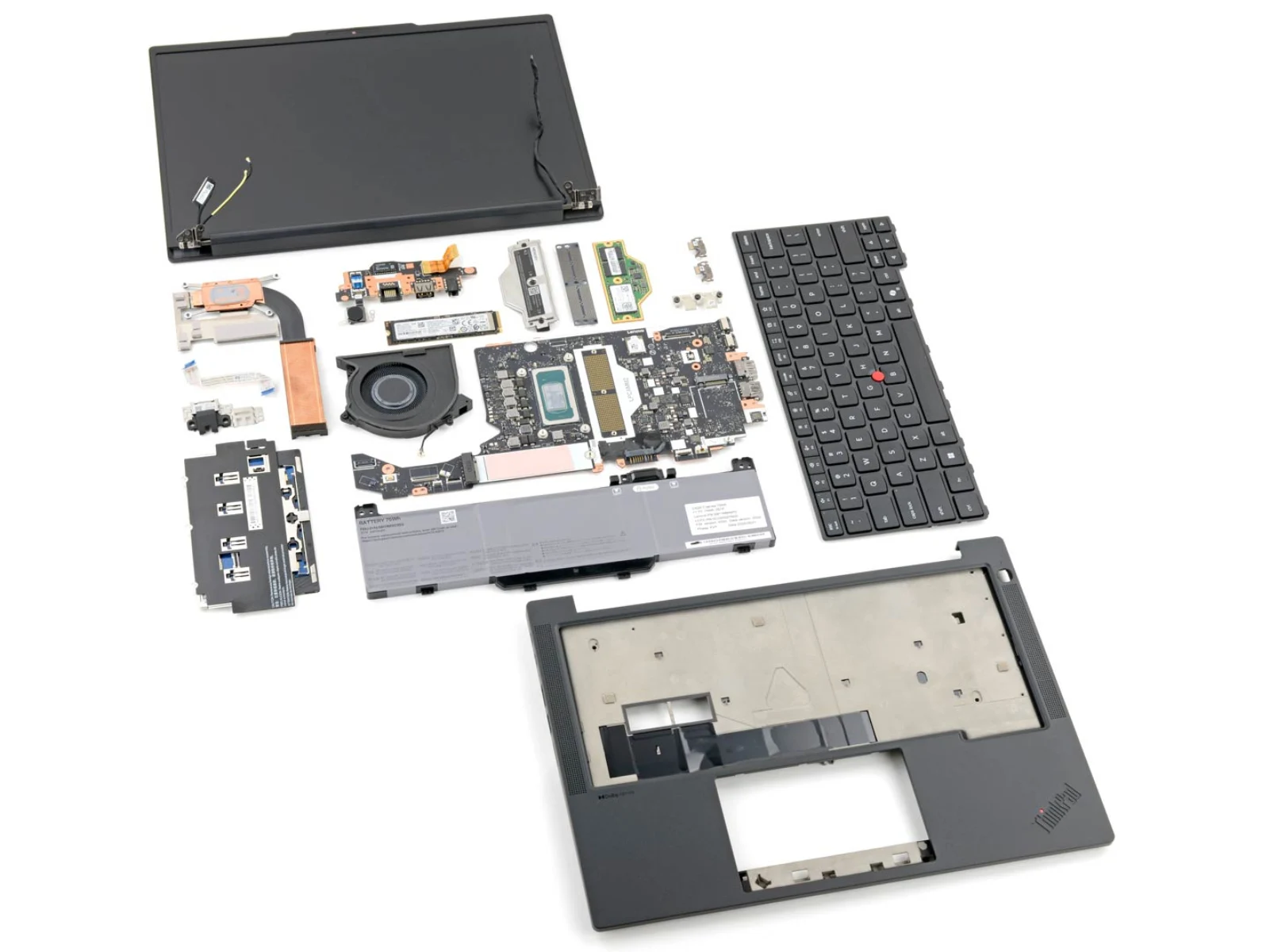
    In terms of repairability, iFixit has given both the T14 G7 and T16 G5 a perfect score of 10/10. This is an improvement from the previous 9/10 for the T14 G6, bringing the new models in line with the Framework Laptop 13 and Framework Laptop 16. However, there are still some areas where Lenovo’s latest laptops fall short regarding repairability.

    Limitations Noted

    For example, some ports are still soldered onto the mainboards of the laptops. Additionally, iFixit pointed out that replacing Wi-Fi modules or display parts would likely require a complete new display assembly. Nonetheless, iFixit’s review aligns well with our initial thoughts. For further hardware information regarding the ThinkPad T14 G7 and T16 G5, please refer to our launch article.

    Source:
    Link


  • PS Plus March 2026 Leak Reveals Exciting Extra and Premium Games

    PS Plus March 2026 Leak Reveals Exciting Extra and Premium Games

    Key Takeaways

    1. Sony is offering four free games to PlayStation Plus subscribers in March 2026 across all subscription tiers.
    2. A leak suggests that Dragon’s Dogma 2 and Final Fantasy 16 may be added to the PS Plus Extra tier soon.
    3. Dragon’s Dogma 2 is priced at $69.99, while Final Fantasy 16 typically costs $49.99 (currently on sale for $23.99).
    4. There are rumors of additional titles for the PlayStation Plus Premium and Extra tiers, but these claims are unverified.
    5. A new update for the PlayStation Plus lineup is expected on March 17, 2026, with an official announcement coming soon.


    Sony is giving away four free games to PlayStation Plus subscribers across the Premium, Extra, and Essential plans. The latest offerings for March 2026 are pretty good, but it looks like the higher tiers might have an even better selection coming up soon.

    Potential Exciting Additions

    A dubious leak hints that the PlayStation Plus Extra tier could soon include two highly praised titles: Dragon’s Dogma 2 and Final Fantasy 16. This gossip comes from the well-known insider @billbil_kun, who admits that the information isn’t verified.

    Game Prices

    If this information turns out to be true, both Dragon’s Dogma 2 and Final Fantasy XVI would be great picks for PS Plus Extra. The former is priced at $69.99, whereas the latter is generally $49.99 when it’s not on sale (currently $23.99 on Amazon).

    More Rumored Titles

    Aside from those two games for PS Plus Extra, there are whispers about additional titles for the mid-March 2026 update. These games are said to be available on PlayStation Plus Premium and Extra, and the reliability of this source is about the same as the previous one. Therefore, these are just speculated titles for the upper tiers, lacking confirmation from any trustworthy leaker.

    For anyone interested, a new update to the PlayStation Plus lineup for March 2026 is slated for March 17, 2026. Sony is anticipated to officially announce the new games shortly.

    Source:
    Link


  • Astronomers Discover 5 Possible Alien Structures Harvesting Star Energy

    Astronomers Discover 5 Possible Alien Structures Harvesting Star Energy

    Key Takeaways

    1. The concept of a Dyson sphere was introduced by Freeman Dyson in 1960 to capture energy from stars.
    2. A Dyson swarm, made of thousands or millions of solar collectors orbiting a star, is the modern interpretation of the original idea.
    3. Red dwarfs and white dwarfs are ideal candidates for Dyson swarms due to their long lifespans and low fuel consumption.
    4. A Dyson sphere would block visible light from a star, affecting its position on the Hertzsprung-Russell diagram and possibly causing brightness fluctuations.
    5. Powerful infrared telescopes, like the James Webb Space Telescope, are used to detect potential Dyson spheres, with recent studies identifying candidates around red dwarfs.


    The idea of a Dyson sphere was first introduced by Freeman Dyson back in 1960. His idea was to create a structure surrounding a star to capture the energy it emits. Nowadays, scientists are suggesting a Dyson swarm, which consists of thousands or even millions of solar collectors that orbit a star, collecting its energy.

    Observing the Dyson Swarm

    A research conducted by Amirnezam Amiri looked into how a Dyson swarm would appear to astronomers. One of the key questions was determining which stars would be the most suitable for having such a structure. It turned out that red dwarfs and white dwarfs are the best candidates thanks to their long lifespans, smaller size, and their slow fuel consumption.

    Classification of Stars

    Stars are categorized using the Hertzsprung-Russell (H-R) diagram, which charts them by their temperature and brightness. A Dyson sphere would block the visible light from the star, instead absorbing its energy and re-emitting it as infrared radiation. This process would lower the temperature of the surface that radiates, thus altering the star’s position on the chart. Additionally, because of the artificial panels, the environment would be free of dust. The swarm’s structure might also cause the star’s brightness to fluctuate, making it seem odd to astronomers.

    Detecting Dyson Spheres

    To spot potential Dyson spheres, powerful infrared telescopes like the James Webb Space Telescope and the Wide-Field Infrared Survey Explorer (WISE) are used. A study in 2024 from Project Hephaistos analyzed 5 million stars and identified 7 possible Dyson sphere candidates, all of which were around red dwarfs. However, further analysis reduced this number to just 5.

    This research offers new methods for finding technosignatures, paving the way for discovering signs of advanced extraterrestrial civilizations.

    arXiv.org

    Source:
    Link


  • Lenovo Launches Lightweight Tablet with 144 Hz Display

    Lenovo Launches Lightweight Tablet with 144 Hz Display

    Key Takeaways

    1. The Lenovo Idea Tab Pro Gen 2 features a 13-inch display with a 144 Hz refresh rate and is powered by a 10,200 mAh battery.
    2. It uses the Snapdragon 8s Gen 4 processor and weighs approximately 598 g, with dimensions of 296.5 x 191.9 x 6.2 mm.
    3. The tablet offers microSD card support and is currently available in Europe, with a “coming soon” status for Australia, Canada, and the US.
    4. Pricing starts at £479 for the 128 GB model in the UK, with the 256 GB version costing £515 and a minimum price of €529 in the Eurozone.
    5. Optional accessories, including a pen and keyboard, can increase the total cost up to €687, including a 68 W power adapter.


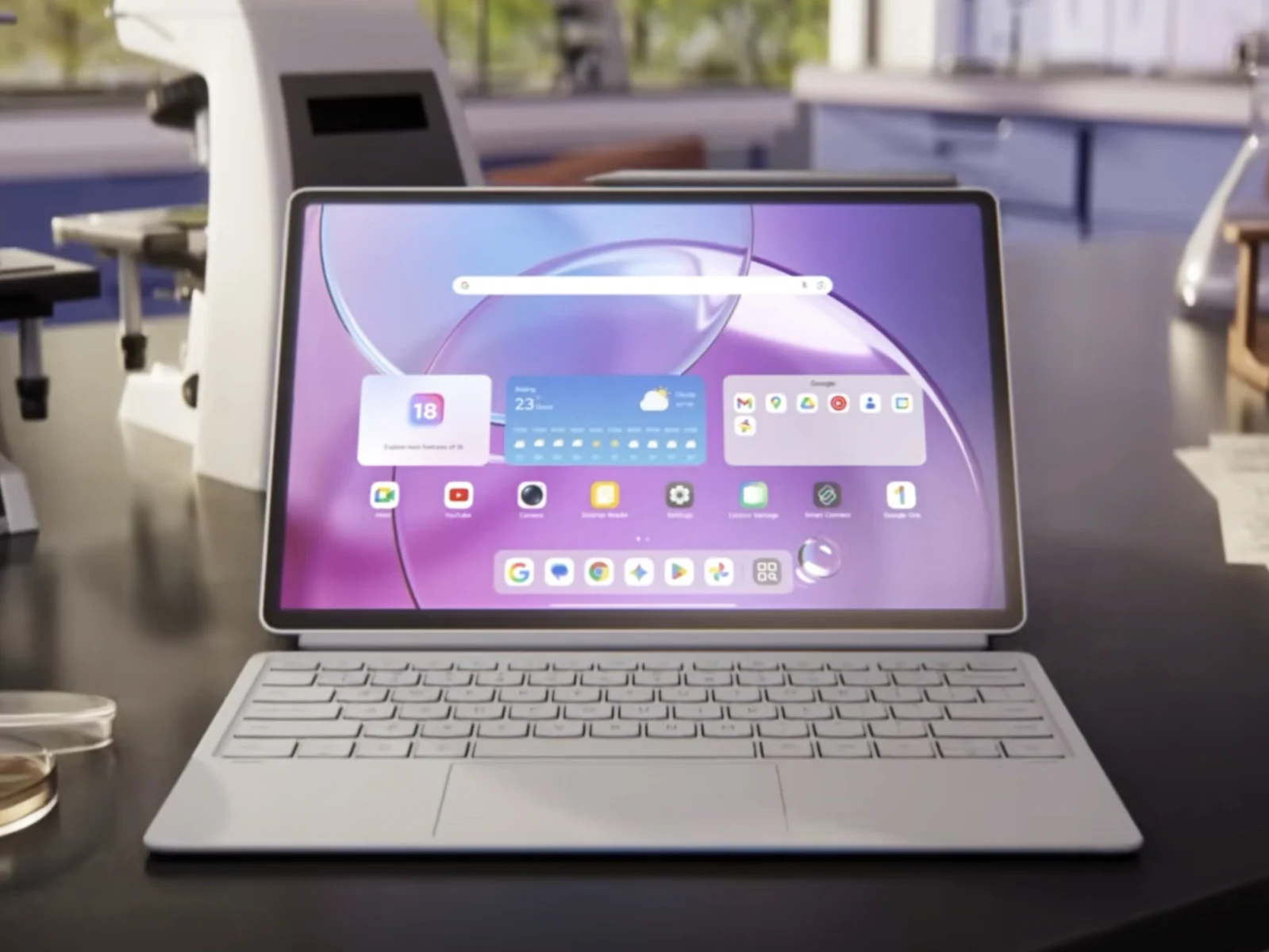
    Lenovo has unveiled the Idea Tab Pro Gen 2 after showcasing it last week at MWC 2026, held in Barcelona. The tablet comes with a 13-inch display that boasts a 144 Hz refresh rate and is powered by a hefty 10,200 mAh battery. It also packs the same Snapdragon 8s Gen 4 processor that is used in devices like the Xiaomi Pad 8, Poco F7, and Nothing Phone (3), which is currently priced at $639 on Amazon.

    Features and Design

    In addition to its impressive specs, Lenovo has included microSD card support and two cameras within a casing that weighs approximately 598 g and measures 296.5 x 191.9 x 6.2 mm. At this time, Lenovo is making the new 13-inch tablet available throughout Europe, including the UK. However, the device is listed as “coming soon” on the company’s websites for Australia, Canada, and the US.

    Pricing Details

    The starting price for the Idea Tab Pro Gen 2 in the UK is £479, featuring 128 GB of UFS 3.1 flash storage. The price increases to £515 for the version with 256 GB of UFS 4.0 flash storage. In comparison, the tablet has a minimum price of €529 in the Eurozone, with some countries reporting a price of €550.

    Accessories and Additional Costs

    Lenovo also provides the Idea Tab Pro Gen 2 with optional pen and keyboard accessories in select regions. As of now, the total cost can reach up to €687 if you choose to add all these accessories along with a 68 W power adapter. For further hardware specifications, refer to our launch article.

    Source:
    Link


  • Garmin Smartwatches Receive Music Update for Enhanced Experience

    Garmin Smartwatches Receive Music Update for Enhanced Experience

    Key Takeaways

    1. Garmin launched Beta Version 26.04 for smartwatches, including Enduro 2, Fenix 7, and Quatix 7.
    2. The update is being rolled out via over-the-air (OTA) and is currently available to 20% of Beta Program participants.
    3. Beta Version 26.04 is not compatible with Pro-branded smartwatches.
    4. The update includes three new bug fixes compared to Beta Version 26.03.
    5. Fixes include resolving a system crash when skipping music tracks, correcting Training Effect estimates in German, and fixing a translation issue in the Solar Intensity Widget.


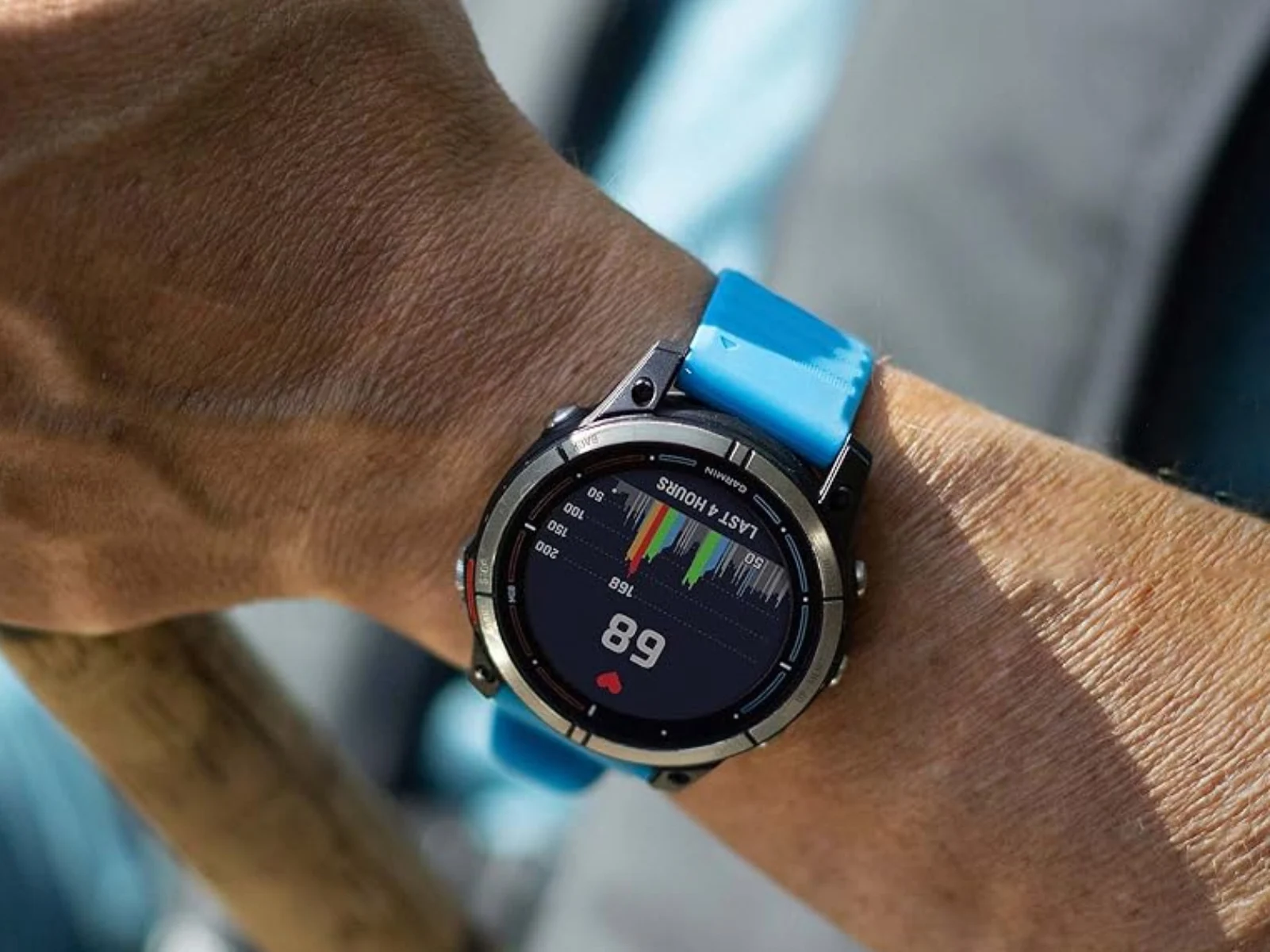
    Almost a month ago, Garmin launched Beta Version 26.03 for its smartwatches including the Enduro 2, Fenix 7, and Quatix 7 (currently priced at $339.99 on Amazon). Shortly after, the company released a Feature Update package that did not include those smartwatches, nor did it cover the Epix 2, Epix 2 Pro, and Marq Gen 2.

    Arrival of Beta Version 26.04

    Now, Garmin is back with Beta Version 26.04, which is being rolled out as an over-the-air (OTA) update via Bluetooth or Wi-Fi. At this time, the update has reportedly reached 20% of participants in the Beta Program. Therefore, it may take a few more days for Beta Version 26.04 to be available on all compatible smartwatches.

    Limitations of the Update

    It’s important to mention that this new update is also not available for any Pro-branded smartwatches. Garmin has informed users that Beta Version 26.04 brings three new bug fixes in comparison to Beta Version 26.03. Specifically, this beta resolves an issue that could lead to a system crash when skipping through music tracks.

    Fixes and Improvements

    In addition, Beta Version 26.04 corrects a different bug that caused Training Effect estimates to not display correctly in German. Lastly, the new update fixes another translation issue that made the Solar Intensity Widget show incorrect information. For further details, you can check Garmin’s forum post.

    Source:
    Link


  • Asus ExpertCenter P700 Mini Tower PC with AMD APUs and RTX 5060

    Asus ExpertCenter P700 Mini Tower PC with AMD APUs and RTX 5060

    Key Takeaways

    1. The Asus ExpertCenter P700 SFF PC features powerful AMD Ryzen AI 7 445 processors and supports up to 64 GB DDR5-5600 RAM.
    2. It is MIL-STD-810H certified, indicating durability and long-lasting quality.
    3. The mini tower can accommodate discrete GPUs like the Nvidia GeForce RTX 5060 for enhanced gaming performance.
    4. It operates quietly with a cooling system that produces only 27.8 dB under continuous loads.
    5. The compact design measures approximately 11.6 x 6.1 x 13.6 inches and includes storage options of up to 2 TB HDD and 1 TB M.2 PCIe SSD.


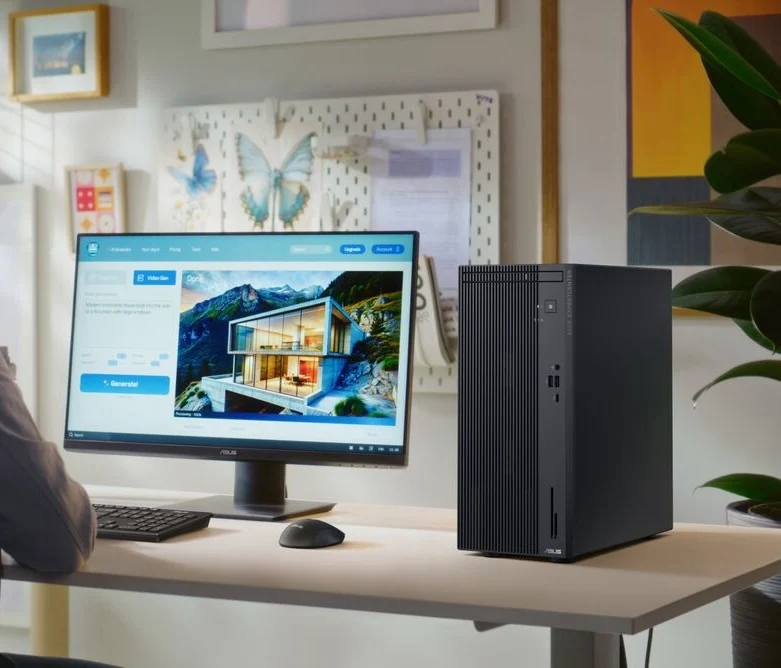
    Asus has recently introduced the ExpertCenter P700 SFF PC, which boasts powerful AMD processors and robust discrete graphics. This mini tower also holds a MIL-STD-810H certification, which is likely to attract users who value long-lasting quality.

    Specifications and Performance

    The P700 mini tower PC can be configured with an AMD Ryzen AI 7 445 APU, along with a maximum of 64 GB DDR5-5600 RAM. This Ryzen AI 7 445 is quite similar to the Ryzen AI 5 340, a chip also commonly found in various laptops and mini PCs. In easier terms, the 6-core, 12-thread APU should manage most moderately demanding tasks well. That said, opting for a stronger 8-core or better processor might have been a more advantageous decision.

    Graphics and Gaming Capability

    Additionally, the P700 mini tower utilizes its 15-liter size effectively by accommodating discrete GPUs, which can include the Nvidia GeForce RTX 5060 (currently priced at $339 on Amazon) featuring 8 GB of GDDR7 VRAM. The ultimate performance will hinge on how well Asus handles thermal management, but one can safely anticipate commendable performance in AAA gaming at reasonable settings, alongside productivity tasks.

    Cooling and Dimensions

    The 45-watt CPU enables the cooling system to operate quietly, with Asus stating it only generates 27.8 dB under continuous loads. Nonetheless, the actual performance of the cooling system and the temperatures will only be clear after independent evaluations. The I/O options available are listed as follows:

    Measuring approximately 11.6 x 6.1 x 13.6 inches, the Asus ExpertCenter P700 mini tower is fairly compact and weighs around 13.2 lbs (or 6 kg). For storage, it comes with a 3.5″ HDD that can hold up to 2 TB, in addition to an M.2 PCIe 4.0 SSD with a capacity of up to 1 TB. Pricing and availability information is still not clear at this moment.

    Asus PR, via TechPowerUp

    Source:
    Link