The relentless competition between Intel and AMD continues as Intel’s upcoming 14th Generation Raptor Lake Refresh CPUs face off against AMD’s Ryzen 3D V-Cache chips in the popular simulation game, Factorio. The 14th Generation lineup, including models Core i9-14900K, Core i7-14700K, and Core i5-14600K, has been put to the test, and the results have stirred the gaming community.
Performance Discrepancy Unveiled
The simulation game Factorio, known for its relatively low graphical and CPU intensity, was the chosen battleground. Here, a metric known as UPS (Updates Per Second) reflects the processor’s capability to perform calculations quickly. The higher the UPS, the faster factories within the game can operate in real seconds relative to a lower UPS rate1.
Results revealed a noticeable performance gap, with Intel’s chips lagging significantly behind AMD’s Ryzen 3D V-Cache chips. The 14th gen Intel CPUs, while faster than their 13th gen counterparts by a small margin (Core i9-14900K being +3.7% faster than i9-13900K, Core i7-14700K +6.8% faster than i7-13700K, and Core i5-14600K +1.2% faster than i5-13600K), were outperformed by AMD’s offerings2.
AMD’s Technological Edge
AMD’s Ryzen 7000 “X3D” series leverages a pioneering 3D chip-stacking technology which propels it to lead in gaming performance. A comparison test showed the Ryzen 7 7800X3D outperforming its predecessor, the Ryzen 7 5800X3D, in all tested games by a significant margin, indicating a promising trajectory of performance enhancement with the new tech3.
Competitive Landscape
Intel’s latest offering, although falling short in this particular test, shouldn’t be dismissed outright. The chips are expected to compete for a spot on the list of best CPUs4. The 14th Gen CPUs indeed show a performance improvement compared to the 13th Gen CPUs, albeit a narrow one. In 1080p gaming comparisons, Intel Core i9-14900K was seen trading blows with AMD’s flagship CPU, the Ryzen 9 7950X3D, indicating that under different circumstances or in various gaming environments, the competition could be neck and neck5.
The benchmarks serve as a reminder of the stiff competition between Intel and AMD, pushing each tech giant to innovate further. As the release date for Intel’s 14th gen CPUs approaches, the eyes of gamers and tech enthusiasts will be keenly focused on the evolving battlefield of CPU performance.
Sharp NEC has recently announced the launch of its innovative NC1503L digital cinema projector, an equipment tailored for small booth cinemas and business applications, showcasing an outstanding brightness level of 14,000 lumens. This portable projector employs an RB laser light source, ensuring a colossal life expectancy of up to 50,000 hours, which starkly reduces maintenance requirements compared to older Xenon lamps1.
Exceptional Image Quality
The Sharp NEC NC1503L embraces the 3-chip DLP Cinema technology, ensuring a remarkable image quality with a DCI 2K native resolution of 2048 x 1080 pixels. The projector can cast images up to 17 meters (~56 feet) wide, delivering a captivating viewing experience for the audience. With a 1600:1 contrast ratio, the imagery projected is crisp, with the motorized zoom, focus, and shift tools further enhancing the image quality, allowing for a tailored viewing experience12.
User-Friendly Connectivity and Quiet Operation
Connectivity is a breeze with the NC1503L as it comes equipped with various ports including USB 2.0, USB 3.0, HDMI, and RJ45, catering to different user needs. One of the highlights of this projector is its quiet operation. Emitting less than 50 dB of fan noise, it ensures a distraction-free environment whether in a small booth cinema or a business presentation setting12.
Versatile Installation and Robust Design
With dimensions of 27.6 x 11.3 x 32.0 inches and weighing 68kg, the NC1503L offers versatility in installation. It can be comfortably mounted on either the floor or ceiling, providing flexibility in setup according to the venue requirements. The robust design coupled with efficient lamp architecture significantly reduces maintenance, marking it as a reliable choice for long-term use2.
The Sharp NEC NC1503L digital cinema projector is slated to hit the market this November, however, the full details regarding pricing and global availability are yet to be released. As the launch date approaches, more information about this promising projector is anticipated to surface, providing a clearer picture of its offerings to the digital cinema and business sectors.
The spotlight is certainly on the Sharp NEC NC1503L digital cinema projector as it beckons a new era of superior image quality and user-centric features, setting a high bar in the digital projection landscape.
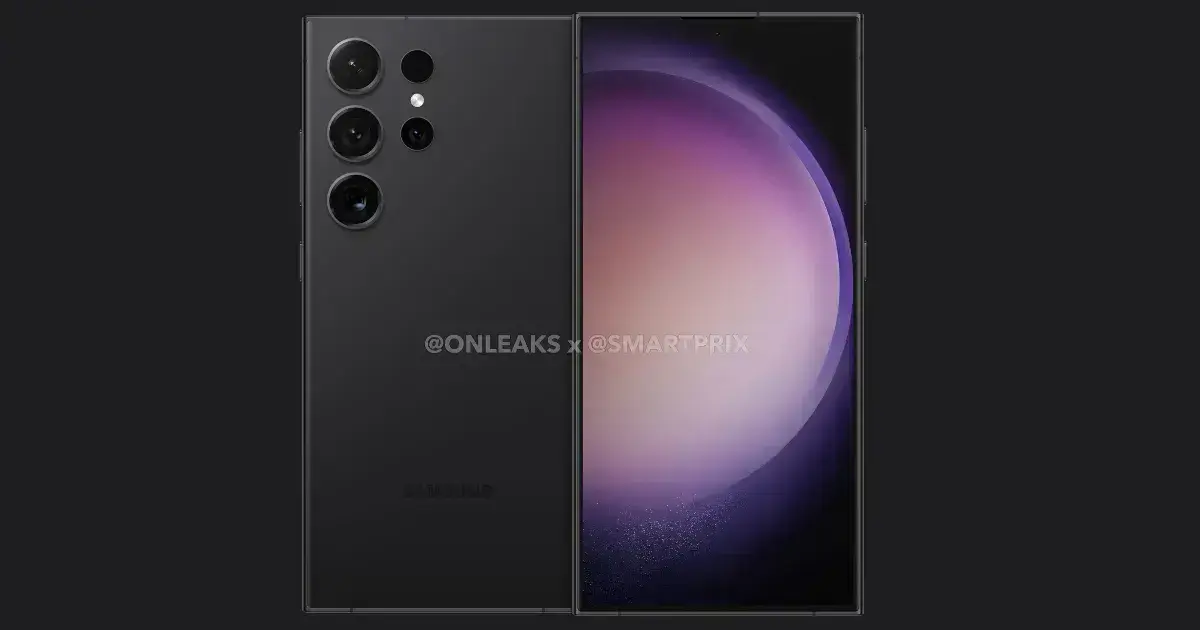
The smartphone arena is always ripe with anticipation for the next big thing. This time, Samsung has once again captured the attention of tech enthusiasts around the globe. Recent leaks have shed some light on the specs of the yet-to-be-released Samsung Galaxy S24 Ultra. While it’s common knowledge that the ‘Ultra’ moniker signifies Samsung’s top-tier flagship model, the new leaks have highlighted some mouth-watering technical details.
Snapdragon 8 Gen 3: A New Era of Processing
Arguably the most notable revelation is the Samsung Galaxy S24 Ultra’s inclusion of the Snapdragon 8 Gen 3 chipset. This chipset promises unprecedented performance levels and energy efficiency, which could position the Galaxy S24 Ultra as the zenith of Android performance in 2023.
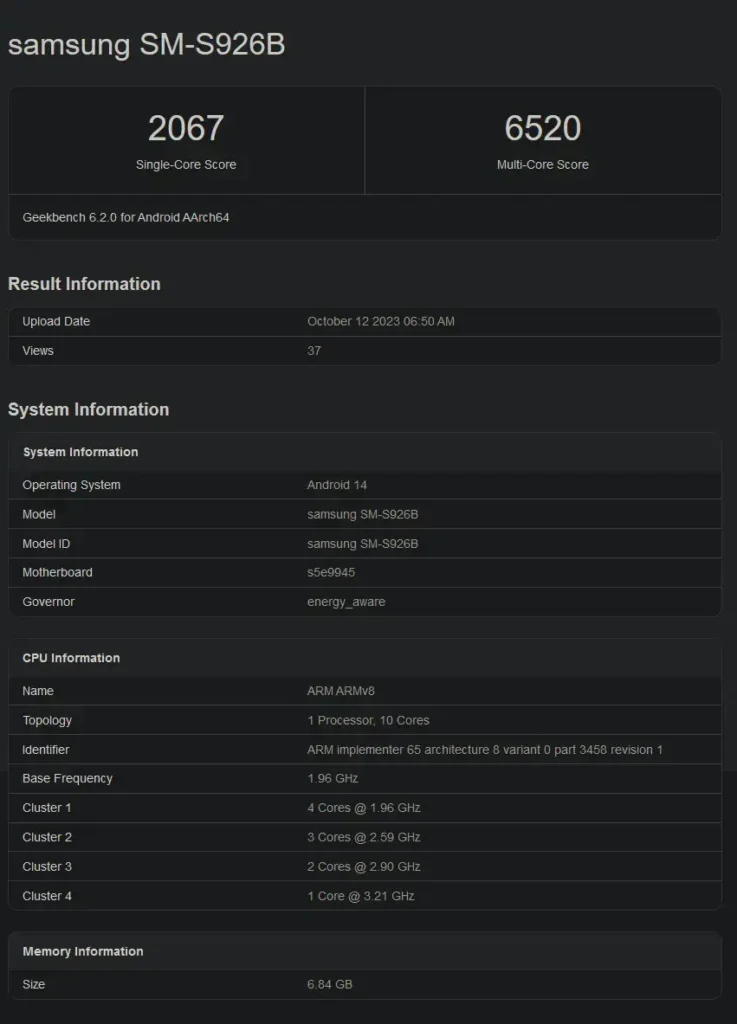
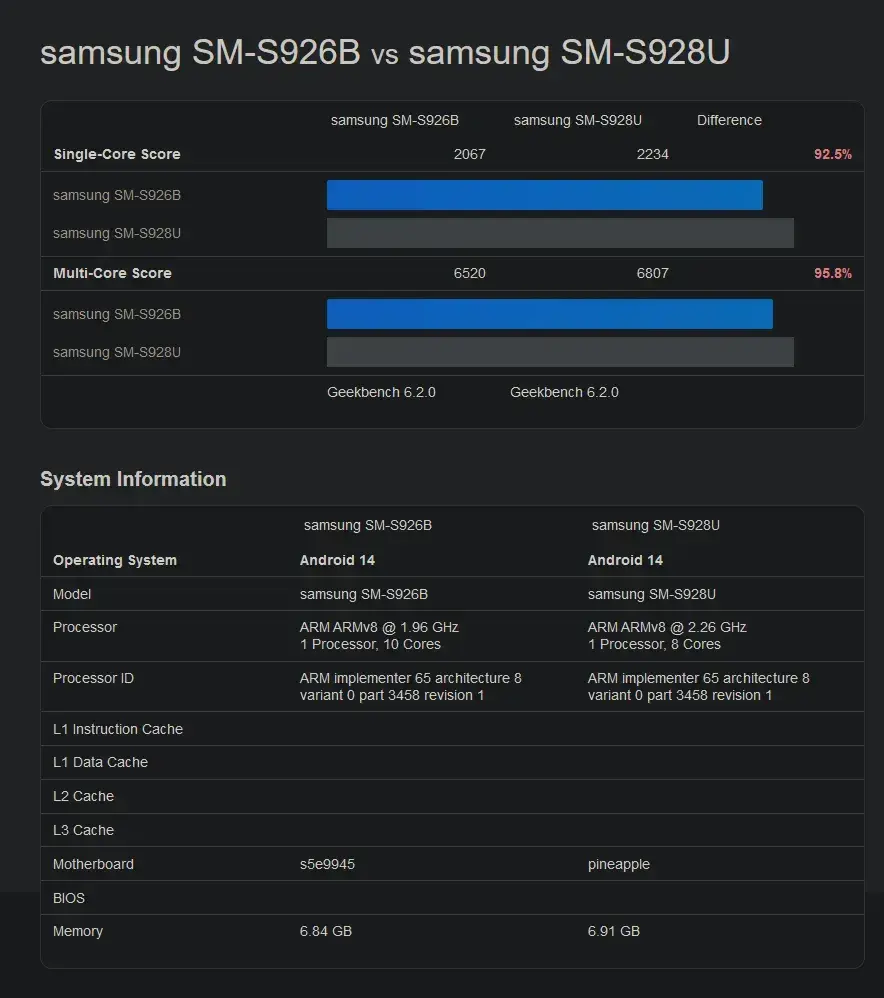
Geekbench scores, a metric tech aficionados regularly rely on to gauge a device’s performance, have surfaced, revealing the potential of this beastly chipset. While exact numbers can vary, it’s evident that the Snapdragon 8 Gen 3 is well-equipped to handle any task with ease.
Other Noteworthy Specifications
Beyond the Snapdragon 8 Gen 3 revelation, other rumored specifications have emerged, pointing towards the Galaxy S24 Ultra as a formidable contender in the smartphone race.
The device appears to come with 8GB of RAM. While this might seem like a standard for most flagship phones, when paired with the Snapdragon 8 Gen 3 chipset, it can deliver blazing fast multitasking and app performance. Furthermore, with Samsung’s track record of optimizing its One UI software, the combination promises a smooth user experience.
While the mentioned sources primarily focused on the chipset and RAM, it’s important to note that other leaks will inevitably emerge as the device’s launch date nears. Historically, the ‘Ultra’ variant from Samsung has showcased the best of camera technology, battery capacity, and display prowess. Hence, it’s safe to assume that the Samsung Galaxy S24 Ultra will pack other high-end features to accompany its robust processing power.
Final Thoughts and Anticipation
The leaks concerning the Samsung Galaxy S24 Ultra have undoubtedly ramped up the anticipation among tech enthusiasts and potential buyers. The integration of the Snapdragon 8 Gen 3 chipset, combined with other speculated features, paints a picture of a device ready to redefine the smartphone experience in 2023.
As with all leaks and rumors, it’s crucial to await official announcements from Samsung to confirm any specifications. However, if these details prove accurate, the Samsung Galaxy S24 Ultra could be the smartphone to watch out for in the coming months.
When it comes to processor technology, the battle lines between AMD and Intel have always been distinctly drawn. Both tech giants are in a constant scramble to outdo each other, and the upcoming AMD Ryzen 8000 series and Intel’s future CPUs—particularly the Arrow Lake-H/HX and Lunar Lake-M—indicate that the race is nowhere near slowing down. Leaks and revelations about these future chipsets provide a peek into what might be the next big things in the laptop CPU arena.
AMD Steps Up with Ryzen 8000 Series
AMD’s progression in the CPU landscape has been remarkable, and the expected arrival of the Ryzen 8000 series (codenamed Strix Point) in 2024 heralds the next chapter in their evolution. While details about clock speeds, core counts, and TDP are still under wraps, the Ryzen 8000 series is anticipated to be based on the 3nm Zen 5 architecture. This leap forwards could potentially deliver significant improvements in performance and energy efficiency compared to its predecessors.
Developers and gaming enthusiasts are eagerly awaiting more details about the Ryzen 8000 series, as it promises to uphold AMD’s legacy of providing robust performance for various computing needs.
CPU FAMILY NAME
AMD KRACKAN POINT
AMD FIRE RANGE
AMD STRIX POINT HALO
AMD STRIX POINT
AMD HAWK POINT
AMD DRAGON RANGE
AMD PHOENIX
AMD REMBRANDT
AMD CEZANNE
AMD RENOIR
AMD PICASSO
AMD RAVEN RIDGE
Family Branding
AMD Ryzen 9040 (H/U-Series)
AMD Ryzen 8055 (HX-Series)
AMD Ryzen 8050 (H-Series)
AMD Ryzen 8050 (H/U-Series)
AMD Ryzen 8040 (H/U-Series)
AMD Ryzen 7045 (HX-Series)
AMD Ryzen 7040 (H/U-Series)
AMD Ryzen 6000 AMD Ryzen 7035
AMD Ryzen 5000 (H/U-Series)
AMD Ryzen 4000 (H/U-Series)
AMD Ryzen 3000 (H/U-Series)
AMD Ryzen 2000 (H/U-Series)
Process Node
4nm
5nm
4nm
4nm
4nm
5nm
4nm
6nm
7nm
7nm
12nm
14nm
CPU Core Architecture
Zen 5
Zen 5D
Zen 5C
Zen 5D + Zen 5C
Zen 4
Zen 4
Zen 4
Zen 3+
Zen 3
Zen 2
Zen +
Zen 1
CPU Cores/Threads (Max)
TBD
16/32
16/32
12/24
8/16
16/32
8/16
8/16
8/16
8/16
4/8
4/8
L2 Cache (Max)
TBD
TBD
TBD
TBD
4 MB
16 MB
4 MB
4 MB
4 MB
4 MB
2 MB
2 MB
L3 Cache (Max)
TBD
TBD
64 MB
32 MB
16 MB
32 MB
16 MB
16 MB
16 MB
8 MB
4 MB
4 MB
Max CPU Clocks
TBD
TBD
TBD
TBD
TBD
5.4 GHz
5.2 GHz
5.0 GHz (Ryzen 9 6980HX)
4.80 GHz (Ryzen 9 5980HX)
4.3 GHz (Ryzen 9 4900HS)
4.0 GHz (Ryzen 7 3750H)
3.8 GHz (Ryzen 7 2800H)
GPU Core Architecture
TBD
RDNA 3+ 4nm iGPU
RDNA 3+ 4nm iGPU
RDNA 3+ 4nm iGPU
RDNA 3 4nm iGPU
RDNA 2 6nm iGPU
RDNA 3 4nm iGPU
RDNA 2 6nm iGPU
Vega Enhanced 7nm
Vega Enhanced 7nm
Vega 14nm
Vega 14nm
Max GPU Cores
TBD
2 CUs (128 cores)
40 CUs (2560 Cores)
16 CUs (1024 Cores)
12 CUs (786 cores)
2 CUs (128 cores)
12 CUs (786 cores)
12 CUs (786 cores)
8 CUs (512 cores)
8 CUs (512 cores)
10 CUs (640 Cores)
11 CUs (704 cores)
Max GPU Clocks
TBD
TBD
TBD
TBD
TBD
2200 MHz
2800 MHz
2400 MHz
2100 MHz
1750 MHz
1400 MHz
1300 MHz
TDP (cTDP Down/Up)
15W-45W (65W cTDP)
55W-75W (65W cTDP)
25-1250W
15W-45W (65W cTDP)
15W-45W (65W cTDP)
55W-75W (65W cTDP)
15W-45W (65W cTDP)
15W-55W (65W cTDP)
15W -54W(54W cTDP)
15W-45W (65W cTDP)
12-35W (35W cTDP)
35W-45W (65W cTDP)
Launch
2025?
2H 2024?
2H 2024?
2H 2024?
Q1 2024?
Q1 2023
Q2 2023
Q1 2022
Q1 2021
Q2 2020
Q1 2019
Q4 2018
Intel Fights Back with Arrow Lake and Lunar Lake
Not to be outdone, Intel is gearing up to counter with its own set of innovations. The Intel Arrow Lake-H/HX CPUs, expected to drop in the 2024 timeframe, signal Intel’s efforts to sustain their competitive edge in the high-performance computing market. Although the nitty-gritty specifications remain elusive, it’s apparent that Intel is focusing on enhancing multi-thread performance and graphical capabilities with these chips.
Looking further ahead, Intel’s Lunar Lake-M, anticipated in 2025, showcases the company’s commitment to pushing the boundaries of mobile computing. Although specific details about this chipset are sparse, the innovation is expected to continue Intel’s pursuit of superior performance and energy efficiency in the laptop domain.
CPU FAMILY
LUNAR LAKE
ARROW LAKE
METEOR LAKE
RAPTOR LAKE
ALDER LAKE
Process Node (CPU Tile)
Intel 20A?
Intel 20A ‘5nm EUV”
Intel 4 ‘7nm EUV’
Intel 7 ’10nm ESF’
Intel 7 ’10nm ESF’
Process Node (GPU Tile)
TSMC 3nm?
TSMC 3nm
TSMC 5nm
Intel 7 ’10nm ESF’
Intel 7 ’10nm ESF’
CPU Architecture
Hybrid
Hybrid (Four-Core)
Hybrid (Triple-Core)
Hybrid (Dual-Core)
Hybrid (Dual-Core)
P-Core Architecture
Lion Cove?
Lion Cove
Redwood Cove
Raptor Cove
Golden Cove
E-Core Architecture
Skymont?
Skymont
Crestmont
Gracemont
Gracemont
LP E-Core Architecture (SOC)
Skymont?
Crestmont?
Crestmont?
N/A
N/A
Top Configuration
TBD
TBD
6+8 (H-Series)
6+8 (H-Series) 8+16 (HX-Series)
6+8 (H-Series) 8+8 (HX-Series)
Max Cores / Threads
TBD
TBD
14/20
14/20
14/20
Planned Lineup
U Series?
H/P/U Series
H/P/U Series
H/P/U Series
H/P/U Series
GPU Architecture
Xe2-LPG (Battlemage)
Xe-LPG (Alchemist)
Xe-LPG (Alchemist)
Iris Xe (Gen 12)
Iris Xe (Gen 12)
GPU Execution Units
64 EUs
192 EUs
128 EUs (1024 Cores)
96 EUs (768 Cores)
96 EUs (768 Cores)
Memory Support
TBD
TBD
DDR5-5600 LPDDR5-7400 LPDDR5X – 7400+
DDR5-5200 LPDDR5-5200 LPDDR5-6400
DDR5-4800 LPDDR5-5200 LPDDR5X-4267
Memory Capacity (Max)
TBD
TBD
96 GB
64 GB
64 GB
Thunderbolt 4 Ports
TBD
TBD
4
4
4
WiFi Capability
TBD
TBD
WiFi 6E
WiFi 6E
WiFi 6E
TDP
TBD
TBD
7W-45W
15-55W
15-55W
Launch
~2025
2H 2024
2H 2023
1H 2023
1H 2022
What This Means for Consumers and the Tech Industry
The coming years in the CPU industry are poised to be incredibly exciting with these impending releases. AMD and Intel, through their upcoming offerings, are not only striving to outshine each other but are also aiming to redefine what users can expect from laptop performance.
For consumers, this signifies not just an improvement in raw computing capabilities, but also potential enhancements in areas like gaming, content creation, and multitasking. As these processors adopt more advanced architectures, users can anticipate laptops that deliver more power, longer battery life, and superior performance across various applications and uses.
The pricing details for these future processors are still undisclosed, leaving tech enthusiasts and experts speculating about the cost versus performance ratio these chips will bring to the table. However, if history is any indication, both AMD and Intel will likely aim to balance premium performance with competitive pricing to capture the attention and wallets of consumers.
As more details unfold, it will be fascinating to see how the rivalry between AMD and Intel shapes the future of processor technology and, by extension, the devices that become integral to our digital lives.
Navigating through the smart home appliance market, Xiaomi introduces a new contender aiming to redefine household washing technology – the Xiaomi Mijia Super Clean Pro Washing Machine. This innovative device stands out not only with its cutting-edge washing technology but also with its eco-friendly and user-centric design. It is apparent that Xiaomi, renowned for blending technology with day-to-day utilities, brings forth a washing machine that caters to contemporary user demands while setting new benchmarks in smart appliance technology.
Impeccable Cleaning with Enhanced Technology
The Xiaomi Mijia Super Clean Pro is not merely a washing machine; it is a testament to Xiaomi’s relentless pursuit of harmonizing technology with daily household activities. Designed with a user-friendly interface, the Mijia Super Clean Pro emphasizes comprehensive cleaning with reduced energy and water usage. Its meticulously engineered washing system assures consumers of a thorough cleaning and rinsing process, promising garments that are not just clean but also handled with utmost care.
This washing machine leverages a robust motor and a versatile drum system, effectively enhancing washing and rinsing cycles. It focuses on ensuring that laundry is processed with optimal water flow and precisely controlled movements, aiming to elevate the standard of cleanliness while safeguarding the quality of the fabrics.
Eco-friendly Approach and Smart Connectivity
Amidst the global stride towards sustainability, the Mijia Super Clean Pro underscores an eco-conscious operation. Xiaomi has taken tangible steps to assure that the machine utilizes water and electricity judiciously, without compromising on the overall washing efficiency. The meticulous design ensures that it adheres to environmental norms, thereby endorsing a responsible and sustainable technology application.
Furthermore, Xiaomi intertwines smart technology with this appliance by ensuring that it can be seamlessly integrated with smart home ecosystems. Users can effortlessly connect the washing machine to their smart devices, enabling them to operate and monitor washing cycles remotely. This smart connectivity elevates user convenience, enabling them to manage their laundry tasks with a few taps on their devices, anywhere, anytime.
Anticipation Among Consumers and Market Dynamics
As market dynamics tilt towards smart home appliances, the Xiaomi Mijia Super Clean Pro Washing Machine is poised to carve out a significant spot in consumer homes. Although pricing details are yet to be unveiled, it’s plausible that Xiaomi will position this appliance competitively, considering their historical pricing strategies and the existing market landscape.
The introduction of the Mijia Super Clean Pro exemplifies a step forward in bringing smart technology into conventional household chores, enhancing user convenience, and advocating for a sustainable approach towards utilizing home appliances. As more details emerge about its pricing and availability, it will be intriguing to witness how this innovative washing machine will reshape the consumer appliance market and user experiences in the impending future.
Samsung’s latest foray into the chipset market, the Exynos 2400, shows promising potential, affirming its robust capability and marking it as a credible competitor against the Qualcomm Snapdragon 8 Gen 3. The recent benchmarking stats from Geekbench provide tech enthusiasts and potential users a sneak peek into the performance metrics of this new chipset. Garnering attention for its commendable performance, the Exynos 2400 positions itself as a powerhouse that could notably influence the future dynamics of mobile chipsets.
Performative Parity: Exynos 2400 vs. Snapdragon 8 Gen 3
In its maiden Geekbench run, the Exynos 2400 has exhibited a compelling performance, aligning closely with its contemporary, the Snapdragon 8 Gen 3. Samsung’s newest chipset posted a single-core score of 1,205 and a multi-core score of 3,454, showcasing its potent computational and multitasking capabilities. The scores reveal a chipset that does not merely adhere to the established standards but seeks to push the boundaries of mobile computing further.
When pitted against the Snapdragon 8 Gen 3 – a renowned chipset for its superior performance in various smartphones – the Exynos 2400 doesn’t merely linger in its shadow but stands tall, demonstrating equivalent, if not superior, performative potential. The comparable Geekbench scores of both chipsets spotlight Samsung’s intentional strides in scaling its chipset’s performance to meet the globally recognized standards set by Qualcomm’s flagship processors.
Enhancing Mobile Experiences with Powerful Processing
The potency of the Exynos 2400 signals more than just technological proficiency; it stands as a testament to Samsung’s commitment to enhancing mobile user experiences. With this chipset, Samsung is poised to facilitate smoother, more responsive, and highly efficient mobile operations across various applications and gaming experiences. For the everyday user, this translates into swift application loading times, seamless multitasking, and fluid gaming experiences, devoid of lags and stutters.
The incorporation of the Exynos 2400 in future mobile devices promises an optimized utilization of resources, ensuring that battery life is judiciously used without compromising the device’s operational effectiveness. It is anticipated to support enhanced AI processing, elevated gaming experiences, and superior camera functionalities, thereby promising a well-rounded, rich user experience.
Looking Forward: Market Implications and User Expectations
The introduction of the Exynos 2400 brings with it expectations and speculations about its incorporation into upcoming Samsung devices. The chipset not only presents potential enhancements in device performance but also possibly impacts the pricing dynamics of future Samsung devices. Though specific pricing details related to the Exynos 2400 or devices employing it remain undisclosed, the competitive performance may potentially influence the market, posing a direct challenge to devices powered by Snapdragon 8 Gen 3.
In a nutshell, the Exynos 2400 has confidently stepped into the arena, demonstrating that it can hold its own against established players. As additional details regarding its full capabilities, utilization in devices, and market pricing unfold, it will be engrossing to observe how Samsung leverages this potent chipset to carve its niche and potentially reshape market dynamics.
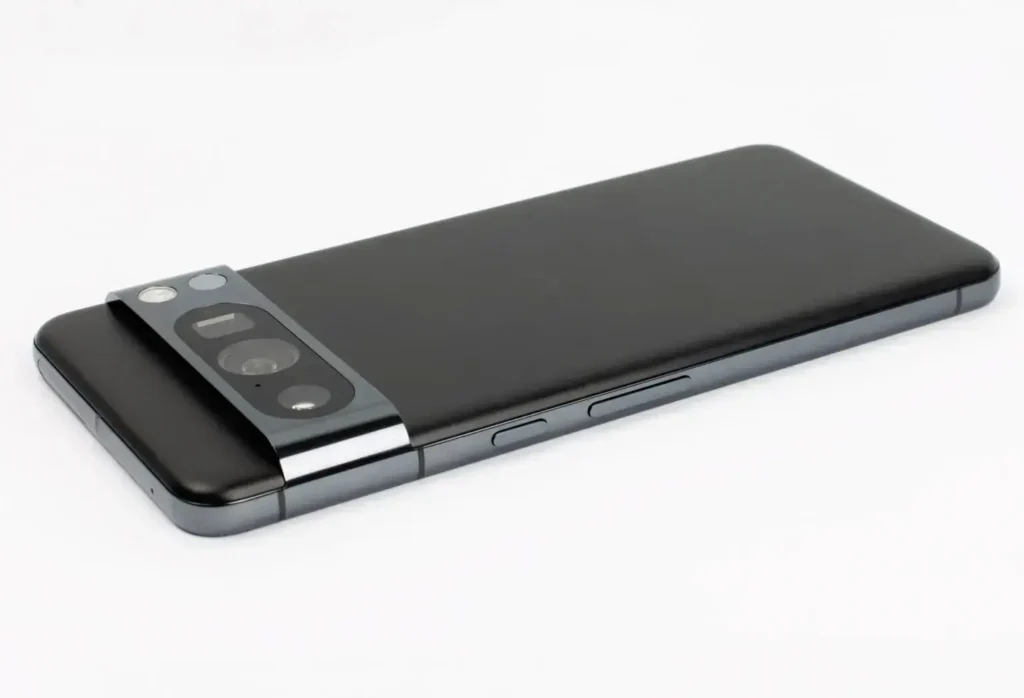
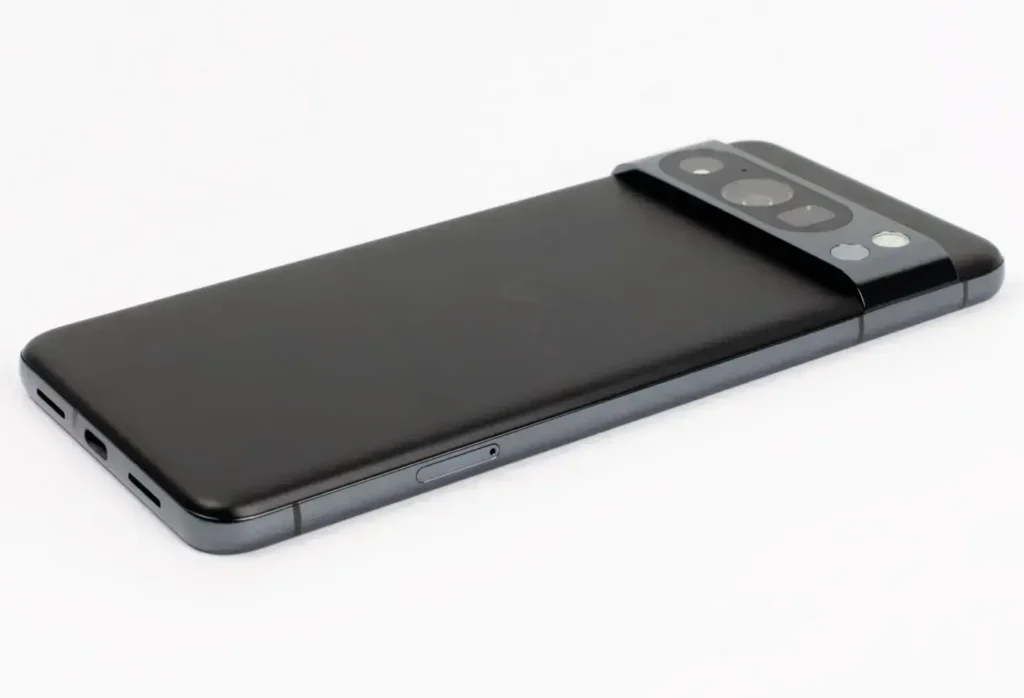
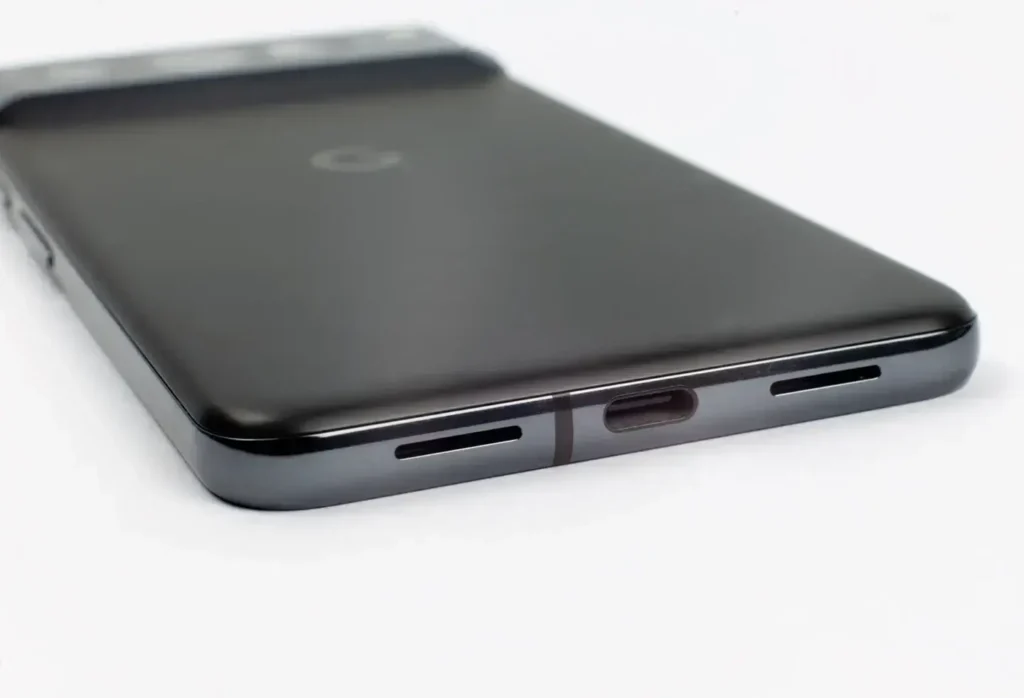
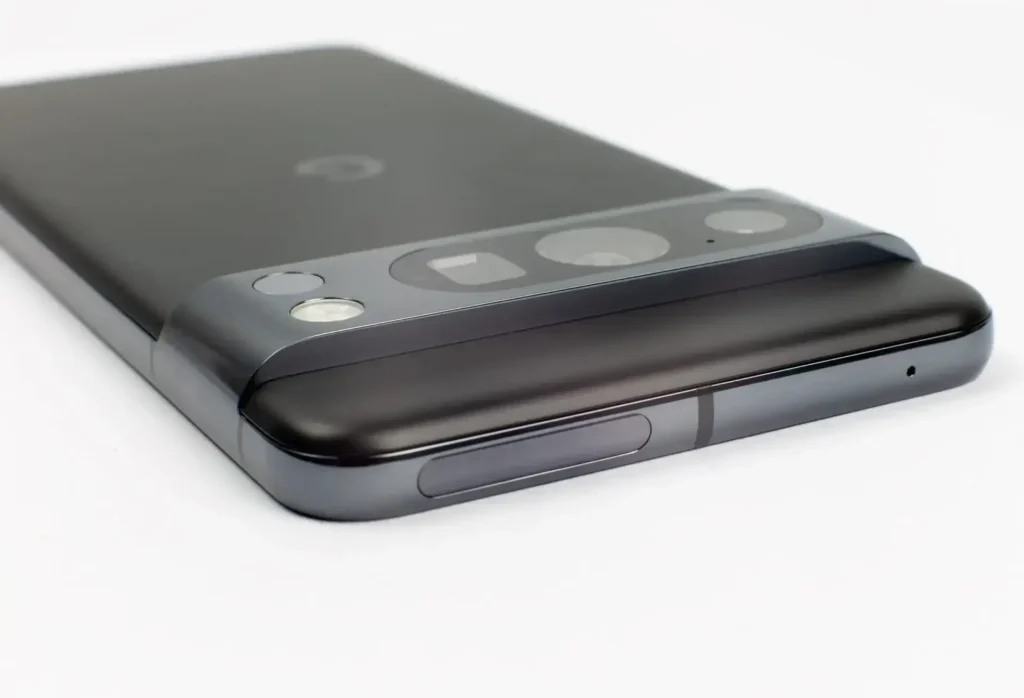
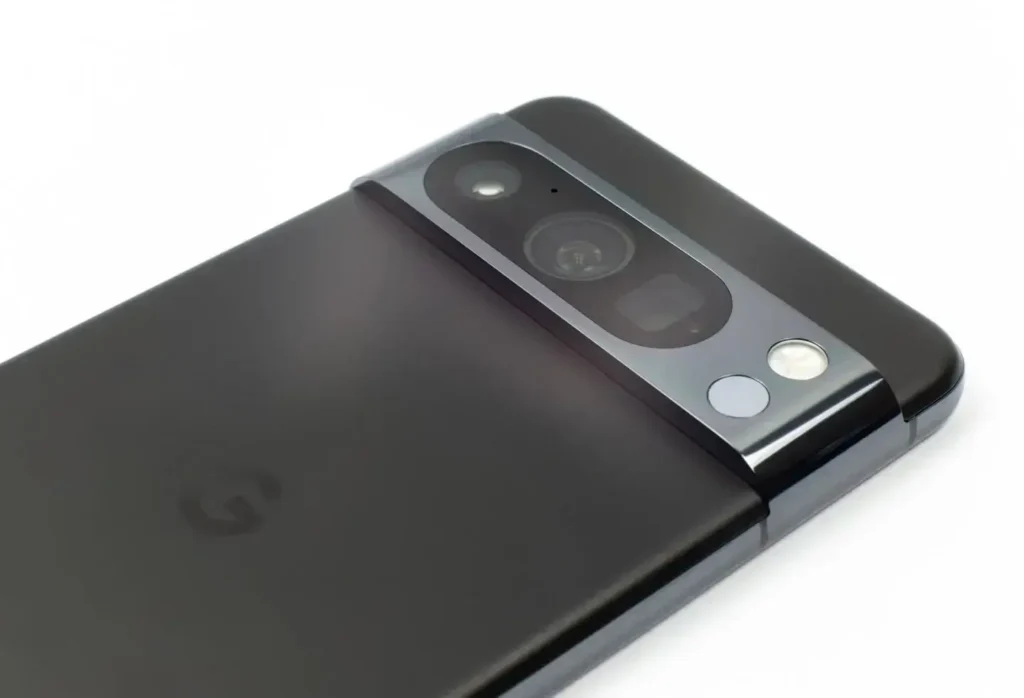
In a world where smartphones have become an indispensable part of our daily lives, the quest for the perfect device continues. The Google Pixel 8 and 8 Pro, the latest offerings from tech giant Google, aim to carve out a space in the fiercely competitive smartphone market with their array of remarkable features and a few noticeable drawbacks. Drawing insights from various expert reviews, this article will delve into the intricate details, assessing the pros and cons of the devices, and exploring whether they live up to the expectations set by their predecessors.
Unparalleled Software Support: A Future-Proof Investment
Pros: Longevity and Enhanced Security
One of the standout features of the Google Pixel 8 series is its commendable software support, offering 7 years of updates. This unprecedented move by Google not only ensures that the device stays relevant with the latest features and security updates but also underscores a commitment to reducing electronic waste, thereby contributing to sustainability. Users are assured of a device that will not only stand the test of time but also adapt and evolve, providing a future-proof user experience.
Cons: Initial Cost Implications
However, with longevity comes an upfront cost. The pricing of the Pixel 8 and 8 Pro is a notable increment from their predecessors, which might deter budget-conscious consumers. While the extended software support does provide long-term value, the initial investment is undoubtedly hefty, and users might be torn between opting for a premium current-gen device or exploring alternatives with a lower entry point.
New temperature measuring feature:
Google Pixel 8 Camera: Capturing Moments with Precision and Clarity
Pros: Superior Photographic Capabilities
The Pixel 8 Pro especially has been lauded for its camera capabilities, cementing Google’s reputation for delivering stellar photography experiences. With a more significant sensor, faster apertures across all camera modules, and enhanced computational photography, users can expect sharp, vibrant, and dynamically balanced photos across various lighting conditions. The advancements in the ultra-wide camera and the overall improved imaging department stand out prominently, offering photographers, both amateur and professional, a tool that captures moments with utmost precision and clarity.
Cons: Incremental Upgrades
However, critics argue that the upgrades, while noticeable, are incremental. Users of the Pixel 7 Pro might find the enhancements in the Pixel 8 Pro’s camera department subtle, especially if photography isn’t their paramount concern. The question looms: Is the camera upgrade compelling enough to warrant the transition from its predecessor, especially considering the price bump?
Here are some photos we found taken with Pixel 8 phones:
Design and Display: A Nod to Ergonomics and Aesthetics
Pros: Ergonomic Design and Display Quality
The flat display of the Pixel 8 Pro has been highlighted as a welcome move towards ergonomic and common-sense phone design. The absence of curved edges means reduced accidental touches, providing a more seamless and frustration-free user experience. The display quality, with its vibrant colors and sharp contrasts, enhances various user interactions, whether it be media consumption, gaming, or general usage.
Cons: Conservative Design Language
On the flip side, some might argue that the design language of the Pixel 8 series is somewhat conservative. In an era where smartphone manufacturers are exploring bold and innovative designs, the Pixel 8 and 8 Pro, while elegant, do not necessarily stand out in a crowded market in terms of aesthetic innovation.
Artificial Intelligence: Powering a Smart User Experience
Pros: Generative AI Features
The incorporation of generative AI features in the Pixel 8 series adds a layer of intelligent functionality that aims to enhance user experience across various facets of the device. These AI-driven features not only facilitate smarter interactions but also pave the way for a more intuitive and personalized user experience, learning, and adapting to the user’s habits and preferences over time.
Cons: Learning Curve and Privacy Concerns
However, the integration of AI also introduces a learning curve for users who might be new to such intelligent interactions. Additionally, concerns regarding data privacy and how the AI processes and learns from user interactions might be a point of contention, necessitating clear communication from Google about data handling and user privacy assurance.
Conclusion: Striking a Balance between Innovation and Practicality
The Google Pixel 8 and 8 Pro, with their array of features and a few drawbacks, present a compelling option for users seeking a blend of innovative technology and practical usability. The extended software support, enhanced camera capabilities, and intelligent AI features position these devices as noteworthy contenders in the premium smartphone market. However, the price point, incremental upgrades, and conservative design might give potential buyers pause, urging them to weigh these factors against the undeniable pros.
In the dynamic and ever-evolving smartphone landscape, the Pixel 8 series strikes a balance, offering users a glimpse into the future of mobile technology while maintaining a firm grip on the practicalities of present-day usage. Whether the devices are worth the investment largely depends on user priorities, making the Pixel 8 and 8 Pro excellent options for some, but perhaps not for all.
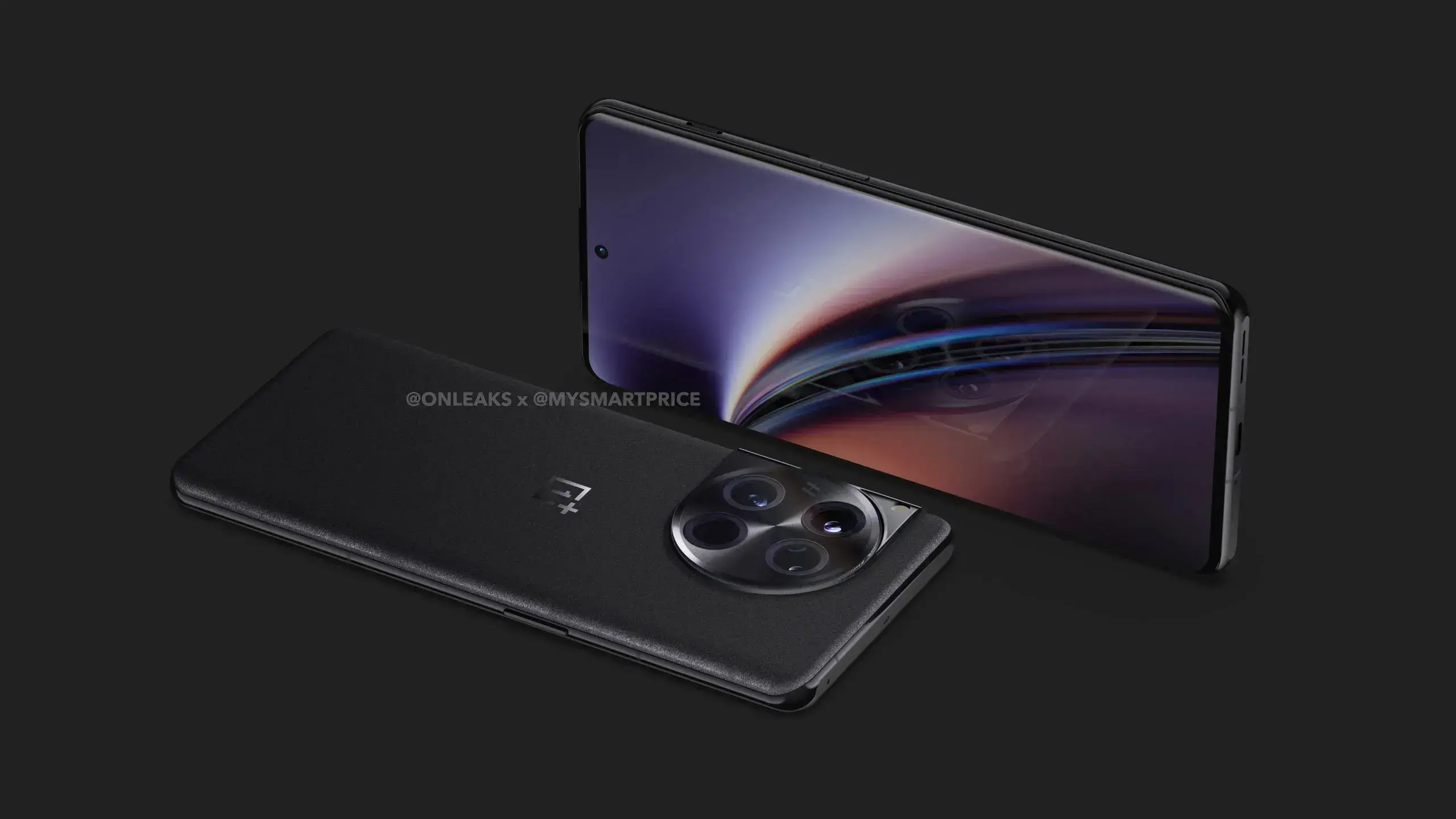
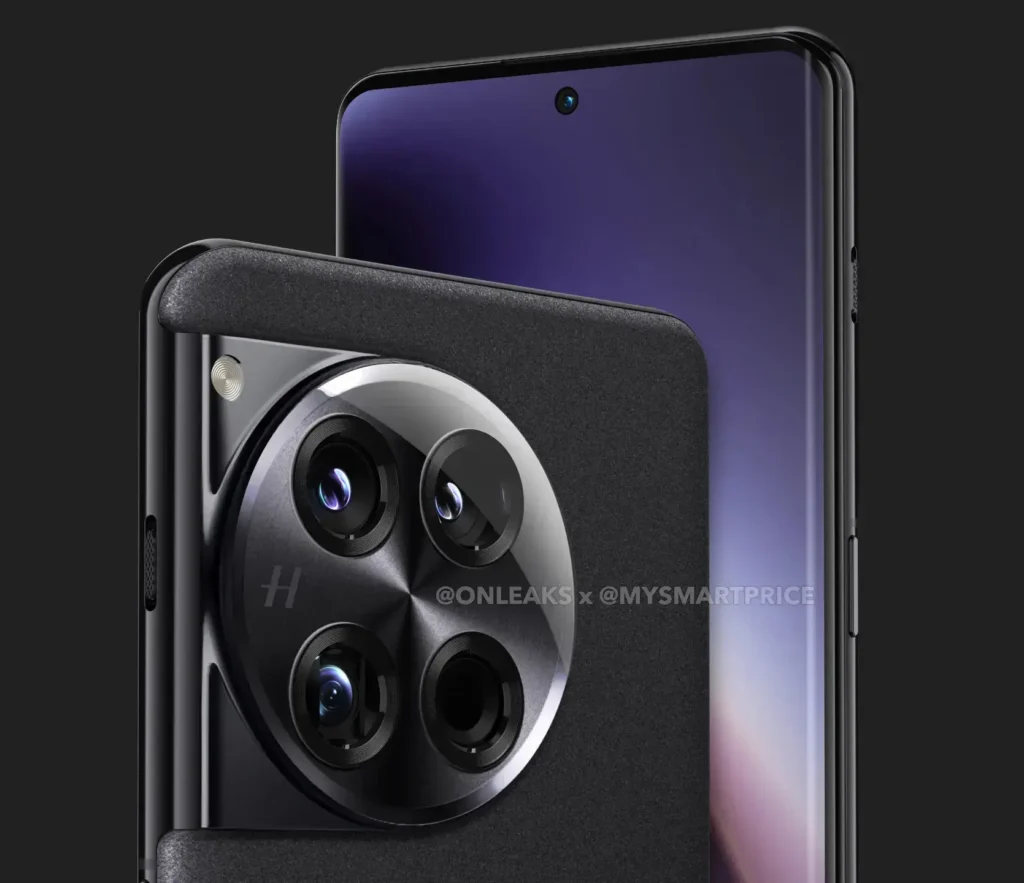
In the competitive world of smartphones, innovation is a constant. Companies vie for the spotlight, offering groundbreaking features to lure tech enthusiasts. A name that has consistently hit the mark is OnePlus. The upcoming OnePlus 12 is all set to continue this tradition, bringing a plethora of upgrades that are bound to excite the tech community.
Outstanding Display Enhancements
The OnePlus 12 comes with a display that pushes the boundaries. Leaks suggest a robust QHD+ resolution that promises crystal clear visuals. The display size is speculated to be a substantial 6.7 inches with LTPO technology ensuring a fluid 120Hz refresh rate. This feature not only makes scrolling smoother but also enhances the gaming experience. Furthermore, the device is expected to have an adaptive refresh rate, lowering it to save battery when higher refresh rates aren’t necessary.
Camera Upgrades: A Leap Forward
OnePlus is taking photography to new heights with the OnePlus 12. Rumors indicate the inclusion of a new Sony IMX966 sensor for the 64 MP telephoto lens, a significant upgrade ensuring sharper images even from a distance. The front-facing camera isn’t left behind; a 32 MP sensor is expected to cater to selfie enthusiasts, making sure every snapshot is worth sharing.
The camera setup also purportedly includes advanced features like a dedicated night mode for better low-light photography and an enhanced stabilization system for jitter-free videos. These upgrades aim to provide a professional photography experience to users.
Performance: The Heart of OnePlus 12
While much of the focus is on the display and camera, the OnePlus 12 is not shying away from providing a powerful performance. Though specifics about the processor and other internals remain under wraps, given OnePlus’s history, a top-tier chipset and ample RAM are expected. The device will ensure smooth multitasking and fast app loading times, living up to the expectations set by its predecessors.
With an exciting blend of groundbreaking display, camera, and performance features, the OnePlus 12 is shaping up to be a strong contender in the smartphone market. As tech aficionados await the official release, the leaked specifications have surely stirred the pot, making the OnePlus 12 one of the most anticipated smartphones of the year.
In a world where 3D printing is revolutionizing the manufacturing sector, Chromatic 3D Materials has introduced a groundbreaking material, ChromaMotive D65. This rigid Shore D thermoset polyurethane is meticulously designed for Reactive Extrusion Additive Manufacturing (RX-AM), leveraging the company’s RX-AM platform. The new material stands out for its remarkable performance across a spectrum of temperatures, ranging from -30°C to 120°C, making it a versatile choice for various industries123.
Unmatched Performance Across Temperature Extremes
ChromaMotive D65 is engineered to excel in extreme cold to elevated temperatures. This characteristic makes it an unparalleled material for winter sports equipment including ski boots, snowshoes, and snowmobile parts. The material doesn’t just stop at winter sports; its application extends to aerospace, automotive, and agriculture sectors where components often require operation in varying temperature environments123.
Superior Mechanical Properties
One of the salient features of ChromaMotive D65 is its mechanical performance that parallels injection-molded TPU, HDPE, and PP. Its high resistance to impact, hydrolysis, and abrasion, along with its ability to withstand repeated friction, wear, and tear, place it a notch above other materials in the market. Moreover, the isotropic tensile properties of ChromaMotive D65 ensure that the 3D-printed parts are uniformly resilient, making it a reliable material for manufacturers1243.
Expanding the Horizons of 3D Printing
With ChromaMotive D65, the realm of 3D printing expands further, enabling manufacturers to produce rigid plastic components swiftly. The RX-AM platform facilitates fast print speeds, and the versatility of ChromaMotive D65 allows printing on textiles, plastics, and metals. This propels 3D printing into a new era where rigid parts can be printed at industrial volumes for a myriad of applications, from winter recreational equipment to aircraft interiors23.
The unveiling of ChromaMotive D65 isn’t just a milestone for Chromatic 3D Materials, but a leap forward for the additive manufacturing industry. As Chromatic showcases components printed with ChromaMotive D65 at the International Elastomer Conference in Cleveland, Ohio, from October 16-19, the industry awaits with bated breath to witness the transformations this material will bring to the table3.
Chromatic’s venture into rigid 3D printing materials with ChromaMotive D65 highlights the continuous evolution in additive manufacturing, promising a future where the boundaries between traditional manufacturing and 3D printing blur, opening up a world of possibilities.
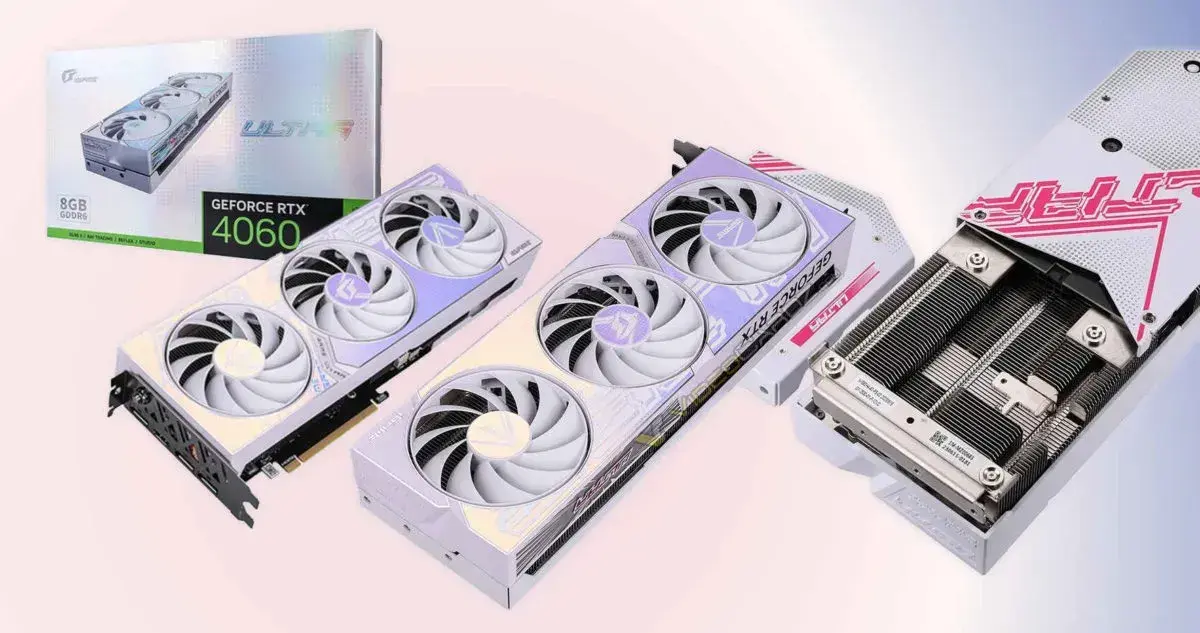
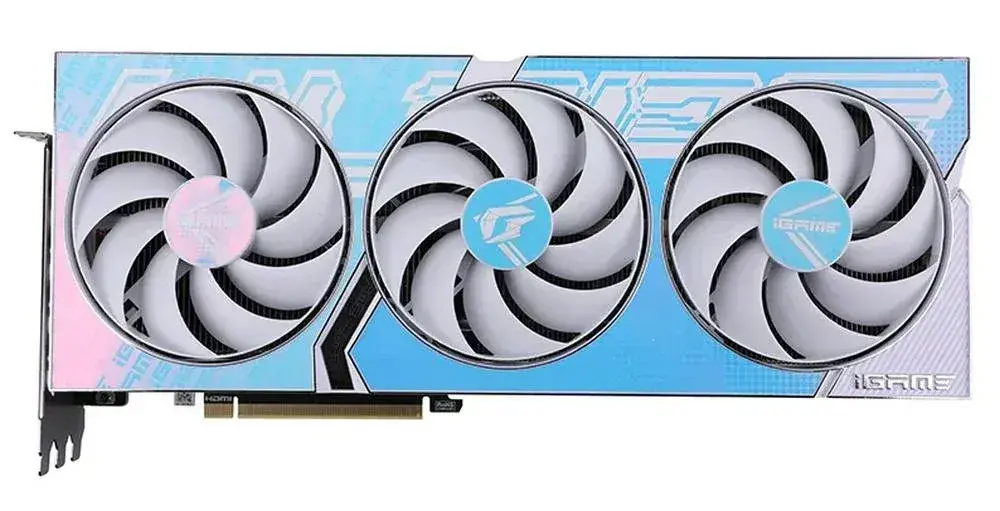
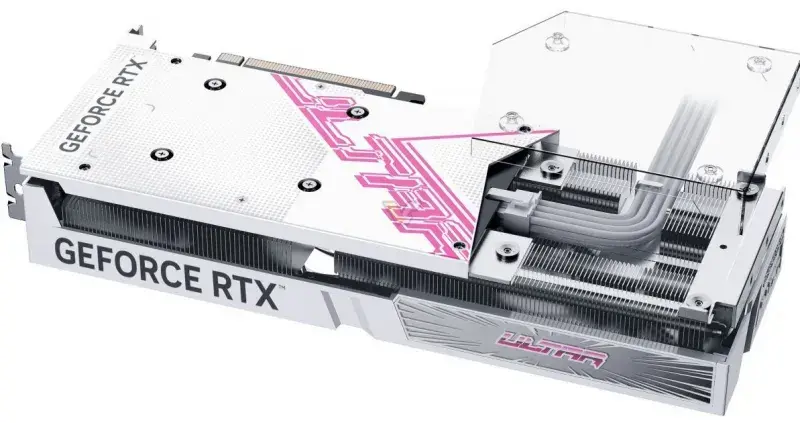
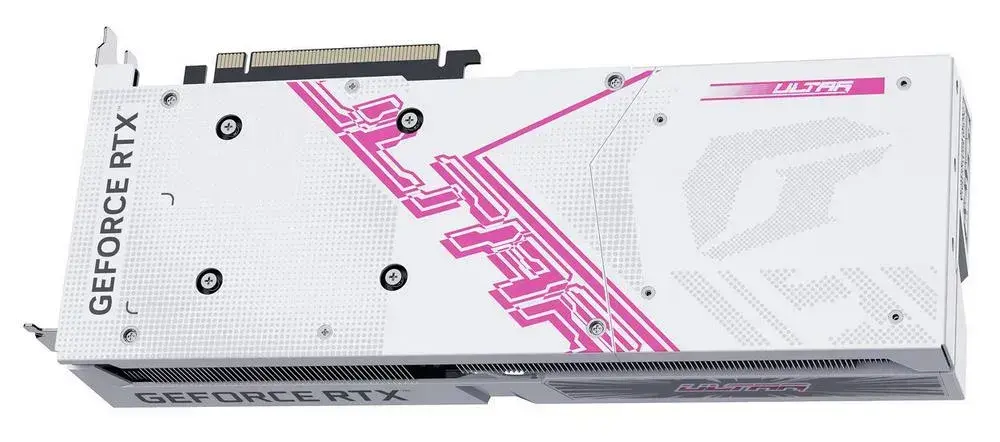
Colorful has extended its iGame Ultra Z series with the introduction of the GeForce RTX 4060 and RTX 4060 Ti models, following the earlier release of the RTX 4070 iGame Ultra Z variant. The hallmark feature of this series is the concealed power connector, which is neatly tucked beneath a metallic backplate, eliminating the usually visible cable clutter. This innovative design not only preserves the aesthetic appeal but also maintains a clean look inside the gaming rig, aligning with the modern trend of sleek and tidy setups123.
Hidden Power Connectors: A Sleek Innovation
The iGame Ultra Z series revolutionizes cable management with its hidden power connector design. The power connector, traditionally positioned on the side, has been ingeniously relocated underneath the backplate in the Ultra Z series. This backplate is securely held in place with magnets, granting easy access to the cable when needed. The cable is cleverly routed to the side facing the motherboard, achieving complete cable concealment. Moreover, the space allocated for the power cable is sufficient to allow it to bend at an acceptable angle, reducing the risk associated with cable bending and overheating12.
Performance and Specifications
The new additions to the iGame Ultra Z series, RTX 4060 and RTX 4060 Ti, come with factory overclocking, pushing the GPU to 2580 MHz, which is 1.8% and 4.9% above the reference value for the 4060 Ti and 4060 models respectively. This overclocking augments the performance, delivering better frame rates and smoother gameplay. Additionally, these models are outfitted with standard 8-pin power connectors, which are a tried-and-tested solution, ensuring reliable power delivery without the theoretical risk of overheating associated with higher wattage connectors. All models in the Ultra Z series share the same triple-fan cooling system, ensuring optimal thermal performance during intense gaming sessions2.
The Ultra Z series models have a unique PCB design and a modified cooling system that facilitates the hidden power cable feature. They all feature a triple-fan cooler design with dimensions measuring 31.3 x 18.9 cm, and the graphics cards vary in thickness (ranging between 48 and 50.5 mm) and weight (ranging between 0.98 and 1.12 kg), depending on the specific SKU. These variations allow gamers to choose a model that fits their specific needs and preferences, all while enjoying the sleek design and high performance that the iGame Ultra Z series offers12.
Although the RTX 4060 and 4060 Ti Ultra Z models are not yet available for purchase, they have been officially listed on Colorful’s website, signaling an imminent launch. As Colorful continues to innovate within the gaming hardware landscape, the iGame Ultra Z series stands as a testament to its commitment to delivering aesthetically pleasing and high-performance solutions to gamers.