Author: GizNews

  • Osmo Pocket 4 vs 3 Battery Life Comparison Shows Longer Recording Time

    Osmo Pocket 4 vs 3 Battery Life Comparison Shows Longer Recording Time

    Key Takeaway

    1. The DJI Osmo Pocket 4 offers significantly improved battery endurance, with up to 67% longer recording times compared to the Osmo Pocket 3.
    2. Despite only a modest increase in battery capacity, the Pocket 4’s more efficient processing architecture results in notable real-world gains.
    3. The enhanced battery life enables the Pocket 4 to function closer to a “full-day” camera, reducing dependence on external power solutions.

    Impressive Battery Improvements in DJI Osmo Pocket 4

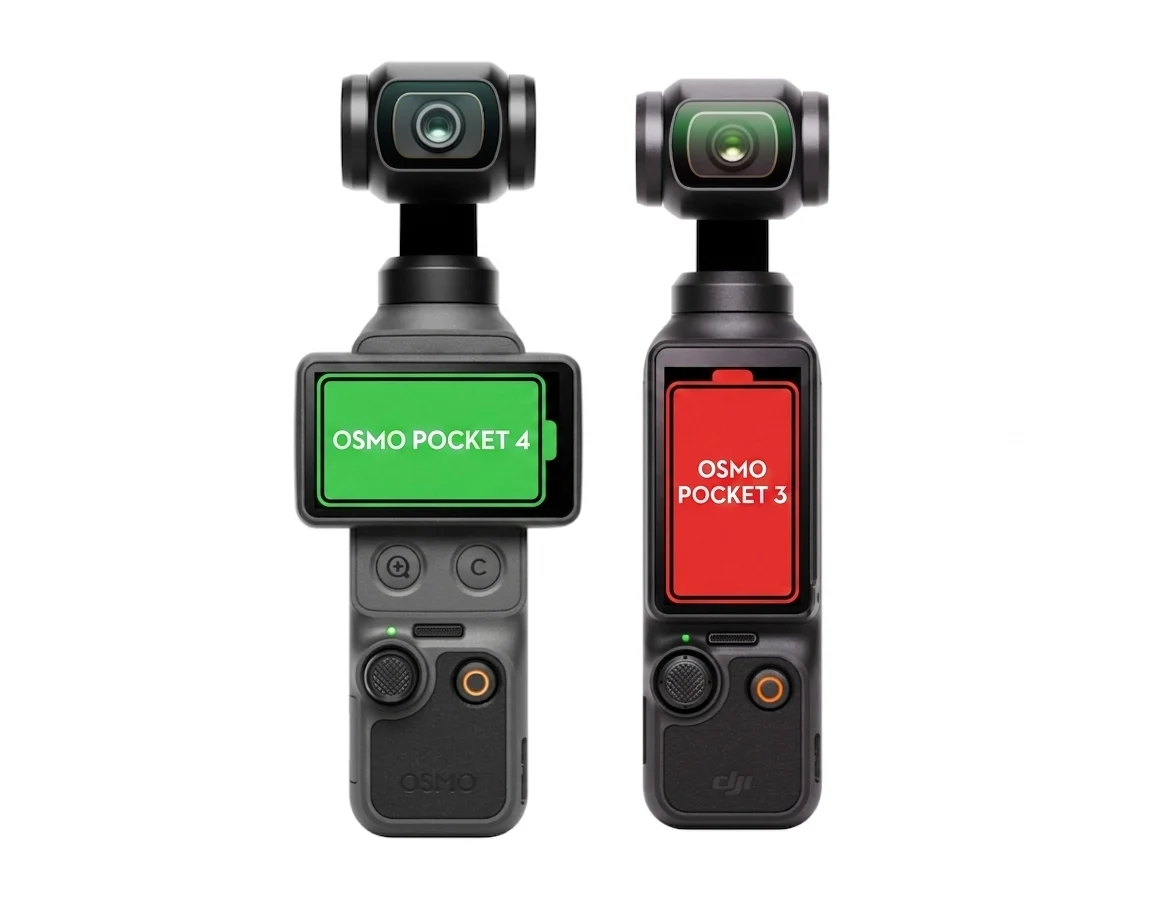
    The new DJI Osmo Pocket 4, although famous for its 4K/240fps slow-motion video and 14-stop dynamic range, has also brought a massive upgrade in battery life which many people overlook. Even though the internal battery’s capacity only increased a little, from 1,300 mAh to 1,545 mAh, the real life performance suggests its more efficient processing system is a big part of the reason why it last longer than older model. Curious by this, YouTuber MoutMedia did a comparison shot-by-shot between the two versions and was quite amazed by the result.

    Real-World Recording Time Surprises

    The test involved recording in high-resolution 4K at 30fps and 60fps, where the Osmo Pocket 4 showed remarkable endurance. In 4K/30fps mode, it managed a solid 3 hours and 24 minutes, which beats the Pocket 3’s 2 hours and 2 minutes by a lot — a 67% jump. And even at the more challenging 4K/60fps setting, the newer gadget kept going for 2 hours and 24 minutes, compared to the previous model’s 1 hour and 54 minutes (+26%). These tests reveal that the Pocket 4 isn’t just a tiny upgrade in battery capacity but also a smarter and more power-efficient device.

    Specs and Casual Shooting – Even Better

    According to DJI’s official specs, the improvements are even bigger when used in more casual, everyday situations. For example, recording in 1080p/24fps, the Pocket 4’s rated battery life is a staggering 4 hours, which is more than an hour longer than the Pocket 3’s 2 hours and 47 minutes. The big takeaway is that for typical vlogging or filming, this camera can handle a full day’s work without needing to be recharged often. Remember, factors like gimbal use, screen brightness, or adding a magnetic fill light can still influence the actual recording time some, but overall, it’s clearly a much more reliable all-day camera.

    Charging Speed and Practical Use

    The charging times stay pretty similar between models, with both reaching 80% in 16-18 minutes and a full charge in about 32 minutes when plugged into a 65W Power Delivery charger. This means you can quickly top it off during short breaks, making it very practical for busy shooting days. All in all, the Osmo Pocket 4 is shaping to be a very capable and efficient upgrade for creators looking for longer recording sessions and less dependency on external batteries or accessories.
    Sources
  • Upcoming Xiaomi Premium Tablet Leak Reveals Features Before Launch

    Upcoming Xiaomi Premium Tablet Leak Reveals Features Before Launch

    Key Takeaway

    1. Redmi K Pad 2 features an 8.8-inch 3K LCD display with a 165Hz refresh rate and a 16:10 aspect ratio.
    2. Powered by MediaTek Dimensity 9500 chipset with a 9,100mAh battery and 67W fast charging.
    3. Equipped with advanced cooling, dual X-axis haptic motors, Bose-tuned dual speakers, and a side-mounted fingerprint scanner.

    Upcoming Xiaomi Redmi K Pad 2 Launch

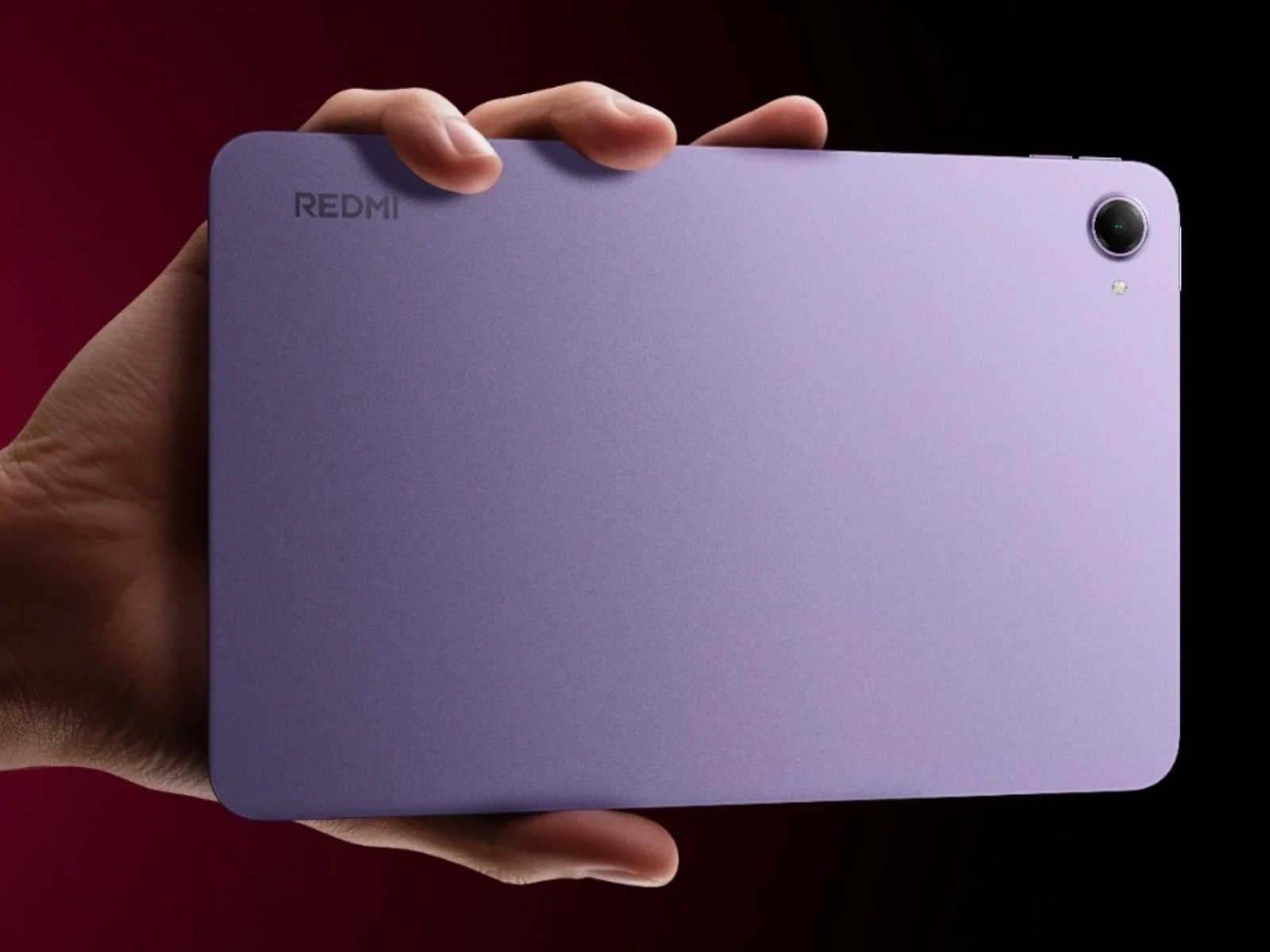
    The Redmi K Pad 2 is about to hit the market on April 21 in China, bringing a elegant mix of performance and style in a compact device. The company has already thrown out some sneak peeks about this high-end tablet, and a well-known tipster has dropped even more details. It looks like this device is set to attract fans who are looking for a sleek design with powerful specs. The anticipation for its launch is definitely heating up among tech lovers, eager to see what Xiaomi will provide in this release.

    Design and Display Details

    The leak on Weibo, from a trusted source known as Digital Chat Station, reveals that the Redmi K Pad 2 has a solid 8.8-inch LCD screen. The display is set to boast an impressive 3K resolution with a 165Hz refresh rate, ensuring smooth visuals whether gaming or watching movies. Its aspect ratio of 16:10 makes it perfect for multimedia. Comparing that to the Oppo Pad Mini, which also sports an 8.8-inch screen but with a 3:2 ratio, shows Xiaomi’s focus on a balanced viewing experience.

    Performance and Additional Features

    This tablet packs a punch with a MediaTek Dimensity 9500 chipset, promising powerful processing power. Battery life is expected to be substantial with a 9,100mAh capacity, suitable for long daily use. It will support 67W fast charging, so topping it up will be quick and easy. Cooling, a crucial factor for sustained performance, is managed by an advanced vapor chamber system measuring 15,300mm². For an added immersive experience, the device will include dual X-axis haptic motors and a Bose-tuned dual speaker setup, which should deliver clear, rich sound.

    Design Options and Launch Details

    The Redmi K Pad 2 will come in three eye-catching colors: Electric Purple, Space Silver, and Deep Black. This variety gives users the option to choose a look that fits their personality. Alongside this, Xiaomi is also launching the Redmi Pad 2 SE, a more budget-friendly alternative for those who want the brand’s quality without the higher price tag. The device is set to debut soon, creating quite a buzz among enthusiasts eager to get their hands on this sleek new gadget.


    Sources

  • Sony Xperia 1 VIII Renders Leak with Rumored 48MP Triple Camera

    Sony Xperia 1 VIII Renders Leak with Rumored 48MP Triple Camera

    Key Takeaway

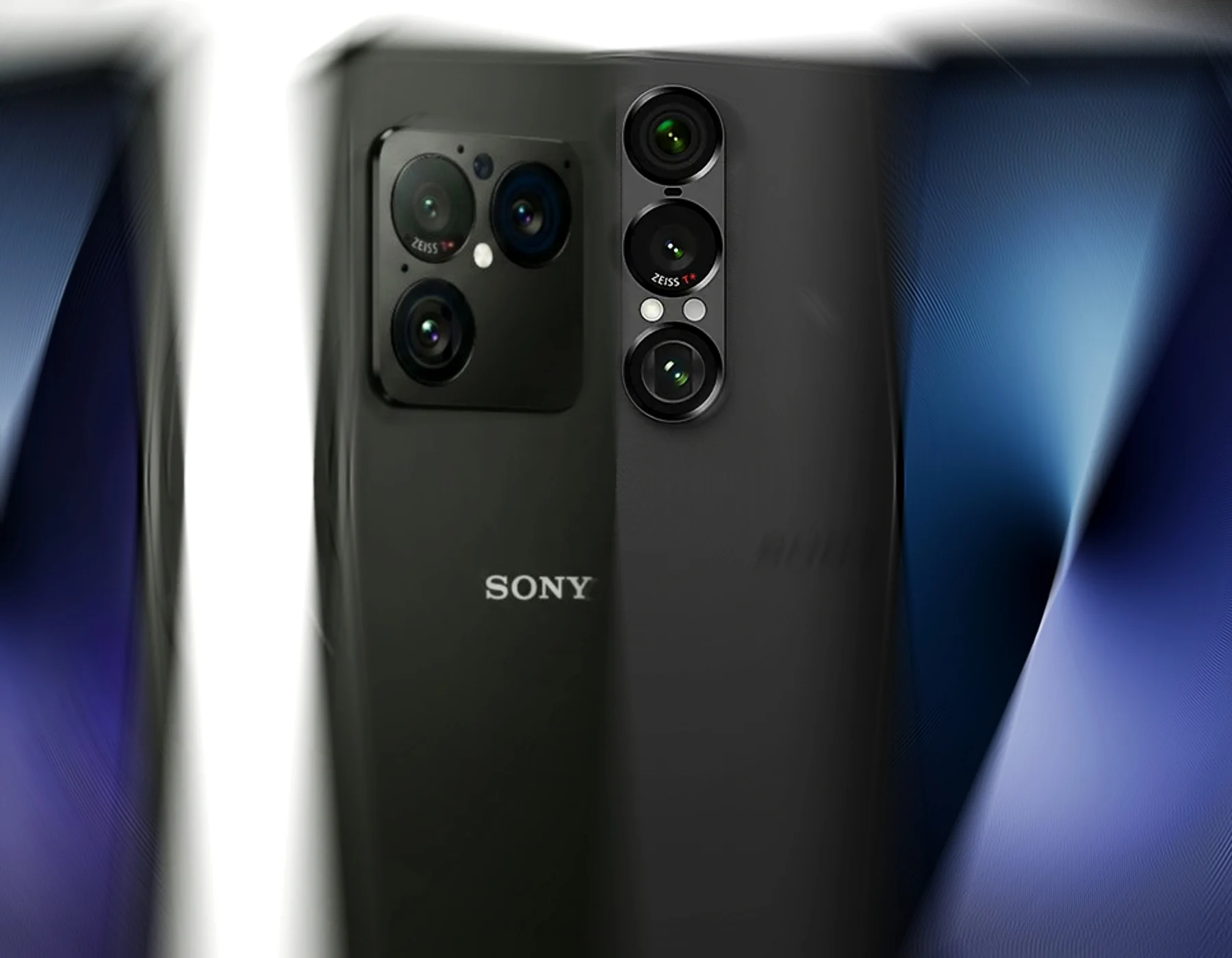
    1. The Sony Xperia 1 VIII is expected to debut in May with a significant visual redesign, replacing the narrow camera strip with a square-ish camera island.
    2. It is rumored to feature a triple 48MP camera system, similar to the iPhone 17 Pro, enhancing its photographic capabilities.
    3. Sony appears to retain its signature features such as the microSD card slot and 3.5mm headphone jack, appealing to its loyal professional user base.

    Upcoming Sony Xperia 1 VIII Details

    Sony’s soon-to-be-released flagship, the Xperia 1 VIII, is grabbing attention with lots of rumours and leaks floating around. Rumors suggest this model is set to be unveiled in May, and it might be getting a major look change, which is quite exciting. Fans are hopeful for a design refresh that could make the phone stand out more.

    Design Changes and Camera Features

    Leaked images seem to show that Sony is moving away from the old sleek, narrow camera strip, which was seen since the first Xperia 1 in 2019. Instead, it’s said to feature a bigger, more blocky square camera module. This has been met with mixed feelings, with some social media fans feeling that Sony’s unique style is fading away in favor of a more generic look. The phone’s exterior seems to be heading in a more mainstream direction.

    Camera System and Important Ports

    The core upgrade rumored for this device is a triple 48MP camera system, similar to what the iPhone 17 Pro offers. The Xperia 1 VII used a 48MP Exmor T sensor for main and ultra-wide shots, but still kept a 12MP zoom. With the new model, Sony might be stepping up its game to include the full 48MP array on all lenses. Despite the visual changes, Sony is supposedly keeping its traditional ports, like the microSD slot and the 3.5mm headphone jack. While some may think these features are not that necessary nowadays, they are still very important to a certain group of loyal users who value professional-grade hardware options.


    Sources

  • Casio F-B100W Leak Reveals Bluetooth & Step Tracker in Classic Case

    Casio F-B100W Leak Reveals Bluetooth & Step Tracker in Classic Case

    Key Takeaway

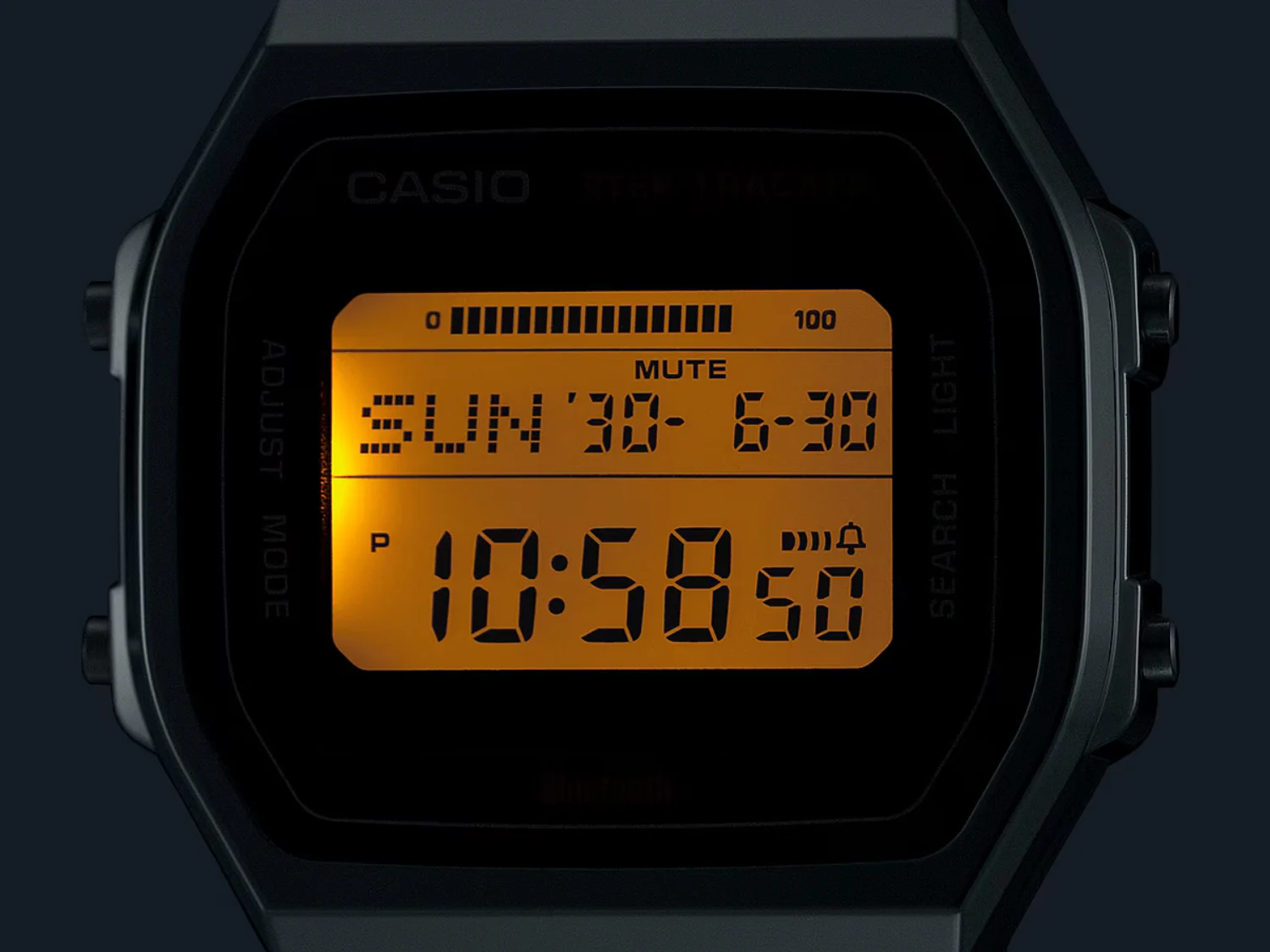
    1. Casio is preparing a modernized version of its classic F-100 with Bluetooth connectivity and smart features, expected to retain its vintage design.
    2. The new model, F-B100W-1A, will likely include a step tracker and smartphone syncing via the Casio Watches app.
    3. It will feature a compact case (~41.6 x 37.9 x 8.2 mm), a LED backlight, and familiar four-button layout, with an estimated retail price of $70-$100.

    New Casio Model with Retro Style and Modern Tech

    The famous watch brand Casio is apparently gearing up to give its classic F-100 a fresh look with some modern upgrades. Recent filings from Asian registration offices have spotted a new model, called the F-B100W-1A, which looks like a clear indication of the company’s plans. Interestingly, Casio recently introduced the ABL-100 series, blending smart features with its vintage metal design. Since the original F-100 was launched back in 1978, it holds a significant place as the first Casio watch with a full plastic case, inspiring models like the popular F-91W (which sells for about $24 on Amazon).

    Bluetooth Connectivity & Fitness Features

    One major change expected in the new model is the addition of Bluetooth technology, as suggested by the “B” in its name. This means users will probably be able to sync their watch with smartphones through the Casio Watches app, making it more connected than ever. Like the ABL-100, this new watch might feature a step tracker and a dedicated progress bar that you can see on the LCD screen. The watch’s case is expected to be smaller and more compact, with dimensions around 41.6 x 37.9 x 8.2 mm, according to reports from Casioblog.

    Design and Power Source

    Even though the watch’s exterior will keep that unmistakably retro vibe, the internal components are likely to be similar to those found in the ABL-100 series. A very low-resolution leaked image shows the classic four-button layout on the case, which is similar to the original 1978 design. Unlike some of Casio’s higher-end G-Shock watches, the F-B100W might stick with a traditional two-year battery instead of using Tough Solar power. Basic digital features such as a stopwatch, daily alarm, calendar, and LED backlight are expected to be included. The price range will probably be between $70 and $100, though Casio has not officially confirmed the release, which is expected around summer 2026.

    Sources
  • Upcoming Casio Watch with Adjustable Metal Strap Launching Soon

    Upcoming Casio Watch with Adjustable Metal Strap Launching Soon

    Key Takeaway

    1. The Casio Vintage A159WE-1 is a new model with a design similar to the older A159WA-N1, featuring a silver square face and colorful accents.
    2. It has key features like a digital display with 12/24-hour formats, a stopwatch, alarm, LED backlight, and estimated seven-year battery life.
    3. The watch is splash-proof, with a stainless steel bracelet that is adjustable, and may have slight design differences such as display color and bracelet links.
    4. It will retail around €49.90 in several European countries and is expected to be released soon, with a possible launch in France by May 2026.

    Classic Design with Modern Features

    The Casio Vintage A159WE-1 watch is a new take on an iconic design with a throwback vibe. It’s based on the classic A159W from 1989 but with some updates, giving it a timeless look with a splash of color. The watch’s square shape and silver detailing are quite stylish, making it suitable for everyday wear or even casual outings. The build feels solid despite being lightweight, and the resin casing’s dimensions of 36.8 x 33.2 x 8.5 mm make it comfortable on the wrist. Although Casio claims it’s “new,” it really closely resembles the older A159WA-N1, with just minor cosmetic differences that aren’t officially confirmed.

    Features and Functionality

    This watch boasts several practical features, making it a functional gadget as well as a cool accessory. It offers both 12 and 24-hour formats, with a timekeeping accuracy of roughly 30 seconds per month. The digital display includes a stopwatch with 1/100th second precision, daily alarm, and hourly chimes. Plus, it has an LED backlight which helps you read the time in the dark. The automatic calendar is handy, and the watch’s battery life is estimated to last about seven years, so no frequent replacements needed. All these features are packed into a device that doesn’t weigh much or look overly complicated.

    Design Details and Color Options

    When you look at the images, one noticeable difference is the display’s color—the newer A159WE-1 seems to have a warmer hue compared to the older A159WA-N1. Additionally, the bracelet design appears slightly different, showing a wider, more rounded central link, which might improve comfort and aesthetics. Still, Casio hasn’t officially confirmed if these are genuine changes or just marketing visuals. The overall style remains retro but updated, making it appealing for retro fans and new buyers alike.

    Availability and Pricing

    This model will be available in several European countries such as the Netherlands, Spain, and Germany. The retail price is set at €49.90, which makes it quite an affordable choice for a vintage-inspired digital watch. It’s not yet available, but Casio indicates it will be “coming soon.” There’s no exact launch date announced yet, but sites like French retailer David et Philly expect it to hit the shelves in May 2026. Interested buyers can sign up for email notifications by clicking the “coming soon” button on the official product page once it’s live. This wait might be worth it for those who cherish a mix of nostalgia and practicality in their wristwatches.

    Sources
  • Rocknix Adds Official Steam Support for Android Handheld Devices

    Rocknix Adds Official Steam Support for Android Handheld Devices

    Key Takeaway

    1. Rocknix now supports Steam, allowing playback of Linux and PC games via Proton.
    2. Support is limited to certain Qualcomm-based devices, excluding newer models like AYN Odin 3 and Konkr Pocket Fit Elite.
    3. Steam support is available in Nightly builds and is expected to improve over time.
    4. Installing the OS on internal memory enhances game and Steam performance.
    5. Compatibility issues may arise with RTX, DirectX 12 games, and requiring specific launch arguments for some titles.

    Steam Support Comes to Rocknix

    The folks who made Rocknix, a Linux based OS mainly for old-school gaming handhelds, just announced that now the OS can run Steam. This is pretty cool because it means gamers can access a wide variety of Linux and PC games through Proton, making it more versatile for gaming on handhelds.

    Device Compatibility and Limitations

    Right now, support is with Qualcomm powered handhelds only. The current compatible models include some from brands like AYN, Ayaneo, and Retroid. Sadly, newer gadgets with Snapdragon 8 Elite or Dragonwing Q8, like the AYN Odin 3 and Konkr Pocket Fit Elite, are not on the list yet. The supported devices are listed on official sources for those interested.

    Usage Tips and Known Issues

    Since Steam support on Rocknix is only accessible through the Nightly builds, expect some bugs at first, but hopefully those will get fixed in future updates. Rocknix also suggests installing the OS directly onto the device’s internal memory because it makes Steam start faster, and game installs and launches quicker too.

    Game Compatibility and Launch Settings

    About games compatibility, it is said that some with RTX features might not run smoothly. Also, certain DirectX 12 games that refuse to boot may need a special launch argument to get running. Helldivers 2 also needs a specific launch argument, while titles like Counter-Strike 2 require users to enable DRM and Vulkan support along with Wayland client libraries in EmulationStation’s advanced options. More detailed instructions on how to set up Steam in Rocknix can be found in the original source.

    Sources
  • Microsoft Announces New BitLocker Bug in Latest Windows and Server Updates

    Microsoft Announces New BitLocker Bug in Latest Windows and Server Updates

    Key Takeaway

    1. The April 2026 update (KB5082063) causes BitLocker recovery prompts on some Windows Server 2025 and Windows 11 devices when specific enterprise configurations are present.
    2. The issue is limited to devices with particular Group Policy and Secure Boot settings, primarily affecting enterprise-managed systems.
    3. Microsoft recommends pre-emptively removing the PCR7 Group Policy setting before updating and provides workarounds, including a Known Issue Rollback (KIR).
    4. A permanent fix is in development, and despite the issue, Microsoft advises not to skip the update due to the security vulnerabilities it addresses.

    Important Update for Windows Server 2025 Users

    On April 15, 2026, Microsoft officially acknowledged a problem affecting certain Windows Server 2025 machines. After installing the recent security update KB5082063, these servers might automatically switch to BitLocker recovery mode. This switch causes the system to ask for a special recovery key during the first reboot. The same problem also affects some Windows 11 devices with updates KB5083769 and KB5082052, and it only happens under specific conditions.

    What Causes the Issue?

    This is a complicated bug that mostly happens on enterprise systems, not typical personal machines. It essentialy requires all five of these conditions to be true: BitLocker encryption is active on the drive, the Group Policy setting for TPM validation includes PCR7, the system info reports that Secure Boot State PCR7 Binding is “Not Possible,” the Windows UEFI CA 2023 certificate is present, and the device isn’t already using the 2023-signed Windows Boot Manager. When all these are met, the system may forcibly prompt for a recovery key upon reboot, which is a disruption for admins and users. Usually, after the initial reboot, no further prompts will occur unless Policy changes happen again.”

    Microsoft’s Recommendations and Workarounds

    To avoid this problem, system administrators are advised to disable the PCR7 Group Policy before installing the update. They should also double-check if BitLocker is using the PCR7 profile, which is necessary to ensure proper operation. For those unable to do this prior to the update, Microsoft has provided a workaround called the Known Issue Rollback (KIR). This tool can prevent automatic switches to the 2023 Boot Manager and stop the recovery prompt from emerging. It’s available through business support channels, and Microsoft is working on a permanent fix that will be included in future updates.

    Additional Problems and Microsoft’s Stance

    • The update has caused failures during installation on some servers, marked by error code 800F0983. Microsoft said they are investigating this issue.
    • This isn’t the first time such an issue has happened. In past years, similar BitLocker prompts appeared after Patch Tuesday updates, including in August 2022, July 2024, and May 2025 on various Windows versions.
    • Despite these issues, Microsoft recommends that admins still deploy the April 2026 update because it fixes 167 vulnerabilities, including two zero-day exploits that were being actively abused before the patch was released.

    In conclusion, while the update brings essential security fixes, the BitLocker recovery bug requires careful attention. Admins should follow Microsoft’s guidance for workarounds and stay tuned for a future complete fix in upcoming Windows updates.

    Sources
  • Nintendo Switch now supports Steam with latest Proton beta update

    Nintendo Switch now supports Steam with latest Proton beta update

    Key Takeaway

    1. Proton 11.0-Beta 1 introduces ARM64 support, enabling running Steam on devices like the Nintendo Switch and newer ARM-based handhelds.
    2. The update includes FEX-2604 for ARM64EC, though older kernels, such as on the first-gen Switch, limit its effectiveness for gaming.
    3. Valve primarily released this beta to support the upcoming Steam Deck-style device, Steam Frame, with improved compatibility and certification for select titles.

    Proton 11.0-Beta 1: New ARM64 Support For Steaming on Multiple Devices

    There is a fresh Proton update, and even tho Valve made it as a beta, it has some major changes. This version, labeled 11.0-Beta 1, has added ARM64 support, which’s a big deal for folks wanting to run Steam on ARM devices like the Nintendo Switch 1. And, already, a modder has shown that you can get Steam working on this dated handheld gaming device. Pretty cool, huh?

    Running Windows Games On Switch Gets Easier

    While folks have already been trying to run Windows games on the first-gen Switch, this beta makes it alot easier to do. A user known as @aagaming.me on BlueSky haven’t tried playing Windows games just yet, but they’ve demonstrated that the Steam Linux ARM64 beta works smooth on the old Switch (costs about $213.49 refurnished on Amazon). This’s promising for those wanna play on the small device.

    Technical Details & Limitations

    The update includes features like FEX-2604 meant for ARM64EC builds, but the first-gen Switch has an outdated kernel that’s not compatible. So, modders may need to wait longer for the mainline kernel updates before they see a big change in gaming performance. It’s a step forward, but still some hurdles for now.

    Broader Impact for Handhelds & New Devices

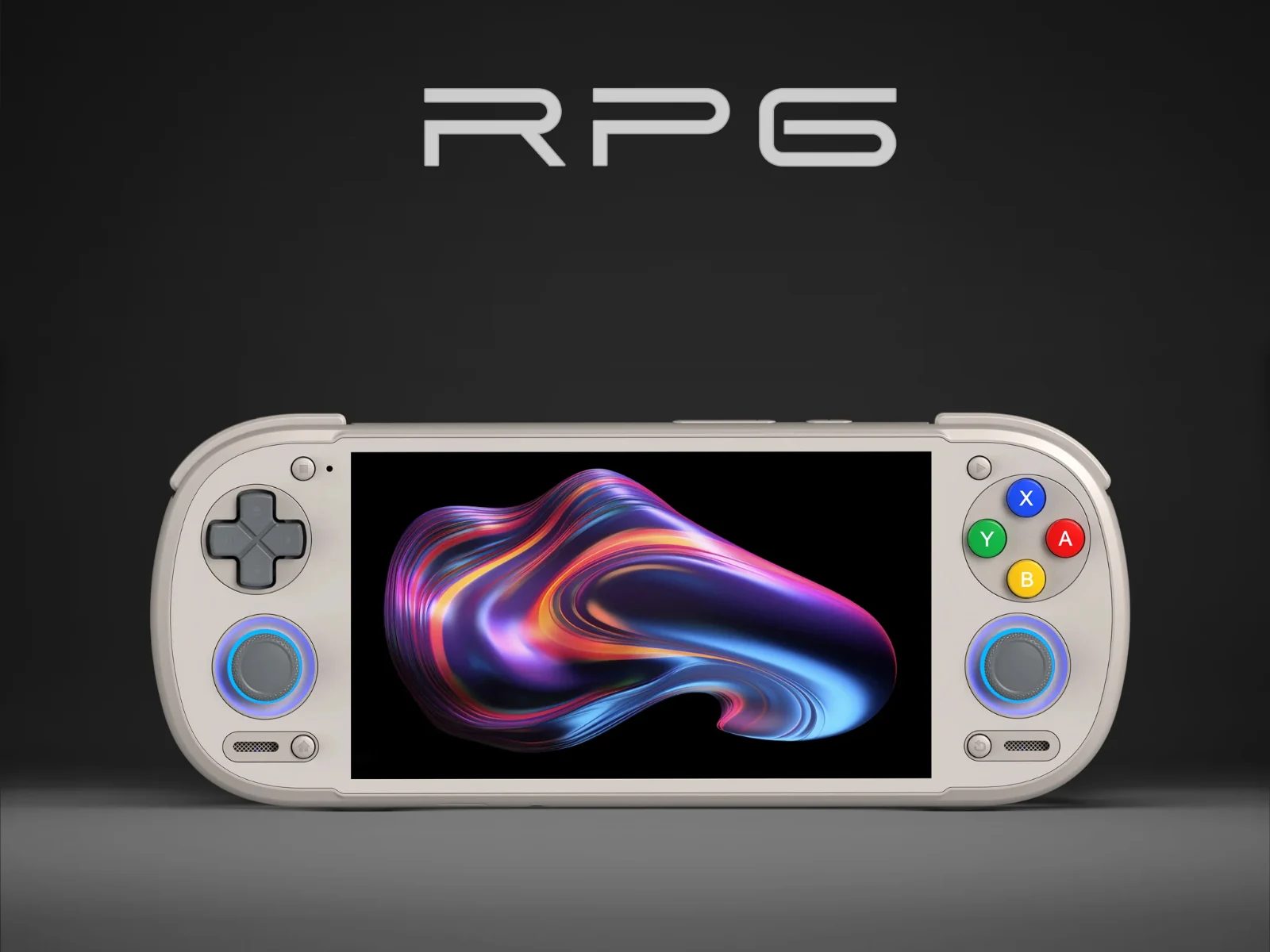
    And it’s not just the Switch – newer ARM handhelds like the Retroid Pocket 6 could benefit from this too. @aagaming.me shared a version of Proton ARM & Steamrt ARM, which can be used with Compatibilitytools.d to run games within the Steam beta client. This could be a huge upgrade compared to other apps like GameHub or GameNative, offering more seamless gaming experience on ARM devices.

    Valve’s Focus on The Steam Frame & Compatibility Enhancements

    This upgrade mainly seems targeted at the upcoming Steam Frame, a new gaming headset with Snapdragon 8 Gen 3 inside. It’s supposed to work independently as a gaming device and run lots of games with these new compatibility layers. Not just for handhelds anymore, Valve aims to expand ARM support across different platforms.

    Playable Titles & Bug Fixes

    The beta also marks some titles as playable—like Resident Evil 2, Resident Evil, and Warhammer: Vermintide 2. Plus, Valve included various bug fixes, details for which you can check on their Proton GitHub release notes. Overall, these updates hint at a brighter future for Linux gaming on ARM devices, although some limitations still remain for certain hardware.

    Sources
  • Xiaomi Unveils Redmi Laptop Line with Better Displays Than MacBook Neo

    Xiaomi Unveils Redmi Laptop Line with Better Displays Than MacBook Neo

    Key Takeaway

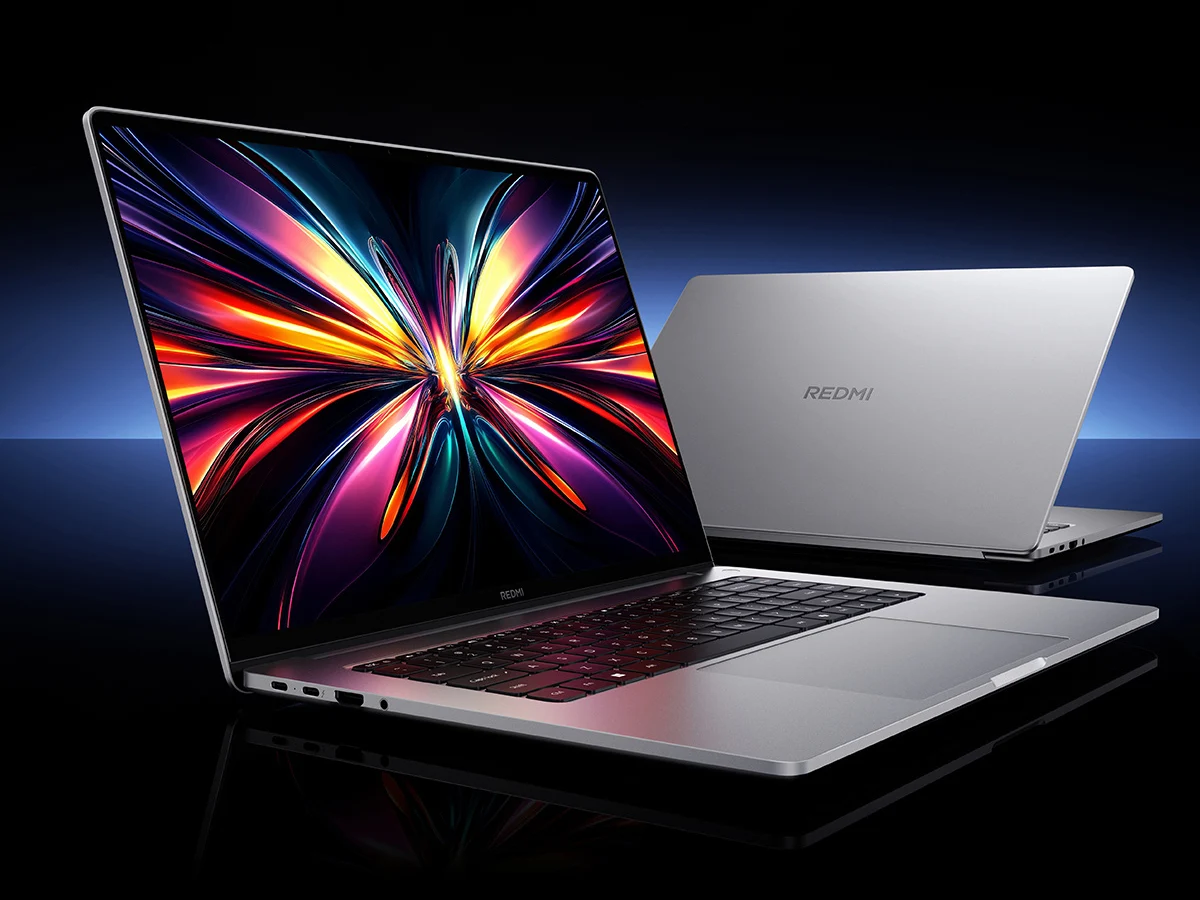
    1. The Redmi Book 14 2026 and Redmi Book 16 2026 feature higher-spec displays than the MacBook Neo, with the 14-inch model offering a 120Hz refresh rate, 1800p resolution, and 500 nits brightness.
    2. Both laptops are powered by the Intel Core Ultra 5 125H processor with up to 16GB LPDDR5X RAM and 1TB PCIe 4.0 storage.
    3. Despite the size difference, both models have an 80Wh battery and are priced competitively below the Xiaomi Book Pro 2026 line, starting at around $800 to $835.

    New Xiaomi Redmi Book 2026 Models Released

    So Xiaomi just released two new laptops under their Redmi Book 2026 series, right? Like, the main diffence is the size of the screens, and both have better displays than the MacBook Neo, which only has a 60Hz IPS panel. That’s kinda cool, because we expect better visuals now.

    Display Configurations

    The Redmi Book 14 2026 features a 14-inch screen with a 120Hz refresh rate, which is pretty nice for smooth scrolling and fast motion. The resolution is up to 1800p, with a 16:10 aspect ratio that provides more vertical space, and an impressive brightness of 500 nits. It also covers 100% of sRGB, so colours should look accurate, plus it has full DC dimming, making it easy for extended use without flickering issues.

    Size & Power Specs

    The larger Redmi Book 16 2026 comes with a 16-inch display, also sporting the same 120Hz refresh rate. Its resolution’s a tad lower, at 1600p, and it has a 400-nit brightness. That makes it slightly less sharp and less suitable under strong sunlight. Both laptops are powered by the same processor, the Intel Core Ultra 5 125H, which is kinda mid-range from the Meteor Lake lineup. Honestly, a newer processor would have been a better choice; maybe Panther Lake or Lunar Lake would be more suitable upgrades.

    Performance & Design

    • Memory: Both models up to 16GB of LPDDR5X RAM at 7,467MT/s.
    • Storage: Up to 1TB PCIe 4.0 SSDs available for pre-configured options.
    • Battery: Despite the size difference, both keep an 80Wh battery, which is kinda odd, considering the larger model’s size.
    • Charger: Both come with a 100W GaN charger for fast recharging.

    Physical Dimensions & Pricing

    The Redmi Book 14 measures 312mm wide and weighs about 3.28 pounds, making it quite portable. Meanwhile, the 16-inch version is wider at nearly 355mm and weighs around 4.1 pounds. As for the pricing, the 14-inch starts at CNY 5,499 (around $806), and the 16-inch begins at CNY 5,699 (roughly $835). These prices are definitely less than the Xiaomi Book Pro 2026 series, which costs over $1,500 for some configurations.


    Sources

  • Plaion NeoGeo AES+ Console: Modern Replica of the Classic SNK System

    Plaion NeoGeo AES+ Console: Modern Replica of the Classic SNK System

    Key Takeaway

    1. The NeoGeo AES+ is a modernized version of the classic 90s console, incorporating contemporary features like HDMI output and support for overclocking.
    2. It uses re-engineered legacy ASIC chips instead of emulation or FPGA technology to replicate the original hardware.
    3. The console supports both original and new NeoGeo AES game cartridges, with accompanying accessories like an Arcade Stick and support for original peripherals.
    4. Multiple editions are available, including a standard version, an Anniversary Edition, and a limited Ultimate Edition, each with unique accessories and collectibles.

    Modern Retro Gaming Comes Back with NeoGeo AES+

    Plaion has recently announced a new version of the retro SNK console from the 90s called the NeoGeo AES+. This modernized version is available to pre-order now and is set to release later this year. Fans of vintage gaming can now relive classic moments with updated features packed into a familiar design.

    Features that Merge Old with New

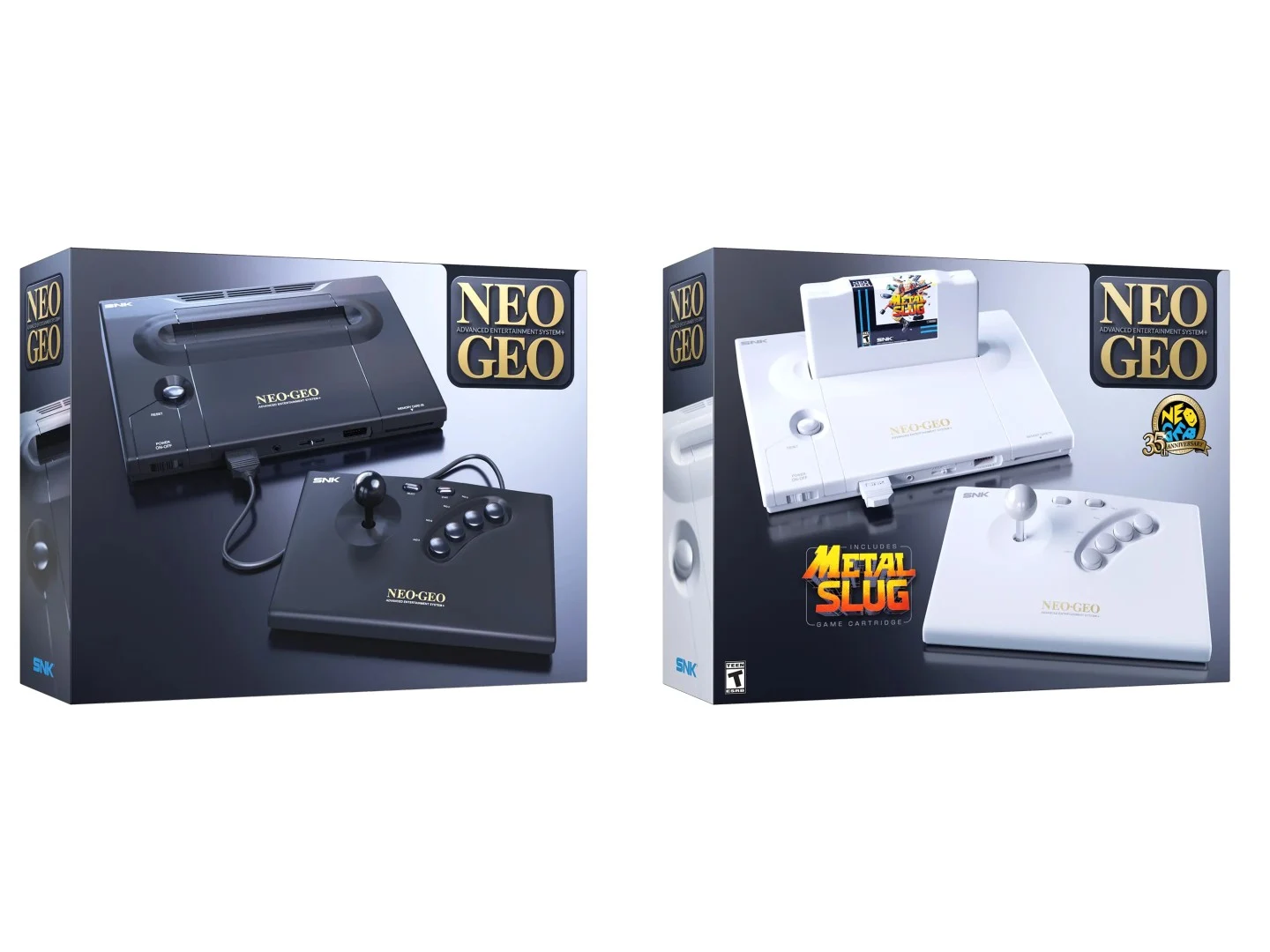
    The NeoGeo AES+ keeps the nostalgic look of the original console, but with several modern upgrades. It includes an HDMI port, unlike the old days when connections were limited, and offers DIP switches to choose language preferences. Gamers can also overclock if they want more performance and select display modes for better visual experience. Moreover, high scores can be saved permanently, though you will need to buy a separate memory card. For those with CRT TVs, AV input ports are still available, ensuring compatibility with older TVs.

    Unique Hardware Approach

    What makes this console stand out is its hardware design. Instead of emulating the games or using FPGA technology like some other modern recreations, it uses legacy ASIC chips. These chips have been re-engineered with modern standards to faithfully replicate the original hardware and software. This method helps keep the authenticity of the gaming experience intact, making it a unique choice for collectors and enthusiasts alike.

    Game Compatibility and Accessories

    • The console supports both new and original NeoGeo AES game cartridges, ensuring backwards compatibility.
    • It ships with a 1:1 replica of the classic Arcade Stick, connecting via the traditional 15-pin connector, so old hardware can still be used.
    • Owners of the original arcade controllers will be happy to know they can connect their sticks to the new device without issues.

    Additional Offerings and Variants

    In addition to the main console, Plaion plans to sell 10 classic game cartridges like Metal Slug and Big Tournament Golf, giving gamers a way to expand their collection. Also, a wireless version of the SNK NeoGeo Gamepad will be available for more flexible gaming sessions. The pre-order price for the basic NeoGeo AES+ is set at $249.99, with shipments expected from November 12, 2026. It comes bundled with a controller, an HDMI cable, and a power brick.

    Special Editions for Collectors

    For fans looking for something exclusive, there’s the NeoGeo AES+ Anniversary Edition in white. This version includes a white Metal Slug cartridge, a matching wireless Arcade Stick, and a white memory card. It’s priced at $349.99 and can also be pre-ordered. For the ultimate collector’s item, the NeoGeo AES+ Ultimate Edition features the console in black along with a wired and wireless Arcade Stick, wireless gamepad, a memory card, and a set of 10 NeoGeo game cartridges with a game rack—offered in very limited quantities at $999.99.