
Key Takeaways
1. Google plans to introduce native controller remapping in Android 17, allowing users to customize gamepad functions directly from system settings.
2. Users will be able to personalize all buttons on their Bluetooth or USB-C connected gamepads, including setting up rear paddles and assigning shoulder buttons.
3. Support for virtual gamepads will be included, enhancing gameplay for users without physical controllers.
4. The initiative aims to connect virtual buttons on the screen to gamepad buttons, benefiting games that lack external controller support.
5. The enhancements are expected to launch with Android 17, but there may be delays or changes in development before the features go live.
While devices like the Nubia RedMagic 11 Pro are designed for top-tier gaming with its Qualcomm Snapdragon 8 Elite Gen 5 and a robust cooling system, several smartphone makers are trying to enhance the software for Android’s controller support with mixed results. However, with Android 17 coming next year, Google is ready to step in and make some changes itself.
Native Controller Remapping
Android Authority has unearthed clues in the latest beta version of Android that indicate Google plans to introduce native controller remapping. The code hints that users will be able to personalize the functions of all buttons on a gamepad connected through Bluetooth or USB-C directly from the system settings of an Android device. This means gamers could set up rear paddles or assign shoulder buttons for specific functions in games. Additionally, support for virtual gamepads is also on the way.
Enhancing Game Control
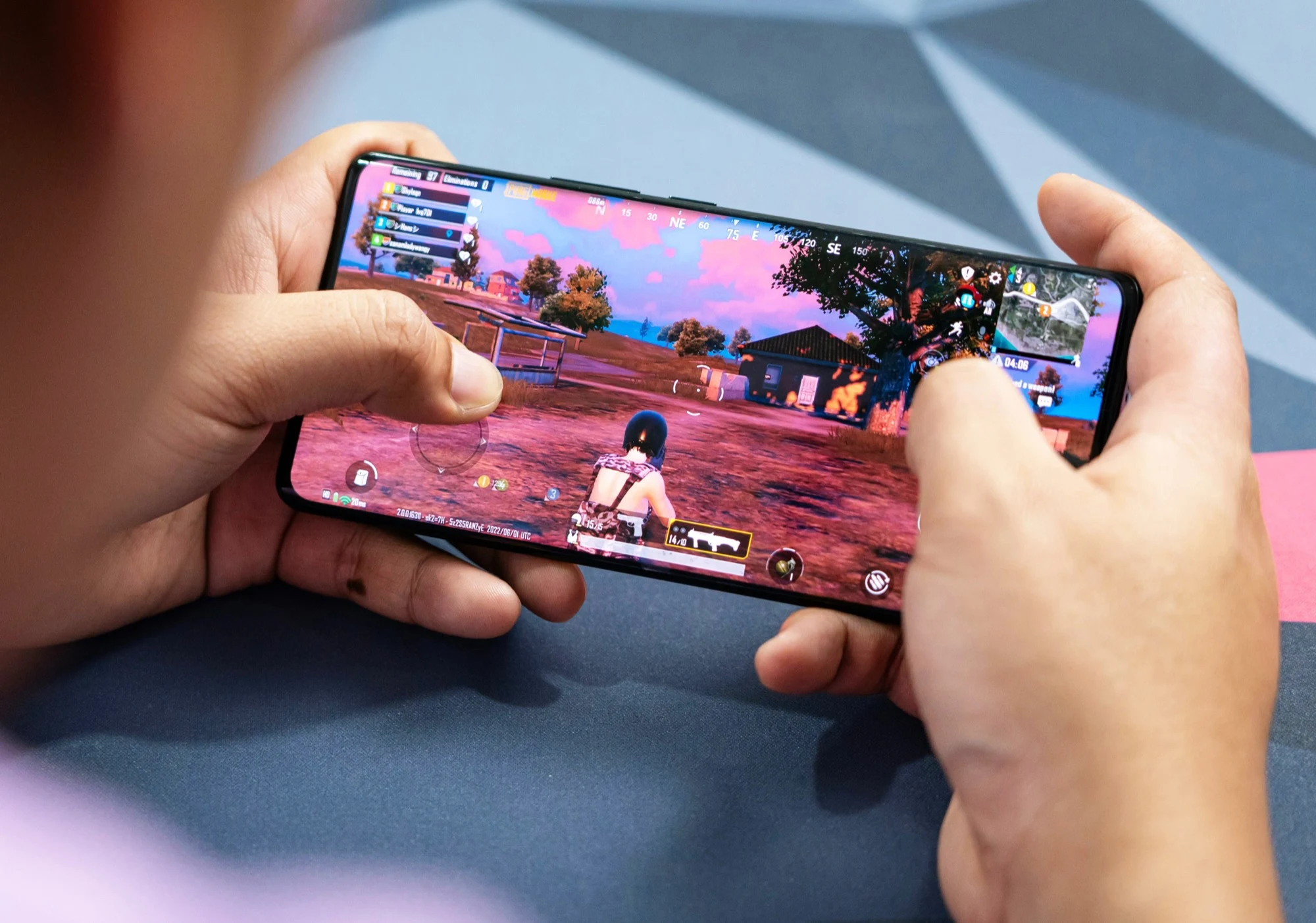
As per Android Authority, this initiative isn’t just about intercepting controller signals at the system level and tweaking them; it also aims to connect virtual buttons shown on the screen to gamepad buttons. This feature is particularly beneficial for games that don’t support external controllers. Though Android Authority predicts that these enhancements will launch alongside Android 17 in the middle of next year, there’s always a chance that Google might postpone the rollout or even halt the development of these features before they go live.
Source:
Link

Leave a Reply