
Key Takeaways
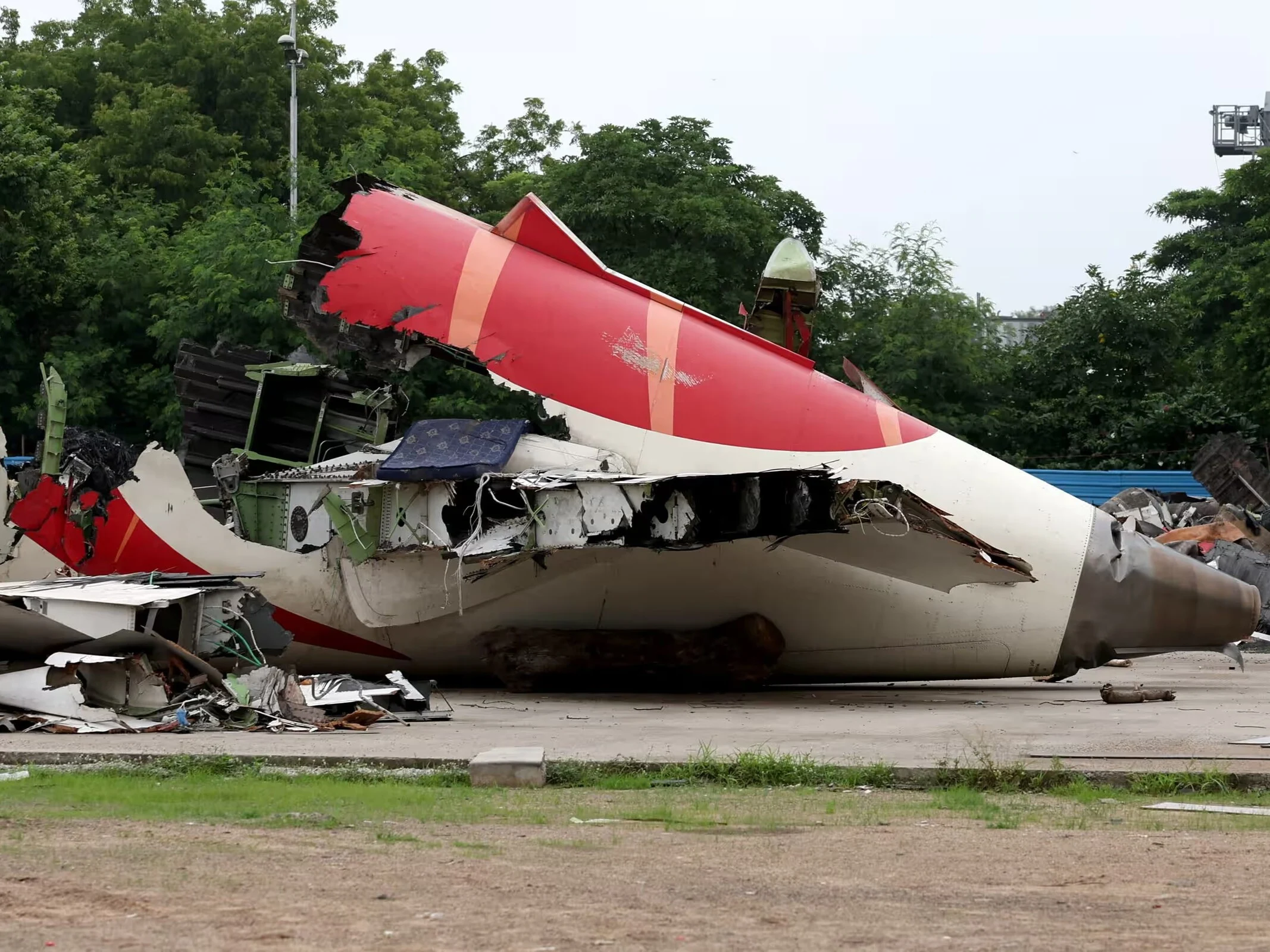
1. The crash of an Air India Boeing 787 in Ahmedabad on June 12 resulted in 260 fatalities, with initial findings from the AAIB highlighting a fuel supply interruption shortly after takeoff.
2. Data revealed that just three seconds post-takeoff, both engines’ fuel cutoff switches were moved to “Cutoff,” leading to confusion in the cockpit among the pilots.
3. The flight crew attempted to correct the fuel cutoff issue, but despite restarting one engine, the aircraft was already descending too rapidly to recover fully.
4. The investigation points to human error and potential technical issues, noting that Air India did not perform recommended inspections related to the fuel switch locking feature, which the FAA had flagged in 2018.
5. Other factors like weather, bird strikes, or fuel contamination have been ruled out, as the investigation continues, with a final report expected next year amid calls for accountability from victims’ families.
India’s Aircraft Accident Investigation Bureau (AAIB) has shared its initial findings regarding the crash of an Air India Boeing 787, which occurred on June 12 in Ahmedabad, leading to 260 deaths. The report outlines a puzzling series of events occurring in the cockpit, confirming that the aircraft’s fuel supply was interrupted shortly after takeoff.
Sequence of Events
Data from the flight recorder indicates that at 08:08:42 UTC, just three seconds after takeoff, the fuel cutoff switches for both engines were shifted from “Run” to “Cutoff.” The cockpit voice recorder revealed one pilot questioning the other, “why did he cut off?” to which the other pilot replied that he hadn’t done that. At that moment, the co-pilot was piloting the aircraft.
Attempts to Correct the Issue
Investigators discovered that the crew tried to rectify the mistake — ten seconds post-cutoff, the switch for engine 1 was returned to “Run,” followed by engine 2 four seconds after. This started an automatic relight sequence, but the plane was already descending rapidly. One of the engines began to recover, but the other failed to gain speed before the plane went down.
Human Error and Technical Concerns
The report brings to light issues regarding human actions and possible technical flaws. The AAIB emphasized that moving the switches requires intentional effort, yet they mentioned that in 2018, the U.S. Federal Aviation Administration released a bulletin addressing a potential problem with the locking feature of the switches. Air India informed investigators that it did not carry out the recommended inspections, as the bulletin was advisory and not mandatory.
The investigation has eliminated other possibilities such as adverse weather, bird strikes, or contaminated fuel. As the inquiry progresses, with a final report anticipated next year, the families of the victims are seeking answers and accountability for this devastating incident.
Source:
Link
Leave a Reply