
Key Takeaways
1. Australia is developing a 3D printing robot named Charlotte, capable of building homes in 24 hours.
2. The robot is a collaboration between Crest Robotics and Earthbuilt Technology, designed to use local materials and operate autonomously.
3. A fully operational version of Charlotte is still in development, with a commercial release expected in several years.
4. Charlotte could address housing shortages on Earth and assist in building lunar bases using local materials in space.
5. The project aims to create new jobs, focusing on a human-centered approach rather than replacing existing roles.
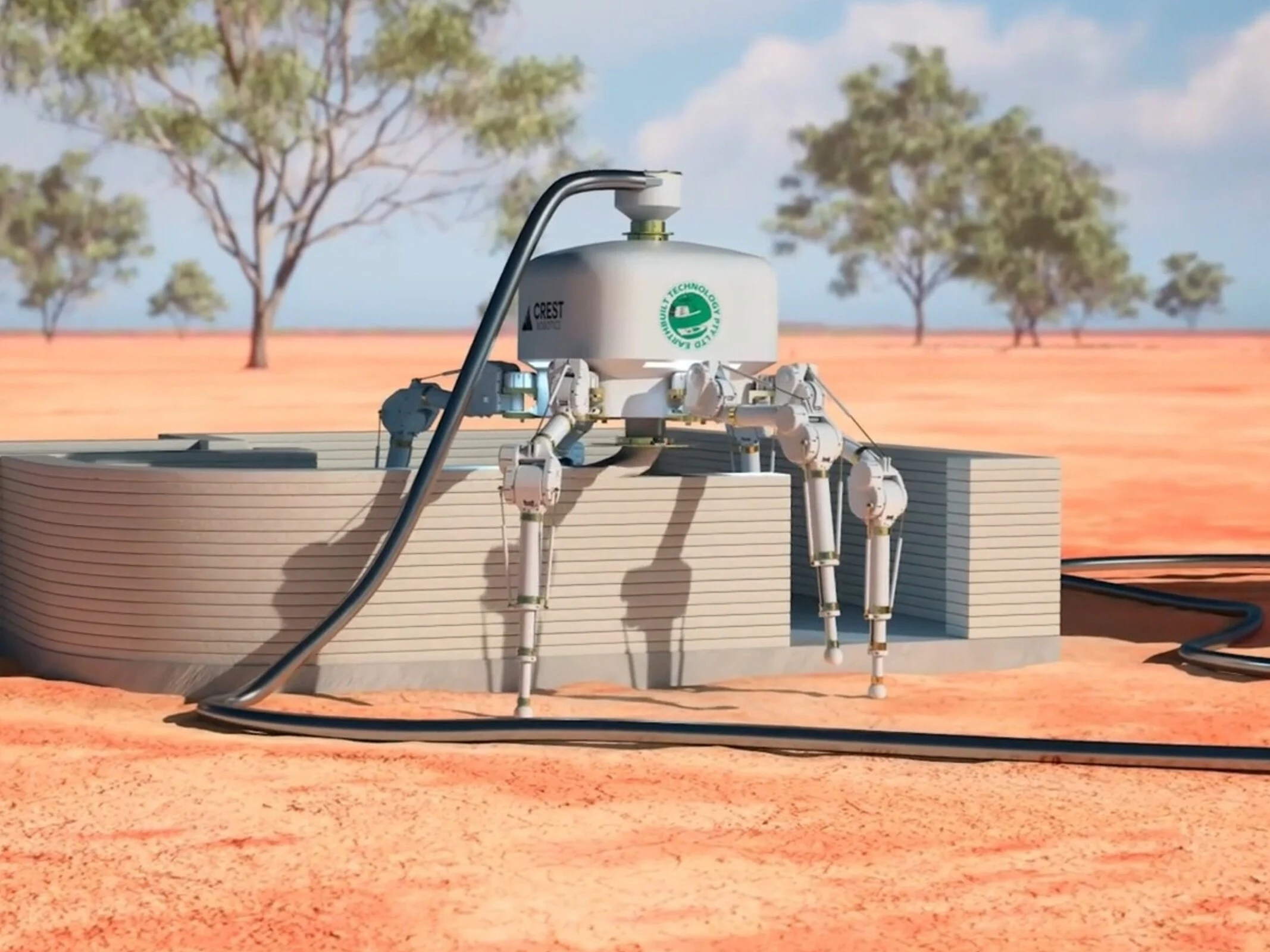
Australia has initiated a groundbreaking construction initiative that seeks to tackle two significant global issues. Central to this project is Charlotte—a unique 3D printing robot shaped like a spider, capable of constructing an entire home in merely 24 hours.
Collaborative Efforts in Innovation
This technology is a joint effort between Crest Robotics and Earthbuilt Technology. The design features a hexapod structure with six legs, enabling the robot to navigate uneven surfaces. Charlotte operates autonomously, is compact for simple transportation, and utilizes local materials such as sand, soil, or rubble directly on the building site. These materials are processed and layered using a method known as earthbagging.
Current Status of Development
As of now, a fully operational version of the robot has not yet been produced. During the 76th International Astronautical Congress, held in Sydney from September 29 to October 3, a smaller demonstrator was displayed to illustrate the fundamental concept. While essential functions like material processing, movement, and 3D printing have been conceptualized, they have not yet been realized on a larger scale. A commercially viable version is expected to take several more years to develop.
Potential Applications on Earth and Beyond
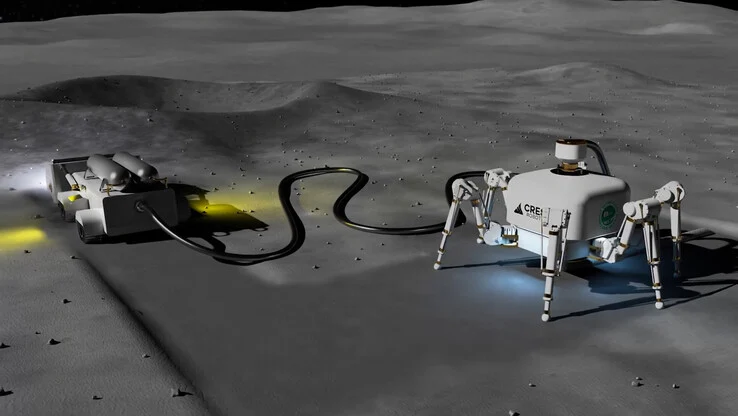
On our planet, Charlotte could play a vital role in alleviating the housing crisis by facilitating quick, affordable, and eco-friendly construction methods. In outer space, this technology could support the establishment of lunar bases using local regolith. Thanks to its foldable and compact design, the robot is easily transportable and ideal for remote locations or challenging terrains. This advancement not only paves the way for space exploration but also enhances disaster response and rebuilding efforts.
Competing in a Global Market
Charlotte is up against considerable international rivals. Companies in the U.S., such as ICON, are collaborating with NASA on lunar construction projects, while AI SpaceFactory is innovating 3D printing solutions for extraterrestrial building. Despite this, Charlotte’s emphasis on mobility and sustainable local material usage aims to carve out a unique niche in the market.
A Human-Centered Approach to Robotics
Crest Robotics embraces a human-focused philosophy. Rather than replacing current jobs, the robot is designed to introduce a new position known as the “robotics operator.” This role involves overseeing the system, ensuring quality control, and making important decisions. The project prioritizes safety, diversity, and reducing physical demands on workers.
Source:
Link
Leave a Reply