
Key Takeaways
1. Kaiwa Technology has announced a “gestation robot” designed to carry and give birth to human fetuses, aimed at providing an alternative to biological pregnancy.
2. The robot will feature an artificial womb with synthetic amniotic fluid and nutrients supplied via a tube; a prototype is expected by next year, costing around $14,000.
3. Medical professionals express skepticism about the technology, citing the company’s lack of detailed plans to address the challenges of fetal support from fertilization to birth.
4. Public reaction is mixed, with concerns about the absence of maternal connection and hormonal support, while some see potential benefits in reducing pregnancy-related risks for women.
5. The ethical and medical implications of the gestation robot raise significant questions, making the company’s next steps critical to its viability as a real product.
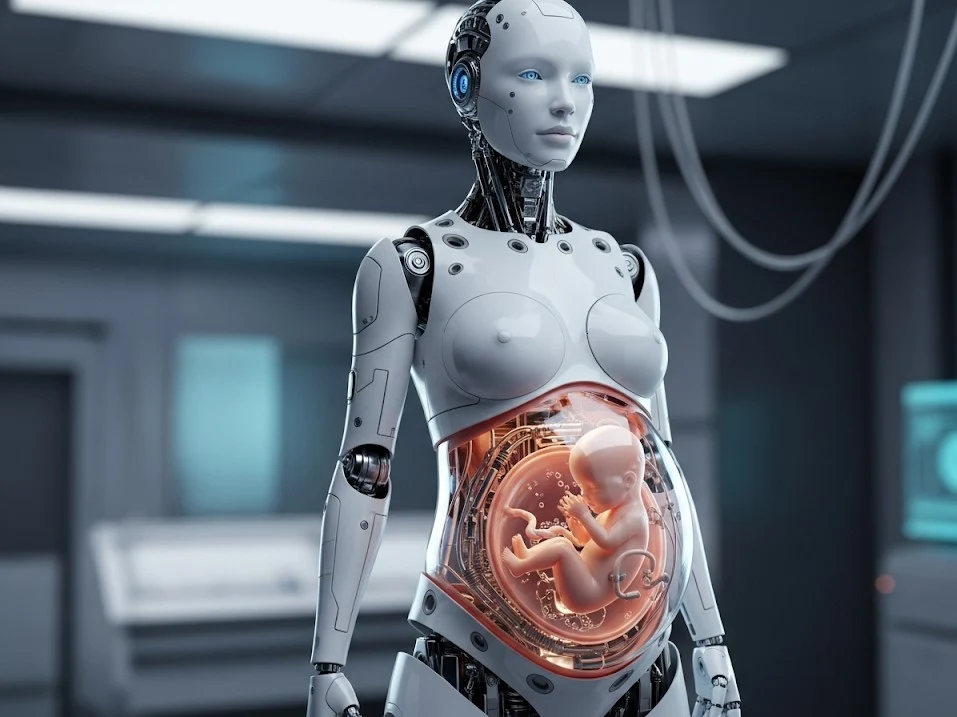
Kaiwa Technology, a tech company based in Guangzhou, has revealed an ambitious project: a so-called “gestation robot.” This humanoid robot is intended to carry a human fetus and eventually give birth. This plan, which was unveiled by the company’s founder at the 2025 World Robot Conference in Beijing, seeks to provide an alternative for couples or individuals who prefer not to experience biological pregnancy.
Specifications of the Gestation Robot
According to the company, the robot will feature an artificial womb located in its abdomen. Inside this womb, a fetus will grow using synthetic amniotic fluid, with nutrients supplied via a tube. Dr. Zhang Qifeng, the CEO, has stated that the technology is already at a “mature stage.” He expects to have a prototype ready by next year, with a projected price of $14,000. However, medical professionals have expressed skepticism, pointing out that Kaiwa Technology has not provided a thorough explanation of how it will address the many challenges involved in supporting a fetus from fertilization through to birth.
Public Reaction and Concerns
The announcement has sparked a wave of negative reactions from the public. Critics are worried about the lack of maternal connection and the robot’s inability to mimic maternal hormones. On the flip side, some supporters argue that this technology could relieve women from the risks and stresses associated with carrying a pregnancy. Kaiwa Technology claims it is actively engaging with authorities to navigate the legal challenges it faces.
Future Prospects
As the conversation around this innovative yet controversial technology continues, many are left wondering what the future holds. While the potential benefits are being touted, the ethical and medical implications raise significant questions that cannot be overlooked. The company’s next steps will be crucial in determining whether this “gestation robot” can become a reality or remain a speculative idea.
Source:
Link
Leave a Reply