
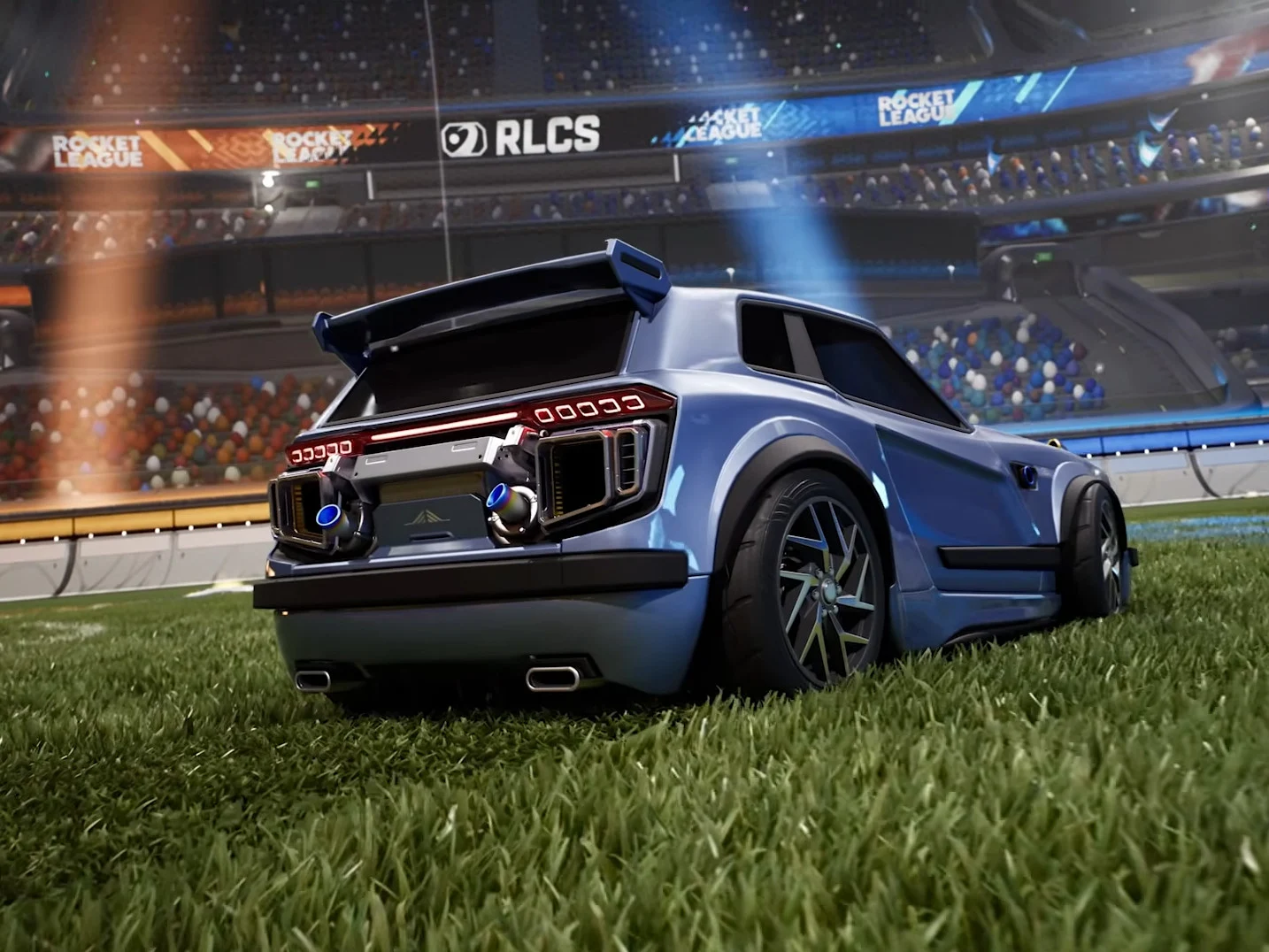
– Unreal Engine 6 brings multi-threading and advanced real-time ray tracing to Rocket League, aiming for higher performance at similar fidelity to UE5.
– The teaser confirms a graphical overhaul with in-engine footage and new Garage vehicle presets, showcasing the engine’s visuals.
– UE6 introduces the Verse language, potentially lowering barriers for indie development and rapid prototyping within the Unreal ecosystem.
Two hours ago at the Rocket League Championship Series 2026 Paris Major, a surprise teaser trailer revealed that Rocket League would be receiving an Unreal Engine 6-powered overhaul.
This opening sentence sets the scene with a bold claim and a hint of uncertainty about whether the overhaul will be a graphics upgrade, a re-release, or a sequel. The writing shifts to a newsy, cautious tone, while still presenting the key fact that the trailer marks the first look at Unreal Engine 6’s graphical capabilities. The paragraph maintains a general, informative vibe and keeps the essential details intact for readers who want the gist without speculation.
Impressive visuals and garage previews
The teaser showcases high-end ray tracing and visual fidelity, including in-engine clips of a Rocket League car leaping through the stadium and previews of Garage presets with paints, finishes, and rims cycling before a title card and Unreal Engine 6 logo. This paragraph dives into the sample imagery and the sequence of presets lucently, emphasizing the eye candy while noting the small amount of accompanying textual information was presented alongside the visuals.
What the engine promises and the caveats
In a more analytical style, the piece notes that Unreal Engine 6 appears visually impressive, but lacks extensive detail. It recalls that the last talk of UE6 hinted at multi-threading, moving away from single-core calculations, which could imply better performance at similar visuals to Unreal Engine 5, especially in CPU-bound scenarios. The paragraph gently explains why multi-threading matters, linking it to real-time ray tracing and resource usage on both CPU and GPU without getting bogged down in technicalities.
Verse and its potential impact
Continuing with a speculative tone, the article mentions the Verse programming language, initially available in the Unreal Editor for Fortnite, and ponders how much it might lower the barrier for entry-level indie development. The paragraph keeps a user-friendly angle, suggesting that Verse could open doors for smaller studios and hobbyists alike, while noting that real-world impact remains to be seen in the broader Unreal ecosystem.
Performance concerns around Unreal Engine 5 and optimism for UE6
Switching to a more critical viewpoint, the piece addresses Unreal Engine 5’s past criticisms regarding performance, referencing examples like ARC Raiders that reportedly skipped certain features to dodge the engine’s faults. It then weighs the possibility that UE6 could deliver notable improvements in both performance and peak visuals, but acknowledges that only time will reveal how much better UE6 is relative to UE5. The paragraph conveys cautious optimism rooted in industry trends and the engine’s ubiquity.
Closing thoughts and attribution
Concluding with a reflective note, the article hints that the industry’s adoption cycle will likely favor Epic’s newer engine in the long run, mirroring shifts seen with earlier generations like UE3 and UE4. Yet it remains uncertain whether UE6 will redefine standards as profoundly as those predecessors. The closing line points readers toward awaiting more official information, while the original author signs off with a brief nod to Psyonix.
Leave a Reply