Tag: Xiaomi

  • Xiaomi Poco X8 Pro Max to Launch Globally with 8,500mAh Battery

    Xiaomi Poco X8 Pro Max to Launch Globally with 8,500mAh Battery

    Key Takeaways

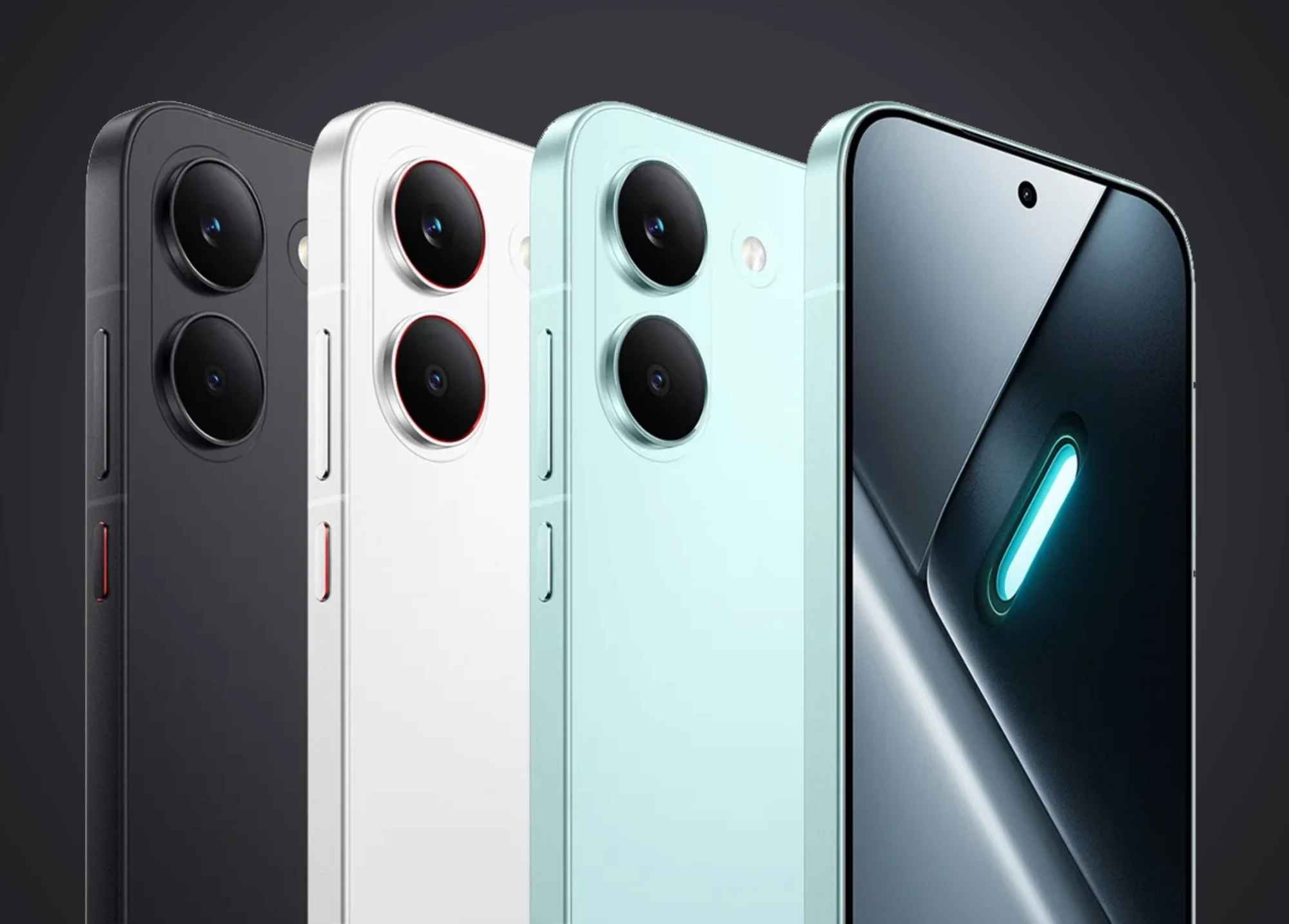
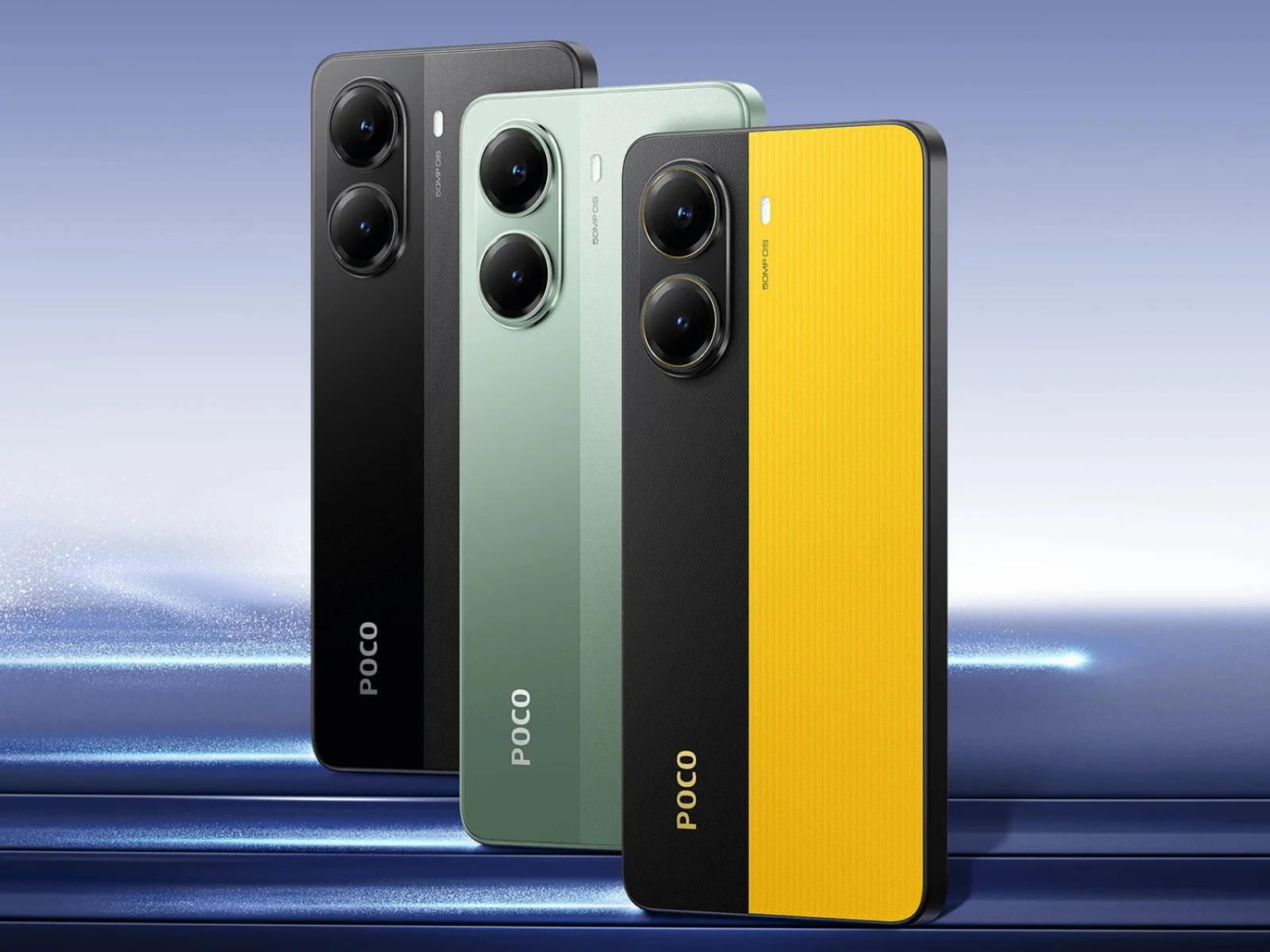
    1. Xiaomi is working on a global version of the Redmi Turbo 5 Max, likely rebranded as the Poco X8 Pro Max.
    2. The Redmi Turbo 5 will be launched globally as the Poco X8 Pro, replacing the Poco X7 Pro.
    3. The Poco X8 Pro is expected to feature a Dimensity 8500 Ultra chipset and a 3,500-nit AMOLED display.
    4. The Poco X8 Pro Max has begun appearing at regulatory agencies ahead of its launch.
    5. The expected price for the Poco X8 Pro Max is around €529 (approximately $460) with an 8,500 mAh battery.


    It’s well known that Xiaomi is working on a worldwide version of the Redmi Turbo 5 Max. For those who need some background, the Redmi Turbo 5 Maxa. Although the device is available for import, Xiaomi’s history shows that both the Redmi Turbo 5 and Redmi Turbo 5 Max are likely to stay exclusive to the Chinese market for their entire lifecycle.

    Global Rebranding in Progress

    Xiaomi is anticipated to give the two phones a new identity for markets outside of China. Right now, the Redmi Turbo 5 is expected to be launched globally as the Poco X8 Pro. This will replace last year’s Poco X7 Pro, which is currently priced at $359 on Amazon. The Poco X8 Pro is set to feature a Dimensity 8500 Ultra chipset along with an impressive 3,500-nit AMOLED display. On the other hand, the Poco X8 Pro Max is expected to be the global version of the Redmi Turbo 5 Max.

    Regulatory Appearances

    In line with this, the Poco X8 Pro Max has started showing up at various regulatory agencies ahead of its worldwide launch. This device, which has the model number 2602BPC18G, has reportedly been listed with the Eurasian Economic Commission (EEC), Singapore’s Infocomm Media Development Authority (IMDA), and Indonesia’s Tingkat Komponen Dalam Negeri (TKDN).

    Price and Battery Specs

    Therefore, previous hints about the global launch of the Poco X8 Pro Max seem to be on point. Although the exact launch details are still under wraps, information leaks suggest that the Poco X8 Pro Max will be priced at around €529 (approximately $460) and is expected to feature a robust 8,500 mAh battery. For more information on the features and expectations for its global version, check out our article on the Redmi Turbo 5 Max launch.

    TKDN via XpertPick

    Source:
    Link



  • Xiaomi Pauses HyperOS Rollout for Holiday Operations Shutdown

    Xiaomi Pauses HyperOS Rollout for Holiday Operations Shutdown

    Key Takeaways

    1. Xiaomi is close to finishing the HyperOS 3 rollout, with 95% of devices updated.
    2. The company will slow down operations for the Chinese Lunar New Year from February 17 to March 03, 2026.
    3. 20 new devices from the Redmi and Xiaomi lines have recently received the stable HyperOS 3 update.
    4. Xiaomi aims to complete the rollout of updates for all planned global devices by March 2026.
    5. New features for the Xiaomi 17 Pro phones, including a countdown and air gestures for Lunar New Year, are part of the latest HyperOS update.


    Xiaomi is nearing the completion of its HyperOS 3 rollout. As reported by XiaomiTime in early February 2026, 95% of the devices scheduled for the update have already received it. However, it appears that not all of the remaining devices will get the update before March 2026.

    Upcoming Holiday Break

    According to XiaomiTime, the company is preparing for a lengthy holiday period due to the Chinese Lunar New Year. The celebrations for this event will take place from February 17 to March 03, 2026. As a result, the company has reportedly began to slow down operations and will not release any significant HyperOS updates until after the holiday season.

    Recent Updates and Features

    Recently, 20 new devices from both the Redmi and Xiaomi lines have received the stable HyperOS 3 update. Despite this temporary pause, the company may still be on track to complete the rollout in time. The brand had previously assured that all planned global devices would be updated by March 2026.

    Even though there is a break in the update rollout, Xiaomi still has plenty of time to finish updating the remaining devices that qualify. In other news, to honor the Chinese Lunar New Year, Xiaomi has introduced new features for the Xiaomi 17 Pro phones (12/256GB Pro currently priced at $830.06 on TradingShenzhen). These features include a countdown for the New Year and air gestures that trigger firework animations. They are included in the HyperOS 3.0.44.0.WPCNXM update.

    Source:
    Link


  • Apple iPhone and Samsung Galaxy: Used by Over 1 Billion People

    Apple iPhone and Samsung Galaxy: Used by Over 1 Billion People

    Key Takeaways

    1. Apple iPhones have the largest active user group, accounting for nearly 25% of all smartphones in use.
    2. Samsung follows with about 19% market share, representing over a billion active users.
    3. Chinese manufacturers are rising, with Xiaomi leading at 12%, followed by Oppo (8%) and Vivo (7%).
    4. Transsion is gaining popularity in developing regions, focusing on budget-friendly smartphones.
    5. Smaller brands like Motorola and Google are struggling, with Google holding less than 1% market share and consumers keeping their phones longer before upgrading.


    Smartphone sales provide a quick look at the market, but the count of active devices for each brand shows trends over time. A recent survey by Counterpoint Research indicates that Apple iPhones have the largest active user group. Almost 25% of all smartphones in use are iPhones. Samsung is the only other brand with over a billion active users, holding about 19% of the market. This means that roughly one in five smartphones currently in use is from the Samsung Galaxy line.

    Chinese Manufacturers on the Rise

    The top six smartphone makers from China each boast more than 200 million users. Xiaomi leads this pack, commanding a market share of about 12%. Oppo and Vivo follow behind, making up approximately 8% and 7% of the global market, respectively. Transsion, which owns Tecno and Infinix, ranks just above Huawei and Honor. In recent years, Transsion has gained a significant user base, especially in the Middle East, Africa, and Southeast Asia, where there is a strong demand for budget-friendly smartphones that deliver good value.

    Smaller Players Struggling

    Motorola and Realme phones are used by just under 200 million people globally. Google’s smartphone presence is minimal, barely appearing in Counterpoint Research’s statistics, with a market share of less than 1%, and trailing Realme significantly. The forthcoming Google Pixel 10a is not expected to change that situation much, as this mid-range phone will likely offer few enhancements compared to the Pixel 9a (priced from $399 on Amazon). Counterpoint Research notes that consumers are keeping their smartphones for longer periods before deciding to upgrade to a new model.

    Source:
    Link


  • Xiaomi A27Qi 2K Monitor: Major Upgrades from Previous Model

    Xiaomi A27Qi 2K Monitor: Major Upgrades from Previous Model

    Key Takeaways

    1. Xiaomi launched the 2026 version of the 2K Monitor A27Qi, initially in Thailand, priced at THB 4,990 (approximately $159).
    2. The new model features improved colour accuracy with ΔE <1 deviations and a 1,300:1 contrast ratio, a 33% increase from the 2025 model. 3. It has a refresh rate of 120 Hz, up from 100 Hz in the previous version, while maintaining a resolution of 1440p and a 6 ms response time. 4. The 2026 model is priced only THB 100 (about $3) more than its predecessor, indicating a small price increase. 5. Expected prices for the 2K Monitor A27Qi 2026 in Europe are around £119.99 (approximately $165) in the UK and €149.99 (roughly $179) in Eurozone countries.


    Xiaomi has finally unveiled the 2026 version of their 2K Monitor A27Qi. To provide some background, the company added this model to its global website back in November. The launch happened about seven months after the original 2K Monitor A27Qi was introduced in Europe, where it is currently priced at $184.99 on Amazon.

    Launch Details

    Initially, Xiaomi is rolling out the 2K Monitor A27Qi 2026 in Thailand before it comes to other regions. It’s worth noting that this new model improves upon its predecessor in various important aspects. For instance, the updated monitor claims to deliver better colour accuracy right away, with ΔE <1 colour deviations. Moreover, the 2K Monitor A27Qi 2026 boasts a 1,300:1 contrast ratio, which is a 33% enhancement compared to the 2025 model from Xiaomi.

    Performance Upgrades

    In addition, the 2K Monitor A27Qi 2026 features a refresh rate of 120 Hz, an upgrade from the 100 Hz maximum of last year’s version. It still supports a resolution of 1440p and maintains a response time of 6 ms (GtG) on its 27-inch IPS panel for the 2026 model. The pricing for the 2K Monitor A27Qi 2026 in Thailand is set at THB 4,990, which is roughly $159 based on current exchange rates.

    Pricing Expectations

    While prices for other regions are not yet available, the 2026 version is being sold for just THB 100 (about $3) more than the previous model. Therefore, we anticipate that the 2K Monitor A27Qi 2026 will be available in Europe at around £119.99 (approximately $165) in the UK and €149.99 (roughly $179) in Eurozone countries.

    Source:
    Link


  • Xiaomi Bluetooth Speaker Essential: Global Launch of Bluetooth 6.0

    Xiaomi Bluetooth Speaker Essential: Global Launch of Bluetooth 6.0

    Key Takeaways

    1. Xiaomi is set to launch the Bluetooth Speaker Essential, a modified version of the Redmi Bluetooth Speaker 2, globally.
    2. The Bluetooth Speaker Essential features Bluetooth 6.0, an upgrade from the Redmi’s Bluetooth 5.3.
    3. It has an IP66 water resistance rating, which means it cannot be submerged in water, unlike the IP67 rating of the Redmi Bluetooth Speaker 2.
    4. The speaker offers 5 W power, a 1.5-inch driver, a passive radiator, and a 1,000 mAh battery with up to 10 hours of playback at 40% volume.
    5. It includes a USB Type-C port for wired use and supports synchronized playback with up to 10 speakers or TWS pairing with two units.


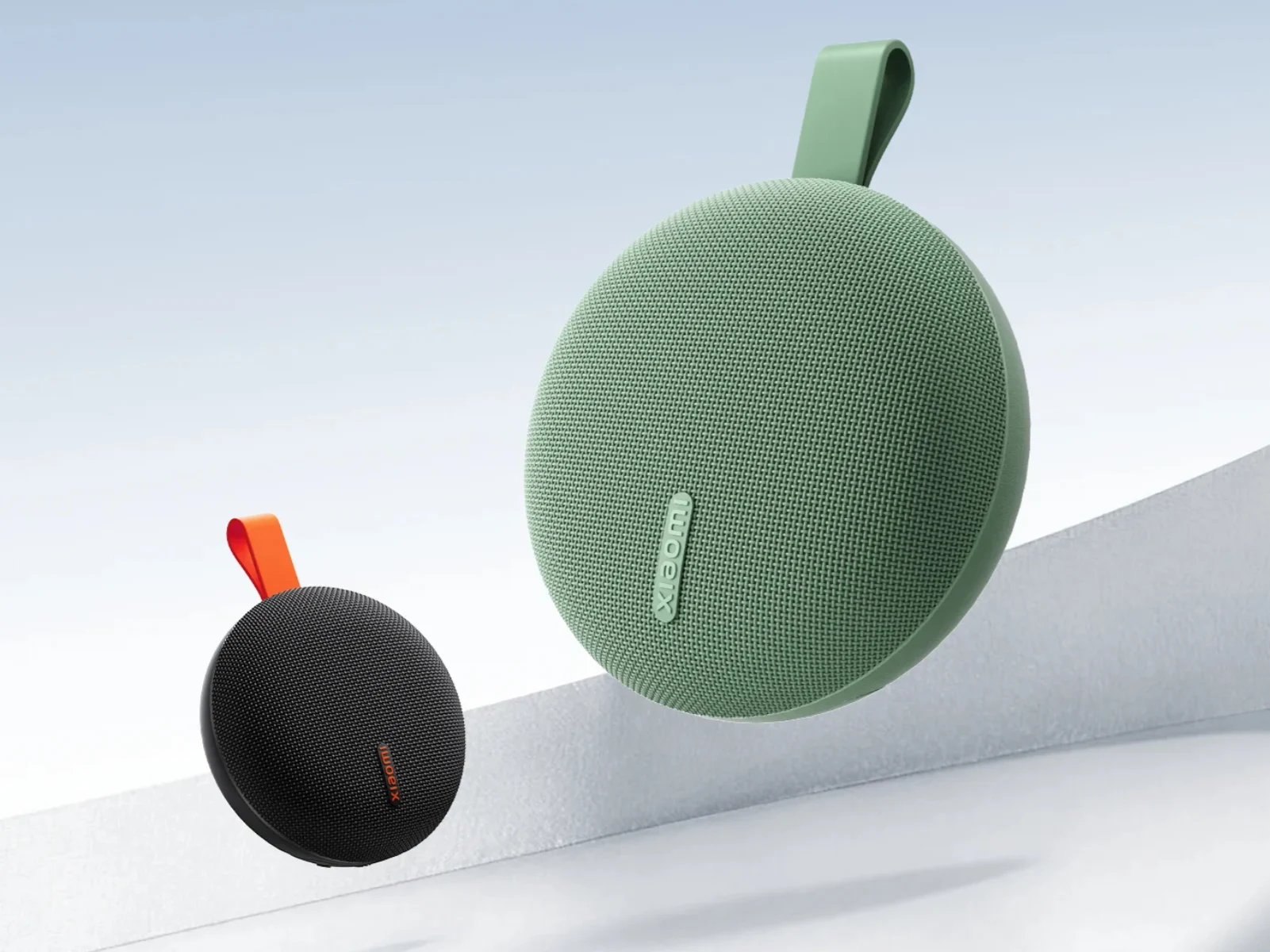
    It looks like Xiaomi is about to launch a slightly modified version of the Redmi Bluetooth Speaker 2 worldwide. Just to remind you, this speaker was first unveiled in September last year in China. Although it hasn’t been launched yet, the recent appearance of the Bluetooth Speaker Essential on Xiaomi’s global site suggests that it will be available internationally in the coming months.

    Key Differences in Features

    The Bluetooth Speaker Essential isn’t just a rebranded version of the Redmi Bluetooth Speaker 2. For starters, it features Bluetooth 6.0 connectivity, which is an upgrade over the Bluetooth 5.3 standard found in the latter. Additionally, Xiaomi has given the Bluetooth Speaker Essential an IP66 rating for water resistance, which is lower than the IP67 rating that the Redmi Bluetooth Speaker 2 boasts.

    Practical Implications

    What this means in real terms is that the Bluetooth Speaker Essential cannot withstand being submerged in water up to one meter, unlike the Redmi Bluetooth Speaker 2, which can. Aside from the IP ratings, the Bluetooth Speaker Essential provides a rated power of 5 W, similar to the previous Sound Pocket model (currently priced at $24.49 on Amazon). Furthermore, Xiaomi’s latest speaker comes with a 1.5-inch driver and a passive radiator, along with a 1,000 mAh battery that can last up to 10 hours at 40% volume. However, if you crank it up to 100% volume, the official battery life drops to just 2.5 hours.

    Additional Features and Availability

    Moreover, the Bluetooth Speaker Essential can also function as a wired speaker through its USB Type-C port. Xiaomi has also highlighted the ability for synchronized playback among up to 10 speakers or TWS stereo pairing with two units. Currently, the pricing and exact release date are still not known. For more information, you can check Xiaomi’s official website.

    Source:
    Link


  • Xiaomi Poco X8 Pro Price Leaked: 8,500 mAh Battery Inside

    Xiaomi Poco X8 Pro Price Leaked: 8,500 mAh Battery Inside

    Key Takeaways

    1. Pricing Details: The Poco X8 Pro and Poco X8 Pro Max have appeared on Xiaomi Belgium’s website, with prices higher than their counterparts in China.

    2. Battery Capacity: The Poco X8 Pro has a 6,500 mAh battery, while the Poco X8 Pro Max features an 8,500 mAh battery, despite potential smaller sizes for European models.

    3. Performance Specs: The Poco X8 Pro is equipped with a MediaTek Dimensity 8500 Ultra processor, while the X8 Pro Max uses the more powerful Dimensity 9500s.

    4. Display Features: The Poco X8 Pro will have a 6.59-inch AMOLED screen with a 120Hz refresh rate, and the Pro Max will feature a larger 6.83-inch display.

    5. Camera Setup: Both models share a camera configuration that includes a 50MP main camera, an 8MP ultrawide camera, and a 20MP front-facing camera.


    While Xiaomi hasn’t officially spoken about the release of the Poco X8 Pro and Poco X8 Pro Max, both phones have appeared on Xiaomi Belgium’s website, revealing their prices in euros. The mid-range smartphones will be priced as follows:

    Pricing Comparisons

    The prices listed for these mid-range smartphones are higher than those in China. For instance, the Redmi Turbo 5 Max, which is nearly the same as the Poco X8 Pro Max, is priced at just €265 in China. There are also rumors that the batteries for the European models might be a bit smaller. Still, the Poco X8 Pro boasts a 6,500 mAh capacity, while the Poco X8 Pro Max has a notably larger 8,500 mAh battery. Even with the price increase and slightly reduced battery size, these smartphones are still expected to deliver a good price-to-performance ratio.

    Specifications Overview

    The Poco X8 Pro is anticipated to come with a speedy MediaTek Dimensity 8500 Ultra processor, featuring a 6.59-inch AMOLED screen with a refresh rate of 120Hz and a peak HDR brightness of 3,200 nits. It will also have a main camera of 50MP with an f/1.5 aperture boasting a 1/1.95-inch sensor, alongside an 8MP f/2.2 ultrawide camera and a 20MP f/2.2 front-facing camera.

    Differences in Model Size

    The Poco X8 Pro Max is likely to be a bit larger, sporting a 6.83-inch display. The high-end model will be driven by the MediaTek Dimensity 9500s, which should allow it to perform nearly at flagship level. Both models share the same camera setup. However, the exact launch dates for these mid-range smartphones remain a mystery.

    Source:
    Link


  • Redmi Turbo 5 Max Launches New Higher Storage Variant

    Redmi Turbo 5 Max Launches New Higher Storage Variant

    Key Takeaways

    1. New Variant Release: Xiaomi introduced a fifth configuration of the Redmi Turbo 5 Max, powered by the Dimensity 9500s chip.

    2. Storage Upgrade: The new model features 16GB of RAM and offers 1TB of storage, priced at CNY 3,399 (approximately $490 or €415).

    3. Unchanged Key Specs: All other specifications remain the same, including a 6.83-inch AMOLED display, 50MP main camera, and 9,000mAh battery.

    4. Limited Stock: The 1TB version is in limited stock due to its higher price point.

    5. Exclusive Colors: The 1TB version is available in two limited edition colors: Sunshine Orange and Cloud White.


    It’s been just a week since Xiaomi unveiled the Redmi Turbo 5 Max, and now they have introduced a new version of the smartphone that runs on the Dimensity 9500s chip.

    New Configuration Released

    Initially, the Redmi Turbo 5 Max came in four different setups: a base model featuring 12GB of RAM and 256GB storage, another with 12GB of RAM and 512GB, a 16GB RAM version with 256GB storage, and the last one holding 16GB of RAM and 512GB. Xiaomi has now rolled out a fifth configuration.

    Impressive Storage Upgrade

    This new Redmi Turbo 5 Max variant also has 16GB of RAM, similar to the previously mentioned models, but now offers a whopping 1TB of storage. The price for this version is CNY 3,399 (about $490 or €415) and it’s already up for grabs in China. ITHome reported that a Xiaomi representative mentioned that the 1TB model is available in limited stock due to its high price.

    Key Specs Remain Unchanged

    Aside from the storage increase, all other specifications remain unchanged from the other versions. The Redmi Turbo 5 Max features a 6.83-inch AMOLED display with a resolution of 2772 × 1280 and a 120Hz refresh rate. The display can achieve a peak brightness of 3,500 nits and supports Dolby Vision and HDR10+. It also has a centered punch-hole, housing a 20MP front-facing camera.

    On the rear, it has a 50MP main camera with optical image stabilization (OIS) and an 8MP ultra-wide camera. Inside, it includes LPDDR5X RAM, UFS 4.1 storage, and a massive 9,000mAh battery that supports 100W fast charging. The Redmi Turbo 5 Max also boasts an IP69K rating, an infrared blaster, NFC, dual SIM functionality, Bluetooth 5.4, and Wi-Fi 6. It comes with HyperOS 3, which is based on Android 16.

    Limited Edition Colors Available

    According to the promotional materials, the 1TB version of the Redmi Turbo 5 Max is exclusively offered in the Sunshine Orange and Cloud White color options.

    Source:
    Link


  • Xiaomi Redmi K Pad 2: Compact Tablet with Major Upgrades

    Xiaomi Redmi K Pad 2: Compact Tablet with Major Upgrades

    Key Takeaways

    1. The Redmi K Pad 2 will feature an 8.8-inch IPS display with a 165 Hz refresh rate and a resolution of 3,008 x 1,880 pixels, similar to the iPad mini.
    2. It will be powered by the newer MediaTek Dimensity 9500 chip, offering a 28% performance boost compared to the previous model.
    3. The battery capacity is expected to increase from 7,500 mAh to approximately 9,000 mAh, resulting in a 20% improvement in battery life.
    4. The tablet is set to be unveiled in China by the end of June.
    5. Xiaomi aims to compete strongly in the compact tablet market with the Redmi K Pad 2’s enhanced features and competitive pricing.


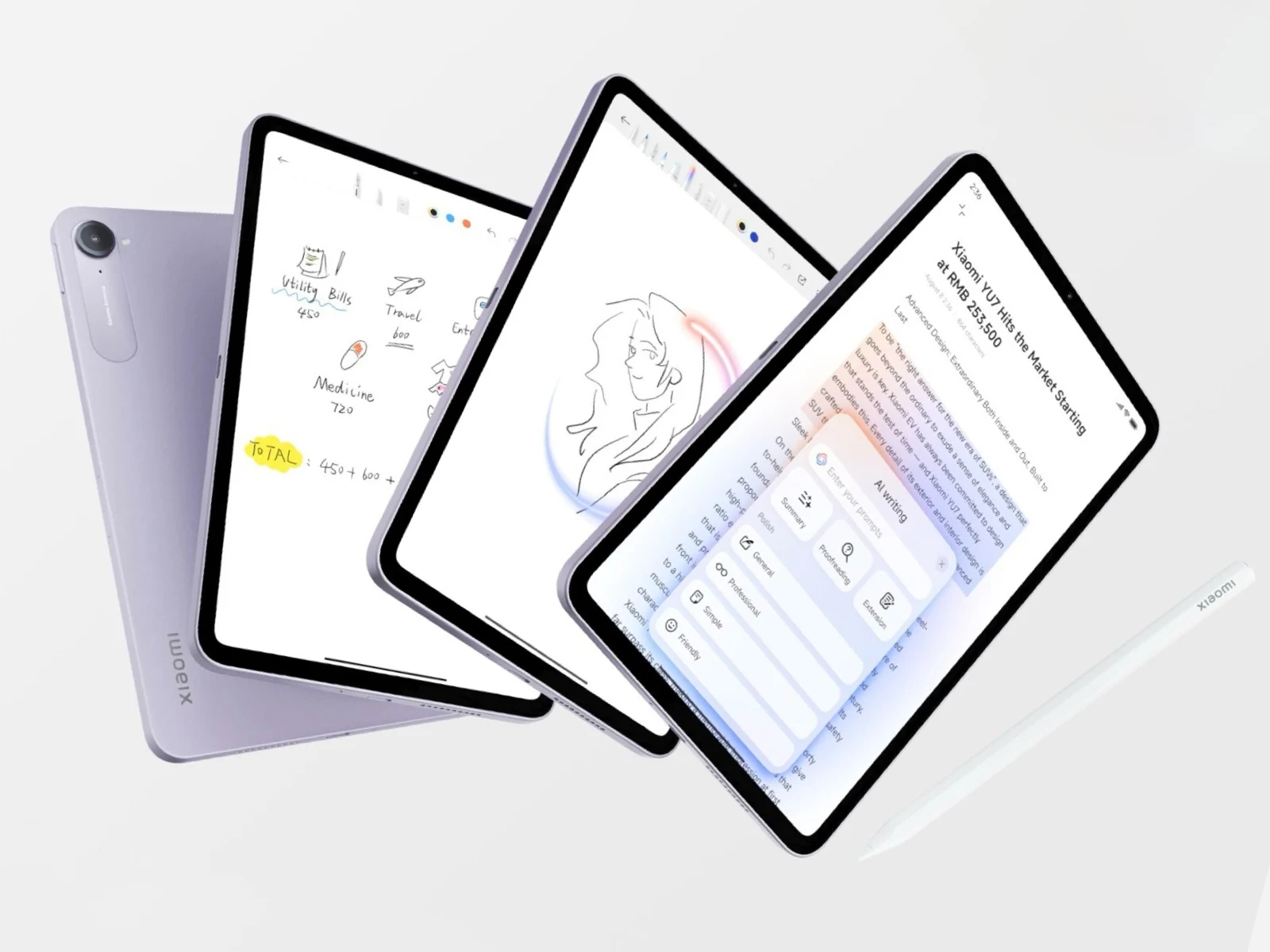
    A few months have gone by since Digital Chat Station last shared updates about Xiaomi’s upcoming small tablet. Now, this same source is back, highlighting what is believed to be the Redmi K Pad 2. For clarity, this tablet will serve as the direct successor to last year’s Redmi K Pad, which was marketed globally as the Pad Mini.

    Display Features

    As per Digital Chat Station, the Redmi K Pad 2 is expected to keep the 8.8-inch IPS display instead of switching to an OLED screen like the RedMagic Astra. In this way, the Redmi K Pad 2 will bear resemblance to Apple’s iPad mini (currently priced at $399 on Amazon). However, Xiaomi’s upcoming compact tablet will still feature a 165 Hz refresh rate and a native resolution of 3,008 x 1,880 pixels, which should give it an edge over Apple’s version in these aspects.

    Performance Enhancements

    It looks like Xiaomi plans to upgrade the Redmi K Pad from MediaTek’s Dimensity 9400+ to the newer Dimensity 9500 model. Benchmarks suggest that this upgrade could lead to a 28% boost in performance for the Redmi K Pad 2 compared to its predecessor. Digital Chat Station also mentions that a 20% increase in battery life is expected, with Xiaomi likely replacing the 7,500 mAh battery with one around 9,000 mAh. The same source currently predicts that Xiaomi will unveil the Redmi K Pad 2 in China by the end of June at the latest.

    Conclusion

    Digital Chat Station has provided useful insights into the anticipated features and specifications of the Redmi K Pad 2. With significant upgrades in performance and battery life, Xiaomi seems poised to make a strong impact in the compact tablet market, especially with its competitive pricing and features.

    Source:
    Link


  • Xiaomi Poco Pad M1 Review: Best Mid-Range Tablet 2023

    Xiaomi Poco Pad M1 Review: Best Mid-Range Tablet 2023

    Key Takeaways

    1. Display and Build Quality: The Xiaomi Poco Pad M1 features a large 12.1-inch screen and a sturdy aluminum unibody, offering a premium feel.

    2. Performance and Connectivity: Equipped with Wi-Fi 6 and powered by the Snapdragon 7s Gen 4, it delivers reliable daily performance, though it lacks 5G and NFC.

    3. Storage and Expandability: The tablet comes with 8 GB of RAM and 256 GB of UFS 2.2 storage, along with a microSD slot for additional storage.

    4. Camera and Display Features: The camera quality is acceptable for basic use, while the LCD screen provides vibrant colors and an adaptive refresh rate of up to 120 Hz.

    5. Audio Quality and Battery Life: The quad speakers have mediocre sound quality, but the 12,000 mAh battery offers excellent battery life with 33-watt charging support.


    In our evaluation, the Xiaomi Poco Pad M1 stands out as a balanced mid-range tablet, particularly thanks to its expansive 12.1-inch screen and reliable daily performance. The aluminum unibody is well-made, feels sturdy, and gives off a general sense of premium quality. Xiaomi only provides the tablet in one version, which includes 8 GB of RAM and 256 GB of UFS 2.2 storage. Additionally, there is a microSD slot and a 3.5 mm audio jack. However, it lacks features like 5G, NFC, and a vibration motor.

    Connectivity and Performance

    The Pad M1 utilizes Wi-Fi 6 for its connectivity, and during testing, it also operates on the 6 GHz band, allowing for fast data speeds. The responsive touchscreen works well with the optional Poco Smart Pen. There seems to be some miscommunication regarding software updates; while the community mentions support until 2029, the EPREL database indicates five years, meaning at least until 2030.

    Camera and Display Quality

    The cameras offer acceptable performance for a tablet, but they are noticeably behind modern smartphones. The image quality is adequate for video calls, casual photos, and basic documents. The LCD screen is impressive, displaying vibrant colors, good contrast due to a low black level, and an adaptive refresh rate of up to 120 Hz. Another highlight is the flicker-free display that doesn’t use PWM; however, it has restrictions when it comes to brightness in outdoor settings and supports only one HDR standard. The tablet is powered by the Snapdragon 7s Gen 4, which allows the system to run fluidly, although intensive applications can show its constraints.

    Audio and Battery Life

    The quad speakers featuring Dolby Atmos, however, produce sound that is fairly mediocre and lacks depth. On a more positive note, the battery life from the 12,000 mAh battery, which supports 33-watt charging, is excellent. Overall, the Poco Pad M1 (buy here on AliExpress) is a tablet that is easy to recommend for those seeking a large display, extended battery life, and good value for their money.

  • Stable HyperOS 3 Launches for 20 New Redmi and Xiaomi Devices

    Stable HyperOS 3 Launches for 20 New Redmi and Xiaomi Devices

    Key Takeaways

    1. Xiaomi has started the final phase of its HyperOS 3 rollout, delivering stable Android updates to over a dozen devices.
    2. The update includes 20 additional devices, including older flagship models and mid-range Redmi Note phones.
    3. Key devices receiving updates include the Xiaomi 12, Xiaomi 12S series, and several Redmi tablets and smart TVs.
    4. The stable HyperOS 3 update for certain models is likely based on Android 15, but offers a similar experience to that of Android 16.
    5. The global rollout of HyperOS 3 is ongoing and expected to continue until March, with many popular devices still waiting for updates.


    Xiaomi has started the last stage of its HyperOS 3 rollout, delivering the stable Android update to over a dozen devices. The company shared this news in an official post on its MIUI community forums in China, signaling the end of its domestic HyperOS 3 rollout that initially began in October.

    New Devices Added

    In this final phase, Xiaomi is bringing HyperOS 3 to 20 additional devices, which include older flagship models dating back to 2021, mid-range Redmi Note phones, several Redmi tablets, and smart TVs. The latest update revitalizes 2021 flagships such as the Xiaomi 12 and Xiaomi 12S series, along with the Redmi Note 12T Pro, Redmi Note 15R, Redmi 14C, Redmi Civi 3/2, Redmi K50 Ultimate Edition, and the Redmi Pad Pro series (Xiaomi 15 Pro currently priced at €697 at TradingShenzhen).

    List of Devices Receiving Updates

    Here’s the full list of devices that are set to receive the stable update:

    Although the official announcement does not specifically mention it, the stable HyperOS 3 build for the Xiaomi 12T Pro, Xiaomi 12S series, Redmi Note 12T Pro, and Xiaomi Civi 3 and 2 is likely based on Android 15 instead of the newest Android 16 base. Nonetheless, the overall software and user experience should remain quite similar to devices that run the Android 16 version, as most of the key features and visual updates of HyperOS 3 are not directly tied to the Android version. These older models should receive a comparable software experience, featuring the new iPhone-like Hyper Island, iOS-inspired lockscreen designs, system-level performance improvements that are said to enhance UI fluidity and app launch speeds, along with AI-driven writing and image editing tools.

    Global Rollout Still Ongoing

    While this announcement effectively concludes the HyperOS 3 rollout for Chinese versions, the global rollout is still in progress and is anticipated to last until March, with many popular devices still awaiting their updates.

    Source:
    Link