Tag: mid-range tablet

  • Xiaomi Struggles: Unique Tablet Features Matte Display

    Xiaomi Struggles: Unique Tablet Features Matte Display

    Key Takeaways

    1. Huawei cannot load Google software on its devices due to US restrictions, affecting users in the West.
    2. Users can access most Google services on the MatePad 11.5 S (2026) after some extra steps and downloading open-source apps.
    3. Google Wallet and Google Pay are not functional on the tablet, but this is not a major concern since it lacks NFC capability.
    4. The MatePad 11.5 S (2026) features a high-quality matte display that enhances clarity, color reproduction, and feels pleasant to use.
    5. The tablet lacks cellular connectivity and GPS, and there is room for improvement in battery efficiency.


    While Huawei has set up its own system in China, people in the West need to remember that the company is not able to load Google software because of US restrictions.

    Review Insights

    In our examination of the Huawei MatePad 11.5 S (2026), we took another detailed look at how problematic this issue really is. Yes, users need to perform a few additional steps and download some open-source applications, but after that, most Google services function fairly smoothly.

    Payment Limitations

    However, there are complications with Google Wallet and Google Pay, but those wouldn’t work on this tablet anyways since it lacks NFC capability. Therefore, this situation is hardly a concern for tablet buyers.

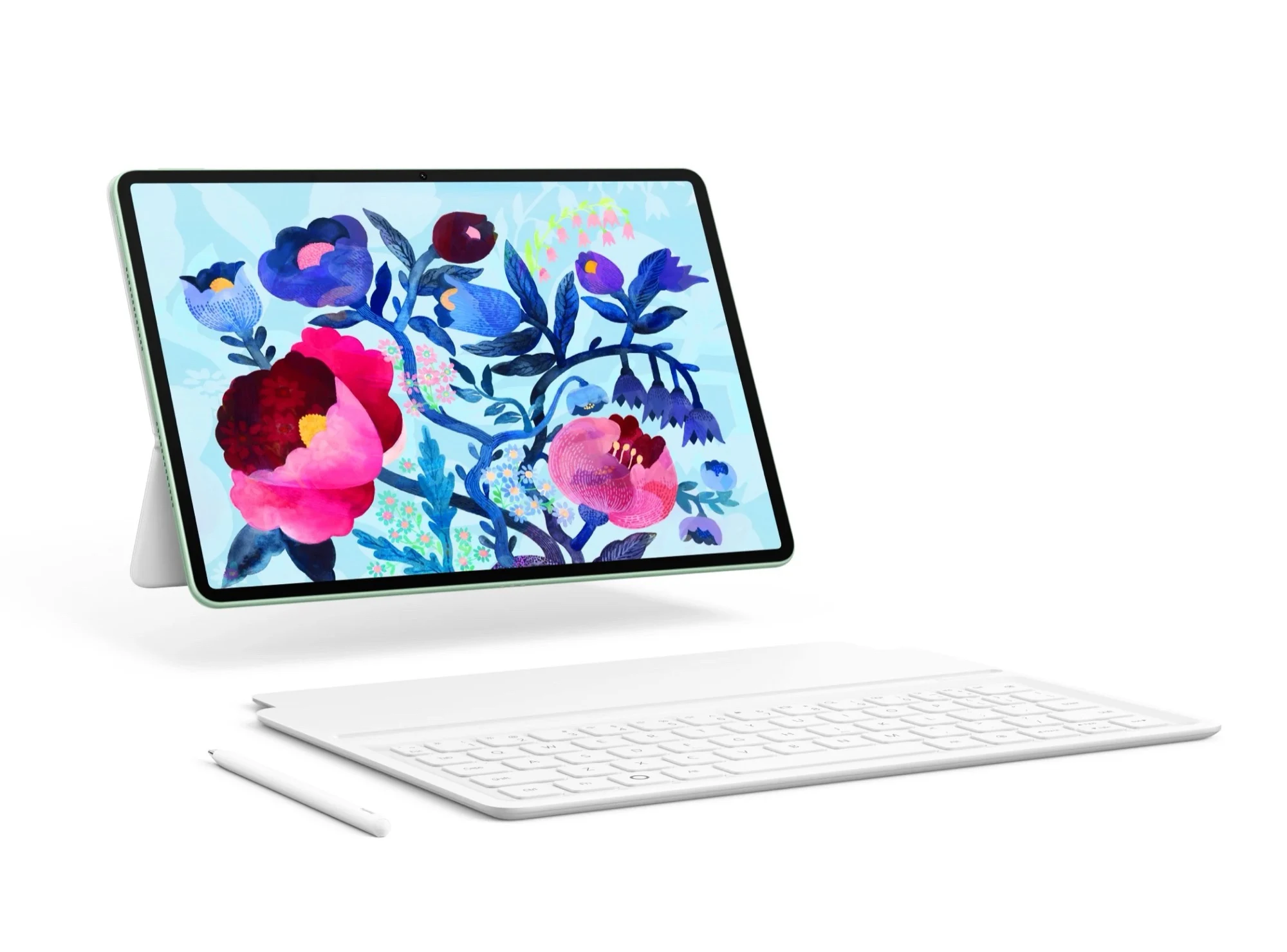
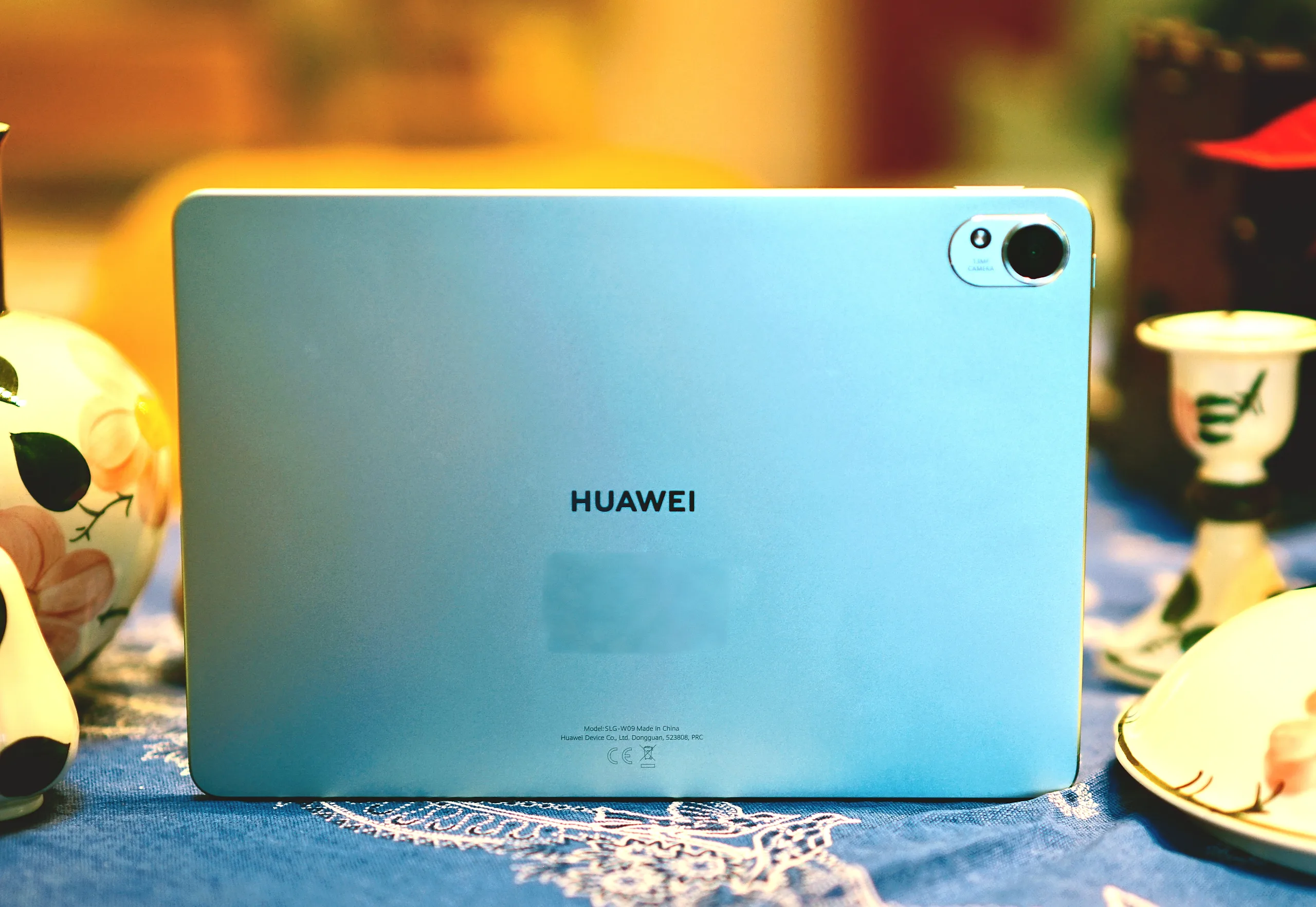
    The MatePad 11.5 S (2026) is quite groundbreaking and includes several features that you might not expect in a mid-range tablet. The Huawei tablet is priced below €500 and is compatible with the Huawei M-Pencil Pro, which provides numerous functions. For example, the stylus has various tips for drawing and writing and supports gestures, over 16,000 levels of pressure sensitivity, and tilt detection.

    Display Quality

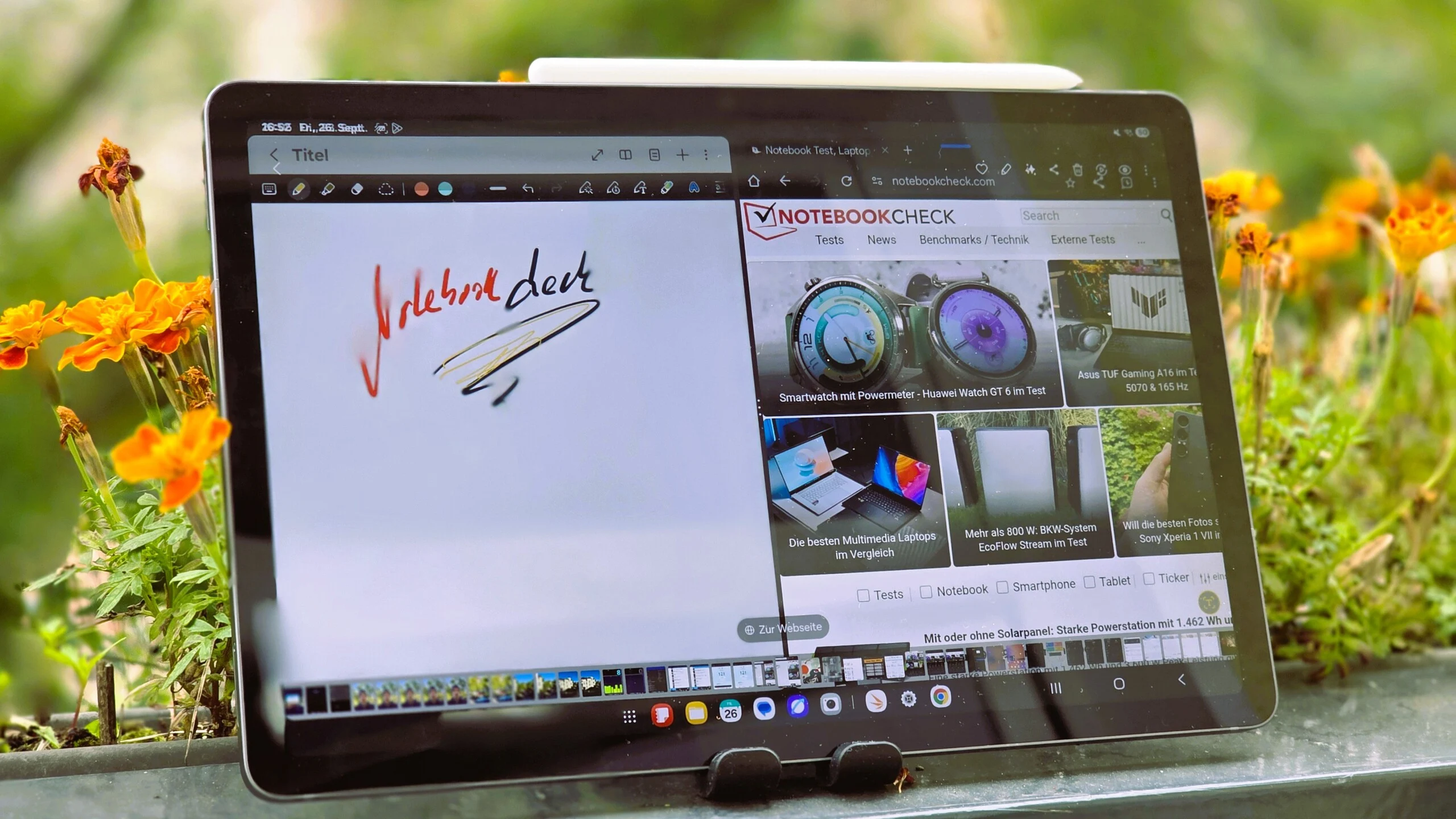
    Another standout feature is the matte display, which Huawei has further enhanced. Clarity and color reproduction are significantly improved, and the color accuracy tests in our review have validated this. The matte finish is very pleasant to touch, resists fingerprints and gives the stylus a bit more grip, making it feel like you’re writing or drawing on real paper.

    That said, there are some smaller drawbacks. There is no MatePad 11.5 S version with a cellular modem, and a GPS module is also absent. This is unfortunate since the low-glare display is actually perfect for outdoor usage.

    Battery life could also see improvements as the processor might be more efficient.

    In conclusion, the 11-inch Huawei tablet left us impressed with its innovative features, which is why you should definitely take a look at our detailed review of the Huawei MatePad 11.5 S (2026).


  • Xiaomi Poco Pad M1 Review: Best Mid-Range Tablet 2023

    Xiaomi Poco Pad M1 Review: Best Mid-Range Tablet 2023

    Key Takeaways

    1. Display and Build Quality: The Xiaomi Poco Pad M1 features a large 12.1-inch screen and a sturdy aluminum unibody, offering a premium feel.

    2. Performance and Connectivity: Equipped with Wi-Fi 6 and powered by the Snapdragon 7s Gen 4, it delivers reliable daily performance, though it lacks 5G and NFC.

    3. Storage and Expandability: The tablet comes with 8 GB of RAM and 256 GB of UFS 2.2 storage, along with a microSD slot for additional storage.

    4. Camera and Display Features: The camera quality is acceptable for basic use, while the LCD screen provides vibrant colors and an adaptive refresh rate of up to 120 Hz.

    5. Audio Quality and Battery Life: The quad speakers have mediocre sound quality, but the 12,000 mAh battery offers excellent battery life with 33-watt charging support.


    In our evaluation, the Xiaomi Poco Pad M1 stands out as a balanced mid-range tablet, particularly thanks to its expansive 12.1-inch screen and reliable daily performance. The aluminum unibody is well-made, feels sturdy, and gives off a general sense of premium quality. Xiaomi only provides the tablet in one version, which includes 8 GB of RAM and 256 GB of UFS 2.2 storage. Additionally, there is a microSD slot and a 3.5 mm audio jack. However, it lacks features like 5G, NFC, and a vibration motor.

    Connectivity and Performance

    The Pad M1 utilizes Wi-Fi 6 for its connectivity, and during testing, it also operates on the 6 GHz band, allowing for fast data speeds. The responsive touchscreen works well with the optional Poco Smart Pen. There seems to be some miscommunication regarding software updates; while the community mentions support until 2029, the EPREL database indicates five years, meaning at least until 2030.

    Camera and Display Quality

    The cameras offer acceptable performance for a tablet, but they are noticeably behind modern smartphones. The image quality is adequate for video calls, casual photos, and basic documents. The LCD screen is impressive, displaying vibrant colors, good contrast due to a low black level, and an adaptive refresh rate of up to 120 Hz. Another highlight is the flicker-free display that doesn’t use PWM; however, it has restrictions when it comes to brightness in outdoor settings and supports only one HDR standard. The tablet is powered by the Snapdragon 7s Gen 4, which allows the system to run fluidly, although intensive applications can show its constraints.

    Audio and Battery Life

    The quad speakers featuring Dolby Atmos, however, produce sound that is fairly mediocre and lacks depth. On a more positive note, the battery life from the 12,000 mAh battery, which supports 33-watt charging, is excellent. Overall, the Poco Pad M1 (buy here on AliExpress) is a tablet that is easy to recommend for those seeking a large display, extended battery life, and good value for their money.

  • Realme Pad 3: 120Hz Display, 12,200mAh Battery, Affordable Price

    Realme Pad 3: 120Hz Display, 12,200mAh Battery, Affordable Price

    Key Takeaways

    1. The Realme Pad 3 features an 11.61-inch IPS display with a resolution of 2,800 x 2,000 pixels and a 120 Hz refresh rate.
    2. It has a durable metal body, weighs 578 grams, and is 6.6 millimeters thick, with a 12,200 mAh battery offering up to 16.7 hours of video playback.
    3. The tablet runs on a MediaTek Dimensity 7300-Max processor and includes an 8 MP front and rear camera, a microSD card slot, and a fingerprint sensor.
    4. A keyboard cover is available for productivity, though it lacks a trackpad.
    5. The entry-level model is priced at INR 26,999 (around $300) in India, with a higher-end version costing INR 31,999 (approximately $355).


    The Realme Pad 3 is designed as a more affordable option compared to the Apple iPad, aiming to provide a bigger screen for less money. This tablet comes with an 11.61-inch IPS display at a 7:5 aspect ratio, boasting a resolution of 2,800 x 2,000 pixels, a 120 Hz refresh rate, and a brightness level peaking at 550 nits.

    Build and Battery

    This tablet, which weighs 578 grams and has a thickness of 6.6 millimeters, features a robust metal body. It packs a substantial 12,200 mAh battery that can be charged through USB-C at a rate of up to 45 watts. Additionally, it can act as a power bank to charge other devices at 6.5 watts. Realme claims that users can enjoy up to 16.7 hours of video playback on a single charge. Coupled with its quad speakers, the device is said to be suited for a variety of media tasks.

    Performance and Features

    For those looking to use it for work, Realme has a keyboard cover available, although it does not include a trackpad. The tablet runs on a MediaTek Dimensity 7300-Max processor, featuring four ARM Cortex-A78 cores for performance and four Cortex-A55 cores for efficiency. It also includes an 8 MP front-facing camera, an 8 MP rear camera, a microSD card slot, and a fingerprint sensor integrated into the power button.

    Pricing and Availability

    Initially, the Realme Pad 3 will be released in India. The entry-level model, which comes with 8 GB of RAM and 128 GB of internal storage, will be priced at INR 26,999 (around $300). The higher-end version with 8 GB of RAM, 256 GB of storage, and a 5G modem will retail for INR 31,999 (approximately $355). As of now, Realme has not provided any updates regarding an international release.

    Source:
    Link


  • Huawei MatePad 11.5 S 2026: 144 Hz Display and 12 GB RAM

    Huawei MatePad 11.5 S 2026: 144 Hz Display and 12 GB RAM

    Key Takeaways

    1. Enhanced RAM and Battery: Increased from 8 GB to 12 GB RAM and improved battery capacity to 8,800 mAh with 40W charging.
    2. Design and Display: Features a simple design with narrow bezels, an 11.5-inch IPS screen, 2,800 x 1,840 resolution, 144 Hz refresh rate, and 500 nits brightness.
    3. Multimedia and Productivity: Weighs 515 grams, has quad speakers, and supports the Huawei M-Pencil Pro and keyboard cover for productivity.
    4. Camera Specs: 8 MP selfie camera and 13 MP main camera for quality photography.
    5. Pricing and Variants: Base model priced at €479 with plans for a version without a keyboard case and a 512 GB storage option.


    The Huawei MatePad 11.5 S 2026 closely resembles the previous model but comes with two notable enhancements. The RAM has been increased from 8 GB to 12 GB, providing better performance. Additionally, the battery now has a capacity of 8,800 mAh and supports charging at a rate of up to 40 watts, a significant improvement from the prior 22.5 watts.

    Design and Display

    This tablet is marketed as a mid-range option featuring a straightforward design. Huawei has chosen narrow bezels, a slightly curved frame, and an aluminum back available in green or dark gray. The device boasts an 11.5-inch IPS screen with a resolution of 2,800 x 1,840, a refresh rate of 144 Hz, and a brightness level of 500 nits.

    Multimedia and Productivity

    Measuring 6.1 millimeters thick and weighing 515 grams, this tablet is considered great for multimedia use, thanks to its quad speakers. The Huawei M-Pencil Pro and a keyboard cover are available, making it suitable for productivity tasks. The selfie camera is 8 MP with an f/2.0 aperture, located at the edge of the display, while the main camera, which is 13 MP with an f/1.8 aperture, is situated in a pill-shaped module. For connectivity, it includes Wi-Fi 6, Huawei NearLink, and USB-C 3.0.

    The Huawei MatePad 11.5 S 2026, featuring 12 GB of RAM, 256 GB of storage, a keyboard case, and a stylus, will retail for €479. The PaperMatte Edition with the same storage configuration is priced at €529. There are plans to release a version without a keyboard case, as well as a 512 GB storage option in the future.

    Source:
    Link


  • Xiaomi Poco Pad M1: Snapdragon 7s Gen 4, 12,000mAh, Blue Option

    Xiaomi Poco Pad M1: Snapdragon 7s Gen 4, 12,000mAh, Blue Option

    Key Takeaways

    1. The Poco Pad M1 will feature a flat frame design with blue or black color options and a pill-shaped camera module.
    2. It is expected to have a 16:10 IPS display with a resolution of 2,560 x 1,600 pixels and a 120 Hz refresh rate.
    3. The tablet may be powered by a Qualcomm Snapdragon 7s Gen 4 processor, with options for 8 GB RAM and 256 GB internal storage.
    4. It will likely include a large 12,000 mAh battery with 33-watt charging support and dual 8 MP cameras.
    5. The Poco Pad M1 will have quad speakers and a 3.5 mm headphone jack, but pricing and availability details are still unknown.


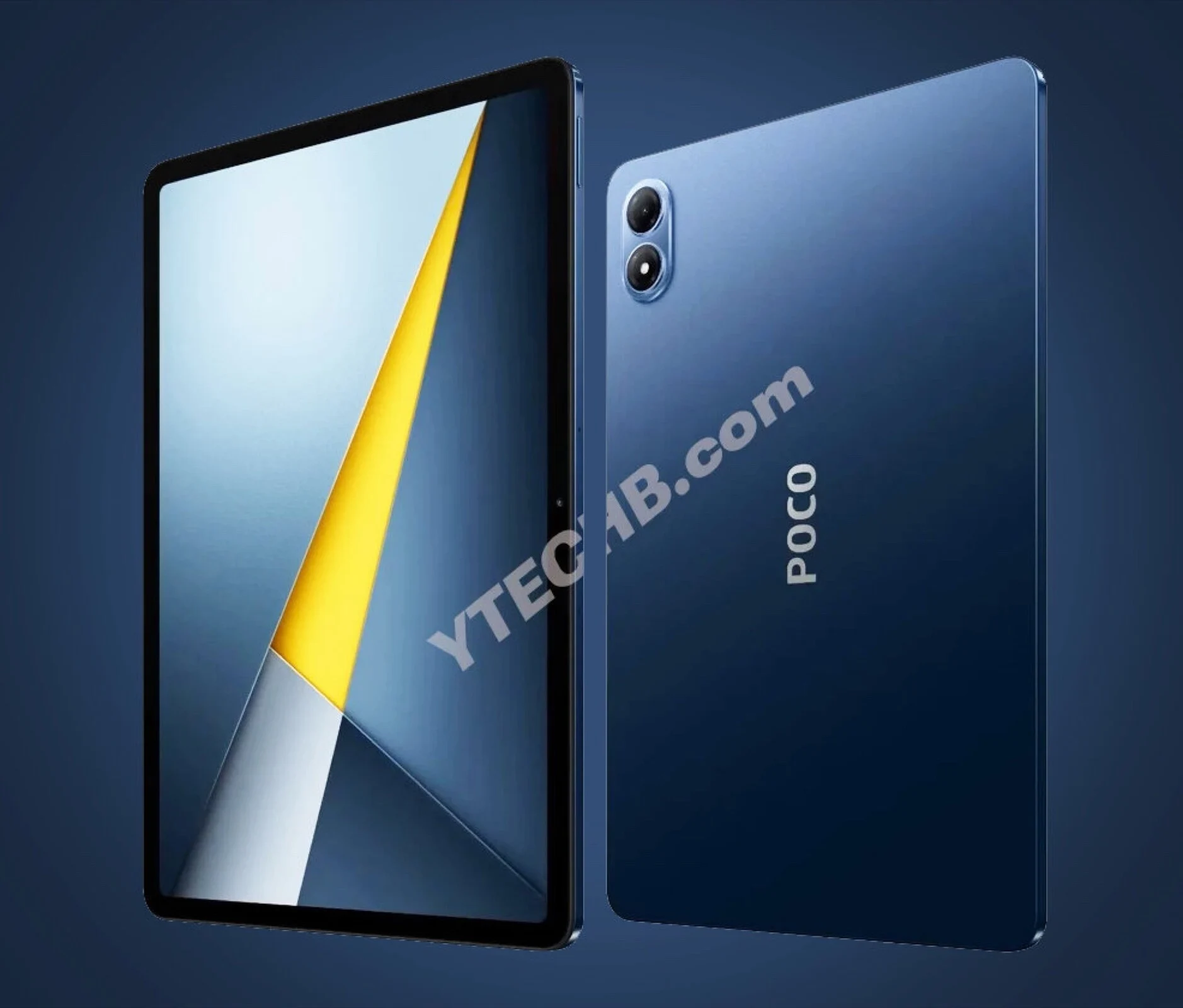
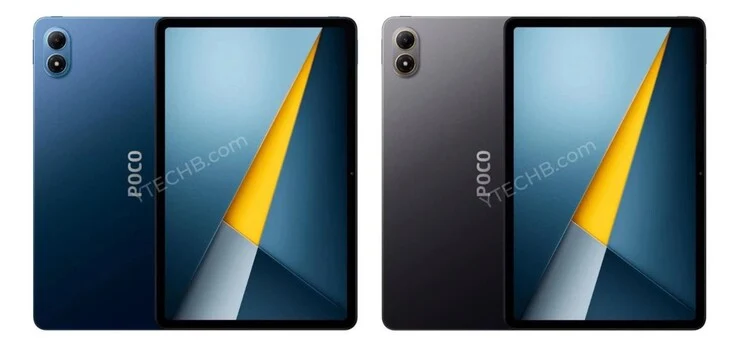
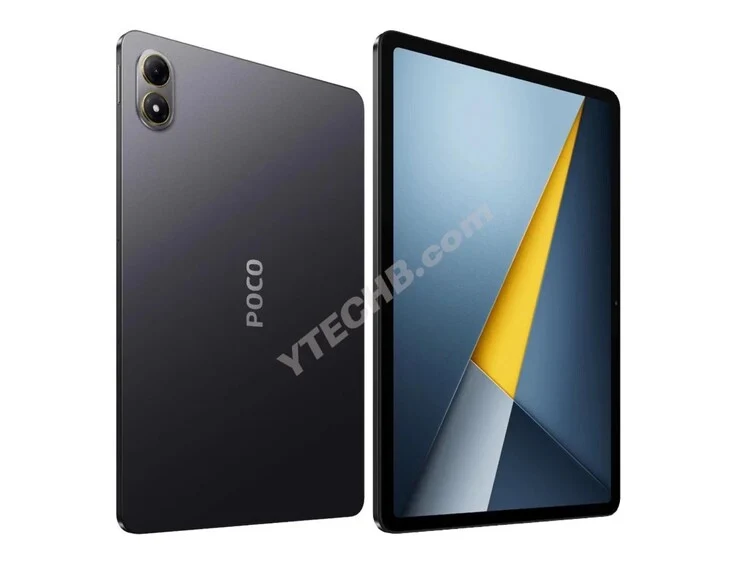
    Xiaomi is planning to unveil a new mid-range tablet called the Poco Pad M1 soon. Ytechb has managed to get some early details regarding the tablet’s features and has shared what seem to be the first official images of it.

    Design and Display

    The Poco Pad M1 is likely to come in blue or black options and will have a flat frame, a pill-shaped camera module, and a consistent bezel surrounding the display, which is a typical design for tablets. As the next version of the Poco Pad (4G), this device is expected to have strong specifications. Xiaomi is believed to be including an IPS panel with a 16:10 aspect ratio, a resolution of 2,560 x 1,600 pixels, and a 120 Hz refresh rate.

    Performance and Features

    According to earlier reports, the tablet may be powered by a Qualcomm Snapdragon 7s Gen 4 processor. This chip comprises four ARM Cortex-A720 performance cores and four Cortex-A520 efficiency cores. Sources indicate that at least one version of the Poco Pad M1 will be equipped with 8 GB of RAM and 256 GB of internal storage. Additionally, it is said to feature a 12,000 mAh battery that supports 33-watt charging through USB-C. The tablet is expected to measure 7.5 mm (0.30 in) in thickness and weigh 610 g (1.34 lb). It will likely have an 8 MP f/2.0 main camera along with an 8 MP front camera.

    Audio and Pricing

    For audio, the Poco Pad M1 comes with quad speakers and a 3.5 mm headphone jack, making it suitable for media consumption. The leaked specs imply that the tablet is based on the Redmi Pad 2 Pro, which is approximately priced at $370 on Amazon. However, details about the pricing and availability of the Poco Pad M1 are still unknown.

    Ytechb’s coverage continues to deliver insights into this upcoming device.

    Source:
    Link


  • Oppo Pad 5 Launches: Dimensity 9400+, 144Hz 3K Display for $365

    Oppo Pad 5 Launches: Dimensity 9400+, 144Hz 3K Display for $365

    Key Takeaways

    1. The Oppo Pad 5 features a sleek aluminum design, measuring 0.24 inches in thickness, with a pill-shaped camera bump.
    2. It is powered by a MediaTek Dimensity 9400+ processor, offering configurations with up to 16GB RAM and 512GB storage.
    3. The tablet sports a 12.1-inch IPS display with a resolution of 3000 x 2120 pixels, a 144Hz refresh rate, and 98% DCI-P3 color coverage.
    4. Additional accessories include the Pencil 2 Pro and a keyboard case with a trackpad, aimed at enhancing productivity.
    5. Currently available in China, the Oppo Pad 5 starts at approximately $365 and may have a global release announcement on October 28.


    Alongside the Oppo Find X9 and Find X9 Pro, Oppo has unveiled a new mid-range tablet today. The Oppo Pad 5 features an aluminum body that measures just 0.24 inches in thickness and has a pill-shaped camera bump. While its design might seem ordinary, it seeks to win over customers mainly with an attractive price-performance ratio.

    Powerful Specifications

    To achieve this, Oppo equips the tablet with a MediaTek Dimensity 9400+ processor, available with up to 16GB of RAM and 512GB of storage. It boasts a 12.1-inch IPS display that has a 7:5 aspect ratio, delivering a sharp resolution of 3000 x 2120 pixels, a fast 144Hz refresh rate, and a maximum brightness of 900 nits. The display also achieves 98% coverage of the DCI-P3 color spectrum.

    Additional Accessories

    For those looking to enhance productivity, Oppo offers the Pencil 2 Pro and a keyboard case with a trackpad, sold separately. The tablet is powered by a substantial 10,420mAh battery, which can be charged via USB-C at a rapid 67 watts. It also supports WiFi 7 and Bluetooth 5, along with high-quality audio codecs like Sony LDAC, Qualcomm aptX HD, and LHDC 5.0. The USB-C port is capable of transferring data at up to 5Gbps, and there are 8MP cameras located on both the front and rear.

    The Oppo Pad 5 is presently only available in China, where the entry-level model featuring 8GB of RAM and 128GB storage is priced at about $365. The highest configuration, which includes 16GB of RAM and 512GB of storage, is priced at $505. Information about a potential global release could be revealed as soon as October 28, when Oppo is set to announce the European launch of the Oppo Find X9 and Find X9 Pro.

    Source:
    Link


  • Samsung Galaxy Tab S10 Lite Review: Cost-Cutting Concerns

    Samsung Galaxy Tab S10 Lite Review: Cost-Cutting Concerns

    Key Takeaways

    1. Strong Build and Update Promise: The Galaxy Tab S10 Lite is well-constructed and offers long-term software support, making it budget-friendly.

    2. Integration with Samsung’s Ecosystem: The tablet features excellent stylus functionality and a 5G option, enhancing its appeal for Samsung users.

    3. Performance Limitations: Powered by the Exynos 1380, the tablet struggles with lag and smooth operation during use, especially compared to competitors.

    4. Comparison with Competitors: The S10 Lite falls short in benchmark tests against models like the Galaxy Tab S10 FE and Xiaomi Pad 7 Pro, highlighting its weaker performance.

    5. Consideration for Budget Users: While it’s a decent option for budget-conscious users, potential buyers should weigh its performance challenges before purchasing.


    In our assessment, the Galaxy Tab S10 Lite shows itself to be strong and well-constructed. The tablet offers a very appealing update promise, making it a good choice for users who are mindful of their budget and appreciate long-term software support without wanting to spend a lot on a device.

    Samsung’s Features and Ecosystem

    One of the major attractions of the Galaxy Tab S10 Lite is its integration with Samsung’s ecosystem and the outstanding stylus functionality. Additionally, it comes in a 5G version. However, if someone places a high priority on performance and seamless operation, they might want to look at other models that feature newer processors and stronger GPUs, as the Galaxy Tab S10 Lite has clear limitations in this area and can quickly hit its performance ceiling.

    Performance Limitations

    The Galaxy Tab S10 Lite is powered by the relatively underwhelming Exynos 1380. Our evaluations reveal that this performance shortfall often leads to lagging and less-than-smooth operation during use.

    The system-on-chip (SoC), which is also used in the Galaxy Tab S9 FE, is adequate for daily tasks, but it doesn’t offer the high performance present in many competing tablets available today. When placed side-by-side with rivals that feature more advanced chipsets, like the Xiaomi Pad 7 Pro, the Tab S10 Lite appears to be less equipped for future demands in terms of performance.

    Comparison with Competitors

    Unlike the Galaxy Tab S10 FE, which utilizes the slightly more robust Exynos 1580, the S10 Lite trails significantly in benchmark tests. The Mali-G68 MP5 also fails to impress in the 4K graphics performance test, managing only about 6 FPS, which is quite low.

    In conclusion, the Galaxy Tab S10 Lite is a decent option for budget-conscious users but comes with its own set of performance challenges that should be taken into account before making a purchase.

    Source:
    Link


  • Samsung Galaxy Tab S10 Lite: Exynos 1380, 8,000mAh Battery

    Samsung Galaxy Tab S10 Lite: Exynos 1380, 8,000mAh Battery

    Key Takeaways

    1. Samsung has launched the Galaxy Tab S10 Lite, a mid-range tablet priced starting at €399 ($466.6).
    2. The tablet features a 10.9-inch TFT LCD display with a resolution of 2112 x 1320p and a maximum brightness of 600 nits.
    3. It is powered by the Exynos 1380 chipset, with options for 6 or 8 GB of RAM and 128 or 256 GB of expandable storage.
    4. The device includes an 8 MP rear camera, a 5 MP front camera, an 8,000 mAh battery, and runs on Android 15.
    5. Notable features include a side-mounted fingerprint reader, Wi-Fi 6, Bluetooth v5.3, 5G connectivity, and compatibility with the S Pen and keyboard cover.


    After weeks of leaks and whispers, Samsung has officially unveiled its newest mid-range tablet, the Galaxy Tab S10 Lite. This device joins the high-end Galaxy Tab S10 Ultra (currently priced at $979.99 on Amazon), along with the Galaxy Tab S10+, Galaxy Tab S10 FE, and Tab S10 FE+. The latest offering from Samsung packs a solid array of features considering its price point.

    Display and Design

    Similar to the S10 FE, the Galaxy Tab S10 Lite boasts a 10.9-inch TFT LCD screen that delivers a resolution of 2112 x 1320p (WUXGA+) with a maximum brightness of 600 nits. In terms of size, the tablet measures 165.8 x 254.3 x 6.6 mm (6.52 x 10 x 0.25 inches) and has a weight of about 524 grams (1.15 lbs), not including any add-ons. Inside, it is equipped with Samsung’s older Exynos 1380 chipset, coupled with options for 6 or 8 GB of RAM and 128 or 256 GB of storage, which can be expanded by up to 2 TB using a micro-SD card.

    Battery and Software

    The S10 Lite shares the same battery specs as the Tab S10 FE, housing an 8,000 mAh battery. On the software side, it comes with Android 15 right out of the box, although there hasn’t been any information released about future software updates. In terms of design, it closely resembles its siblings but has noticeably thicker bezels. For photography enthusiasts, it includes an 8 MP rear camera and a 5 MP front-facing camera for selfies and video calls.

    Additional Features and Pricing

    Other notable features of the Galaxy Tab S10 Lite include a side-mounted fingerprint reader, Wi-Fi 6, Bluetooth v5.3, and 5G connectivity. It also introduces several new AI capabilities, like circle to search and handwriting assistance. Additionally, the tablet is compatible with the included S Pen and a keyboard cover.

    When it comes to pricing, the Samsung Galaxy Tab S10 Lite with 6 GB of RAM and 128 GB of storage starts at €399 ($466.6), while the 8 GB and 256 GB version is priced at €469 ($548.3). For the 6 GB + 128 GB and 8 GB + 256 GB Wi-Fi + 5G variants, the prices are €459 ($536.6) and €529 ($618.5), respectively. As for colors, customers have the choice of gray, silver, or coral red. The tablet is set to launch on September 5 through Samsung’s official website and various authorized retailers.


  • Lenovo Legion Tab 3 Review: Best Compact Gaming Tablet 2023

    Lenovo Legion Tab 3 Review: Best Compact Gaming Tablet 2023

    Key Takeaways

    1. Price and Design: The Lenovo Legion Tab 3 is priced at $549 and features a lightweight, compact design, making it stand out in the sub-10-inch tablet market.

    2. Performance and Versatility: It is powered by a robust Qualcomm chipset, includes dual USB ports, and has a Desktop Mode for enhanced productivity.

    3. Creative Features: The tablet supports an active pen, allowing users to utilize it as a digital notepad, which is beneficial for creative tasks.

    4. Gaming Capabilities: The Legion Tab 3 is designed with gamers in mind, featuring strong hardware and a display that reduces flickering, making it more comfortable for extended gaming sessions.

    5. Limitations: Despite its strengths, the tablet has drawbacks that prevent it from fully replacing a smartphone.


    The Lenovo Legion Tab 3 is a highly adaptable mid-range tablet, priced at an official MSRP of $549 on Lenovo’s online store. Its lightweight and compact design stands out, especially as there are few competitors in the sub-10-inch tablet market. The only real alternative is the Apple iPad Mini (2024).

    Performance and Features

    This Lenovo tablet boasts a robust Qualcomm chipset, making the Legion Tab 3 versatile for various tasks. It features dual USB ports and a Desktop Mode, enhancing productivity. Additionally, the active pen is a great tool for creative users, with stylus support marketed specifically to turn the tablet into a digital notepad.

    Gaming Potential

    Thanks to the Legion branding, this tablet could appeal to gamers. For those who find smartphone screens too small for gaming, the combination of strong hardware and a visually appealing display without PWM can be a great benefit. The absence of the common flickering found in OLED screens makes the Legion Tab 3 more comfortable for extended use.

    Limitations to Consider

    Nevertheless, some drawbacks should be noted, as they stop the gaming tablet from serving as a complete smartphone substitute. To dive deeper into this topic, be sure to check our comprehensive review of the Lenovo Legion Tab Gen 3.

    Source:
    Link


  • Honor Pad X9a: 11.5-Inch Screen and 8300mAh Battery Launched

    Honor Pad X9a: 11.5-Inch Screen and 8300mAh Battery Launched

    Key Takeaways

    1. The Honor Pad X9a features an 11.5-inch LCD display with a 2.5K resolution and a 120Hz refresh rate for smooth visuals.
    2. It is powered by a Qualcomm Snapdragon 685 chipset with 8GB of RAM, which can be virtually expanded to 16GB, but has no expandable storage options.
    3. The tablet includes an 8MP rear camera and a 5MP front camera, suitable for basic functions like video calls.
    4. It has an 8,300mAh battery with 35W charging, boasting a standby time of up to 70 days.
    5. The device operates on Android 15-based MagicOS 9.0, supports Wi-Fi and Bluetooth 5.1, and is compatible with Honor’s accessories, but lacks LTE support.


    Honor has launched the Pad X9a, its newest mid-tier tablet in Malaysia. The company isn’t making a huge announcement with this release, and specific pricing information is still not revealed. However, now that the tablet is available on Honor Malaysia’s website, we can dive into its specifications and features. Let’s take a closer look.

    Honor Pad X9a Overview

    The Honor Pad X9a features an 11.5-inch LCD display boasting a 2.5K resolution (1504 x 2508 pixels) along with a 120Hz refresh rate, making scrolling and animations fluid.

    Inside, it is powered by Qualcomm’s Snapdragon 685 chipset, which is an entry-level processor built on TSMC’s 6nm technology. Honor has combined this with 8GB of RAM that can be virtually expanded to another 8GB from its 128GB of internal storage. However, the storage isn’t expandable, meaning users are restricted to what is built-in.

    Camera and Battery Specs

    For its cameras, the Pad X9a keeps it simple with an 8MP rear camera that includes autofocus and an f/2.0 aperture. On the front side, there’s a 5MP camera designed for video calls and selfies.

    As is typical with tablets, camera hardware isn’t a primary focus here. Nevertheless, it should suffice for basic functions like document scanning or video calls. The device is powered by an 8,300mAh battery that supports 35W charging. Honor claims that the tablet can remain on standby for as long as 70 days, although actual performance may differ.

    Connectivity and Software

    This tablet supports Wi-Fi and Bluetooth 5.1 and is compatible with Honor’s wireless keyboards and stylus accessories. It operates on Android 15-based MagicOS 9.0 and can work with both a stylus and a Bluetooth keyboard. However, it lacks LTE or any telco network support.

    Currently, the Pad X9a is available in a single Gray color variant, but, as mentioned before, pricing information is still undisclosed. With its mid-range specifications, it is anticipated to compete against similarly priced tablets from brands like Samsung and Xiaomi.