Tag: Xiaomi

  • Redmi K80 Series: Key Features and Expectations Explained

    Redmi K80 Series: Key Features and Expectations Explained

    Xiaomi’s sub-brand Redmi is preparing to unveil the K80 series smartphones in China on November 27. The K-series has always been a hit in the mainland, as it brings flagship-level features at a lower cost. The demand was shown clearly last year when the Redmi K70 series sold over 2 million units in just a few days.

    Exciting Changes Ahead

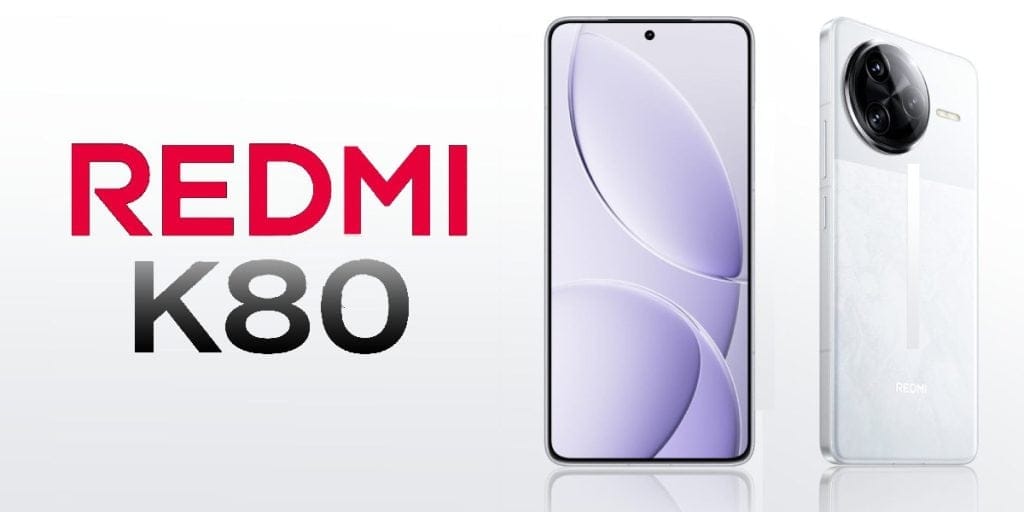
    The K80 series is expected to be another triumph in China, and there are several reasons for this optimism. Firstly, Redmi is altering its product strategy this year. The K-series will now serve as the brand’s premium offering, filling the space between Xiaomi’s high-end number series phones, like the Xiaomi 15. The company has also unveiled a new logo displaying bold red letters in uppercase: “REDMI.” Moreover, Redmi is simplifying its K lineup by releasing only two models in the K80 series: the K80 and K80 Pro. Unlike earlier generations, there won’t be a K80e model.

    What to Anticipate from the K80 Series

    With these updates, what can we look forward to from the Redmi K80 series? Let’s examine what information we have so far.

    1. Top-notch Display
      Even though the company has not disclosed all the specifics of the new devices, we already have substantial knowledge regarding their displays. Both the K80 and K80 Pro will come with a 2K resolution AMOLED display made by TCL Huaxing. The screen utilizes customized M9 Luminescent material, which decreases power usage by 20.3% compared to the K70 series display. It also provides 1800 nits of peak brightness and includes features for eye health, such as DC Dimming, circular polarization technology, and AON Intelligent Eye Protection.

    Enhanced Eye Protection Features

    Furthermore, the display will offer hardware-level eye protection, full brightness DC dimming, and has received TÜV Rheinland’s flicker-free eye protection certification. It also includes ADV-MEMC image quality eye protection and AON Smart Eye Care, which enables real-time monitoring of visual health.
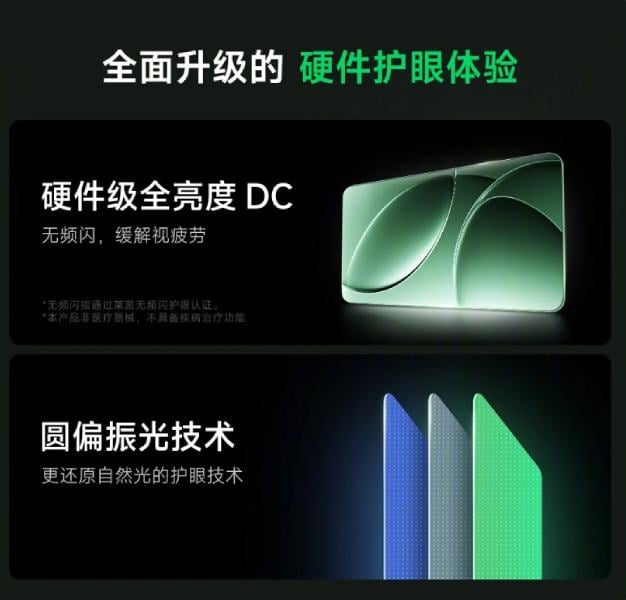
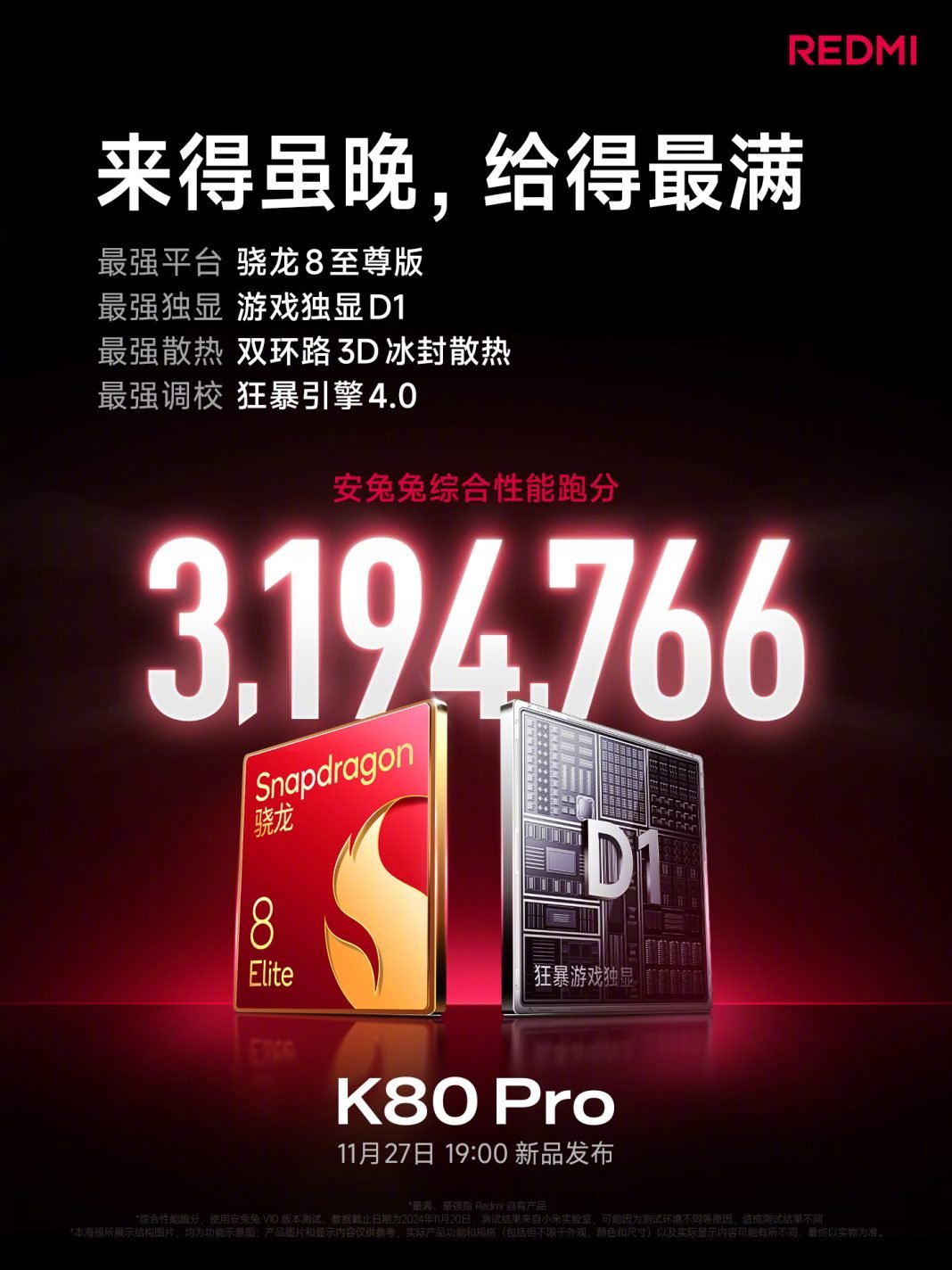
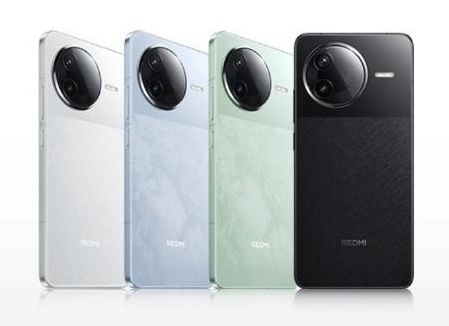
    Image 1
    Image 1
    Image 1
  • Apple and Samsung Losing Fast Charging Battle to Chinese Brands

    Apple and Samsung Losing Fast Charging Battle to Chinese Brands

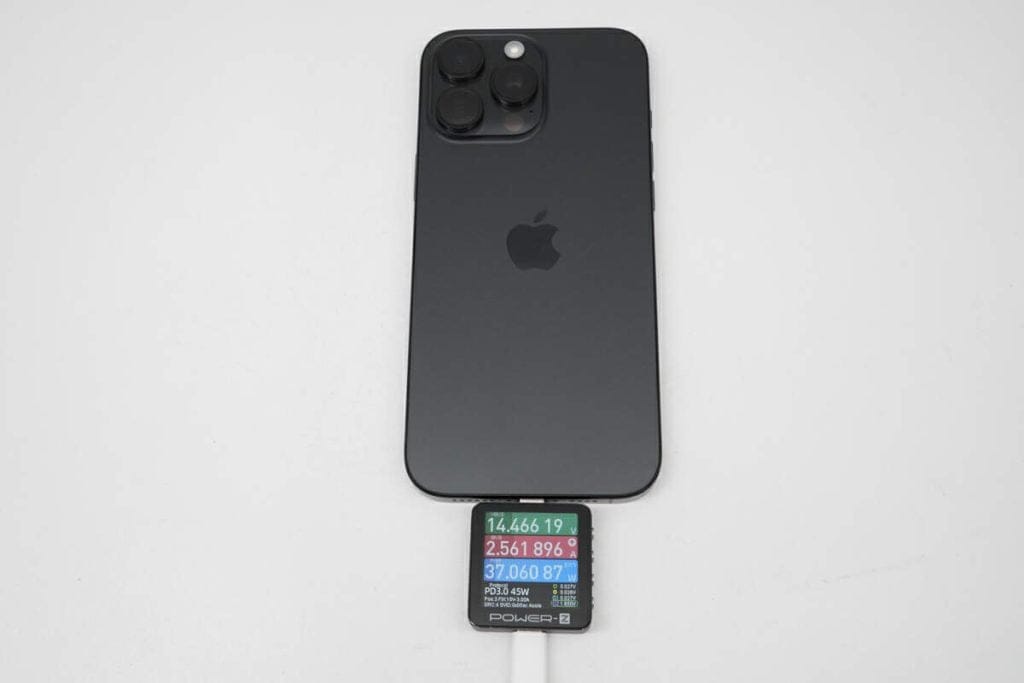
    Smartphone manufacturers are constantly striving to enhance their innovations. This can encompass various aspects such as photography, display quality, performance, battery longevity, and much more. While Apple and Samsung were once at the forefront of mobile technology, many Chinese brands have surpassed them in these areas. One significant domain where these two established companies fall short is in fast charging technology. Here’s an exploration of why Samsung and Apple find it challenging to keep pace in this respect.

    Chinese Brands Dominate Fast Charging

    In the past few years, Chinese smartphone manufacturers have significantly advanced fast charging capabilities in their devices. High-end models from companies like Xiaomi, Oppo, Vivo, OnePlus, and others frequently achieve or exceed the 100W threshold. Some models have even surpassed a staggering 200W charging rate. A prime example of this is the Realme GT 5, which offers an impressive 240W fast charging capability.

    Innovation and Investment

    These incredibly rapid charging speeds come from major advancements fueled by substantial investments in research and development. The focus is not just on enhancing battery efficiency but also on increasing charging speeds while ensuring safety and maintaining battery health.

  • Xiaomi Reveals Competitors Marking Up ¥3,000 Items to ¥20,000

    Xiaomi Reveals Competitors Marking Up ¥3,000 Items to ¥20,000

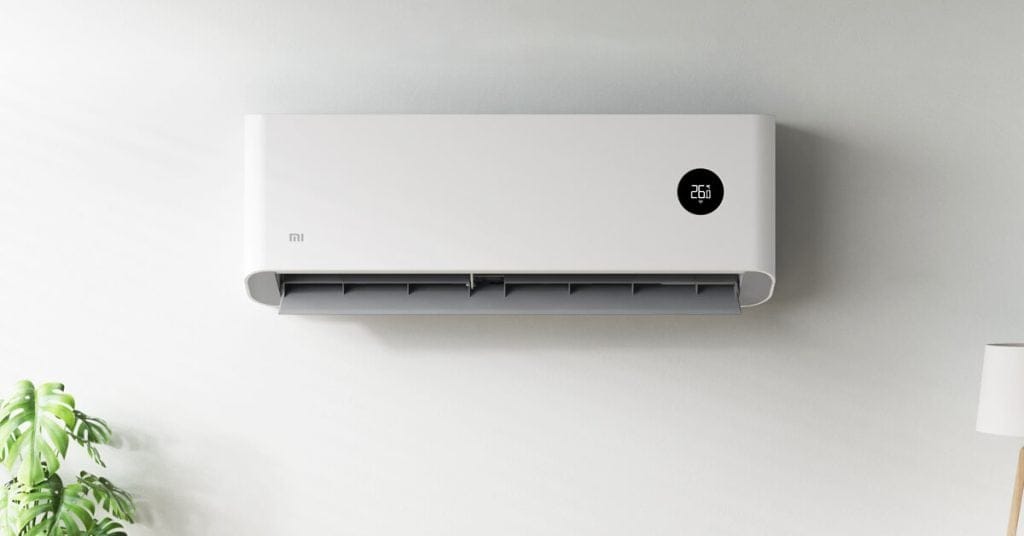
    Xiaomi, a well-known tech company recognized for its smartphones and smart devices, is making notable progress in the home appliance sector. The latest financial report from the company shows remarkable growth in shipments of air conditioners, refrigerators, and washing machines.

    Xiaomi’s Winning Formula

    Lu Weibing, the Group partner and president of Xiaomi, credited this achievement to the company’s creative strategies and dedication to offering value to customers. He pointed out that Xiaomi’s air conditioners have been particularly influential in this growth, with shipments surpassing 1.7 million units in Q3 2024, representing a year-over-year rise of more than 55%.

    Focus on Transparency and Cost

    A major reason for Xiaomi’s success in the air conditioner market lies in its emphasis on cost-efficiency and transparency. Lu noted that the profit margins on Xiaomi’s air conditioners are just above 10%, which is much lower than the industry standard of 30-40%. This bold pricing strategy is feasible due to Xiaomi’s streamlined operations and its direct-to-consumer sales model.

    Lu also took aim at traditional home appliance makers, criticizing them for charging excessive prices for their products. He mentioned that certain air conditioners, which have a production cost of only 3,000 yuan ($413), are sold for outrageous prices reaching up to 20,000 yuan ($2,759). Xiaomi, he asserted, seeks to eliminate information gaps and offer real value to consumers.

    Enhanced Customer Experience

    In an effort to improve its customer service, Xiaomi has simplified its air conditioner service processes. The company has combined disassembly, delivery, and installation into one seamless operation, making life easier for customers. This unique method differentiates Xiaomi from its rivals and boosts overall customer satisfaction.

    Lu also voiced his frustration over the stagnation in the traditional home appliance sector. He condemned the practice of marketing the same product under different brand names at varying prices, which he considers unjust to consumers.

    According to a previous report, Xiaomi now holds the third-largest market share at 11.82%, marking a 4.31% increase from the previous year. This positions Xiaomi closer to the industry leaders, Gree (24.04% share, down 3.01%) and Midea (25.01%), as it leverages affordability with an average price of 2,281 yuan ($318). Meanwhile, Gree is encountering difficulties, including a 15.84% revenue decline in Q3. Xiaomi’s momentum, fueled by strong IoT integration and features like AI upgrades, could see its air conditioner sales surpass its TV sales by 2026.

  • Xiaomi Redmi Note 14 Pro Plus Official Release Date and More Smartphones

    Xiaomi Redmi Note 14 Pro Plus Official Release Date and More Smartphones

    It’s clear that Xiaomi plans to launch the Redmi Note 14 series in more regions beyond China. To give some background, the company started this series in September with the release of several Redmi Note 14 smartphones.

    5G Models and Potential 4G Variants

    All of these smartphones are equipped with 5G capabilities. However, there have been recent rumors indicating that 4G versions might also be in the works, aimed to take the place of the Redmi Note 13 Pro 4G (currently priced at $212 on Amazon). Recently, Xiaomi announced its intentions to present the Redmi Note 14 series on an international scale, even though the previous models were only launched earlier this year. It appears that the company is gearing up to share additional information about this upcoming release.

    Launch Plans for India

    In a prior tease, Xiaomi hinted that the series would be available in India next month. As anticipated, Xiaomi plans to make the Redmi Note 14, Redmi Note 14 Pro, and Redmi Note 14 Pro Plus available in India first, before expanding to other countries.

    Release Date and Future Markets

    The company has now disclosed that the Redmi Note 14 series is set to debut in India on December 9. It’s possible that launches in Europe and other regions may follow closely after, although Xiaomi hasn’t confirmed this just yet.

    Source: Link,Link


    Image 1
  • Redmi A4 5G Launch in India: Snapdragon 4s, Big Battery, Rs 8499

    Redmi A4 5G Launch in India: Snapdragon 4s, Big Battery, Rs 8499

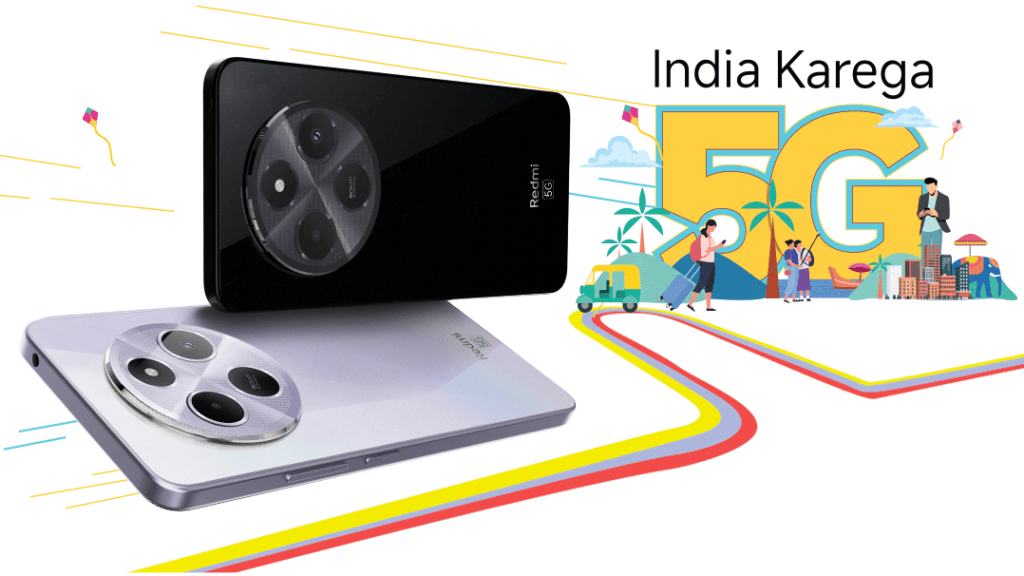
    Xiaomi has recently introduced the Redmi A4 5G to the Indian market. This new smartphone is designed to be budget-friendly and comes with impressive specifications and features. Here’s a rundown of what you need to know about its hardware, pricing, availability, and more.

    Redmi A4 5G: Specs and Features

    The Redmi A4 5G features a large 6.88-inch LCD screen that boasts a 120Hz refresh rate, HD+ resolution, and a 20:9 aspect ratio, with brightness reaching up to 600 nits. At its core, this affordable phone houses the Snapdragon 4s Gen 2 processor, which is paired with 4GB of RAM. You can choose between 64GB or 128GB of internal storage, and there’s an option to expand the storage by up to 1TB using a microSD card slot.

    Camera and Battery

    This device is powered by a substantial 5,160mAh battery that supports 18W fast charging via a wired connection. On the back, it features a 50-megapixel main camera along with an additional sensor. For those who enjoy selfies or video calls, a 5-megapixel front camera is included. While the device weighs a considerable 212.35 grams, it maintains a sleek design at just 8.22mm thick. Additional features include Dual SIM capabilities, a side-mounted fingerprint scanner, a 3.5mm headphone jack, FM Radio, and it runs on Android 14 OS with Xiaomi’s HyperOS custom skin right out of the box.

    Pricing and Availability

    The Redmi A4 5G comes in two color variants: Starry Black and Sparkle Purple. It also offers two different storage options. The entry-level model with 4GB of RAM and 64GB of storage is priced at 8,499 INR, while the 4GB + 128GB version is available for 9,499 INR. Both models are aimed at the budget-conscious market, targeting the sub-10K INR segment. Xiaomi plans to start selling the Redmi A4 5G in India on 27th November 2024. You can find it for purchase on the official Xiaomi website and Amazon India.

  • Redmi K80 Pro Leak Shows Civi-Inspired Design, Launch Soon

    Redmi K80 Pro Leak Shows Civi-Inspired Design, Launch Soon

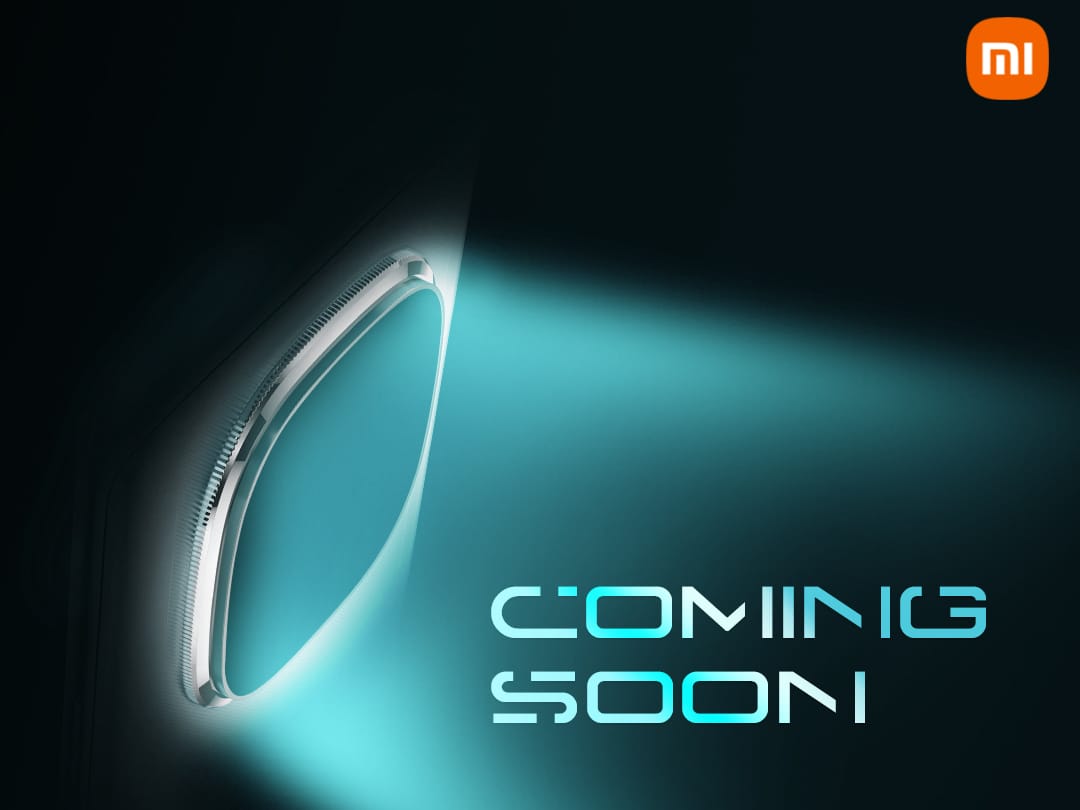
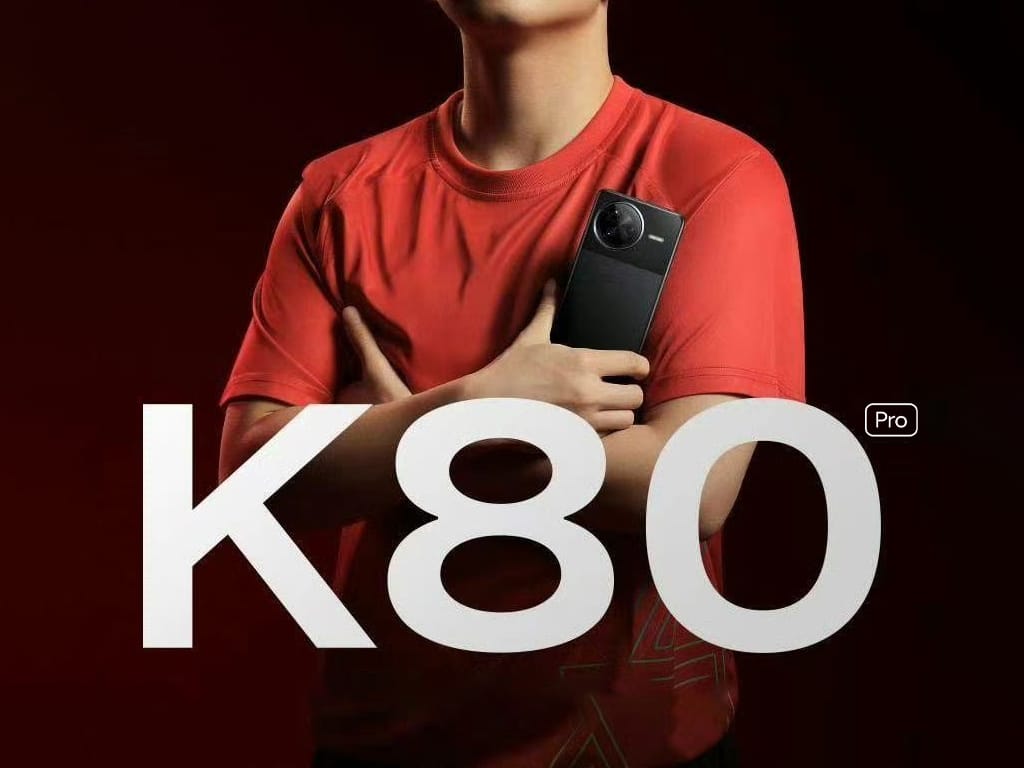
    The Redmi K80 line is likely to be revealed in November, with Xiaomi already beginning to hint at these upcoming budget flagship smartphones. Although the company hasn’t shared specific details about the specifications or the design yet, a promotional image of the K80 Pro has surfaced online.

    Design Details

    This leak showcases the rear view of the Redmi K80 Pro, which matches an earlier render leak from this month. The promotional image indicates that the Pro variant will have a camera design reminiscent of the Civi 4 Pro. Interestingly, the flash unit appears to be positioned outside of the camera island, similar to the design found in the Xiaomi 15 series.

    Camera Setup

    Moreover, the leaked promotional poster indicates that the Redmi K80 Pro will come equipped with a triple-camera arrangement on its back. Previous reports hinted that this arrangement consists of a 50 MP main camera, a 50 MP telephoto lens, and a 32 MP ultrawide camera. For selfies, it is anticipated that the device will include a 20 MP front-facing camera.

    Launch Date and Specs

    Aside from the camera and design elements, the poster also confirms that the launch date is scheduled for November 27 in China, aligning with earlier reports. The Redmi K80 series is also expected to make its global entry under the Poco brand. It appears that the standard model will launch worldwide as the F7 Pro, while the K80 Pro is anticipated to debut as the F7 Ultra.

    When it comes to other expected specifications, the standard version will likely be powered by the Snapdragon 8 Gen 3, while the Pro version is rumored to feature the Snapdragon 8 Elite. There are also whispers that these models will include larger battery capacities than their predecessors and will support fast charging up to 120W (the 140W Anker 737 is currently priced at $106.48 on Amazon). Furthermore, Xiaomi has recently confirmed that the Redmi K80 series will feature a 2K display with full DC dimming support.

    Source: Link


    Image 1
  • Redmi Note 14 Series Teaser Launching in India This December

    Redmi Note 14 Series Teaser Launching in India This December

    Tomorrow, Redmi will unveil the Redmi A4 5G in India. This smartphone is driven by the Snapdragon 4s Gen 2 chip and is anticipated to be the most budget-friendly 5G device in the country. Additionally, Xiaomi has begun to tease the Redmi Note 14 series in India, suggesting that its official announcement will happen soon.

    Teasing the Launch of Redmi Note 14 Series

    Xiaomi confirmed earlier this month that the Redmi Note 14 series is set to be revealed in December in India. This suggests that the launch will occur about a month before the Redmi Note 13 lineup, which was introduced in January of this year. While the teaser does not directly mention the Redmi Note 14 series, the phrase “A Noteworthy Reveal?” hints at the brand’s intention to tease the next generation of the Note series in the market.

    Expected Models and Features

    The Redmi Note 14 series is likely to comprise three models: the Note 14, Note 14 Pro, and Note 14 Pro+. These smartphones have already been launched in China and are preparing for release in other regions. There is a chance that the global versions of the Note 14 series may differ from what was released in China.

    According to leaked details from September, the Redmi Note 14 Pro+ is expected to sport a 200-megapixel Samsung S5KHP3 main camera, an 8-megapixel Sony IMX355 ultra-wide lens, and a 50-megapixel telephoto camera. It is likely that the Note 14 Pro will share the main and ultra-wide cameras but will replace the telephoto lens with a 2-megapixel macro camera.

    Specifications and Battery Details

    In China, the Note 14 Pro comes equipped with a 50-megapixel Sony IMX882 primary camera, while the Note 14 Pro+ features a 50-megapixel OmniVision OVX8000. The Note 14 series is expected to ship globally with Android 14 and HyperOS 2.0.

    Both the Note 14 Pro and 14 Pro+ are anticipated to feature a 6.67-inch curved-edge OLED display that supports a 1.5K resolution and comes with a 120Hz refresh rate. The Note 14 Pro may utilize the Dimensity 7300 Ultra chip, while the Pro+ could be powered by the Snapdragon 7s Gen 3. Both models are likely to provide up to IP69-rated water and dust resistance.

    In China, the Note 14 Pro has a 5,500mAh battery that supports 45W fast charging, while the Note 14 Pro+ contains a more robust 6,200mAh battery with 90W charging capabilities. It remains uncertain whether the global versions will maintain the same battery sizes and charging functions.

  • Xiaomi Motion Sensor Night Light 2: 360° Magnetic & Dual Brightness

    Xiaomi Motion Sensor Night Light 2: 360° Magnetic & Dual Brightness

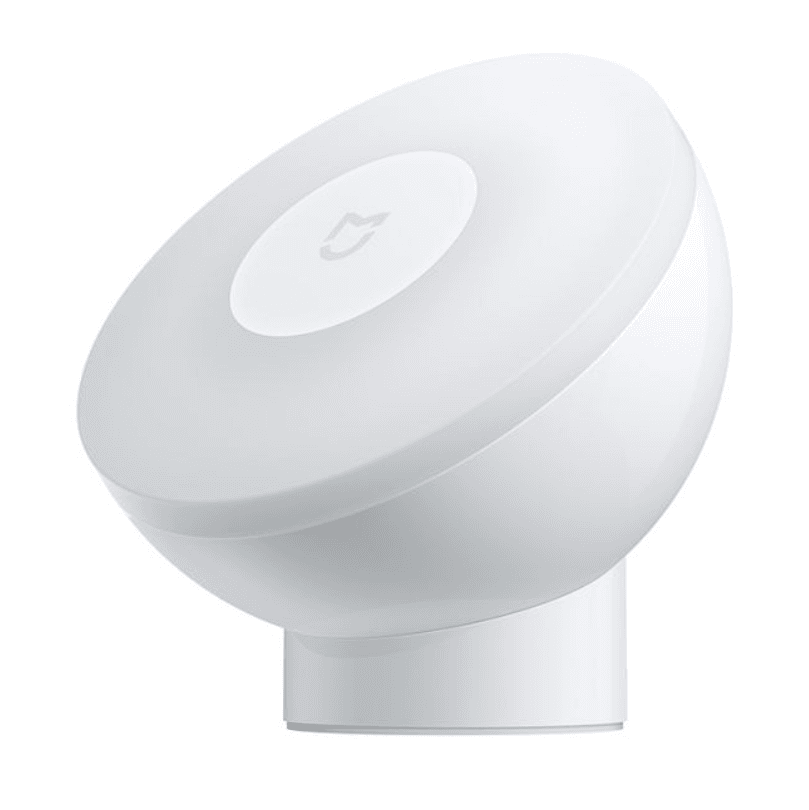
    Xiaomi Motion Sensor Night Light 2 is an adaptable lighting option that enhances your nighttime safety and comfort. Its clever features and easy-to-use design guarantee that you’ll have enough light right where you require it. You can grab this light for just $15.99 at Geekwills.

    Unique Magnetic Design

    One of the most impressive aspects of the Xiaomi Motion Sensor Night Light 2 is its magnetic attachment system. The lamp connects to its base through a smart magnetic design, allowing the lamp to be securely held when set in place. A simple tug will let you remove it easily for moving or changing its position. This makes installation simple and enables you to adjust the light according to your various needs at home.

    Full 360° Rotation

    With the magnetic base, the lamp can rotate a full 360°, which allows you to change the light direction to suit your preference. Whether it’s mounted on a wall, resting on a table, or being held, you can direct the light wherever it’s needed most. This feature guarantees effective lighting in many situations.

    Motion-Activated Functionality

    This night light comes with a motion sensor that picks up human movement in dark places within a wide 120° range. When it senses movement, the light automatically switches on, giving you hands-free ease and adding a layer of safety in low-light areas. It’s especially useful for bedrooms, hallways, closets, or bathrooms where you often find yourself needing light.

    Two Brightness Options

    The Xiaomi Motion Sensor Night Light 2 lets you select from two brightness settings:

    • Low Brightness: Perfect for nighttime use, this setting provides a gentle, non-blinding light that minimizes disruption.
    • High Brightness: This is made for darker areas, offering ample light to effectively brighten your space.

    Warm and Inviting Glow

    With a 2800K warm light color temperature, this night light sets a calming atmosphere while still being practical. The soft light is comforting and helps avoid eye strain, making it suitable for nighttime use.

    Important Features:

    • Magnetic Attachment: Detachable lamp with a secure magnetic hold.
    • 360° Adjustable: Easy to change for different lighting requirements.
    • Motion Sensing: Recognizes movement in the dark with a 120° detection range.
    • Brightness Settings: Low for gentle lighting; high for more illumination.
    • 2800K Warm Light: Soft, eye-friendly illumination.
    • Wide Sensor Range: Covers up to 120° for effective motion detection.

    The Xiaomi Motion Sensor Night Light 2 is a functional and fashionable lighting choice that merges creativity with practicality. Whether it’s to light your way at night or to improve your home’s lighting, this smart light provides great value.


    Image 1
  • Redmi K80 Pro Geekbench: Affordable Snapdragon 8 Elite Phone?

    Redmi K80 Pro Geekbench: Affordable Snapdragon 8 Elite Phone?

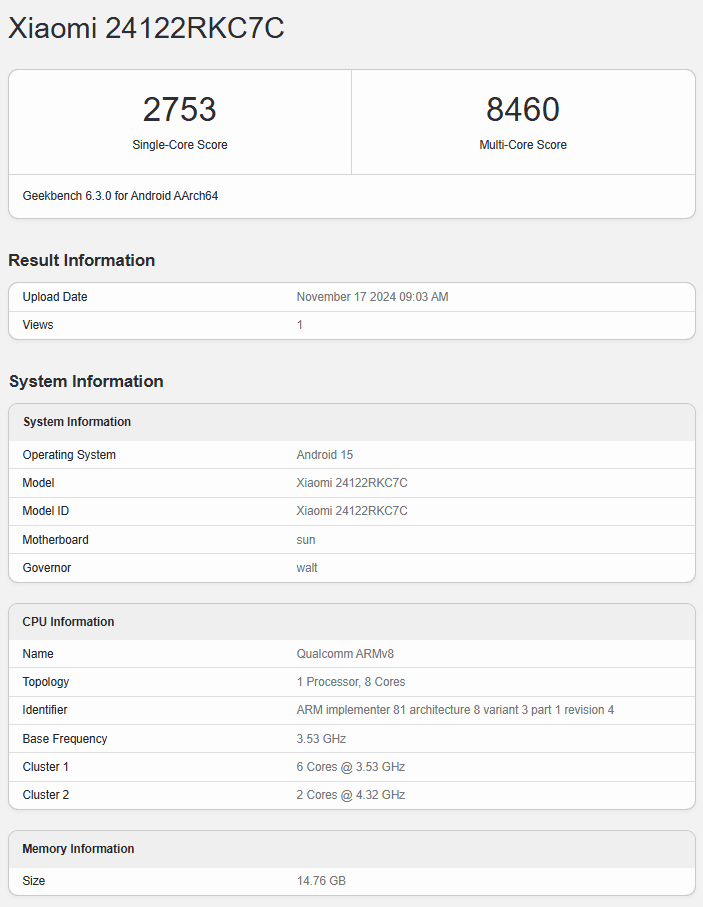
    Earlier this month, three new Xiaomi smartphones were seen on China’s 3C certification platform. These devices have model numbers: 24122RKC7C, 24127RK2CC, and 24127RK2CC. The exact name for the third model is still a mystery, but it is thought that the Redmi K80 series includes the other two models. Recently, the 24122RKC7C device has been listed in Geekbench’s database, which has shared details about its chipset, RAM, and operating system version.

    Snapdragon 8 Elite Powers Redmi K80 Pro

    The 24122RKC7C phone is confirmed to be powered by the Snapdragon 8 Elite chipset, as indicated by the CPU and GPU specifications in the Geekbench listing. This suggests that it is likely the Redmi K80 Pro. Additionally, the listing shows that the device comes with 16 GB of RAM and operates on Android 15. The company has also stated that it achieved an impressive score of over 3 million on AnTuTu benchmarks.

    Pricing Comparison With Other Models

    Last year, the Realme GT 5 Pro and Redmi K70 Pro were both equipped with the Snapdragon 8 Gen 3 chipset. The base versions of these phones offered 12 GB of RAM and 256 GB of internal storage. The GT 5 Pro was priced at 3,499 Yuan (about $485), while the Redmi K70 Pro retailed for 3,299 Yuan (around $456).

    K80 Pro: A Budget-Friendly Snapdragon 8 Elite Phone?

    Currently, the Realme GT 7 Pro holds the title of the most affordable Snapdragon 8 Elite phone, starting at 3,699 Yuan (approximately $510). The K80 Pro may be priced lower than this, possibly at around 3,499 Yuan (nearly $485). This means that the K80 Pro could potentially be the most budget-friendly Snapdragon 8 Elite smartphone. Like its predecessor, this model is expected to be available only in China. However, there are rumors that it will be rebranded as the Poco F7 Ultra for other markets in the first half of 2025.

    Expected Specifications for the Redmi K80 Pro

    When it comes to specifications, the Redmi K80 Pro is likely to feature a 2K OLED display with a resolution of 2K, a 120Hz refresh rate, and an ultrasonic in-screen fingerprint sensor. It might come with up to 16 GB of RAM and 1 TB of storage. The device is also expected to have a 6,000mAh battery, supporting 120W wired and 50W wireless charging. For photography, the phone could include a 20-megapixel front camera, and a triple camera setup featuring a 50-megapixel main sensor (with OIS), a 32-megapixel ultrawide lens, and a 50-megapixel telephoto lens with 2.6x zoom. Additional features might encompass Hyper OS 2, Dragon Crystal Glass construction, a metal mid-frame, and an IP68-rated body.

  • Xiaomi Launches New App Store in India to Replace GetApps

    Xiaomi Launches New App Store in India to Replace GetApps

    In a big change for the Indian smartphone scene, Xiaomi has revealed plans to stop using its GetApps store and introduce the Indus Appstore, which is backed by PhonePe. This shift is scheduled to start in January 2025, affecting all Xiaomi, Redmi, and Poco smartphones sold in India.

    Goodbye GetApps

    GetApps has faced criticism for being too aggressive with ads and taking up too much system space, causing frustration among users. The move to the Indus Appstore is viewed as a smart choice by Xiaomi to improve the user experience and align with changing regulatory standards.

    Introducing the Indus Appstore

    The Indus Appstore, which was launched earlier this year, is an Android app marketplace designed to provide a more tailored and user-friendly experience for Indian users. It will offer a broad selection of apps and games, featuring both well-known titles and local favorites. At present, it boasts over 200,000 apps and games spanning 45 categories. The app store is also equipped to support 12 Indian languages. The partnership with PhonePe will allow for smooth payments and additional digital services. Users will find the transition easy, as it will happen through system updates. GetApps will no longer be installed or supported on any Xiaomi devices in India, whether they are new or already in use.

    User Reactions and Future Plans

    While the change to the Indus Appstore is likely to bring a range of advantages, like a more streamlined interface and possibly fewer advertisements, some users might worry about data privacy and how well the new app store will perform. It’ll be interesting to see how the Indus Appstore stacks up against the Google Play Store, which currently leads the market in India.

    Xiaomi has plans to roll out various smartphones in India throughout 2025, targeting different price ranges from high-end to budget-friendly. The Xiaomi 15 series, which includes the Xiaomi 15 Ultra, is expected to be released by March, while the Redmi Note 14 series is anticipated for early 2025. More affordable models such as the Redmi A4 and Redmi 14 are also in the pipeline to attract entry-level buyers. There are also rumors about a potential Xiaomi 15 Civi launch around mid-year.

    As Xiaomi keeps growing its footprint in the Indian market, this collaboration with PhonePe marks a crucial move to fortify its standing and address the changing demands of its users.

    Source: Link