Tag: Xiaomi

  • Xiaomi Adds New Phones to End-of-Life List Amid HyperOS 3 Focus

    Xiaomi Adds New Phones to End-of-Life List Amid HyperOS 3 Focus

    Key Takeaways

    1. Xiaomi has stopped development on HyperOS 2 and will not provide major updates for it.
    2. HyperOS 3 is in focus for future updates, with no confirmed release date yet.
    3. Certain older models will receive the Android 16 update, but many smartphones will not get HyperOS 3 support.
    4. The anticipated Android 16 update is expected to improve user interface and overall system performance.
    5. Beta testing for HyperOS 3 may start later this year, with the stable version likely launching with the Xiaomi 16 series.


    Xiaomi has allegedly halted development on HyperOS 2, which was originally launched as a skin for Android 15. Recently, with the 2.3 update, the company has introduced Android 16 for certain devices. However, it’s HyperOS 3 that is set to introduce significant changes.

    No More Updates for HyperOS 2

    This shift in focus means that there will be no major updates aimed at improving HyperOS 2. Xiaomi has not yet revealed a definite release date for the stable version of HyperOS 3, but some older models are anticipated to receive the forthcoming Android 16 update.

    End-of-Life Announcements

    In related news, Xiaomi has disclosed the end-of-life timelines for various smartphones. These newly listed models are set to receive their last security updates in September 2025, after which they will no longer receive any official updates. The devices affected include:

    Many of these smartphones did not even get the HyperOS 2 update, indicating they are definitely off the list for HyperOS 3 support. The anticipated Android 16 update for Xiaomi devices is expected to feature a more polished user interface, aiming to deliver a better user experience.

    Performance Enhancements Expected

    The update is also predicted to enhance overall system performance, with improved visual effects and smoother transitions compared to HyperOS 2. Rumors suggest that Xiaomi might commence beta testing for HyperOS 3 later this year, with the stable version likely launching alongside the Xiaomi 16 series.

    Source:
    Link

  • Redmi Pad 2: Affordable Xiaomi Tablet Now Widely Available

    Redmi Pad 2: Affordable Xiaomi Tablet Now Widely Available

    Key Takeaways

    1. The Redmi Pad 2 was launched in June 2025 as an affordable tablet and is now available globally, including on AliExpress for $161.11.
    2. It features an 11-inch display with a resolution of 2560 x 1600 pixels, a 90 Hz refresh rate, and eye-care technologies for comfortable viewing.
    3. The tablet is powered by the MediaTek Helio G100 Ultra SoC, with options for up to 8 GB of RAM and 256 GB of expandable storage via microSDXC.
    4. It has a 9,000 mAh battery with 18 W fast charging, an 8 MP rear camera, and a 5 MP front camera, along with a quad-speaker setup and Dolby Atmos support.
    5. A 4G version of the Redmi Pad 2 is available, starting at $318.05 on AliExpress.


    The Redmi Pad 2 was officially launched in June 2025 as an affordable tablet option. Xiaomi has since made it available throughout the EU and UK, and it is now easier to purchase globally. It has recently been added to AliExpress, where the WiFi model is currently priced at $161.11.

    Display Features

    For those who may not have seen our coverage at launch, the Redmi Pad 2 features an 11-inch screen with a resolution of 2560 x 1600 pixels, boasting a 90 Hz refresh rate and 10-bit color support. Xiaomi emphasizes that the display incorporates various eye-care technologies that promote comfort for long viewing periods.

    Specifications and Performance

    Inside the Redmi Pad 2, you will find the Helio G100 Ultra, which is a budget-friendly SoC from MediaTek. This is paired with a maximum of 8 GB of LPDDR4X RAM and 256 GB of UFS 2.2 storage. On the topic of storage, it can be expanded through a microSDXC slot that supports cards up to 2 TB (currently, a 1 TB SanDisk UHS-I is priced at $79.94 on Amazon).

    Battery Life and Additional Features

    The Xiaomi tablet is powered by a robust 9,000 mAh battery that supports 18 W fast charging. In terms of cameras, it has an 8 MP lens on the back and a 5 MP camera on the front for selfies. Additional features of the Redmi Pad 2 include WiFi 5, a quad-speaker setup with Dolby Atmos support, HyperOS 2.1, and it is compatible with the Redmi Smart Pen.

    It’s important to mention that a 4G version of the Redmi Pad 2 is also available, priced starting at $318.05 on AliExpress. For further details, you can refer to our comprehensive review of the tablet.


  • Xiaomi Redmi Note 14 SE Launch: New Mid-Range Phone with Top Specs

    Xiaomi Redmi Note 14 SE Launch: New Mid-Range Phone with Top Specs

    Key Takeaways

    1. Launch Date and Market: Xiaomi will unveil the Redmi Note 14 SE on July 28, 2025, in India, promising attractive specifications at a competitive price.

    2. Display Quality: The smartphone will feature a peak brightness of 2,100 nits and a 120 Hz refresh rate, likely with an AMOLED screen protected by Gorilla Glass 5.

    3. Audio Features: It will include a dual-speaker setup with Dolby Atmos support, aiming for superior sound quality compared to competitors.

    4. Camera System: The device will have a triple-camera system, with the main sensor being the Sony LYT-600 that includes Optical Image Stabilization (OIS).

    5. Performance and Battery: Powered by the Dimensity 7025 Ultra SoC, it will come with 8 GB of RAM (expandable) and a 5,100 mAh battery, though charging speed details are not yet revealed.


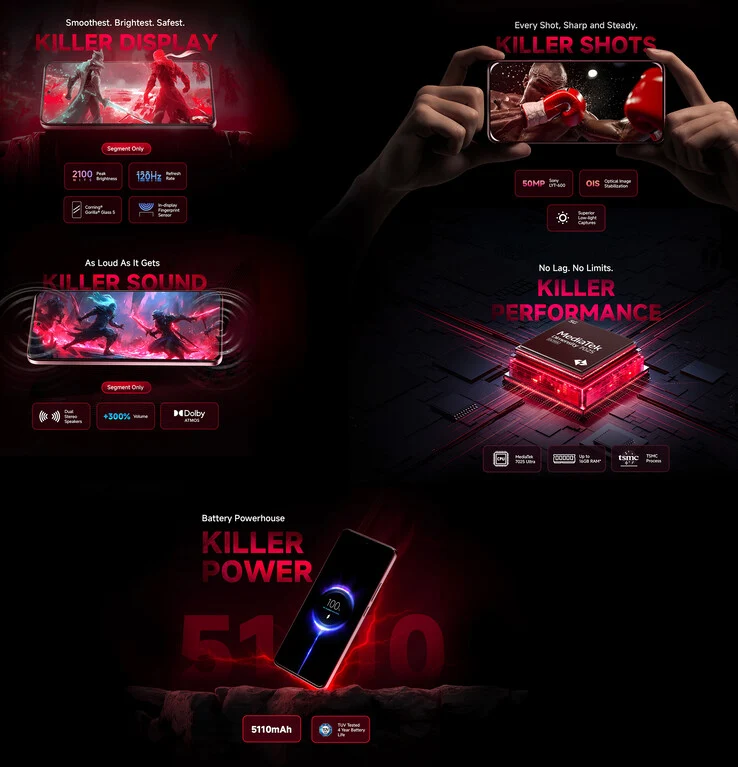
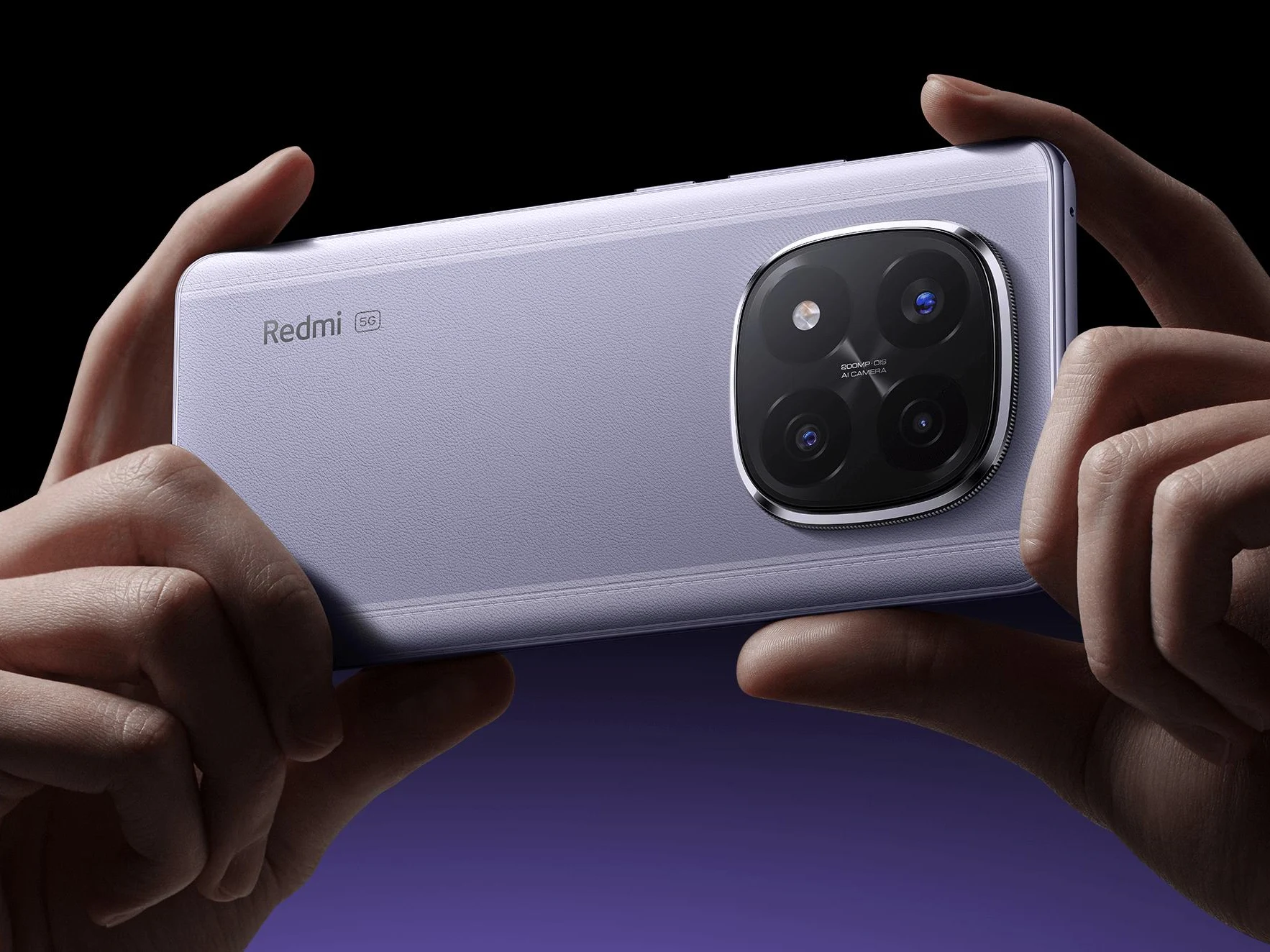
    Xiaomi is preparing to unveil a new mid-range smartphone, the Redmi Note 14 SE. The launch is set for July 28, 2025, in India, and according to their latest update, this device will offer “killer specs” at an attractive price. The company emphasizes that it will feature the “smoothest” and “brightest” display among other phones within the same price range.

    Display Features

    Specifically, this display is expected to achieve a peak brightness of 2,100 nits and a refresh rate of 120 Hz. The announcement also indicates that the affordable Redmi phone will utilize Gorilla Glass 5 for protection and include an in-display fingerprint scanner, hinting that it will have an AMOLED screen.

    Audio and Sound Quality

    Another feature that Xiaomi is proud to highlight is the audio system. The Redmi Note 14 SE will be equipped with a dual-speaker setup that supports Dolby Atmos, promising “killer sound” quality that could surpass the audio experience offered by competing devices in this category.

    Camera Specifications

    Details about the phone’s camera setup have also been partially disclosed. Xiaomi reveals that the Redmi Note 14 SE will include a triple-camera system on its rear, with the main sensor being the Sony LYT-600 featuring Optical Image Stabilization (OIS). However, the company has not yet provided information regarding the other two rear cameras.

    Performance and Battery Life

    On the performance side, the Redmi 14 SE is confirmed to be powered by the Dimensity 7025 Ultra, a mid-range system on chip (SoC) from the previous year. It comes with 8 GB of LPDDR4X RAM, which can be expanded by an additional 8 GB of virtual RAM. In terms of storage, this upcoming mid-range device is expected to offer up to 128 GB of UFS 2.2 storage.

    Battery and Pricing

    Another notable feature is its sizable 5,100 mAh battery, but Xiaomi has not yet disclosed the charging speed for the Redmi Note 14 SE (130 W Ugreen Nexode 20K power bank currently priced at $54.14 on Amazon). While the company has yet to announce the final price, it has generated a lot of anticipation among potential buyers.

    Source:
    Link


  • Redmi Turbo 5 Pro: Faster Charging and Bigger Battery Coming Soon

    Redmi Turbo 5 Pro: Faster Charging and Bigger Battery Coming Soon

    Key Takeaways

    1. Xiaomi, Oppo, and Vivo have submitted a new 100W power brick to the 3C regulator in China, indicating a trend in smartphone hardware development.
    2. Each power brick has different specifications: Xiaomi’s at 20V/5A and Oppo’s at 11V/9.1A, designed to support 8,000mAh batteries.
    3. This advancement may enable the upcoming smartphones from these brands to feature high specifications and efficient charging capabilities.
    4. Significant improvements in battery and charging technologies have been made, with potential launches of 8,000mAh devices soon.
    5. Flagship models, such as Xiaomi’s K90 Pro, may be prioritized for release over the new 8,000mAh devices.


    A new power brick have been reported to be submitted to the 3C regulator in China by Xiaomi, Oppo, and Vivo, all at the same time. This seems to show a trend in smartphone hardware development.

    Power Output and Specifications

    Each of these accessories is said to have a maximum output of up to 100 watts (W). Yet, Xiaomi’s version has a system of 20 volts (V) and 5 amps (A), while Oppo’s version operates at 11V and 9.1A. They have all been created for the same purpose, which is to complement the new 8,000mAh batteries.

    Future Smartphone Launches

    This development might make sure that the next generation of smartphones from these companies—Vivo, Xiaomi, and Oppo—can be released with top-of-the-line specifications without sacrificing their charging capabilities. This could also include devices from their sub-brands like Redmi, OnePlus, or iQoo.

    Battery Advancements

    Both Xiaomi and its competitors have already made significant improvements in battery and charging technologies with models like the Redmi Turbo 4, Ace 5, and Z10 Turbo. It’s possible they could soon launch their first 8,000mAh devices, unless their flagship models, like the K90 Pro and its 15 counterparts, manage to hit the market first.

    The Anker Nano Charging Station (7-in-1, 100W) is now available on Amazon.

    Digital Chat Station via Weibo.

    Source:
    Link


  • Xiaomi Redmi Note 15 Pro Plus to Have 3 Key Upgrades Over 14 Pro Plus

    Xiaomi Redmi Note 15 Pro Plus to Have 3 Key Upgrades Over 14 Pro Plus

    Key Takeaways

    1. Xiaomi is set to launch the Redmi Note 15 Pro, which may replace the Redmi Note 14 Pro Plus.
    2. The Redmi Note 15 Pro Plus is expected to feature the new Snapdragon 7s Gen 4 chipset.
    3. The device will have a significantly larger battery capacity of around 7,000 mAh, up from 5,110 mAh in the previous model.
    4. It is rumored to come with a 1.5K AMOLED display and symmetrical bezels.
    5. The phone may include 50 MP primary and telephoto cameras, though it’s uncertain if these features will be available in global versions.


    Digital Chat Station has shared some insights regarding one of Xiaomi’s new Redmi Note 15 series phones. To give some background, leaks have already revealed information about the Redmi Note 15 Pro and Redmi Note 15 Pro Plus. It appears that the Redmi Note 15 Pro will be available worldwide, and it may also serve as the next version of this year’s Poco X7 (currently priced at $294.99 on Amazon).

    New Upgrades on the Horizon

    As per Digital Chat Station, Xiaomi is set to introduce a device that will take the place of the Redmi Note 14 Pro Plus, providing enhancements in various aspects. The leaker suggests that the Redmi Note 15 Pro Plus will feature a fresh Snapdragon 7s chipset. It’s likely that this chipset will be the Snapdragon 7s Gen 4, which is positioned below the Snapdragon 7 Gen 4 in Qualcomm’s lineup.

    Impressive Battery and Display Features

    In addition, the Redmi Note 15 Pro Plus is rumored to include a battery capacity of around 7,000 mAh, marking an increase of nearly 13% over the current 5,110 mAh battery found in the Redmi Note 14 Pro Plus. This notably larger battery is expected to be paired with a 1.5K AMOLED display with symmetrical bezels, as well as 50 MP primary and telephoto cameras. At this point, it’s unclear if these 50 MP cameras and substantial battery will be part of the global versions, which was not the case for the Redmi Note 14 Pro Plus.

    Source:
    Link

  • Xiaomi Unveils Waterproof Headphones Perfect for Swimmers

    Xiaomi Unveils Waterproof Headphones Perfect for Swimmers

    Key Takeaways

    1. Bone Conduction Technology: The earphones use bone conduction to transmit sound directly to the inner ear, bypassing traditional air vibration methods.

    2. Waterproof Design: Their unique technology makes them highly waterproof, suitable for swimming and other water activities.

    3. Swimming Mode: They feature a special swimming mode that enhances audio quality while underwater.

    4. Internal Storage: The earphones come with internal storage, allowing users to listen to music without needing to connect to a smartphone while swimming.

    5. Pricing and Availability: Currently available in China for about $97 in black and white, with no details on international release yet.


    Xiaomi has recently introduced a unique set of earphones, the Xiaomi Bone Conduction Earphones 2. Unlike standard earphones that rely on drivers to create sound by vibrating the air, these earphones utilize bone conduction technology. This method allows sound to travel through the bones of the skull directly to the inner ear. Consequently, this technology enables them to be highly waterproof, making them suitable for swimming or other water-related activities.

    Innovative Swimming Mode

    One of the standout features of the Xiaomi Bone Conduction Headphones 2 is the addition of a swimming mode. This mode aims to improve the audio experience while submerged, promising clearer sound quality even underwater. Moreover, these earphones are designed with internal storage, as connecting them to a smartphone during swimming is not very feasible. They come equipped with a 165 mAh battery, which reportedly provides a battery life of up to 12 hours.

    Availability and Pricing

    Currently, the Xiaomi Bone Conduction Earphones 2 are on sale in China in two color options: white and black, with an introductory price set at about $97. However, details regarding an international release are still awaited.

    Source:
    Link

  • Xiaomi Pad Mini: Compact Premium Tablet Set for Global Launch

    Xiaomi Pad Mini: Compact Premium Tablet Set for Global Launch

    Key Takeaways

    1. Xiaomi has launched the Redmi K Pad, entering the compact flagship tablet market.
    2. The tablet is currently only available in China, but a global release is expected soon.
    3. The international version may be rebranded as the “Xiaomi Pad Mini.”
    4. The Redmi K Pad will be positioned as a premium tablet above the Xiaomi Pad 7 Pro.
    5. It is rumored that the global launch could coincide with the Xiaomi 15T series expected in September.


    Xiaomi introduced the Redmi K Pad last month, marking its entry into the compact flagship tablet market. Although the Redmi K Pad is currently only available in China, there have been several reports suggesting that it may soon be available worldwide, and a recent leak appears to support this idea.

    Global Launch Plans

    A Chinese leaker known as Experience More has indicated that Xiaomi is preparing to launch the Redmi K Pad on an international scale. The tablet is expected to lose its Redmi label, switching to a Xiaomi branding instead. Specifically, it’s rumored that it will be called the “Xiaomi Pad Mini” for the global market, directly competing with Apple’s iPad Mini 7.

    Changes in Naming

    Earlier speculations mentioned that the Redmi K Pad might be released globally under the name Poco F Pad, but those claims seem to have been incorrect. It now looks like this compact flagship tablet will be positioned above the Xiaomi Pad 7 Pro as the company’s top premium tablet available worldwide, powered by the robust MediaTek Dimensity 9400+ chipset. While an exact release date hasn’t been confirmed yet, it wouldn’t be shocking if the tablet launches alongside the Xiaomi 15T series, which is expected in September.

    Source:
    Link

  • Xiaomi Smart Air Conditioners Coming Soon to Europe

    Xiaomi Smart Air Conditioners Coming Soon to Europe

    Key Takeaways

    1. Xiaomi has launched the Mijia Air Conditioner Pro Eco in 2.6 kW and 3.5 kW models for international markets.
    2. Both models can cool and heat rooms quickly, with heating capacity of 3.6 kW and cooling power of 650 W (2.6 kW) and 875 W (3.5 kW).
    3. Smart features include remote control via the Xiaomi Home app, Google Assistant compatibility, and energy monitoring.
    4. The air conditioners are energy-efficient, rated A+++ for cooling and A++/A+++ for heating, with a SEER of 8.5 and SCOP ranging from 4.6 to 5.7.
    5. The exact release date and pricing for the models are still uncertain.


    Xiaomi has introduced the Mijia Air Conditioner Pro Eco in two models, 2.6 kW and 3.5 kW, on its global website. This marks the first time the brand’s smart air conditioners will be available in international markets.

    Performance Features

    Both Mijia Air Conditioner Pro Eco units are capable of both cooling and heating, featuring a heating capacity of 3.6 kW and a heating power of 860 W. Xiaomi claims these air conditioners can heat a room in just 60 seconds and cool it in 30 seconds. The 2.6 kW version offers 650 W cooling power with an airflow rate of 600 m³/h (approximately 21,190 ft³/h), making it suitable for rooms sized between 10 to 20 m² (about 108 to 215 ft²). In contrast, the more robust 3.5 kW model provides 875 W cooling power and has an airflow rate of 650 m³/h (around 22,955 ft³/h), ideal for larger spaces of 15 to 25 m² (roughly 161 to 270 ft²).

    Smart Features

    The Mijia Air Conditioners are designed to ensure a smooth airflow thanks to their full DC inverter system and a 108 mm (around 4.3 inches) cross-flow fan. Users can control the units remotely using the Xiaomi Home app, which features the Mijia AI Energy Saving mode and allows real-time monitoring of energy consumption. Additionally, the air conditioners support Google Assistant voice commands and can be integrated with other Xiaomi Home products. They also come equipped with smart pre-heating and anti-condensation functions, along with reminders for cleaning the filters.

    Energy Efficiency

    According to the energy efficiency labels available in the ‘Specs’ section, these air conditioners are expected to launch in Europe. They are rated with an impressive A+++ for cooling efficiency and A++/A+++ for heating efficiency. The seasonal energy efficiency ratio (SEER) stands at 8.5, and the Seasonal Coefficient of Performance (SCOP) ranges from 4.6 to 5.7. However, the exact release date and pricing for the Xiaomi Mijia Air Conditioner Pro Eco 2.6 kW and 3.5 kW models remain uncertain.

    Source:
    Link

  • Xiaomi Reaches 300,000 Cars in Just 15 Months of Production

    Xiaomi Reaches 300,000 Cars in Just 15 Months of Production

    Key Takeaways

    1. Xiaomi has delivered over 300,000 cars in about 15 months since launching the SU7.
    2. The shipping time for the last 200,000 vehicles (232 days) was similar to the first 100,000 (230 days).
    3. Xiaomi currently offers two models: the SU7 sedan and the YU7 SUV, with significant pre-orders for the YU7.
    4. Plans to expand into Extended-Range Electric Vehicles (EREVs) are in the works.
    5. Xiaomi aims to enter the European market, having achieved all automotive success in China so far.


    Xiaomi has been active in the Automotive Division since April 2024, and they are now stating that they have delivered over 300,000 cars in the approximately 15 months since the SU7 was introduced.

    Shipping Timeline

    Interestingly, the time it took to ship the last roughly 200,000 vehicles is about the same as the time it took to reach the first 100,000. It took 232 days for the former, while the latter was achieved in 230 days.

    Xiaomi credits this rapid growth to the improvement of its car business infrastructure, which has apparently “exploded” to meet the high demand for its vehicles.

    Current Models

    At this moment, Xiaomi offers only two models: the SU7 sedan and the YU7 SUV.

    Both of these vehicles come in various versions, with the SU7 Ultra being the most well-known. This performance model is so popular that it can now be selected in Gran Turismo 7.

    In addition, Xiaomi claims to have received at least 240,000 pre-orders for the YU7.

    There are also reports of an Ultra version of the YU7, as well as a new, larger SUV model.

    Future Plans

    So far, all of Xiaomi’s cars have been electric vehicles (EVs), but they supposedly have plans to expand into Extended-Range Electric Vehicles (EREVs) soon.

    Lastly, all of Xiaomi’s automotive achievements have taken place in China, but it looks like they are aiming to enter the European market in the near future.

    Source:
    Link

  • Xiaomi YU7 Ultra with Camo Wrap and Performance Build Revealed

    Xiaomi YU7 Ultra with Camo Wrap and Performance Build Revealed

    Key Takeaways

    1. Xiaomi is set to launch the YU7 Ultra, a new version of its electric SUV, following the success of the SU7 Ultra supercar.
    2. The YU7 Ultra has been spotted with design features similar to the first YU7, including larger air intakes and flared wheel arches.
    3. The YU7 Ultra may produce up to 1,548 horsepower and 1,770 Nm of torque, with a 0-100 km/h acceleration time of just 2.5 seconds.
    4. The vehicle is expected to use the same platform as the SU7 Ultra, potentially featuring a 93.7 kWh battery.
    5. Xiaomi is currently facing production challenges with the standard YU7 and is rumored to be developing a larger model, the YU9, to expand its SUV lineup.


    Xiaomi has made waves in the supercar world with the Ultra edition of its SU7, and now, it seems like the company is set to shake things up in the SUV segment too, with a new version of the YU7 on the horizon.

    Sightings of the YU7 Ultra

    According to ChinaEVHome, the upcoming model has been spotted in the wild, although it was obscured by anti-leak camouflage during the sighting. Despite this, it is still clear that the vehicle shares similarities with Xiaomi’s first electric SUV, but with some noticeable differences, including larger air intakes and possibly the same flared wheel arches seen in the SU7 Ultra, as noted by ChinaEVHome.

    Power and Performance

    The “YU7 Ultra” is expected to utilize the same platform as its counterpart in the SU7 series, which could enable it to produce an impressive output of up to 1,548 horsepower (hp) and torque reaching 1,770 newton-meters (Nm). The vehicle’s acceleration is projected to be astonishing, with a 0-100 kilometers per hour (km/h) time of just 2.5 seconds, particularly if it features the same 93.7 kilowatt-hour (kWh) battery as the SU7 Ultra.

    Production Challenges

    In the meantime, Xiaomi appears to be struggling to keep up with orders for the standard version of the YU7. There are also rumors about a larger model, dubbed the “YU9,” which is expected to launch in the near future. This suggests that Xiaomi is looking to expand its offerings in the SUV market, even as it grapples with the challenges of fulfilling current demand.

    Source:
    Link