
Key Takeaways
1. First Home Data Center: Terrence and Lesley Bridges from Essex are the first in the UK to heat their home using a mini data center called HeatHub.
2. Innovative Technology: The HeatHub uses low-power Raspberry Pi boards instead of traditional high-energy Nvidia GPUs, making it more energy-efficient.
3. Significant Cost Savings: The couple’s energy bill dropped dramatically from $492 (£375) to $52 (£40) by redirecting heat from the data center into their hot-water system.
4. Safety Concerns: Experts warn that creating a home data center for heating can be impractical and unsafe without proper design, ventilation, and wiring.
5. Potential for Net-Zero Emissions: If successful, distributed micro data centers like HeatHub could help the UK achieve net-zero emissions by turning computation into a household utility.
A couple from Essex has made history as the first household in the UK to heat their entire home using a mini data center set up in their backyard shed. This unique data center system is known as HeatHub, developed by the clean-tech firm Thermify under the SHIELD project, which is overseen by UK Power Networks.
Innovative Technology
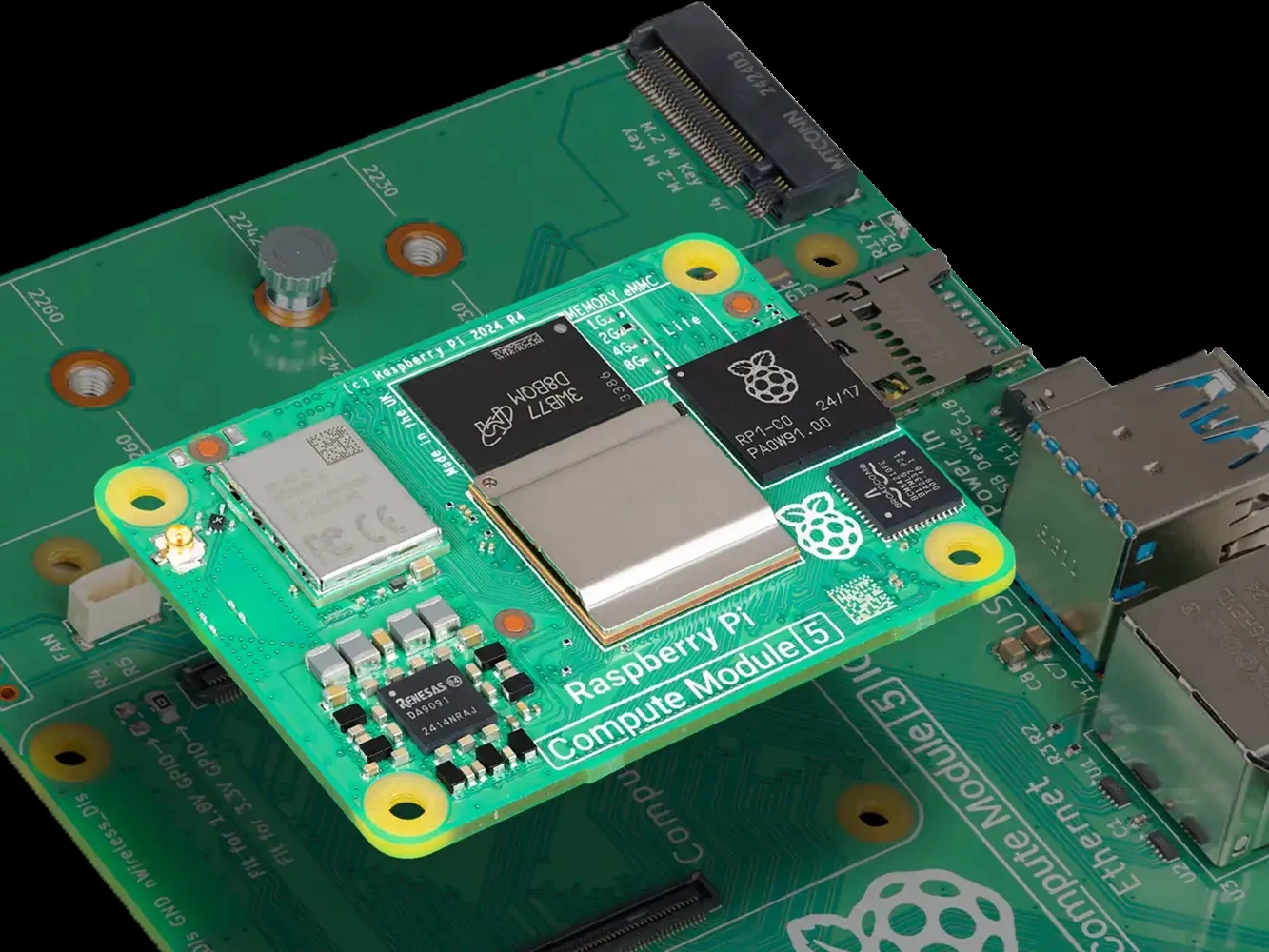
Typically, data centers rely on Nvidia GPUs, which are known for their high energy consumption. However, the HeatHub operates on a different principle. It employs clusters of low-power Raspberry Pi boards, configured into a compact distributed compute node.
The couple, Terrence and Lesley Bridges, have incorporated 56 Raspberry Pi modules into their HeatHub. These modules handle basic computing tasks, including app hosting and data processing. Once the pilot phase wraps up, enterprise clients are expected to pay Thermify to utilize these distributed nodes for workload processing.
Cost Savings
All the heat generated by the servers is captured and redirected into the home’s hot-water system, effectively transforming it into a heating source. Consequently, their monthly energy bill has plummeted from $492 (£375) to merely $52 (£40).
While this idea might appeal to tech enthusiasts, experts caution that creating a home data center heater is neither practical nor safe. The HeatHub trial employs professionally designed heat exchangers, controlled ventilation, load-balanced wiring, and remote server management to ensure safe operation.
Practical Challenges
If an individual attempts to replicate this setup, they may end up with high electricity bills due to the energy demands of the machines, likely outpacing the benefits of the heat generated.
There are also crucial electrical load limits to keep in mind. In general, UK homes have a main fuse rating between 60–100 A, and even a modest server rack can easily surpass safe continuous draw limits without industrial-grade wiring.
This isn’t the first instance of reusing data center heat. Earlier in 2023, a micro data center, roughly the size of a washing machine, was used to heat a public swimming pool in the UK. Nonetheless, the HeatHub represents the first trial of this kind in low-income households.
Should it prove successful, distributed micro data centers could pave an unexpected way for the UK to achieve net-zero emissions, effectively turning computation into a vital household utility.
Source:
Link