Tag: Starship

  • SpaceX Wins $714 Million Pentagon Launch Contract, Outsmarts Rivals

    SpaceX Wins $714 Million Pentagon Launch Contract, Outsmarts Rivals

    Key Takeaways

    1. SpaceX won a $714 million contract from the Pentagon for launching missions until 2027.
    2. The company will conduct five out of seven major missions for the US Space Force’s NSSL Phase 3 initiative.
    3. SpaceX will manage three classified missions and launch the Boeing-made WGS-12 satellite.
    4. United Launch Alliance (ULA) received contracts for the remaining two missions, totaling $428 million.
    5. Elon Musk aims for SpaceX to handle over 95% of Earth’s payload weight in orbit once Starship is operational.


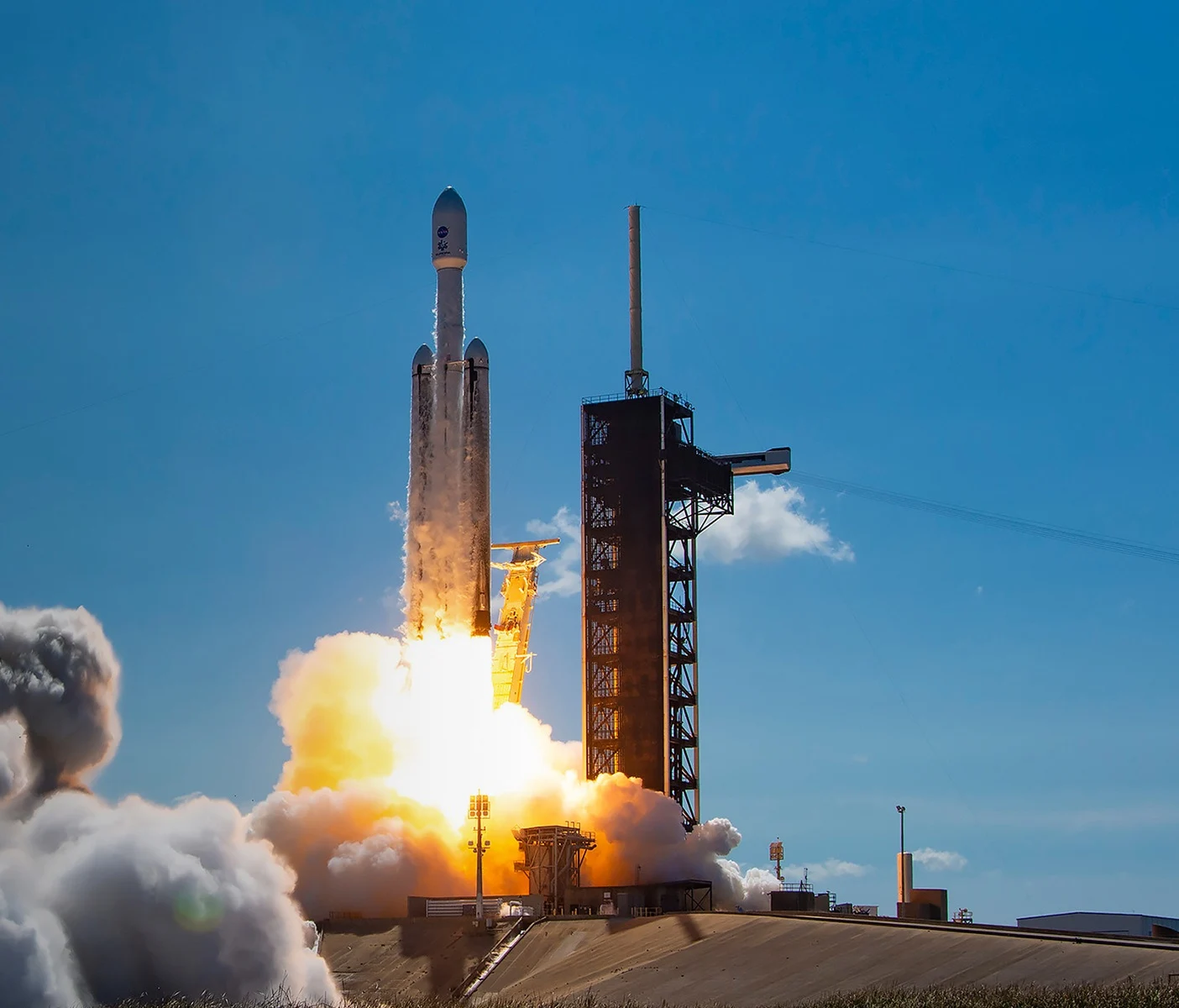
    Elon Musk’s SpaceX has emerged victorious in the competition for Pentagon contracts related to launching missions. The latest agreement is worth $714 million and is set to last until 2027.

    SpaceX’s Significant Role

    SpaceX received approval to carry out five out of seven major missions, supporting the US Space Force’s National Security Space Launch (NSSL) Phase 3 Lane 2 initiative. As per details shared by the US Space Systems Command, SpaceX will assist in placing classified payloads and communication satellites into orbit, enhancing the military’s capabilities in communication and surveillance, while also managing reconnaissance operations.

    Missions Undertaken

    SpaceX will manage three classified missions for the Space Force, specifically USSF-155, USSF-149, and USSF-63. Additionally, it will conduct the USF-206 flight, which aims to launch the Boeing-manufactured 12th Wideband Global Satcom (WGS-12) satellite. The contract also includes the NROL-86 reconnaissance mission for the National Reconnaissance Office (NRO).

    Competitors in the Field

    The remaining two missions were awarded to the United Launch Alliance (ULA), a collaboration between Boeing and Lockheed Martin, totaling $428 million. Jeff Bezos’ Blue Origin lost out because its New Glenn rocket does not have military certification.

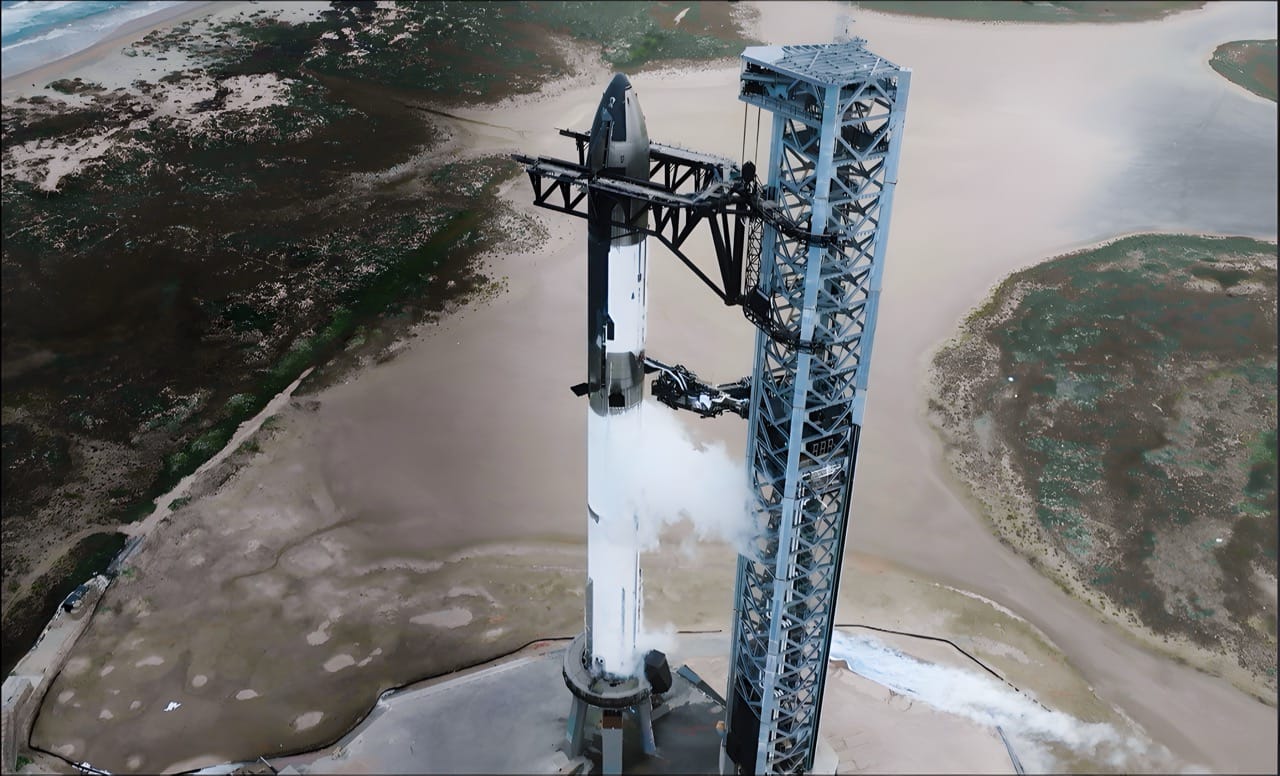
    SpaceX has high hopes to further its dominance in the global rocket launch industry. Musk mentioned that the company could potentially handle over 95 percent of the total weight of Earth payloads launched into orbit once the Starship begins regular flights. This enormous multi-stage rocket is currently undergoing development and testing at Starbase in Texas.

    Elon Musk shared this update on X, Drive Tesla Canada.

    Source:
    Link


  • SpaceX Faces Lawsuit in Mexico for Environmental Concerns

    SpaceX Faces Lawsuit in Mexico for Environmental Concerns

    Key Takeaways

    1. SpaceX is developing Starship, the largest rocket ever, but faced a significant failure during a test on June 18.
    2. Mexico has filed a lawsuit against SpaceX, claiming the explosion breached international environmental laws.
    3. The Boca Chica Beach region, where SpaceX operates, has a fragile ecosystem with protected species affected by rocket launches.
    4. Environmental concerns include air, soil, and water contamination from emissions, as well as noise pollution impacting local wildlife.
    5. SpaceX claims to be working on reducing its ecological impact through cleaner engine technology and debris recovery methods, but recent incidents highlight ongoing challenges.


    For many years, SpaceX has changed the space sector through its innovative technologies while dramatically cutting down launch costs. However, like all success stories, there’s a troubling aspect to consider. Right now, this company faces a serious threat from a lawsuit brought against it by Mexico.

    Starship’s Ambitious Goals

    SpaceX is in the process of developing the biggest rocket ever, called Starship. However, not everything is going smoothly. The most recent test of this spacecraft, which occurred on June 18 at the Mexico border, ended in a total failure. During the upper section test, this remarkable vehicle unexpectedly exploded. While SpaceX insists that the environment was not harmed by this incident, Mexico strongly disagrees, viewing it as a breach of international environmental laws.

    Environmental Concerns

    It’s key to recognize that the Boca Chica Beach region, where Starship is situated, hosts a delicate ecosystem with several protected species. Every rocket launch or test emits gases and particulates into the atmosphere. Moreover, various substances like perchlorates and metal oxides pose a risk of contaminating the air, soil, and water.

    In addition to this, noise pollution and vibrations from launches can disturb the local ecosystem, including endangered species near the launch area. Furthermore, space debris resulting from explosions can negatively impact local wildlife and plant life, potentially destroying their habitats.

    SpaceX’s Initiatives

    In light of these environmental challenges, SpaceX asserts that it is taking steps to minimize its ecological impact. For instance, the Raptor engines, which run on liquid methane, are designed to be less polluting than traditional fuels. Additionally, the company is exploring various methods to recover debris and reduce waste. Nevertheless, recent events like the explosion on June 18 indicate that there is still much to be done, and new solutions need to be discovered.

    Source:
    Link

  • SpaceX Mars Starship Rocket Explodes Before Static Fire Test

    SpaceX Mars Starship Rocket Explodes Before Static Fire Test

    Key Takeaways

    1. The SpaceX Starship rocket exploded during a static fire test, which is crucial for preparing for a Mars mission in 2026.
    2. The incident was labeled an “anomaly” by NASA, indicating thrusters did not ignite, likely causing the explosion during the fuel loading phase.
    3. SpaceX had previously conducted successful static fire tests with fewer engines, but this attempt involved six Raptor engines.
    4. There were no injuries from the explosion, and safety measures were in place, ensuring personnel and nearby residents remained safe.
    5. Elon Musk’s plans for a Mars mission will require a Super Heavy Booster with at least 42 engines, but the recent explosion may delay the timeline for orbital flights.


    The latest SpaceX Starship rocket, which is set for a Mars mission in 2026, exploded before its second standard static fire test at the Massey testing facility in Texas.

    Static Fire Tests Explained

    These static fire tests are designed to build on the Wet Dress Rehearsal (WDR) fuel loading launch system test. They include firing the thrusters for a few seconds to observe how the entire booster assembly operates. NASA labeled the incident as an “anomaly,” indicating that the thrusters did not ignite during this static fire test. This suggests that the explosion likely occurred during the WDR phase when the rocket was being loaded with liquid propellant for ignition.

    Previous Testing Successes

    SpaceX had previously conducted a static fire test with the Starship rocket, but only using one of the Raptor engines, unlike the six that were involved in the most recent attempt. The 36th Starship rocket is currently being tested for Flight 10, which will utilize the complete Super Heavy Booster assembly containing 33 Raptor engines. The booster had already undergone its own static fire tests and was successfully caught and reused from Flights 7 to 9, meaning that most issues needing resolution relate to the Starship rocket itself. SpaceX confirmed that there were no injuries, and cleanup efforts at the test site are continuing in coordination with local authorities.

    Safety Measures and Ongoing Operations

    On Wednesday, June 18, around 11 p.m. CT, the Starship set for the tenth flight test encountered a serious anomaly on the test stand at Starbase. A safety clearance zone was maintained during the operation, ensuring all personnel were safe. The Starbase team is diligently working to secure the test site and surrounding areas, in collaboration with local officials. There are no risks to residents in nearby communities, and people are advised to stay away from the area until the safety operations are complete.

    This incident marks the fourth Starship that SpaceX has lost this year, all experiencing RUD, or “rapid unscheduled disassembly,” which is a fancy way of saying they broke apart on the ground or during flight. The furthest a Starship has traveled was during Flight 9 in May, lasting 46 minutes before SpaceX lost communication.

    Future Plans for Mars Mission

    Elon Musk recently stated that the Mars-ready Starship, with an upper-stage rocket height of 171 feet (52m), will require a Super Heavy Booster assembly with at least 42 engines for its inaugural Mars landing planned for 2027. SpaceX had aimed to achieve the first Starship 3 rocket flight into orbit by the end of this year, but this recent explosion might delay that schedule. SpaceX is banking on this largest rocket ever constructed not only for the uncrewed Mars mission with Optimus robots aboard but also for the 2026 launch of its Starlink V3 satellites, which are expected to provide gigabit internet speeds.

    Source:
    Link

  • Elon Musk Takes on Exciting New Challenge After Leaving U.S. Government

    Elon Musk Takes on Exciting New Challenge After Leaving U.S. Government

    Key Takeaways

    1. Elon Musk is focusing on Mars exploration with plans to launch the Starship rocket, currently in development, aiming for a 2026 launch timeframe.
    2. The Starship will initially operate as an automated scout before human missions begin, as outlined in Musk’s recent presentation from Texas.
    3. There are significant challenges ahead, with only a 50/50 chance of the Starship launching on schedule and issues related to refueling in Earth’s orbit.
    4. Recent tests of the Starship have mostly failed, though it successfully reached space for the first time last May, prompting plans for a more powerful version.
    5. Musk envisions a self-sufficient city on Mars, with the Arcadia plain as a preferred landing site due to its favorable conditions for future settlers.


    Following his exit from the US government, Elon Musk has turned his attention to Mars, which is about to begin its regular approach to Earth. If everything goes according to plan, this celestial event could take place in 2026, potentially leading to a groundbreaking technological achievement.

    Plans for the Starship

    Musk aims to launch the Starship, a rocket developed by SpaceX that is still undergoing testing and development. This information was shared during a 42-minute presentation streamed from the Starbase launch site in Texas, which can be viewed on YouTube.

    In the video, Musk lays out an ambitious strategy where the Starship’s role will be to serve as a scout before humans embark on the journey. The initial mission will be fully automated, but it’s expected to lead to future missions with human passengers on board.

    Challenges Ahead

    Despite the optimistic outlook, Reuters indicates that the chances of the Starship launching on schedule are slim. Musk believes there’s only a 50/50 chance it will happen. Additionally, a critical and unprecedented step involves refueling the spacecraft in Earth’s orbit before it heads off to Mars, which could jeopardize the mission.

    Furthermore, the recent tests of this unique spacecraft have not been favorable. In fact, most have ended in failure, although it did reach space for the first time last May. According to Space.com, the billionaire is counting on a new, more powerful Starship for future attempts.

    Long-Term Goals

    Musk’s ambitions remain high. He envisions creating a fully self-sufficient city on Mars capable of supporting a million tons of equipment. Mashable estimates that more than 2,000 spaceships could connect the two planets every two years.

    Regarding the landing location, the Arcadia plain is currently the top choice. Its flat terrain, abundant sunlight, and potential underground ice make it an ideal spot, offering a significant water source for future Martian inhabitants.

    Source:
    Link

  • SpaceX’s Sixth Starship Flight: Success with Minor Issues

    SpaceX’s Sixth Starship Flight: Success with Minor Issues

    The prototype of SpaceX’s Starship rocket had its final test flight on Tuesday. President-elect Donald Trump and SpaceX’s CEO Elon Musk were present to see the largest rocket in the world take off from the launch pad. This sixth test flight of the SpaceX Starship was nearly perfect, and the current version will be succeeded by a bigger and enhanced rocket model for the upcoming mission.

    Modifications Made

    Before the test flight, SpaceX engineers made some changes to the Starship by taking off over 2,000 heat shield tiles to reduce weight. Despite these adjustments, the rocket couldn’t carry a test payload of sensors and could only manage to transport a banana to show weightlessness.

    Flight Details

    The Starship rocket achieved an altitude of nearly 200 kilometers while reaching an impressive speed of 25,000 kilometers per hour. The two stages of the rocket separated at roughly 3,000 miles per hour, but unfortunately, there was a problem that stopped the super-heavy booster from being captured. The booster was intended to land back at the launch area in South Texas, but instead, it ended up making a water landing in the ocean.

    Successful Return

    As for the Starship spacecraft, it reached its intended orbit of 190 km in space as planned. There, one of its engines fired as expected to start the journey back to Earth. The re-entry into the atmosphere and landing in the Indian Ocean went off without a hitch. The Starship Block 1 test program has demonstrated its potential, but both stages of the rocket still require further development. The aim is to enable the reuse of both the Starship and its first stage in future missions.

    Source: Link,Link