Tag: Snapdragon 8 Gen 3

  • Lenovo Legion Y700 Gaming Tablet Set for Global Launch Soon

    Lenovo Legion Y700 Gaming Tablet Set for Global Launch Soon

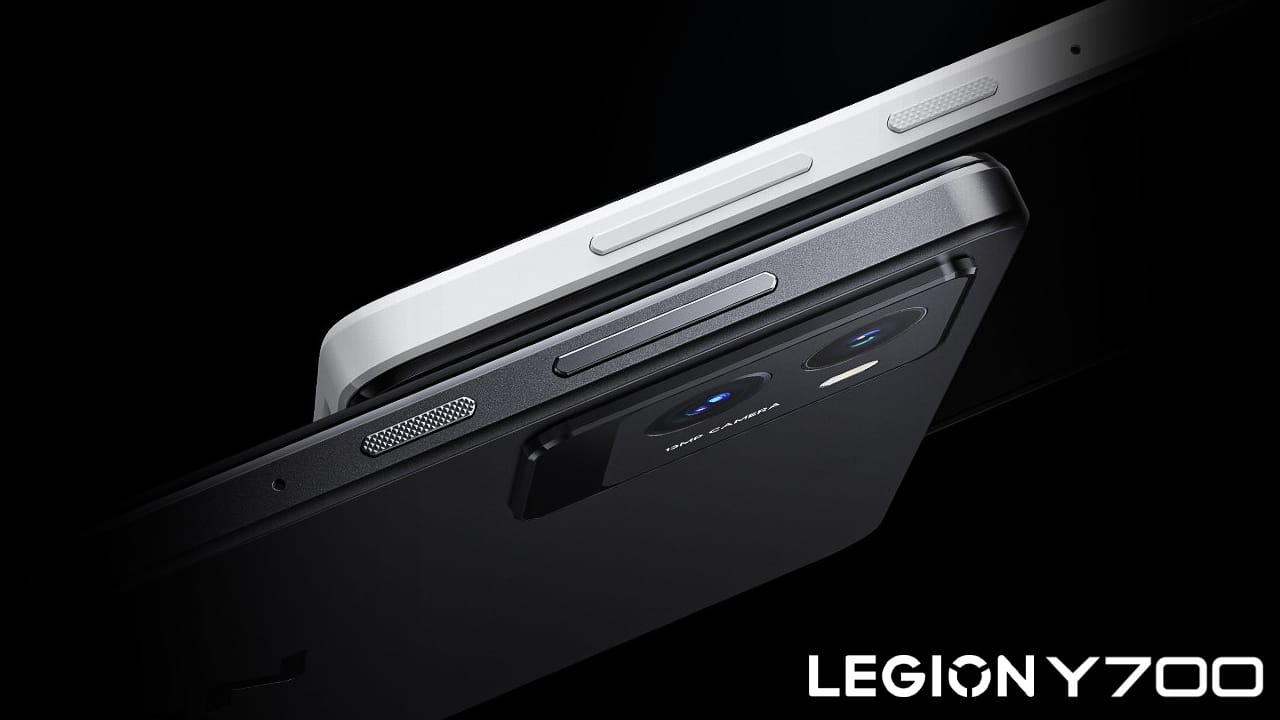
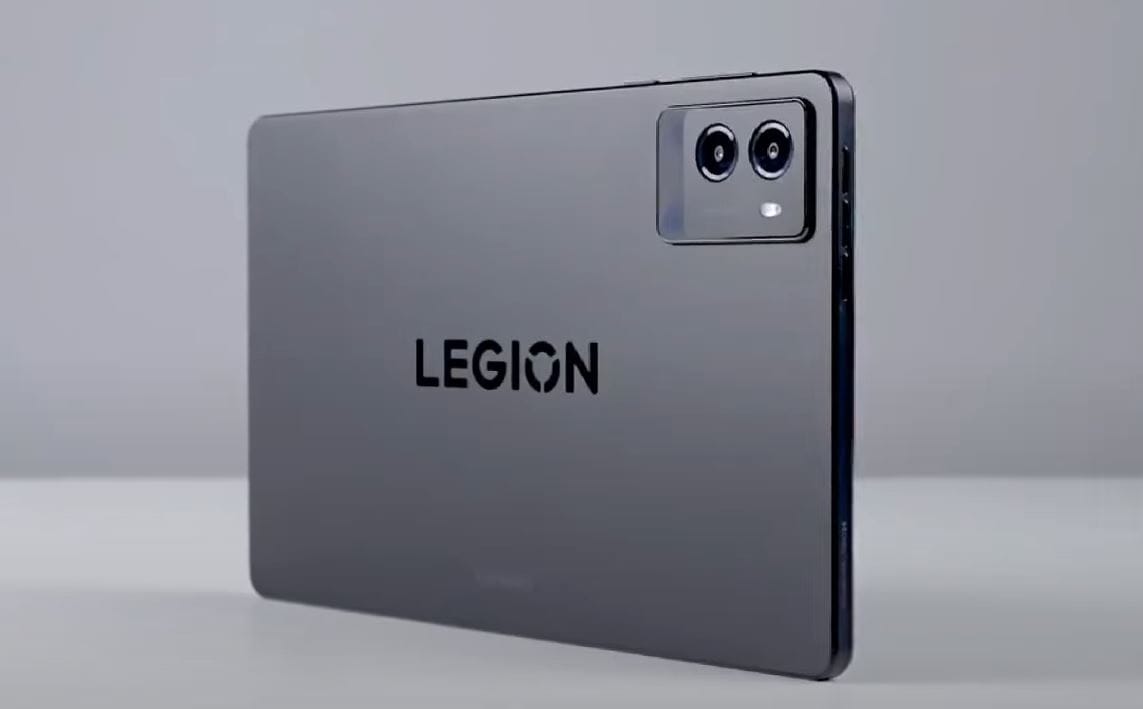
    Lenovo has recently launched the eagerly awaited 2024 update for its popular Legion Y700 gaming tablet. Following closely behind the global debut of its predecessor, which was released under a different name, the new version appears to be on track to follow a similar path.

    Upcoming Global Release

    The tablet has shown up in the IMDA database, keeping the same ‘TBF321U’ model number from its initial release in China. This suggests that we might see a global unveiling soon, likely with a rebranding similar to what we saw last year.

    Impressive Specs

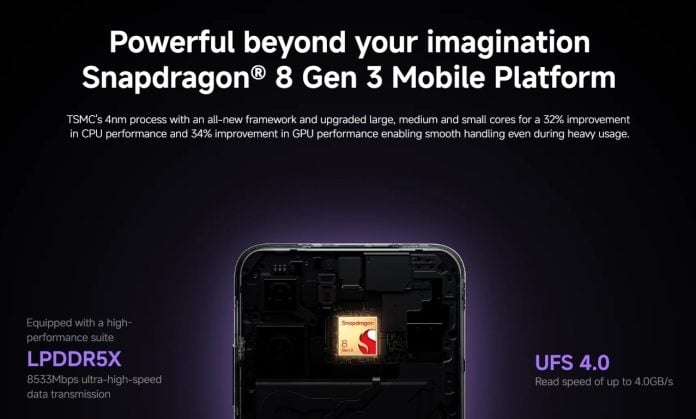
    Featuring an 8.8-inch QHD IPS display with a 165 Hz refresh rate, the Lenovo Legion Y700 gaming tablet stands out in the performance tablet market. It runs on the Snapdragon 8 Gen 3 SoC, which is quite powerful, although it might soon feel dated since its successor, the 8 Gen 4, is expected to arrive soon and is rumored to offer significant performance improvements.

    Price Expectations

    In China, the Lenovo Legion Y700 is priced at CNY 3,999, roughly translating to just below $580. Should the gaming tablet make its way to international markets, we can expect its price to rise, as has been the case in the past.

    IMDA, uncovered by TheTechOutlook.


    Image 1
  • Huawei Kirin ARM PC Chip Delay: New Release Set for Next Year

    Huawei Kirin ARM PC Chip Delay: New Release Set for Next Year

    There have been several updates regarding a potential Huawei Kirin PC chip, but the company itself hasn’t made any official announcements yet. An intriguing rumor from August suggested that this ARM-based chipset might have a unified architecture, much like Apple’s M series chips. Another report from April even hinted that it could compete with the Apple M3.

    Rumored Delays in Launch

    Despite speculation that Huawei would unveil the Kirin PC chip this year, there has been no confirmation from the firm. Recently, a tipster known as @BeijingDigitalMaster on Weibo indicated that the anticipated ARM-based chip has been pushed back to the first quarter of 2025. The reason for this delay wasn’t disclosed, but it likely relates to concerns over efficiency.

    Current Chip Technology

    Last year, Huawei achieved a significant milestone with the introduction of the 5G-enabled Kirin 9000S, but this chip, along with its successors, is produced using an older manufacturing technology. For context, the new Mate XT features the Kirin 9010, which is built on a 7 nm process. In contrast, the upcoming Snapdragon 8 Gen 4 and Dimensity 9400 are produced using a more advanced 3 nm node.

    On a related note, the Snapdragon X series for PCs is manufactured with a 4 nm process. As is commonly understood, power consumption is closely linked to the size of the transistors used. Thus, smaller transistors typically lead to improved efficiency. For example, Huawei’s current 7 nm Kirin chip is significantly less efficient than the latest Snapdragon 8 Gen 3 and Dimensity 9300.

    Future Prospects for Kirin

    Even if the rumored Kirin PC chip does indeed match the performance of the Apple M3, it will struggle to deliver superior battery life if it continues to be made using the 7 nm process. Reports have suggested that SMIC, the semiconductor company that Huawei partners with, is now capable of producing 5 nm chips. If this information is accurate, it’s possible that Huawei is waiting for a more favorable production yield before moving forward.


    Image 1
  • Realme GT Neo 7 to Feature Top SoC in AnTuTu Rankings

    Realme GT Neo 7 to Feature Top SoC in AnTuTu Rankings

    According to a tipster known as Smart Pikachu, the Realme GT Neo 7 is set to launch sooner than many people thought. The Neo 6 was introduced by the company in May this year and is seen as an affordable flagship smartphone that uses the Snapdragon 8s Gen 3 processor. According to the Weibo tipster, the new version will have the Snapdragon 8 Gen 3 Leading Version instead.

    Performance Insights

    This is the same chipset that has been leading the AnTuTu flagship rankings for a while now. Nubia was the first brand to release smartphones with this overclocked version of the Snapdragon 8 Gen 3, and their RedMagic 9S Pro+ has managed to maintain the top spot in AnTuTu’s monthly rankings recently.

    Future Competition

    Nevertheless, it’s unlikely that the Realme GT Neo 7 will take the lead in the AnTuTu rankings right after its launch, as the Snapdragon 8 Gen 4 and Dimensity 9400 are expected to arrive soon. These new processors are anticipated to offer a significant boost in performance. If this is true, upcoming flagship models with these next-gen chipsets will likely show a considerable improvement in benchmark scores.

    Display and Battery Features

    In addition to the processor, Smart Pikachu also mentioned that the GT Neo 7 will have a 1.5K “gaming” flat screen. The tipster did not go into detail about the specifications, but the term “gaming” might suggest that the display will support a 144 Hz refresh rate. There are also rumors that it will come equipped with a large battery along with support for 100W fast charging.

    Smart Pikachu on Weibo via: GSMArena

  • Realme GT Neo 7 Specs Leak: Launch Date & Rivals Revealed

    Realme GT Neo 7 Specs Leak: Launch Date & Rivals Revealed

    Realme is set to release two significant smartphones in China this year. The first device, the Realme GT 7 Pro, is anticipated to sport the latest Snapdragon 8 Gen 4 processor and is expected to be announced in November. Recent leaks indicate that the company is also developing the Realme GT Neo 7. Below, we’ll dive into the key specs and expected launch details for this device.

    Specifications of Realme GT Neo 7 (rumored)

    As per the tipster Smart Pikachu, the Realme GT Neo 7 is rumored to come with a flat display boasting a 1.5K resolution, aimed at enhancing the gaming experience. The device will be powered by a tweaked version of the Snapdragon 8 Gen 3 chip. While the leak doesn’t confirm this explicitly, it seems likely that the smartphone will feature a dedicated chip to boost graphics performance in gaming scenarios. Furthermore, it’s suggested that the GT Neo 7 will support rapid 100W charging.

    Pricing and Competition for Realme GT Neo 7 (rumored)

    The tipster has referred to the Realme GT Neo 7 as a “price killer” and expects it to launch by the year’s end. According to a recent post from Digital Chat Station on Weibo, many smartphones equipped with the Snapdragon 8 Gen 4 are predicted to come with higher price points. He also mentioned that buyers looking for devices focused on features, performance, and display may want to hold out for budget-friendly flagship models featuring older chipsets.

    The anticipated launch of the Realme GT Neo 7 is now pushed to December 2024, and it is likely to go up against the iQOO Neo 10 Pro, OnePlus Ace 5 Pro, and the Redmi K80. Of these, the Redmi K80 is expected to be revealed in November.


    Image 1
  • Lenovo Launches New Color Option for 2024 Legion Y700 Tablet

    Lenovo Launches New Color Option for 2024 Legion Y700 Tablet

    Lenovo is set to unveil the 2024 Legion Y700 on September 29 in China. This upcoming Android gaming tablet will compete with the RedMagic Nova, and Lenovo has confirmed nearly all the device’s specifications. Just hours ahead of the official launch, the company has announced a second color option.

    New Color Variants

    Initially, Lenovo showcased the tablet in a matte black finish. The 2023 Legion Y700 was offered in a single color, but the new model will provide more choices. According to the latest teasers, the successor will also come in a white option.

    The first color is referred to as "Carbon Crystal Black," while the second is called "Ice White." These teasers have revealed little else. Earlier, Lenovo disclosed that the gaming tablet will be powered by the Snapdragon 8 Gen 3 processor. Although it may not be the top variant found in RedMagic’s latest tablet, Lenovo has equipped it with a substantial vapor chamber (VC) cooler.

    Performance Insights

    A recent post on Weibo has assured users that the 2024 Legion Y700 will maintain stable performance across various gaming scenarios. The device’s temperature management appears to be impressive even under demanding conditions.

    Additionally, the new tablet will feature an 8.8-inch display boasting a refresh rate of 165 Hz and a resolution of 2560×1600 pixels, along with global DC dimming capabilities. These specifications position the 2024 Legion Y700 as a worthy successor to its 2023 predecessor. If Lenovo keeps the pricing competitive, especially in the international market, it could pose a strong challenge to the RedMagic Nova.


    Image 1
  • Lenovo Unveils Legion Tablet’s Performance in 3D and RPG Games

    Lenovo Unveils Legion Tablet’s Performance in 3D and RPG Games

    Lenovo is set to introduce its new gaming tablet, the Legion Y700, in China on September 29th. We already knew it would be equipped with the powerful Snapdragon 8 Gen 3 chip, but Lenovo has now revealed some initial performance results for the Legion Y700 (2024) to build excitement.

    Performance Insights for Gamers

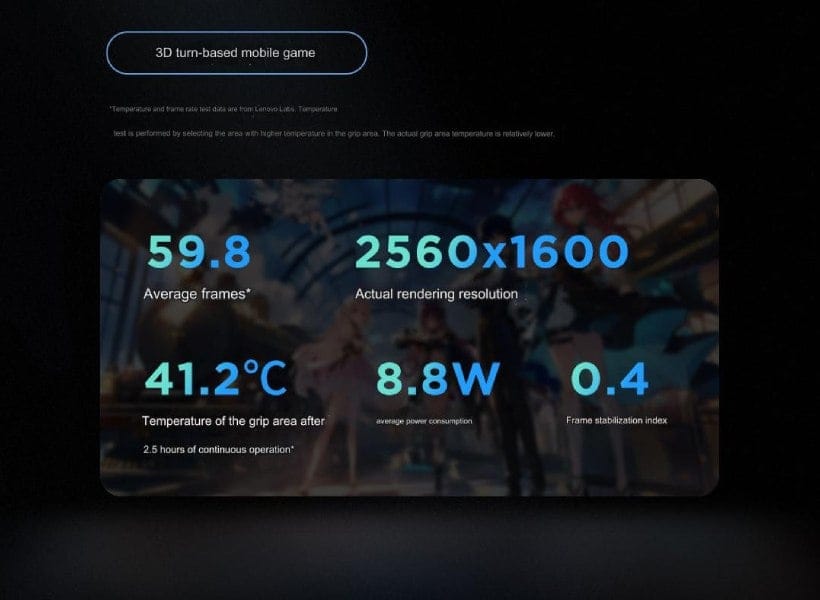
    As per Lenovo’s post on Weibo, the Y700 achieves an average of 59.8 FPS in 3D turn-based mobile games at a resolution of 2560×1600 pixels. This performance is commendable, especially with a low power consumption of only 8.8W.

    RPG enthusiasts will find this even more intriguing. Lenovo reports an average of 59.9 FPS in open-world RPGs, with a rendering resolution of 1728×1080 pixels, consuming 9.5W of power. The promotional image features a scene from Genshin Impact, a well-known resource-intensive title on Android. Although specific games were not listed, this indicates that the Y700 can manage demanding games with ease.

    Impressive Benchmark Figures

    For combat mobile games, the tablet maintains an average of 59.9 FPS at a resolution of 2304×1440 pixels. While no specific titles are mentioned, the high resolution is certainly encouraging. These performance figures are commendable, but it’s important to consider the recently released RedMagic Nova, which also utilizes the Snapdragon 8 Gen 3 but with the “Leading Version” variant that may offer slightly improved performance. However, we will need to wait for detailed reviews to make a fair comparison.

    Specifications and Features

    In addition to its powerful Snapdragon processor, the Y700 (2024) includes a smooth 165Hz refresh rate display. It also features a vapor chamber cooling system designed to manage heat effectively. This cooling system is notably large, measuring 10,004 mm², which Lenovo claims is comparable to the size of a mobile screen.

    We won’t have to wait long to see the real-world performance of this device. The Legion Y700 will be launched in just two days, and reviews are expected to appear shortly after. In the meantime, you can check out our review of last year’s model linked below.


    Image 1
    Image 1
  • Snapdragon 8 Elite vs 8 Gen 3: Key Differences & Benchmarks

    Snapdragon 8 Elite vs 8 Gen 3: Key Differences & Benchmarks

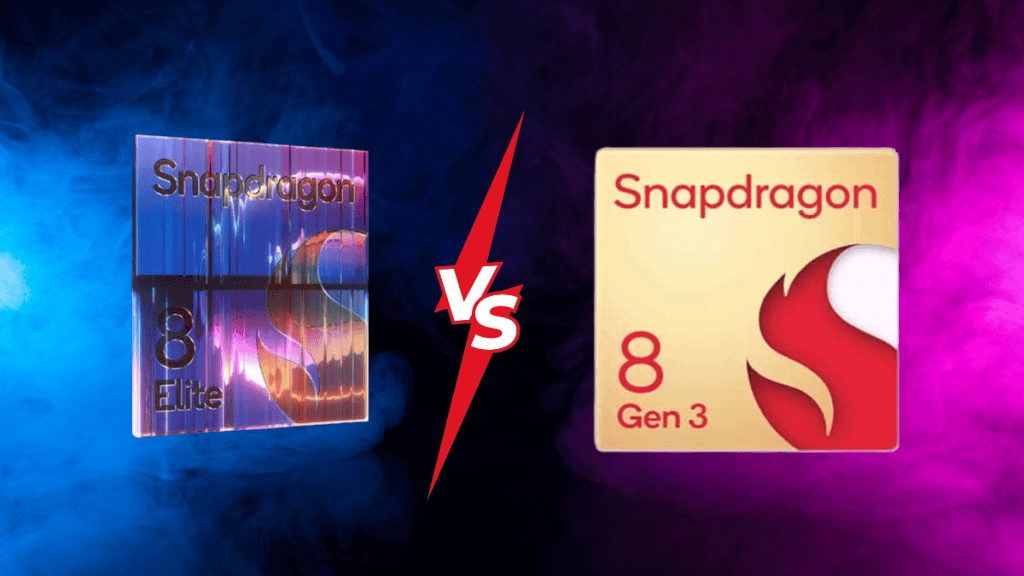
    Snapdragon 8 Gen 4 was anticipated to be Qualcomm’s upcoming flagship smartphone processor. However, it seems that the company might have rebranded it as the Snapdragon 8 Elite. This new chip is expected to succeed the Snapdragon 8 Gen 3 and is rumored to offer significant enhancements.

    Snapdragon 8 Elite in the Xiaomi 15 Series

    Leaked promotional materials for the Xiaomi 15 series suggest that this device will utilize the Snapdragon 8 Elite chipset. Various reports indicate that the Snapdragon 8 Gen 4 has indeed been renamed to Snapdragon 8 Elite. The release of the new Qualcomm chip is expected in October, so we’re just a few weeks away from the official announcement. Thanks to previous leaks, we already have a wealth of information regarding this new chip.

    In this article, we will compare the Snapdragon 8 Elite with the Snapdragon 8 Gen 3 to assess the extent of the upgrades.

    Specifications Comparison

    Specification Snapdragon 8 Elite (leaked) Snapdragon 8 Gen 3
    Release date October 2024 (expected) October 2023
    Process node 3nm 4nm
    Manufacturer TSMC TSMC
    Cores 8 8
    CPU architecture 2 x 4.09 GHz – Oryon 1 x Cortex-X4 @ 3.3 GHz, 3 x Cortex-A720 @ 3.15 GHz, 2 x Cortex-A720 @ 2.96 GHz, 2 x Cortex-A520 @ 2.27 GHz
    CPU max frequency 4,090 MHz 3,300 MHz
    CPU bit 64-bit 64-bit
    GPU Adreno 830 Adreno 750
    GPU frequency 1150 MHz 770 MHz
    Snapdragon Elite Gaming Yes No
    Hardware Accelerated Ray Tracing Yes No
    NPU Hexagon Hexagon

    Performance Benchmarks

    AnTuTu Scores

    The performance of the Snapdragon 8 Elite and Snapdragon 8 Gen 3 on the AnTuTu 10 benchmark is as follows:

    AnTuTu 10 Snapdragon 8 Elite Snapdragon 8 Gen 3
    AnTuTu score 31,33,570 21,28,819
    CPU 702,689 475,525
    GPU 13,30,057 896,088
    Memory 616,268 416,633
    UX 484,556 340,573

    The leaked AnTuTu score for the Snapdragon 8 Elite breaks all previous records for smartphone processors. It far surpasses the scores of the Dimensity 9300+ and Apple A18 Pro. The Snapdragon 8 Gen 3, tested on the Red Magic 9 Pro, achieved an impressive AnTuTu score of 2,128,819, but the Snapdragon 8 Elite has significantly outperformed that with a score of 3,133,570. The difference in performance is approximately 50%, marking a considerable leap forward.

    Geekbench Scores

    The leaked Geekbench V6 scores for both chips show the following results:

    Geekbench V6 Snapdragon 8 Elite Snapdragon 8 Gen 3
    Single core 2,845 2,376
    Multi core 10,628 7,058

    The Snapdragon 8 Elite exhibits notable enhancements, particularly in the multi-core tests, compared to last year’s Snapdragon 8 Gen 3.

    Key Differences and Expectations

    The Snapdragon 8 Elite is expected to be built on a 3nm process node, in contrast to the 4nm used for the 8 Gen 3, again utilizing TSMC’s advanced manufacturing technologies. This suggests that the new chip will be more efficient than its predecessor.

    While the Snapdragon 8 Elite is also said to have 8 cores, it will not use the same (1+3+4) core layout as the previous generation. Instead, it is likely to adopt a (2+6) configuration. Furthermore, the new chip may be Qualcomm’s first mobile processor that incorporates its Oryon CPU technology, which is already used in the Snapdragon X Elite for PCs.

    The Snapdragon X Elite has demonstrated outstanding performance and efficiency, which has been a long-standing issue for Windows computers. Since the Snapdragon 8 Elite is rumored to feature Oryon CPUs, expectations are high for substantial performance and energy efficiency gains compared to the Snapdragon 8 Gen 3.

    Recent leaks suggest that the Snapdragon 8 Elite will include two high-performance cores running at 4.09 GHz, while the other six mid-cores will operate at 2.78 GHz, giving it a peak CPU frequency of 4.09 GHz, up from 3.3 GHz in the Snapdragon 8 Gen 3.

    Additionally, the Snapdragon 8 Elite might come with the Adreno 830 GPU, which is expected to deliver a 43% to 56% improvement over its predecessor. The new GPU is likely to run at 1150 MHz, compared to the 750 MHz of the Adreno 750 in the Snapdragon 8 Gen 3.

    In summary, the Snapdragon 8 Elite could introduce significant CPU and GPU enhancements, with the Oryon cores potentially providing excellent battery efficiency for Android smartphones. While the anticipation surrounding the Snapdragon 8 Elite is high, all information is based on leaks, so it’s wise to approach it with some caution.

  • Xiaomi Mix Flip Debuts Globally: 5 Features vs. Galaxy Z Flip 6

    Xiaomi Mix Flip Debuts Globally: 5 Features vs. Galaxy Z Flip 6

    In July, Xiaomi introduced the Mix Flip, marking its debut as the first foldable flip phone in China. Following the Samsung Galaxy Z Flip 6, it stands out as the only other flip phone equipped with the Snapdragon 8 Gen 3 chipset. As a result, these two devices will compete in various markets. Let’s explore some of the most compelling features of the Mix Flip.

    Impressive Outer Display

    One of the standout features of the Xiaomi Mix Flip is its generous 4.01-inch cover display. This screen boasts a resolution of 1392 x 1208 pixels, a pixel density of 460ppi, and an impressive peak brightness of 3,000 nits. It also offers DC dimming and a refresh rate of up to 120Hz. In comparison, the Galaxy Z Flip 6 features a smaller 3.5-inch cover screen with a 60Hz refresh rate.

    Stunning Foldable Screen

    Upon opening the Mix Flip, users will find a remarkable 6.86-inch Crystal Res LTPO foldable display. This screen supports a refresh rate ranging from 1 to 120Hz and has a resolution of 2192 x 1224 pixels, also maintaining a pixel density of 460ppi. Like its cover display, this screen can achieve a maximum brightness of 3,000 nits and features 2160Hz PWM dimming. Additionally, it is compatible with HDR10, HDR10+, and Dolby Vision video formats.


    Image 1
    Image 1
    Image 1
    Image 1
  • Redmi K80 Features 6500mAh Battery and Telephoto Lens

    Redmi K80 Features 6500mAh Battery and Telephoto Lens

    Redmi is preparing to unveil its latest Note 14 Pro series smartphones in China this week. Following this, new devices from the K80 series are anticipated to be released in November or December.

    Key Features of the Redmi K80

    The K80 series is expected to include a standard Redmi K80 and a Pro version. Recent leaks have revealed some significant details about the standard Redmi K80, notably its impressive battery capacity. According to the Weibo tipster Smart Pikachu, the Redmi K80 is likely to come with “flagship waterproof” features. This is a significant upgrade over last year’s Redmi K70 and its Pro variant, which did not offer any waterproofing.

    We anticipate at least an IP68 rating for the K80, and there’s a chance it could even achieve an IP69 rating, especially since the more budget-friendly Redmi Note 14 Pro has already been confirmed to have an IP69 rating.

    Camera and Design Enhancements

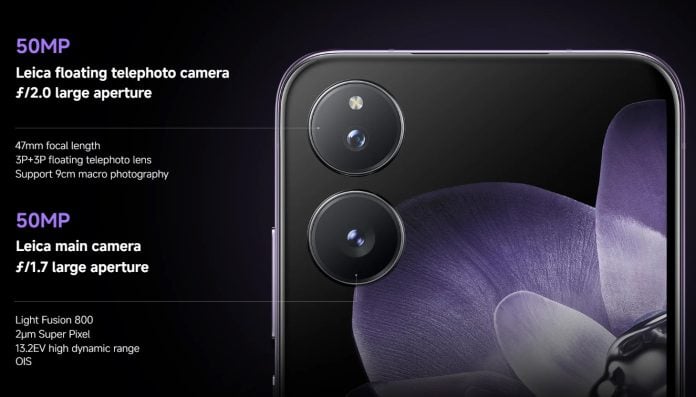
    The leak also indicates that the smartphone will include a telephoto lens that can capture macro shots as well. If this is accurate, it marks another impressive upgrade from the Redmi K70, which had a triple rear camera setup but no telephoto lens. Additionally, it is reported that the back of the phone will be made of glass, with white as one of the potential color options.

    Impressive Battery Life

    Moreover, the leak mentions that a powerful 6500mAh battery will power the device. The trend for large batteries, especially those around 6000mAh, is becoming common in smartphones for 2024. Several flagship models are rumored to feature batteries of this capacity, including Redmi’s own Note 14 Pro+, which is confirmed to have a 6200mAh battery.

    In addition to this, earlier reports suggest that the Redmi K80 may come equipped with a 2K OLED display featuring a 120Hz refresh rate and powered by the Snapdragon 8 Gen 3 processor.

    The K80 will be launched alongside its Pro counterpart, which is also expected to feature the same chipset and display, although they may differ in terms of charging capabilities and battery size.

    There’s a chance that the K80 and K80 Pro might be rebranded as the Poco F7 and F7 Pro when released in markets outside of China.

  • OnePlus Ace 5 and Ace 5 Pro Camera Specs Leaked: 50MP IMX9 Series

    OnePlus Ace 5 and Ace 5 Pro Camera Specs Leaked: 50MP IMX9 Series

    Reports suggest that OnePlus is set to reveal the OnePlus 13 by the end of October in China. Following the OP13, the company is also expected to introduce the OnePlus Ace 5 and Ace 5 Pro, which are positioned as budget-friendly flagship devices. Since these models focus on performance, they are likely to feature lower-quality camera sensors compared to the OP13. A recent leak from tipster Digital Chat Station has provided insights into the camera specifications and other features of the Ace 5 lineup.

    Camera Specifications for OnePlus Ace 5 and Ace 5 Pro

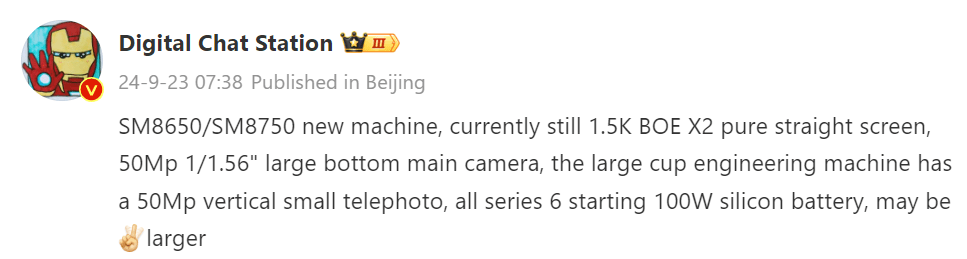
    The tipster revealed details about two upcoming OnePlus devices, identified as the SM8650 and SM8750, which correspond to the Snapdragon 8 Gen 3 and Snapdragon 8 Gen 4 chipsets, respectively, as mentioned in a Weibo post. Earlier leaks from the same source indicated that these chipsets would power the OnePlus Ace 5 and Ace 5 Pro.

    The leaked information states that the OnePlus Ace 5 series will sport a flat BOE X2 OLED display with a resolution of 1.5K. For photography, both models will be equipped with a new Sony IMX9-series 50-megapixel camera featuring a large sensor size of 1/1.56 inches. Additionally, there will be a 50-megapixel telephoto camera to support the main camera.

    Battery and Launch Timeline

    Internally, the Ace 5 and Ace 5 Pro are expected to house approximately a 6,000mAh silicon battery. Previous leaks indicated that the Ace 5 series would rival the Redmi K80 and K80 Pro, which are anticipated to release in November 2024. However, Digital Chat Station has confirmed that the Ace 5 series is now scheduled for a launch in December, with the latest date possibly extending into January.

    In 2024, OnePlus has already launched several models under the Ace brand, including the OnePlus Ace 3, OnePlus Ace 3 V, and OnePlus Ace 3 Pro. It seems that OnePlus will bypass the Ace 4 series, likely due to the negative associations with the number “4,” and will proceed directly to the Ace 5 series.


    Image 1