Key Takeaways
1. Samsung’s Galaxy Z TriFold features a 10-inch display, Snapdragon 8 Elite SoC, and a 5,600 mAh battery.
2. A YouTuber from the channel ‘Strange Parts’ enhanced the Galaxy Z TriFold’s battery using Honor’s silicon carbon cells, potentially increasing the capacity by 71%.
3. The project involved overcoming compatibility challenges and modifying the device, including CNC milling and replacing the battery management system.
4. The modified Galaxy Z TriFold reached a battery capacity of 9,600 mAh but experienced display issues, with no tests conducted on capacity or durability.
5. Samsung may soon release a device with silicon carbon battery technology, possibly the Galaxy S26 Edge, as they continue to explore advancements in battery technology.
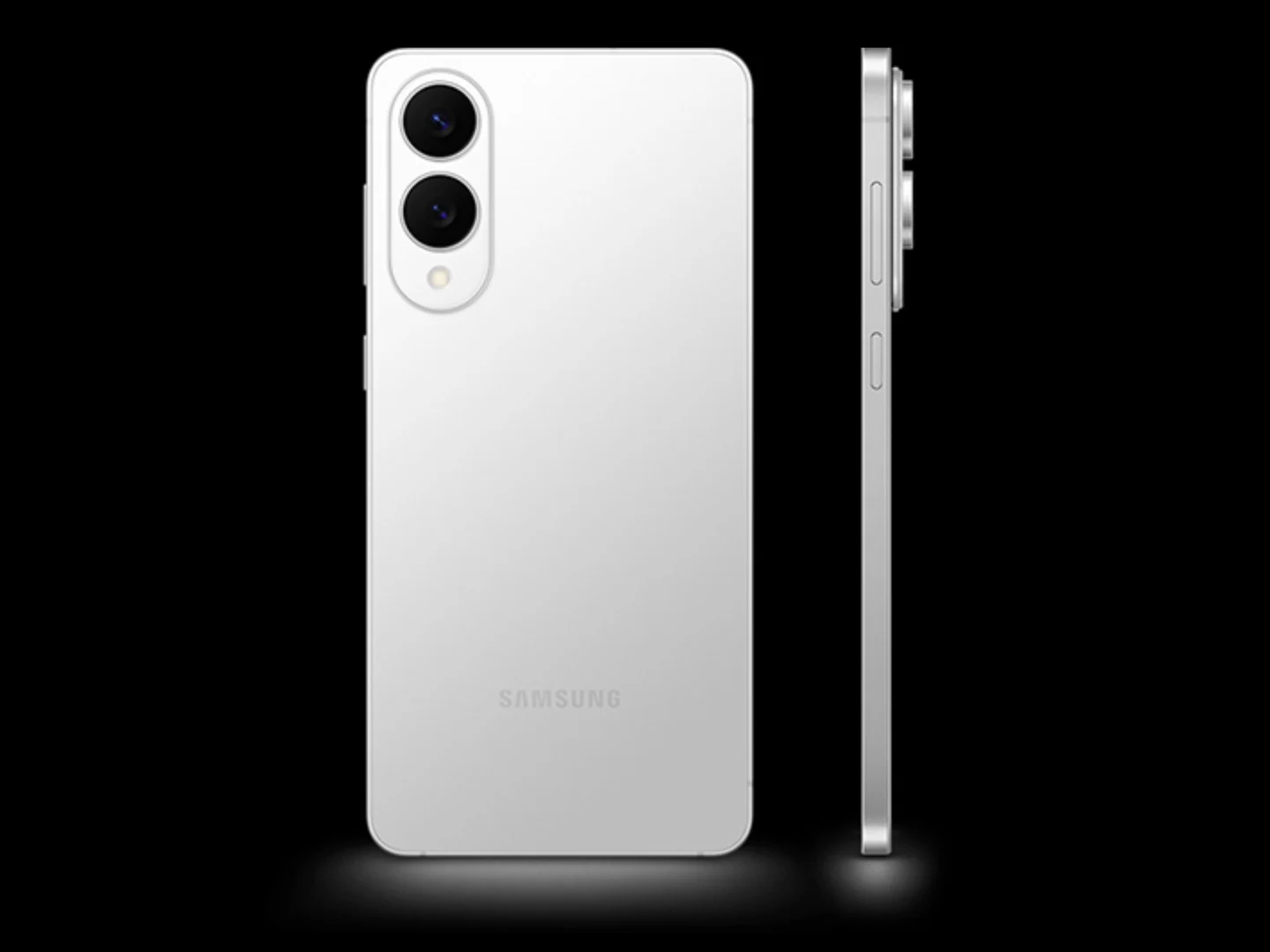
Samsung introduced its Galaxy Z TriFold in December of the previous year, and it’s been quite popular. This device features an impressive 10-inch display when opened, powered by the Snapdragon 8 Elite SoC, along with a triple rear camera setup. It is supported by a modest 5,600 mAh Li-Ion battery. Meanwhile, as Chinese brands shift towards silicon carbon technology, foldable models like the Honor Magic V6 offer a much larger 6,660 mAh battery. While Samsung is still in the process of incorporating silicon carbon batteries into their products, a YouTuber has outpaced the Korean company, with assistance from Honor.
YouTuber’s Creative Challenge
The YouTube channel ‘Strange Parts’ is well-known for its inventive and intricate projects, such as ‘constructing a functional Apple Watch in a week’ or ‘3D printing an iPhone’. In their most recent adventure (linked below), the host Scotty Allen succeeded in enhancing the Galaxy Z TriFold’s battery using Honor’s silicon carbon cells, which theoretically boosts the capacity by 71%. However, the journey was challenging and not completely successful.
The Process of Upgrading
For this project, the YouTuber teamed up with Honor and began with one Galaxy Z TriFold acquired in China. He then worked on identifying compatibility issues and created mock-ups to assess the project’s feasibility before dismantling the actual device. The Honor silicon carbon batteries were slightly wider than the battery slots in the Galaxy Z TriFold, so he had to CNC mill space for them. Additionally, he needed to grind down a portion of the hinge mechanism and remove the bottom speaker. To make sure the phone would recognize the new batteries, he replaced the Honor Battery Management System (BMS) with Samsung’s BMS.
Final Results and Future Prospects
Eventually, he went through four Galaxy Z TriFolds to find the correct combination of parts to create the silicon carbon-enhanced Galaxy Z TriFold. The battery capacity reached a claimed 9,600 mAh, which is a 71% increase, but the display developed a white line across it. Unfortunately, there were no tests to verify the actual capacity, charging speeds, or durability of the new setup. Nevertheless, this project highlights the advantages of using silicon carbon instead of conventional Li-Ion batteries, particularly in foldable devices.
We might not have to wait too long for Samsung to unveil a phone featuring a silicon carbon battery, as a recent report hinted that such a device could be coming soon. It might be the Galaxy S26 Edge, or whatever name it ends up with, that will serve as the test model for this new battery technology.