
Tag: Ramses

  • 2 Billion People to Witness Rare Sky Phenomenon in 4 Years

    2 Billion People to Witness Rare Sky Phenomenon in 4 Years

    Key Takeaways

    1. Apophis is a 340-meter-wide asteroid set to pass within 30,000 kilometers of Earth on April 13, 2029, providing a rare spectacle for about two billion people.
    2. Initial concerns about Apophis included a 2.7% chance of impacting Earth, but further observations have eliminated any threat for at least the next 100 years.
    3. The close approach of Apophis offers a unique opportunity for scientists to study its trajectory and the gravitational effects of Earth on it.
    4. NASA and the Ramses project are collaborating to monitor Apophis with the OSIRIS-REx probe and a small satellite to gather data during its close encounter.
    5. Apophis will create a bright sight in the night sky, particularly visible in Africa and Western Europe, with updated trajectory information available for viewers in the coming years.


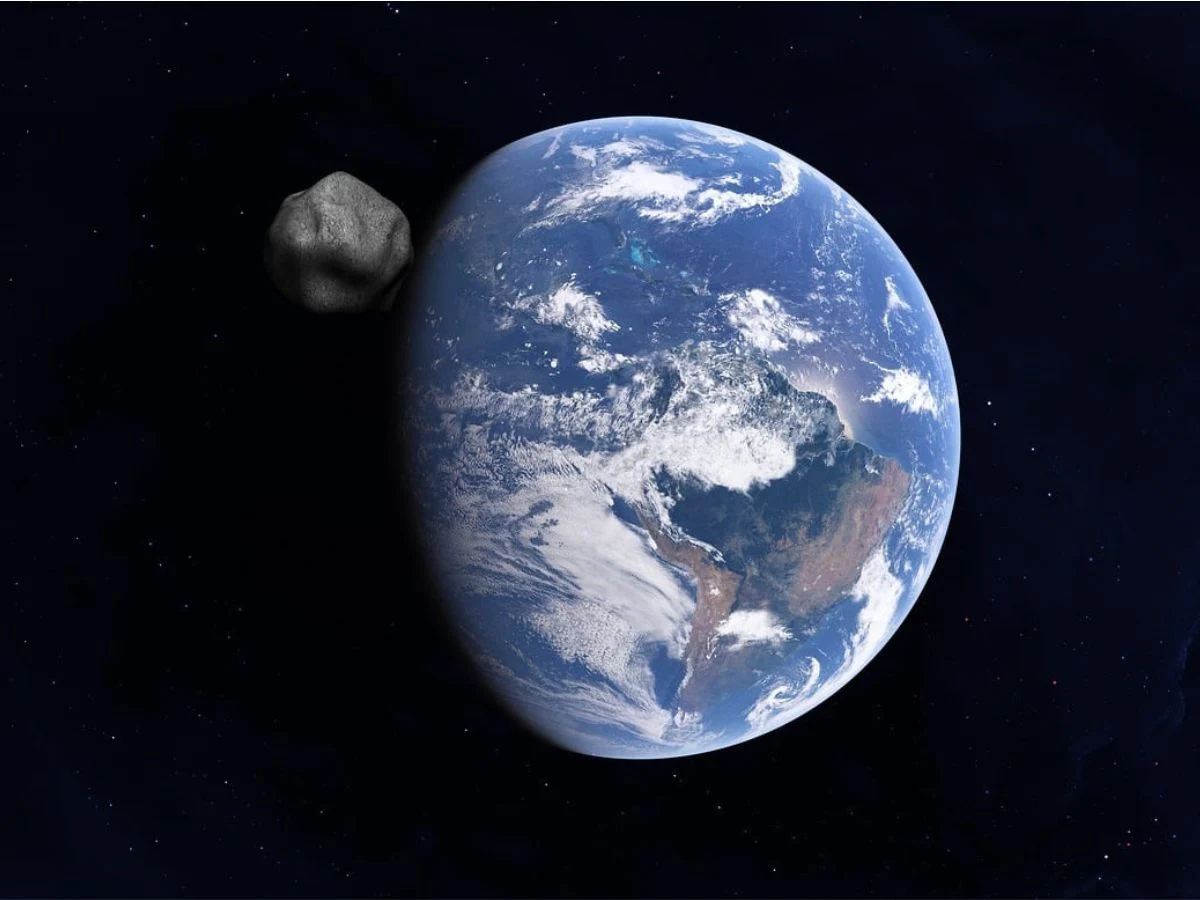
    Space is a thrilling and enigmatic realm, and it’s crucial to recognize that numerous celestial bodies are zipping through it at incredible speeds. A prime example is the asteroid Apophis, which measures 340 meters across and is set to provide a once-in-a-7,500-year spectacle for around two billion people in 2029.

    Discovery and Initial Concerns

    When Apophis was first identified in 2004, it sent ripples of concern throughout the scientific world. At that time, it had a 2.7% probability of striking Earth, which placed it at level 4 on the Torino Scale. Thankfully, as time passed, observations helped clarify its path, and by 2021, any potential threat was conclusively eliminated for at least a hundred years.

    A Close Encounter

    On April 13, 2029, Apophis will pass within 30,000 kilometers of Earth, and its trajectory may be influenced by our planet’s gravity. This event presents a rare chance for scientists to study the effects of such gravitational forces on a celestial body while it happens.

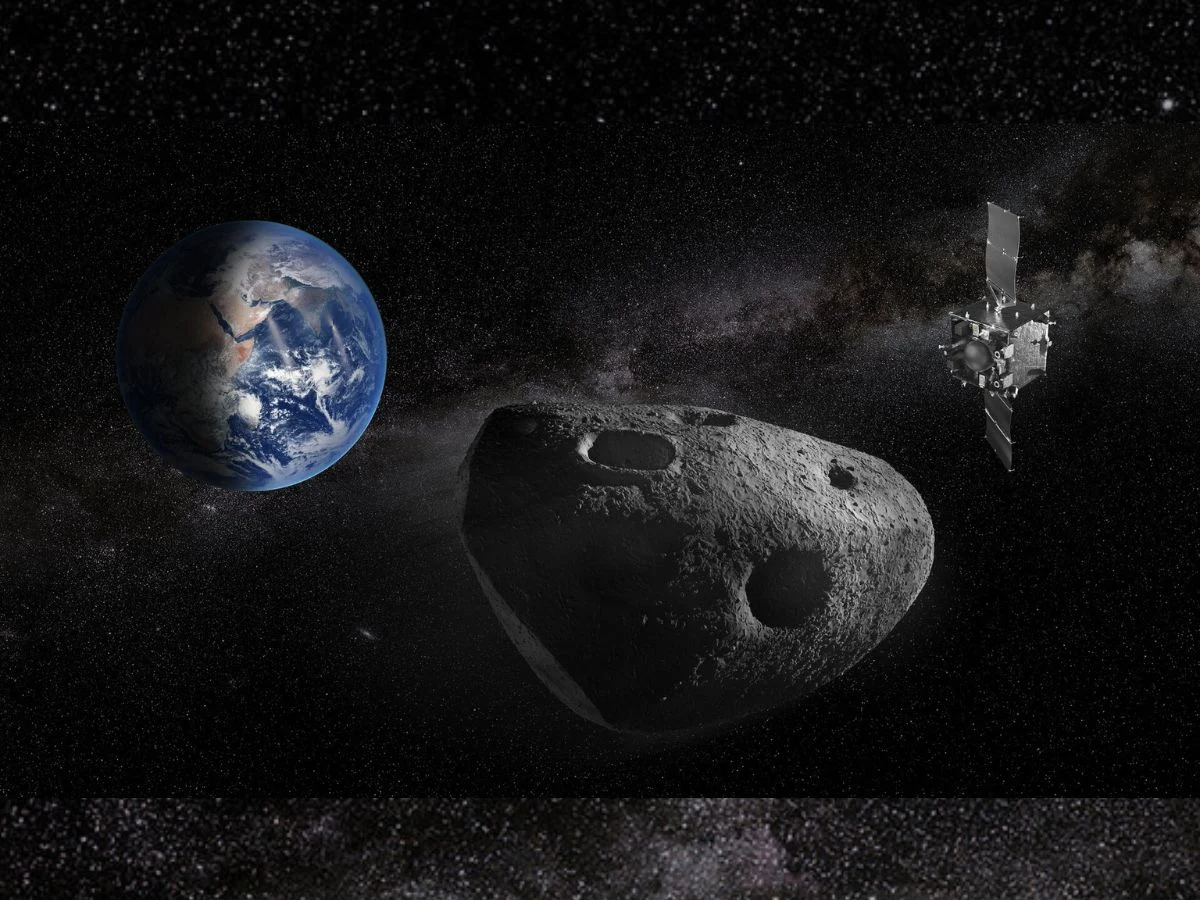
    In addition, NASA has decided to redirect the OSIRIS-REx space probe, which was originally intended to study Bennu, so it can also observe Apophis during its close approach. Europe is also on board with this initiative through the Ramses project, which aims to monitor the asteroid using a small satellite designed to detect seismic waves.

    A Night Sky Spectacle

    While Apophis doesn’t pose a danger, it may create a stunning sight in the night sky. Much like the two comets visible in October, individuals in Africa and Western Europe will have the chance to see this asteroid as it travels across the sky, shining brightly like a new star.

    Its trajectory will be updated within four years, ensuring that everyone knows where to gaze in the night sky. However, it’s essential to have clear weather conditions, and skywatchers should keep an eye on the forecast, as other astronomical phenomena could occur in the meantime.

    In conclusion, Apophis’s passage may also act as a test for identifying future threats from space. The goal is to enhance our ability to detect asteroids and explore various methods to redirect them if necessary.

    Source:
    Link


  • ESA and JAXA Study 1,230-Foot Asteroid in Close Earth Flyby

    ESA and JAXA Study 1,230-Foot Asteroid in Close Earth Flyby

    Key Takeaways

    1. ESA and JAXA are collaborating on the Ramses project to study the asteroid Apophis as it approaches Earth on April 13, 2029.
    2. Apophis, about 375 meters in diameter, will come within 32,000 kilometers of Earth, allowing for significant gravitational and tidal effects on the asteroid.
    3. The Ramses spacecraft will observe Apophis before and after its close approach to gather detailed data on the asteroid’s physical changes.
    4. Understanding asteroids like Apophis is crucial for planetary defense against potential Earth-impacting threats.
    5. The Ramses mission requires approval from ESA’s Ministerial Council in November 2025, with potential launch in April 2028 if funded.


    ESA (European Space Agency) and JAXA (Japan Aerospace Exploration Agency) are working together on the Ramses (Rapid Apophis Mission for Space Safety) project. The aim of the Ramses mission is to send a spacecraft to meet Apophis and follow it as it passes Earth on April 13, 2029.

    Size and Significance of Apophis

    The asteroid Apophis is about 375 meters (1,230 feet) in diameter, which ESA likens to the size of a cruise ship. With the Ramses mission, ESA plans to investigate the internal structure of the asteroid. Apophis will come within 32,000 kilometers of Earth’s surface. At such a close range, it is anticipated that Earth’s gravity and tidal forces will change Apophis’s physical traits and reveal what is hidden beneath its surface.

    Close Observations Planned

    ESA aims for the Ramses spacecraft to be positioned near Apophis both before and after its encounter with Earth. This strategy is designed to provide scientists with detailed information about the changes the asteroid could experience during the flyby.

    NASA’s OSIRIS-APEX (Origins, Spectral Interpretation, Resource Identification and Security – Apophis Explorer) will also be present at Apophis for data collection. However, it will arrive about a month later than the asteroid’s closest approach to Earth.

    Importance of Studying Asteroids

    Gaining knowledge about the materials that make up asteroids like Apophis is vital for planetary defense. Missions like Ramses will help humanity prepare to defend against other asteroids that may threaten to collide with Earth. Hera is another mission that is already active in this area.

    However, Ramses still needs approval from the ESA’s Ministerial Council. A meeting scheduled for November 2025 will decide its fate. JAXA has formally requested funding from the Japanese Government. If they get the green light, Ramses could launch as early as April 2028 to reach Apophis by February 2029, allowing it to observe the asteroid before it is influenced by tidal forces.

    Source:
    Link