
Key Takeaways
1. The Leica M series has traditionally sourced its components from Europe, including sensors, until the M11, which uses a 60 MP sensor from Sony.
2. Leica is developing its own proprietary sensor, with the project starting around the time of the M11’s release in early 2022.
3. The new sensor aims to enhance the uniqueness of the M series and justify its premium pricing.
4. The proprietary sensor will be tailored to the M series’ specific needs, focusing on image quality rather than features like autofocus or video recording.
5. Dr. Andreas Kaufmann noted significant advancements in the sensor project, though details remain undisclosed.
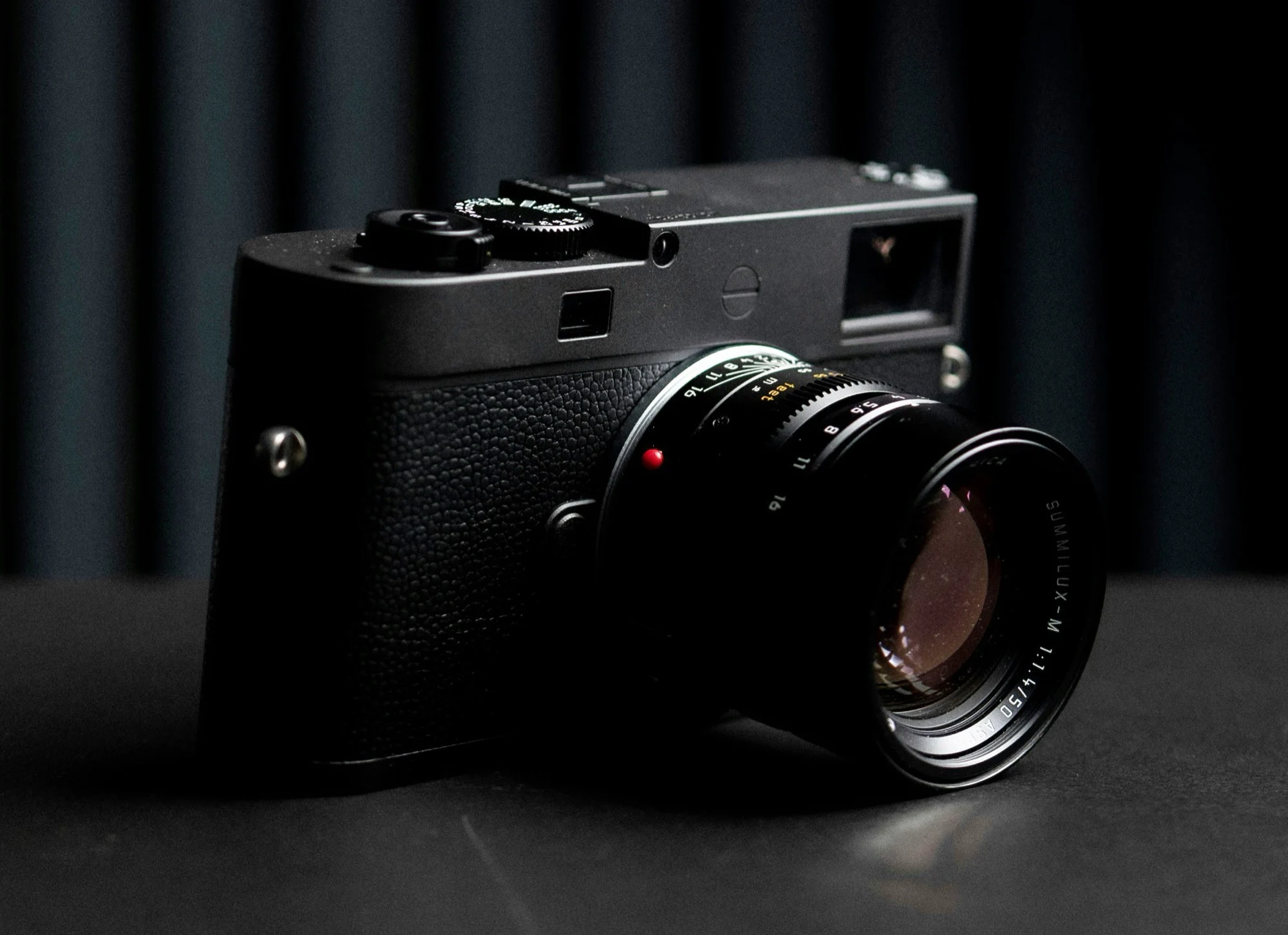
The Leica M series has always been designed and produced in Germany, with a majority of its parts coming from European sources. This was also the case for the full-frame sensor until the Leica M10, which was created by AMS Osram in Graz, Austria, and built in France. However, the latest Leica M11 features a 60 MP sensor from Sony, which closely resembles the sensor found in the much cheaper Sony A7R IV, though it has modified microlenses to enhance the image quality when using Leica M lenses.
Future Developments
Dr. Andreas Kaufmann, who is the owner and chairman of the supervisory board of Leica Camera AG, shared in a recent episode of the Leica Enthusiast Podcast that Leica is currently in the process of creating its own sensor. Development of this sensor began around the Leica M11’s release in early 2022, making it about four years into the project, with an anticipated completion time of roughly five years. Since kicking off this endeavor, Leica has made notable advancements, although Kaufmann chose not to provide further details on the matter.
Distinctive Features
Creating a proprietary sensor would enable Leica to set the M series apart from competitors, helping to justify its high price. Additionally, Leica might tailor the sensor to meet the unique needs of the M series, as unlike many cameras available, the Leica M does not feature autofocus or video recording capabilities and therefore doesn’t need PDAF pixels or a sensor that reads data particularly fast. Instead, the focus remains on achieving superior image quality within the M system.
Source:
Link