Key Takeaways
1. openSUSE has a legacy of over 40 years, originating from SUSE Linux in Germany.
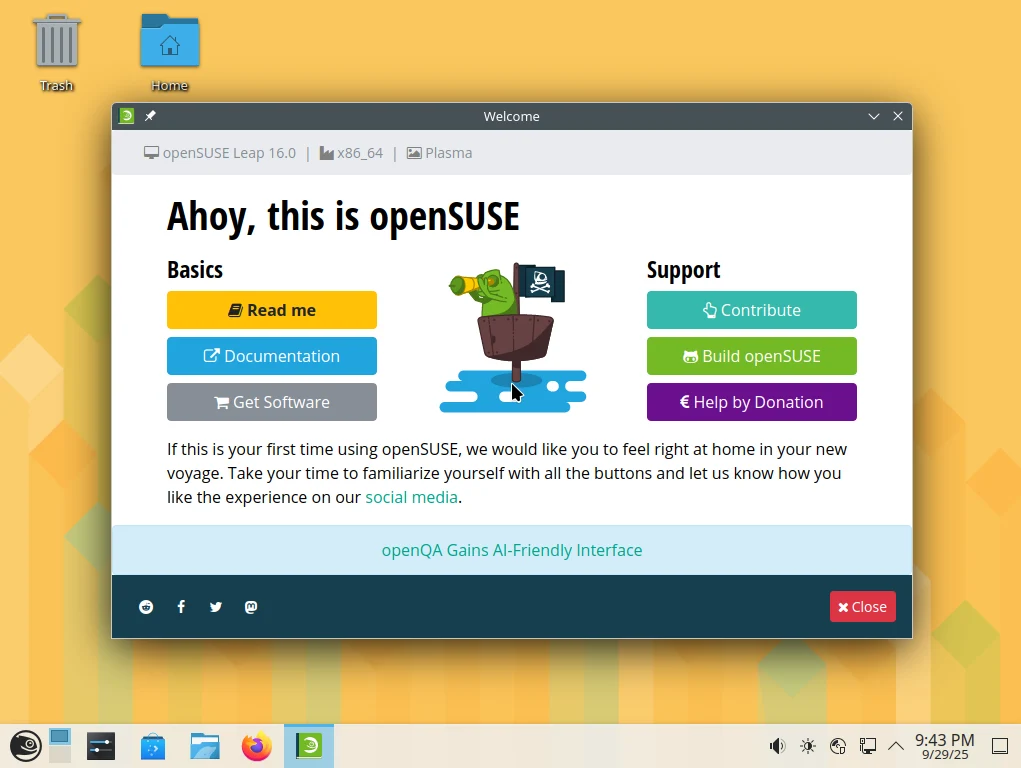
2. The latest update, openSUSE Leap 16.0, offers enhanced maintenance and security support, alongside a redesigned installer and new software stack.
3. Future minor releases will focus on automation, containerization, system tools, and hardware encryption.
4. The openSUSE team is dedicated to improving user experience and innovation with each release.
5. Leap 17 is expected to be released in 2032, continuing the platform’s evolution.
With a legacy spanning more than forty years, the initial version of SUSE Linux from Germany laid the foundation for today’s openSUSE, which has been active since late December 2006. This open-source, RPM-based operating system is supported by the openSUSE team, who also developed and continue to manage related tools like Snapper, Portus, KIWI, and the Open Build Service. The stable release known as Leap has recently seen a significant update, bringing it to version 16.0.
New Features and Improvements
Thanks to this latest update, openSUSE Leap is entering a new phase. The official release notes highlight that openSUSE Leap 16.0 “brings an unparalleled maintenance and security support cycle,” along with a redesigned installer, a new software stack, and easier migration procedures. Other notable features include:
Looking ahead, the upcoming minor releases of Leap 16 will focus on enhancing automation, containerization, system tools, and hardware encryption. If all goes well, Leap 17 is anticipated to be released in 2032.
Future Developments
The openSUSE team aims to continue improving the user experience with each release. The commitment to innovation and support ensures that users can rely on the platform for both personal and professional use. As the open-source community grows, so does the potential for exciting new features and updates in the coming years.
Source:
Link