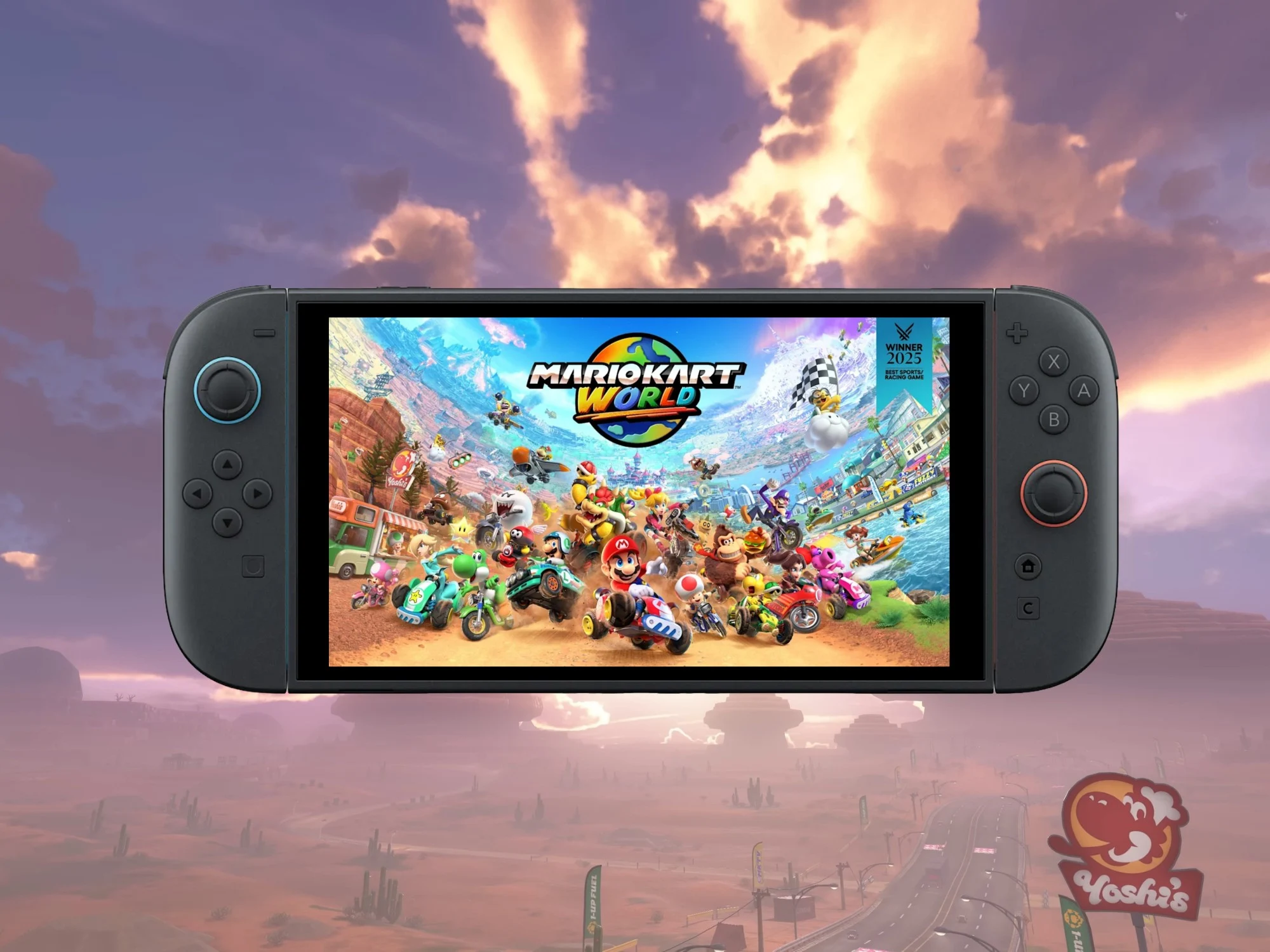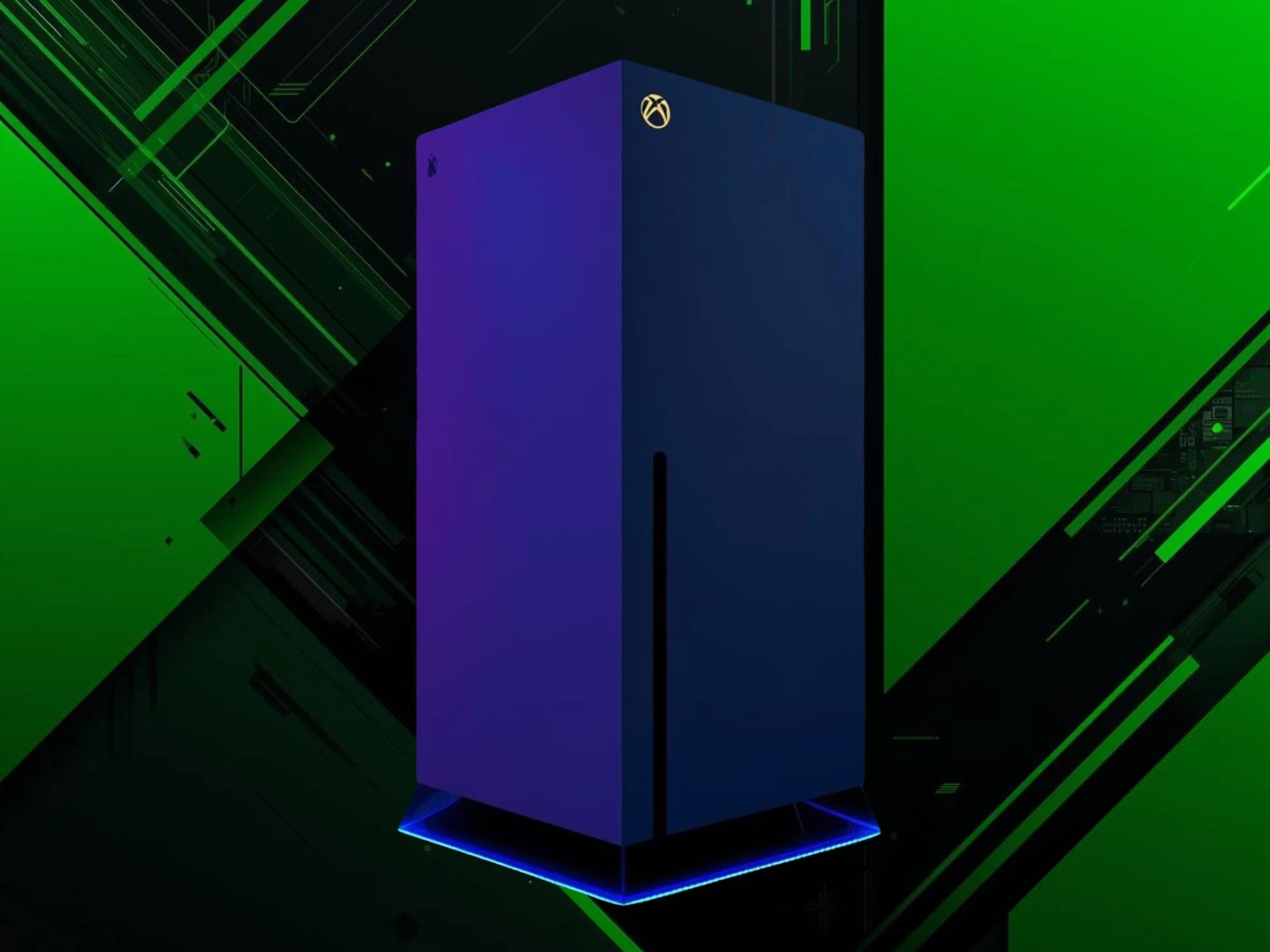
1. Seamus Blackley favors Steam and Nintendo over Project Helix, citing their focus on innovative games and community-driven content.
2. He questions the appeal of Project Helix’s PC game compatibility, viewing it as a “hobbyist pitch” unlikely to attract gamers without a strong exclusive library.
3. Blackley believes hardware innovation is crucial for standing out, emphasizing the need for exclusive features and titles rather than relying on cross-platform software support.
Original Xbox Innovator’s Viewpoint on Project Helix
A mastermind behind the creation of the original Xbox, Seamus Blackley, expressively criticized Microsoft’s Project Helix on an Expansion Pass podcast. His viewpoints reveal a stark contrast to the excitement surrounding other gaming platforms. Blackley steering away from the new Xbox, shared that he is more captivated by what Steam and Nintendo bring to the table, citing Steam’s dedication to engaging game content and Nintendo’s inventive hardware designs.
Comparing Platforms with a Focus on Content and Innovation
Blackley highlighted his opinions on various gaming communities, hinting at the differences in their driving forces. His admiration for Valve stems from their willingness to take risk and foster a vibrant gaming network, though he admits those risks don’t always succeed—like the Steam Machine. He remains supportive of Steam’s core mission: support small studios and grow their audience with diverse gaming options. Meanwhile, he disparages Project Helix, considering it a “hobbyist pitch” and questioning its appeal, especially without an extensive game library, despite the fact it promises compatibility with PC games.
Thoughts on Hardware and Industry Trends
Further, Blackley talks about Nintendo, praising their ability to craft innovative first-party titles and hardware. He mentions even less successful systems like Wii U as examples of interesting and cool designs, implying there’s value in trying new ideas. As for the hardware, he stresses the importance of distinctive features that can make the console special. He believes such qualities, along with exclusive games leveraging those features, are vital for standing out. Contrarily, he criticizes Microsoft’s current strategy, which seems to prioritize supporting software available on other platforms, potentially missing the chance to differentiate with unique hardware experiences.
Perspectives on Microsoft’s Console Development
While some critics question the appeal of Project Helix, there are differing opinions. Ed Fries, another key figure in Microsoft’s gaming history, offered more optimistic outlooks, noting that a Windows-running console was part of Microsoft’s long-term vision dating back to the late 1990s. This suggests some industry insiders see value in Microsoft’s efforts to integrate PC-like versatility into their gaming systems, even if critics remain skeptical.