Key Takeaways
1. Shuhei Yoshida expressed surprise at Nintendo’s pricing choices for the Switch 2, particularly its lower price in Japan compared to the U.S.
2. The price of the Switch 2 is $450 in the U.S. but only 49,980 yen (about $345) in Japan, with a higher international price of $483.
3. Factors influencing the Switch 2’s pricing include the weaker Yen, deterrence of resellers, and possible higher profit margins for Japanese retailers.
4. Yoshida noted that Nintendo takes risks to maintain its market position in Japan, even at the cost of lower hardware profits.
5. Sony views Nintendo as a competitor primarily in Japan, while focusing on Xbox in other regions, indicating different strategies are needed for various markets.
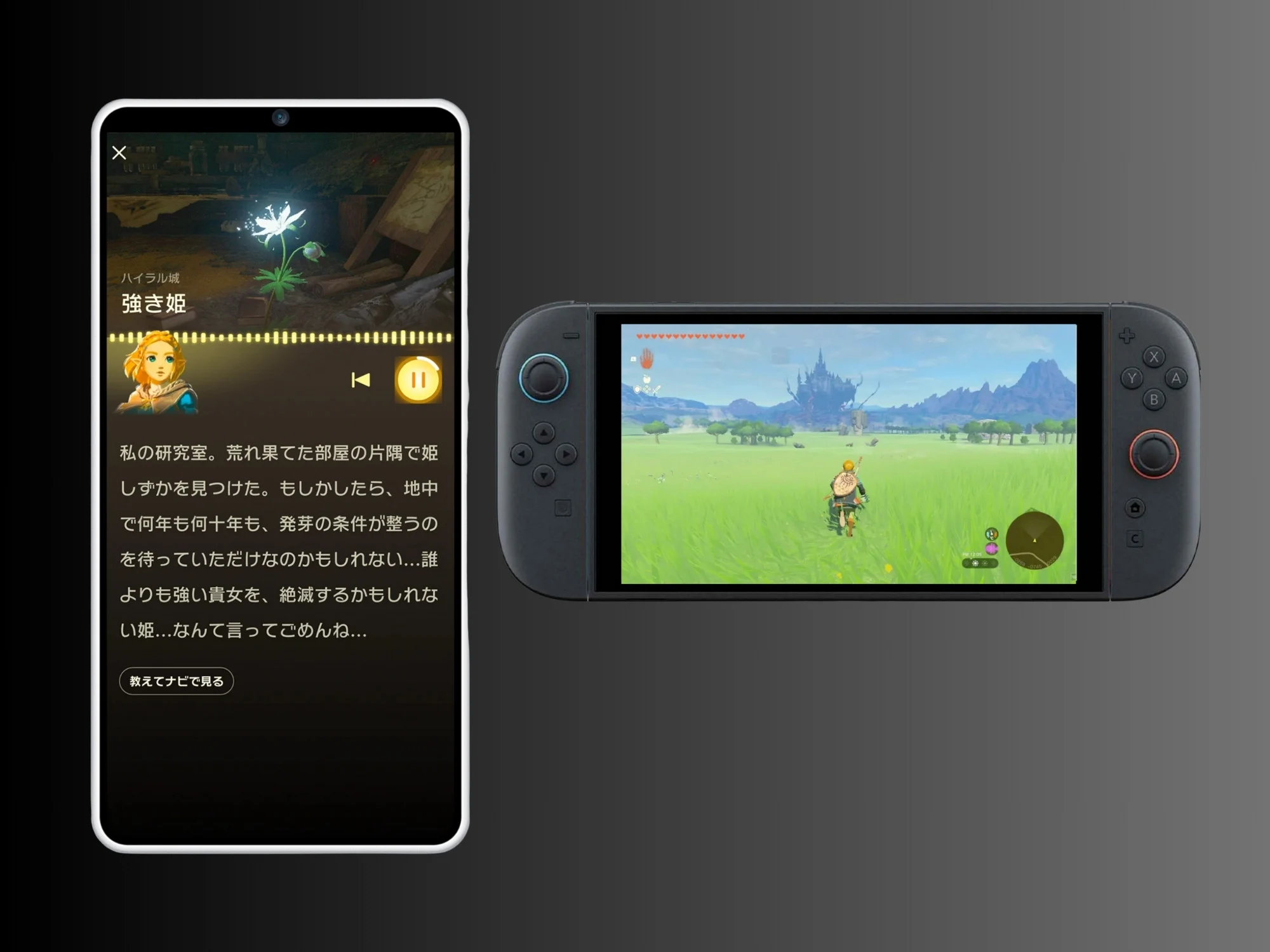
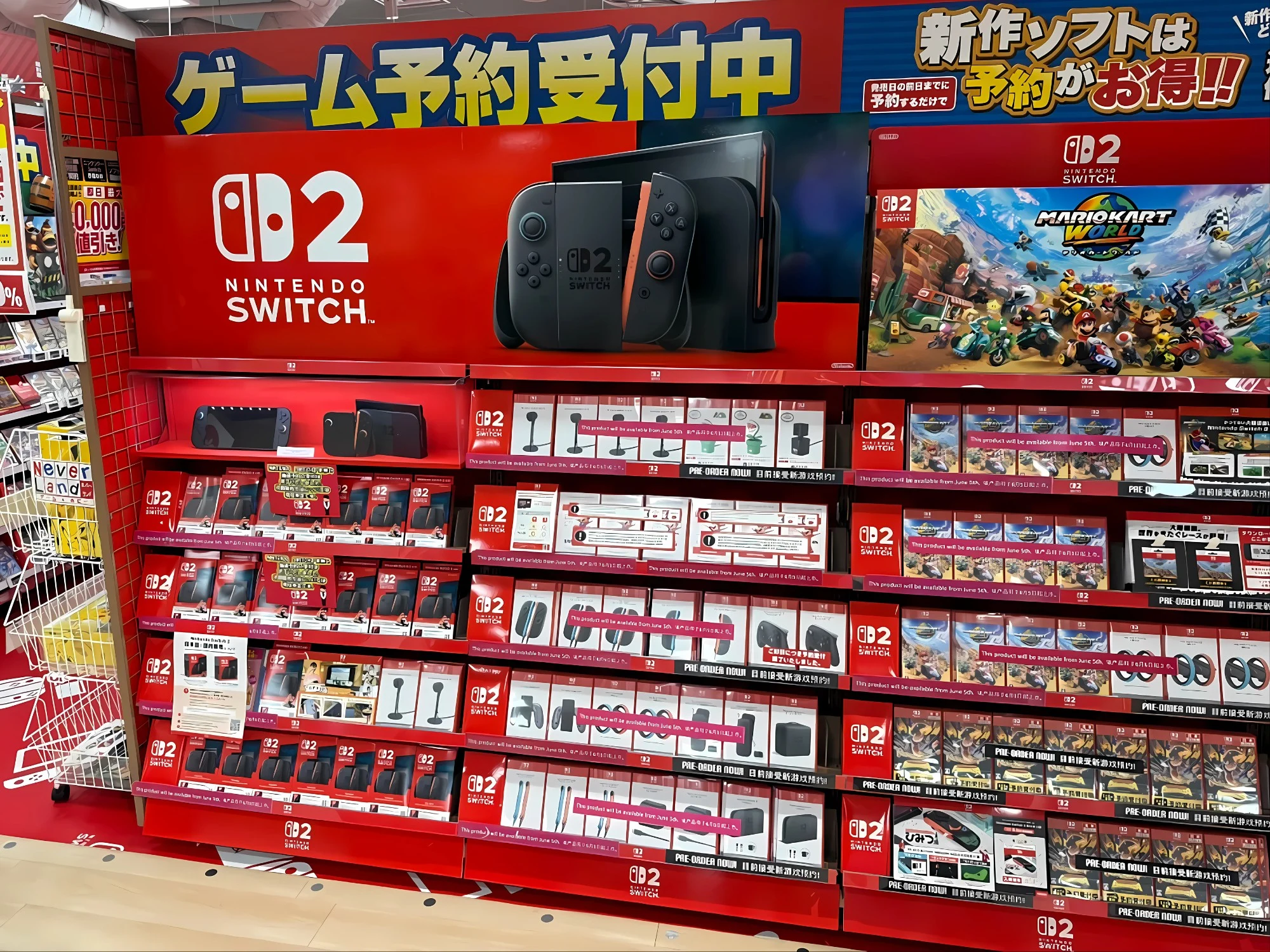
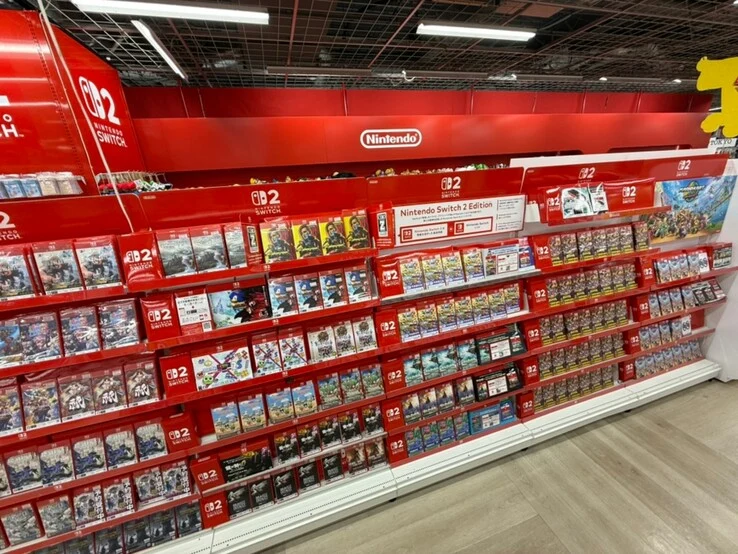
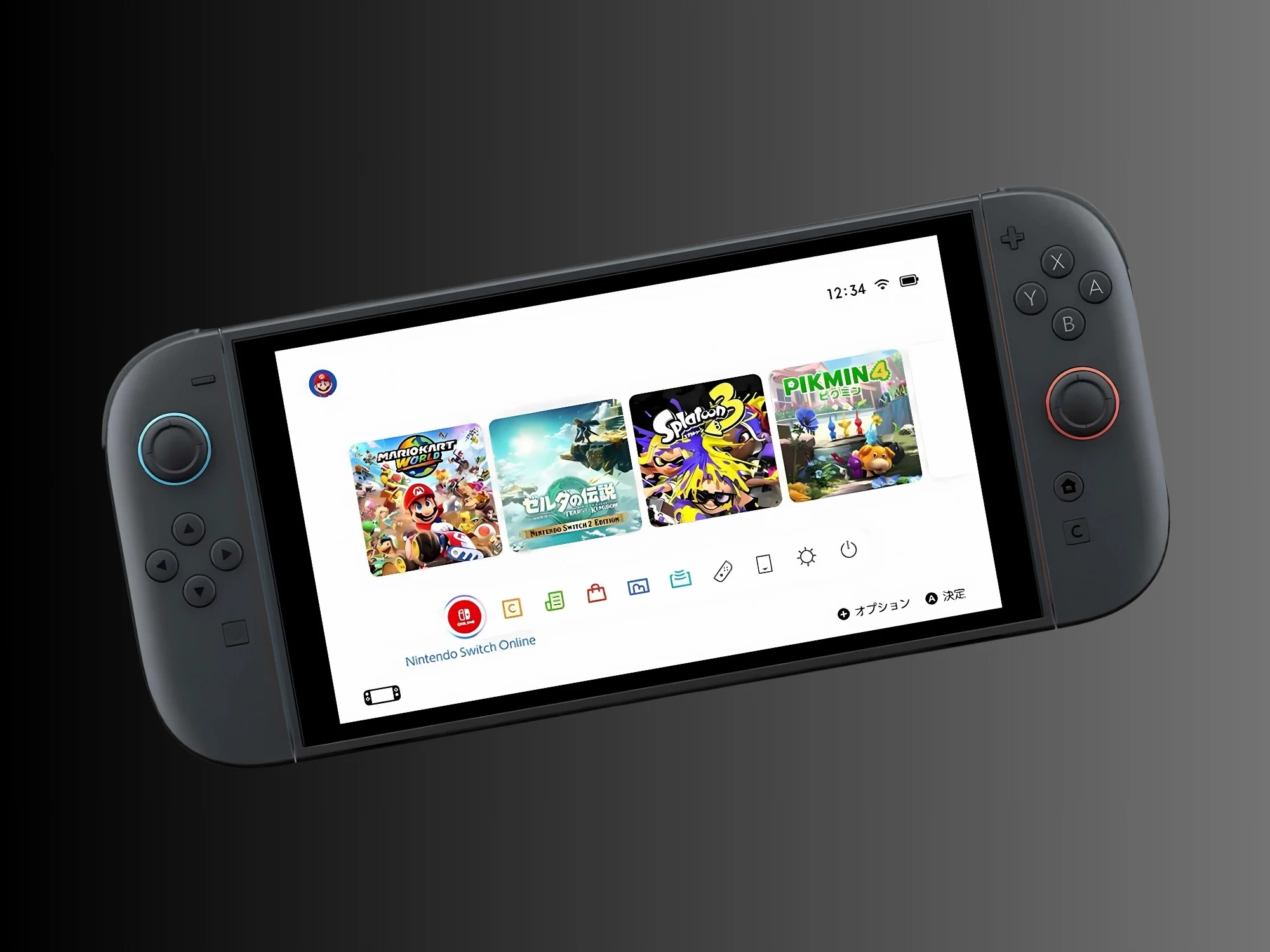
Since Shuhei Yoshida departed from PlayStation earlier this year, he has shared his thoughts on how the company perceives its competitors. The former head of Sony Interactive Entertainment recently joined the Kit & Krysta podcast. In the interview, he expressed surprise at some of the choices Nintendo made. One notable point was the unexpectedly low price of the Switch 2 in Japan.
Pricing Differences
In the U.S., gamers are paying $450 for the standard version of the Switch 2. In contrast, the price for the region-specific console in Japan is only 49,980 yen, which is about $345. However, for the international version, the price is set at $483. Japanese consumers need this more expensive version to connect foreign Nintendo Switch Online accounts. Still, Yoshida implied that PlayStation would have chosen a different pricing strategy for a handheld device with Switch 2 specifications.
Factors Influencing Pricing
The weaker Yen against the U.S. dollar likely played a role in the Switch 2’s pricing. Additionally, Nintendo seems to have aimed to deter resellers from importing the console from other regions. Lastly, there was a rumor suggesting that the company granted more profit margins to Japanese retailers on console sales, although this remains unconfirmed.
During the podcast, Yoshida suggested that Nintendo is willing to take risks to keep its leading position in Japan. Even if it means lower hardware profits, maintaining a strong presence in the gaming market is seen as beneficial in the long run.
Rivalry in Different Markets
Yoshida pointed out that Sony does not view Nintendo as a competitor outside of Japan. In other regions, the company competes primarily with Xbox in the high-tech console arena. However, in Japan, the competition is more intense, as Microsoft has struggled to gain traction. Both companies understand that they must adopt different strategies to thrive in these varied markets.
There have been increasing leaks about a new PlayStation handheld device, which may support PS5 games natively. If the current leaders at Sony share Yoshida’s mindset, the console could be priced much higher for Japanese consumers than the Switch 2.
Source:
Link