1. The supermassive black hole in NGC 4486B is located 19.5 light-years from the galaxy’s center, an unusual position for such objects.
2. The black hole’s offset may be the result of a recent merger between two black holes, a phenomenon possibly unique to this galaxy.
3. Future observations are necessary, as the black hole is expected to return to the galaxy’s center in approximately 30 million years, providing insights into SMBH mergers.
Discovery of an Unusual Black Hole Location
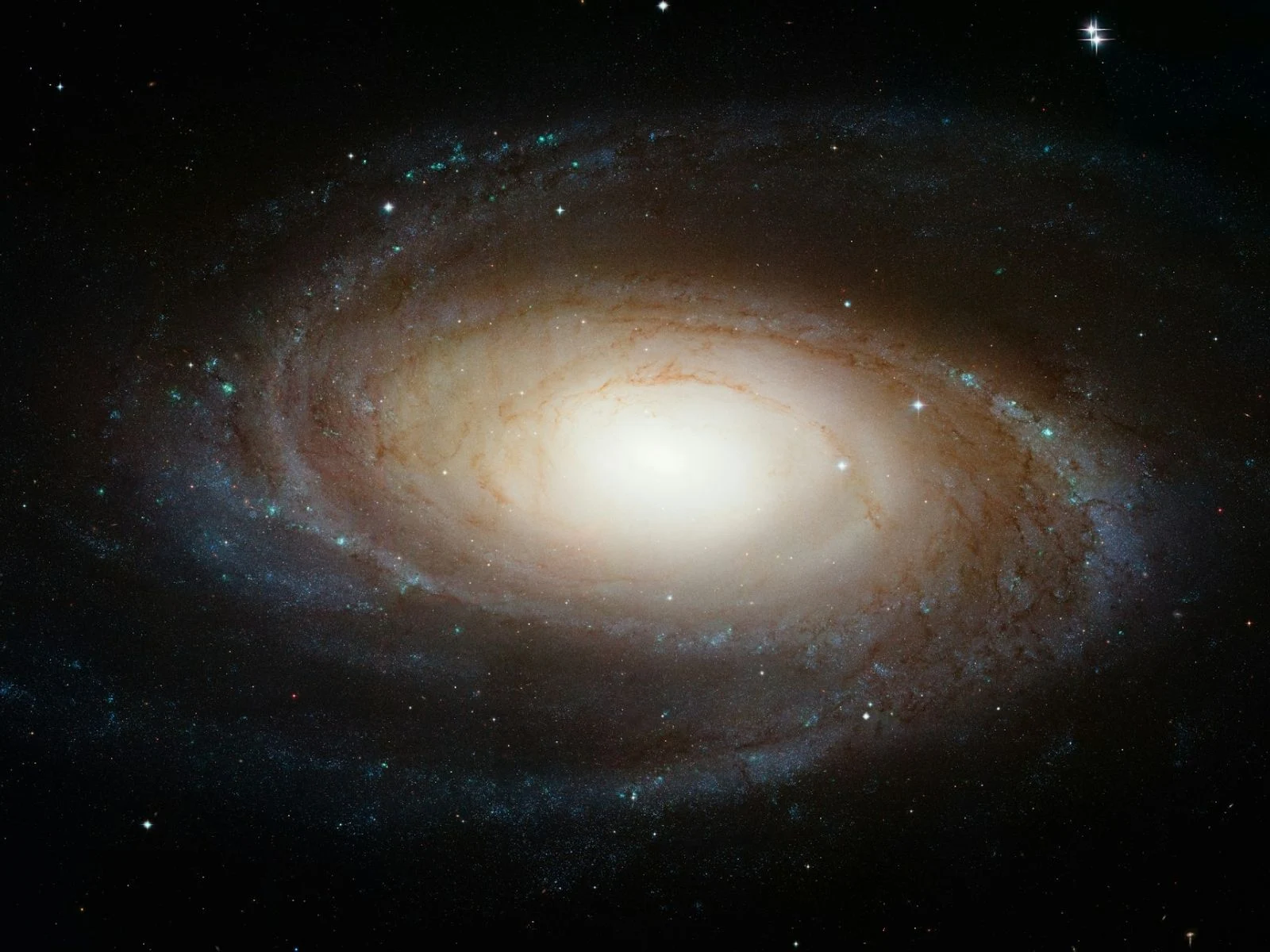
For more than three decades, scientists have been keepin a close eye on the elliptical galaxy NGC 4486B. But it was only recent that they found somthin quite intriguing — a supermassive black hole weighing about 360 million times more than the sun, but it’s not sitting in the normal spot. Normally, these black holes are found in the centre of galaxies, yet this one is about 19.5 light-years away from the middle, which is pretty unusual if you ask me.
Using Advanced Technology to Explore
This interesting find was made possible through the use of the James Webb Space Telescope’s Near-Infrared Spectrograph (NIRSpec). Its observations uncovered clues pointing to a recent merger event. You see, by analyzing the galaxy located in the Virgo Cluster, astronomers have suggested that the black hole’s odd position might’ve been caused when two black holes collided and merged. The energy released from such a violent event must have been enormous, explaining why the black hole now sits where it does.
Implications of a Recent Black Hole Merger
Experts believe that the two black holes interbald about a short period ago, and their collision was no small feat. Behzad Tahmasebzadeh commented saying that NGC 4486B might be the first known galaxie with clear signs of « a recent merger » involving supermassive black holes. This could open new doors in understanding how galactic phenomena evolve, especially when it comes to such extraordinary cosmic interactions.
Future of the Black Hole and Ongoing Study
There’s more to it, though. Astronomers also predict that this wandering black hole will probably find its way back to the core of the galaxy in roughly 30 million years. Scientists think that continual study of NGC 4486B will shed light on similar black hole behaviors and help better understand the mysterious processes involved in these cosmic events. The universe sure has alot of surprises waiting to be unraveled.
Published in The Astrophysical Journal Letters, the findings mark an exciting chapter in cosmic research, providing insights into the dynamic nature of black holes and galaxy evolution. With more advanced telescopes and ongoing studies, we might get a clearer picture of how these massive objects influence their surrounding environments in the vast expanse of space.