Key Takeaways
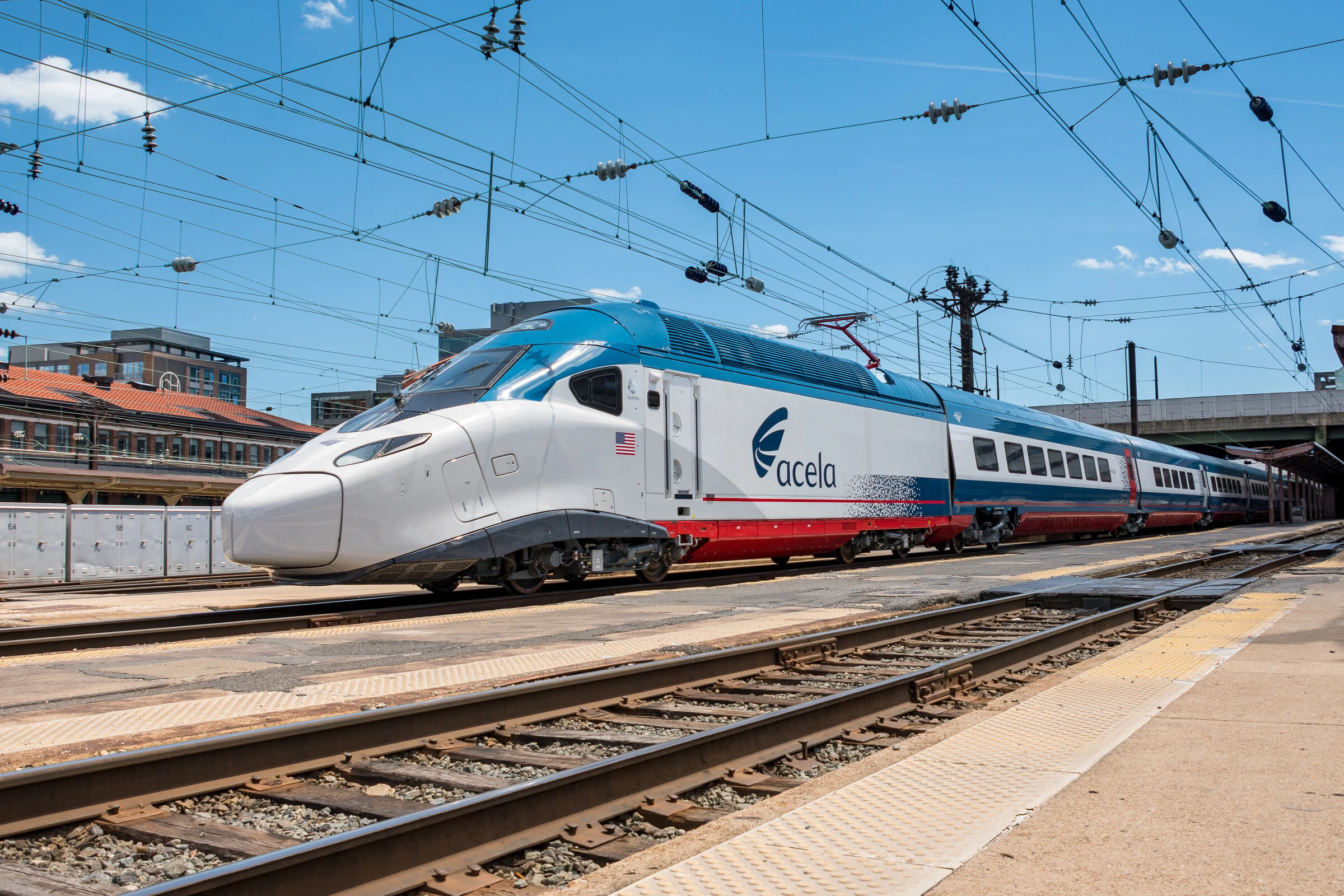
1. The Nextgen Acela trains began operating on August 28, marking an upgrade to the US’s first high-speed rail network, increasing maximum speeds from 150 mph to 160 mph, albeit only for short distances.
2. Early passenger feedback highlights significant improvements in comfort compared to previous Acela trains, but the US high-speed rail system still lags behind international options.
3. The trains must operate on outdated infrastructure which affects their performance and reliability, with older Acela trains being repurposed for spare parts.
4. The seating configuration includes a 1-2 arrangement in first class and a 2-2 layout in business class, with a focus on spacious tables for work, though some aspects like internal digital signage are lacking.
5. Criticism exists regarding certain design features, such as the sliding seat pan design causing discomfort, and the dining car’s distance from first class, though first-class passengers receive seat service.
Since August 28, the Nextgen Acela trains have been operating along the Northeast Corridor, linking Boston, MA, with Washington, D.C. This event signifies the start of the upgrade to the United States’ first high-speed rail network, which has seen its maximum speed rise from 150 mph to 160 mph.
Speed Limitations
Acela is, as per the US definition, one of the only two high-speed rail systems available in the country. However, the 160 mph speed can only be achieved on a few short stretches for just a couple of minutes. There are various sections south of Boston where this speed is possible.
Passenger Experience
Early feedback from passengers has been encouraging. The new Acela offers a notable enhancement in comfort when compared to its predecessor trains. In the US, the roll-out of these new trains is being celebrated as a groundbreaking milestone, heralding a fresh era for high-speed rail. Nevertheless, when compared with high-speed rail options in other nations, there is still room for improvement in the US system.
Aviation journalist Jason Rabinowitz penned an insightful piece for the tech magazine Runway Girl Network. He also sheds light on the modern trains, which must operate safely on outdated infrastructure, contributing to delays in their introduction. Additionally, some older Acela trainsets are being used for spare parts to ensure the current fleet runs smoothly. The four Nextgen Acela trains now in service are expected to alleviate some of the pressure, with a total of 28 planned to be operational.
Design Features
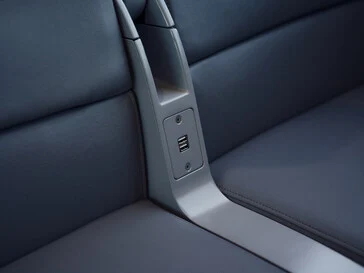
An intriguing detail is that every USB port in the First Class car was equipped with USB-A to C adapters during the press trip, which Rabinowitz predicts “won’t stay in place after the first few uses by passengers.” The design of the trains, however, feels somewhat outdated, lacking in modern technological features. On a positive note, Rabinowitz does commend the significantly enhanced ride comfort.
In both the US and Europe, it is common for passengers to not always be seated facing the direction of travel. The rotation of seats, a practice common in parts of Asia, has not been adopted.
Seating Configuration
In first class, seating is arranged in a 1-2 configuration, typical in Europe. The first-class section is always found at the southern end of the train. A reverse seating arrangement is highly unlikely on the Acela network, given that the Northeast Corridor is just one line without any branches.
Amtrak continues to label the second class as business class, citing the train’s overall high standards as reasoning. In other countries, the amenities provided would be regarded as standard for second class. Regardless, business class passengers enjoy a 2-2 seating arrangement, ensuring that they typically have an empty seat next to them. The business class tables are quite spacious, offering better work space than what a German ICE offers in first class—though this can vary by generation. Out of the nine cars, seven are designated for business class.
Areas for Improvement
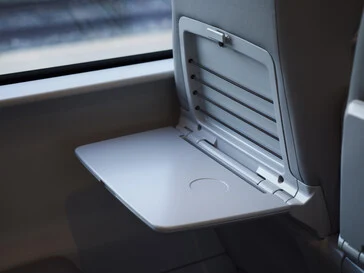
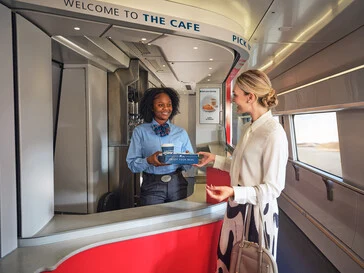
However, there are some areas of criticism. Amtrak seems to have failed in getting the internal digital signage system operational; digital screens are only available on the outer parts of the train. Additionally, the sliding seat pan design of the table seats can cause passengers’ knees to touch, creating potentially awkward situations. The dining car lacks seating and is distanced from the first-class area, but first-class passengers do receive seat service.
There are various video reports available online, including one from Gogosupertoe that offers a detailed look at the press trip that took place on August 27, 2025.